Stanley Kubrick’s 1987 masterpiece, Full Metal Jacket, stands the test of time as a piercing look at war’s chilling psychological and social horrors. This film isn’t just another war flick; it’s an exploration of the grim truths behind the individuals we often glorify as soldiers. It captures the dehumanization and despair that comes with combat in a way that’s as impactful today as when it first hit theaters. So, grab some popcorn, settle down, and let’s dive into the top seven reasons why Full Metal Jacket Remains a defining anti-war film.
Top 7 Reasons Why Full Metal Jacket Remains a Defining Anti-War Film
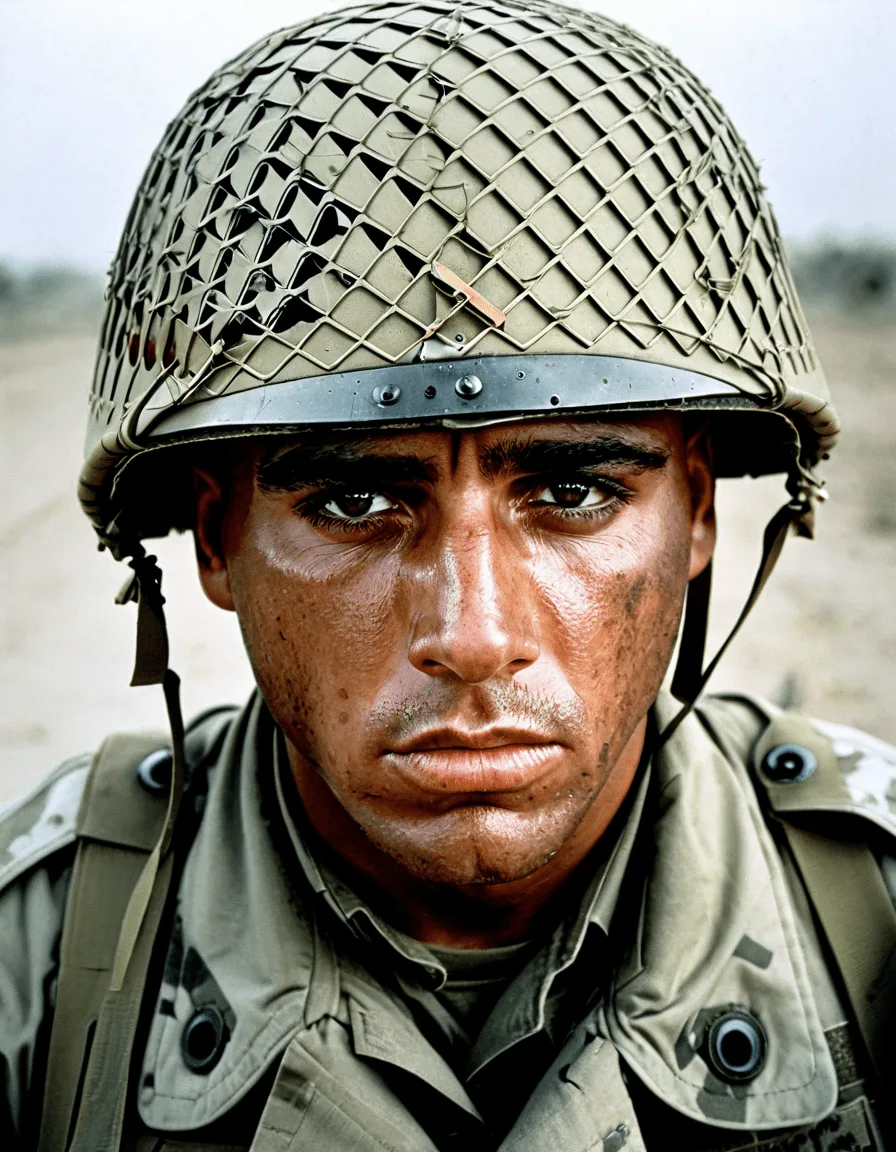
1. Authentic Depiction of Boot Camp
Full Metal Jacket Opens with a raw look at Marine Corps boot camp, highlighting the relentless and often brutal treatment recruits endure. The character of Gunnery Sergeant Hartman, portrayed with fierce intensity by R. Lee Ermey, embodies this process. It’s a powerful commentary on how the military machine aims to strip away individuality. You watch as young men are transformed into soldiers, ready-or not-to face the horrors of combat. It’s a gut-wrenching display of the stripping away of humanity under orders, reminiscent of the darker sides of real-life military training.
2. Dual Narrative Structure
The film isn’t just a simple narrative; it expertly divides itself into two distinct parts. The first half immerses the audience into the confined world of boot camp, while the second half pulls us into the chaos of Vietnam. This striking division serves as a profound commentary on transformation. While recruits start as fresh-faced youth, they metamorphose into combatants embroiled in violence, grappling with the stark contrast between their expectations and brutal reality. It really drives home the point that war isn’t just a physical struggle, but a moral one as well.
3. Psychological Exploration of Violence
Full Metal Jacket Doesn’t shy away from exploring the unsettling mental landscape soldiers must navigate. The film follows Joker, played by Matthew Modine, as he confronts his own identity amidst the chaos. This character embodies the struggle of trying to reconcile a sense of morality with the need for survival in an amoral battlefield. Through this lens, we see the internal conflict that evolves in a soldier’s mind, leading to the haunting realization: “We are all just actors.” This notion hits hard, leaving one to ponder if, when faced with extreme circumstances, we lose our sense of self.
4. Cinematic Techniques and Symbolism
Kubrick is a master of his craft, often weaving disturbing imagery with dark humor throughout Full Metal Jacket. His use of striking colors and jarring contrasts amplifies the themes of innocence lost. For example, a bright, lively boot camp scene juxtaposed against the dark horrors of war highlights the dissonance between life and death. Kubrick’s clever cinematography draws you right into the screen, keeping you engaged while forcing you to examine the film’s deeper layers. It’s this careful craft of visual storytelling that makes the film so unforgettable.
5. Cultural Impact and Legacy
Since its release, Full Metal Jacket Has embedded itself into popular culture, leaving a lasting mark on filmmakers and audiences alike. The iconic lines, such as “This is my rifle, this is my gun,” are deeply entrenched in our cultural lexicon. It’s fascinating to see how the film’s influence has flowed into various facets of entertainment. For instance, let’s take a look at Machine Gun Kelly-his name pays homage to the firearm, echoing the movie’s legacy and showcasing the film’s reach into music and beyond. You can spot references popping up everywhere in TV shows, films, and even in conversations among friends.
6. Philosophical Underpinnings
At its heart, Full Metal Jacket Raises philosophical questions about the essence of warfare and humanity itself. It prompts viewers to ask if soldiers are merely cogs in a grand machine, as alluded to by the titular “full metal jacket.” This heavy metaphor compels you to confront uncomfortable truths about militarism and the dehumanization that often accompanies war. It’s a nail-biter of an inquiry that sticks with you long after the credits roll.
7. Historical Context and Relevance Today
In today’s world, where debates about military engagement are constant, Full Metal Jacket Remains eerily relevant. The film connects to conversations about modern warfare, bringing to light the psychological toll on veterans and inviting reflection on current military tactics, including drone strikes. This spurs a grueling comparison to past conflicts like Vietnam, asking whether our methods have changed or if just the tools we use have evolved. The film stands as a reminder that the war’s brutality remains timeless, ever haunting for those who live through it.
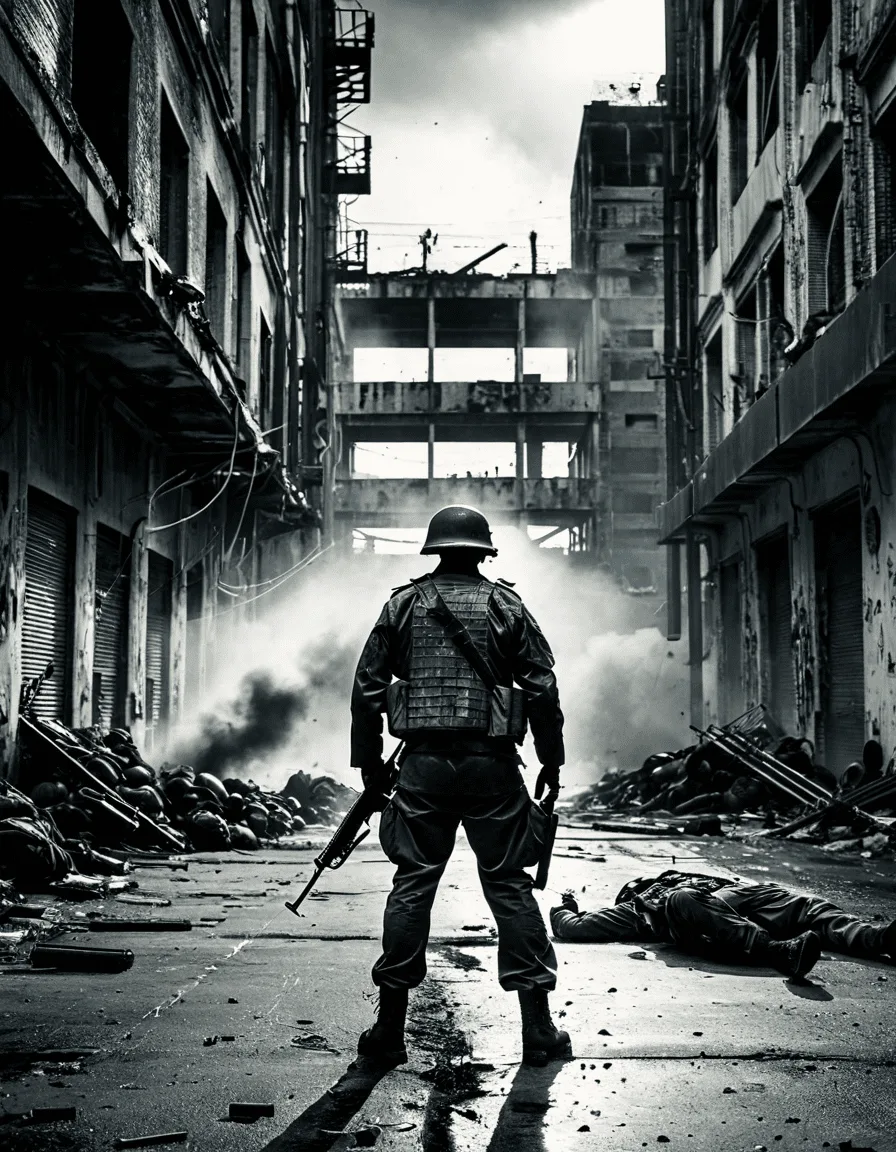
The Griffith Observatory and War Cinema: A Unique Perspective
Let’s take a metaphorical trip to the Griffith Observatory, shall we? This iconic Los Angeles landmark provides a perspective not just on the stars but also on humanity’s place within the universe. Similar to how the observatory encourages us to examine the cosmos, Full Metal Jacket Elevates war from the chaos to a broader existential conversation. It invites audiences to step back and ponder the larger implications of war, revealing truths about our shared experience. It’s truly mind-bending when you think about it! Just as the observatory serves knowledge seekers, Kubrick’s film serves as a catalyst for critical engagement with the brutalities of conflict.
Final Thoughts
As we navigate a world still wrestling with the weight of military engagements and their often-hidden consequences, Full Metal Jacket Stands as a stark reminder of war’s brutal realities. Its expertly crafted portrayal invites us into a nuanced understanding of the emotional scars it leaves on those who bear the burden. The film’s lasting influence and its haunting commentary keep it in the conversation, igniting much-needed dialogue on the ethics surrounding both past and present military actions. Full Metal Jacket Isn’t just a film; it’s a conversation starter-a stark wake-up call that merits our attention not just for its artistry but for its enduring relevance in our society today. So, what do you say we keep talking about it?
Full Metal Jacket: Unpacking the Brutality of War
Behind the Scenes and Unique Inspirations
Did you know that Full Metal Jacket Was inspired by a real-life Marine’s experiences during the Vietnam War? The film’s screenplay is partly based on the book The Short-Timers By Gustav Hasford, who served as a combat correspondent. The grueling training sequences feature actors who underwent extensive preparation. Some even likened their experiences to those of the cast of Catch 22, discussing the absurdity and grim realities of military life. The film showcases the bond forged between soldiers, a theme echoing throughout other classic films, such as Mahogany, which dives into the complexities of relationships and identity.
Iconic Quotes and Cultural Impact
You might recall the chilling words, “This is my rifle; this is my gun,” that echo throughout Full Metal Jacket. These lines have become iconic, often referenced in pop culture, much like the haunting experience viewers find in The Fall Of The House Of Usher. Kubrick’s film deeply influenced how war stories are told in cinema, making it a vital touchstone for filmmakers. Interestingly, some actors and viewers noted parallels between the characters in Full Metal Jacket And the cast from Sweet Magnolias, highlighting how different narratives explore camaraderie in adversity.
The Location and Legacy of Filming
Filming took place in England, far removed from the jungles of Vietnam. Despite this, Full Metal Jacket Reflects an authentic sense of place, capturing the environment’s brutality while evoking the emotional labor soldiers endure. This achieves a level of realism that resonates with audiences, much like the thrill seen in classic Westerns such as El Dorado. It’s fascinating to consider how location plays a role; for instance, Fells Point, Baltimore, and its local culture have been featured in various productions, giving a backdrop that shapes storytelling.
The lasting impression of Full Metal Jacket Resonates not only in film history but also cultivates discussions akin to those you’ll find in AA discussion Topics, where recovering individuals share their personal stories. As film enthusiasts continually analyze its themes and cinematography, the conversations around Full Metal Jacket Become a rich tapestry woven through both nostalgia and reflection, mirroring the emotional depth found in animated blockbusters like Your Name.
This article was produced with AI assistance. How Motion Picture Magazine uses AI.
Motion Picture Magazine writes for Motion Picture Magazine - movies, celebrity gossip, entertainment news, style and best shows.