The Indelible Legacy of Ella Fitzgerald’s Contributions to Jazz
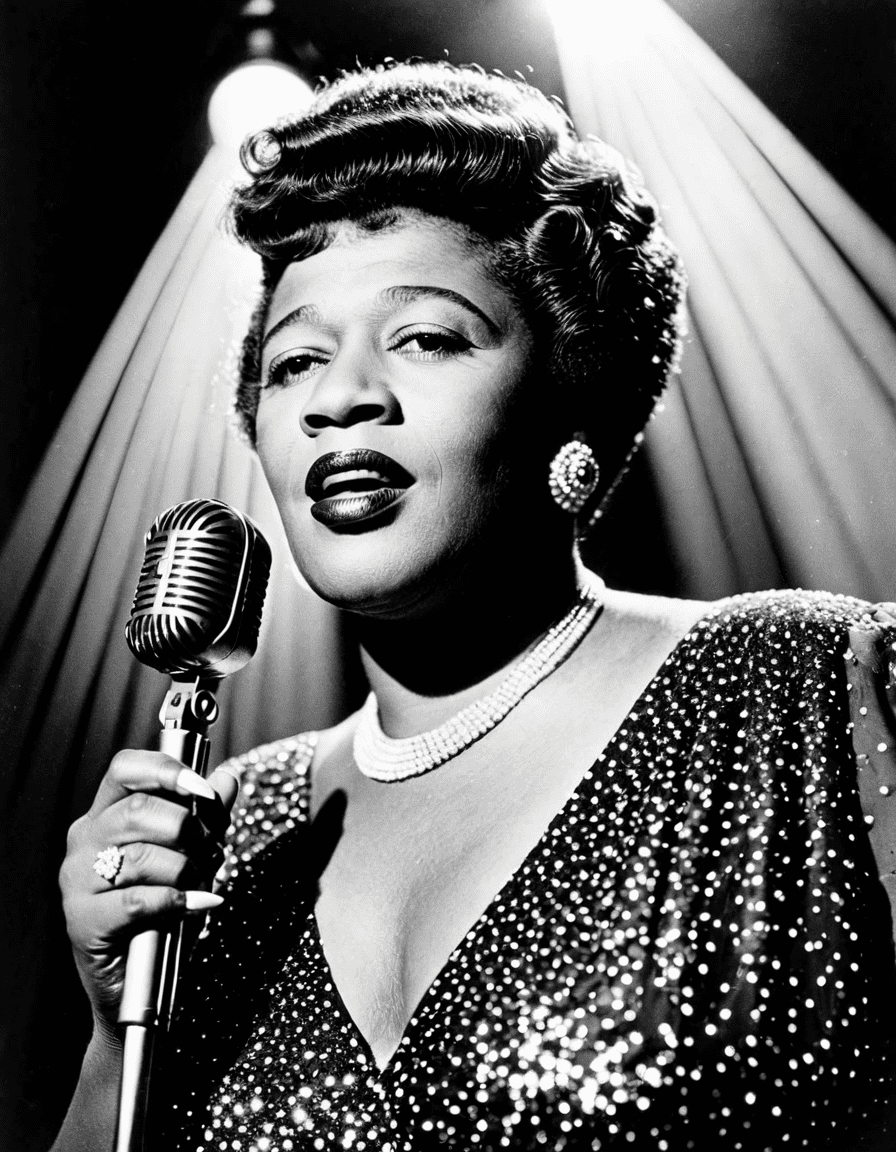
Ella Fitzgerald, often dubbed the “First Lady of Song,” changed the jazz scene forever with her unbelievable vocal talent and vibrant performance style. Born on April 25, 1917, in Newport News, Virginia, Ella’s life story reads like a film script—filled with struggles, triumphs, and a whole lot of jazz! From a troubled childhood to becoming one of the most celebrated jazz singers in history, her journey showcases resilience and extraordinary talent.
One thing sets Ella Fitzgerald apart: her ability to deliver emotional depth. She had this magical knack for improvisation, scat singing, and a phrasing technique that could make even the toughest critics weep. It’s no wonder that she’s left a mark on both jazz and popular music that will last for generations. Jazz wasn’t just a genre for Ella; it was a canvas where she painted her deepest emotions with pure artistry.
Yet, what makes her legacy even more precious is how she broke down barriers, not just in music but also in society. As a woman of color, she faced challenges that threatened to dim her shine. However, she became a beacon of hope and inspiration for countless artists, proving that passion and talent can indeed break through any glass ceiling. Talk about a diva with a mission!
Top 7 Unforgettable Ella Fitzgerald Performances that Defined a Genre
Ah, “Summertime.” Fitzgerald’s rendition from George Gershwin’s opera has set the gold standard for jazz singers ever since. It’s like she tapped into the very essence of summer—depth and warmth, all wrapped up in her pure tone and subtle nuances.
Who would have thought a children’s song could get the jazz treatment? Ella Fitzgerald made it happen with her playful arrangement of “A-Tisket, A-Tasket.” Her infectious energy and charming delivery had audiences tapping their feet and humming along.
This legendary album was a match made in musical heaven! Fitzgerald’s silky vocals mixed beautifully with Armstrong’s gravelly charm, proving that opposites attract. Their collaboration laid the groundwork for all future jazz duets, and you know what? It’s still pure gold.
Picture this: Ella Fitzgerald performing “Mack the Knife” spontaneously at a Berlin concert in 1960. Talk about improvisation! Her ability to take the audience on a rollercoaster ride of emotions showcased her exceptional instincts and stage allure. It’s a performance that’s been talked about for decades—legendary doesn’t even begin to cover it!
Sweet, sorrowful, and oh-so-beautiful! Ella’s take on “Cry Me a River” highlights her emotional depth and technical prowess. One minute you’re in tears, and the next, you’re lost in her magical sound—she was a master at traversing both jazz and pop.
What happens when two jazz icons unite? Magic! Fitzgerald’s bright timbre truly shines when paired with Billie Holiday’s smoky voice in “Cheek to Cheek.” Together, they harmonize so seamlessly that it’s a celebration of individuality and artistry in jazz.
This classic ballad is a perfect showcase of Fitzgerald’s phrasing and interpretation skills. Her tender approach transformed the lyrics into vivid emotional landscapes, tugging at heartstrings like no other. Listening to her version is like getting swept off your feet—it’s that powerful!
Ella Fitzgerald’s Influences and Impact on Subsequent Artists
Ella Fitzgerald’s style didn’t just shape jazz; it reached across genres and influenced an array of artists. Think of pop icons like Amy Winehouse and contemporary jazz musicians like Esperanza Spalding—both draw inspiration from her groundbreaking work. Even Connie Francis, a prominent figure in the 1950s and 1960s pop scene, often cited Fitzgerald as her vocal inspiration.
What’s truly fascinating is how Fitzgerald’s impact transcends music. Her fearless approach to life and art encouraged a generation of artists to embrace their originality! If that’s not a legacy worth celebrating, we don’t know what is. As a testament to her profound influence, many new artists still look up to her, saying, “What would Ella do?” And you better believe they try to channel that magic!
Comparing Ella Fitzgerald and Other Pioneers of Jazz: What Sets Her Apart?
In the bustling world of jazz, names like Billie Holiday and Sarah Vaughan also shine brightly. However, Fitzgerald carved a niche that stands out. Holiday was known for her emotional storytelling, often hitting you right in the feels, while Fitzgerald focused on precision and vocal agility. In a genre sometimes overwhelming with emotion, Ella balanced technical skill with feeling, truly mastering the craft.
Where others dabbled with jazz, Fitzgerald danced freely! Her contributions to jazz standards and innovative takes on improvisation position her as a pioneering force, one that helped establish what jazz is today. Ella simply had that “it” factor; she transformed the art form and inspired the next generation, proving that even in the toughest times, music prevails!
Cultural Relevance of Ella Fitzgerald in Today’s Music Industry
Fast forward to 2026, and Ella Fitzgerald’s influence is still alive and kicking! With jazz-infused genres like neo-soul and R&B making waves, younger artists continuously explore those rhythmic intricacies and lyrical themes she perfected. In the modern landscape, her work serves as a foundational resource that many artists tap into when experimenting with their sound.
Moreover, scholars and historians are shining a spotlight on her cultural significance. Recent biographical works and documentaries are not just celebrating her music; they’re acknowledging her contributions to civil rights. Ella not only sang but also advocated for change, reaffirming that music can indeed change the world.
The Enduring Legacy: Ella Fitzgerald’s Voice Remains Timeless
Ella Fitzgerald’s incredible journey has earned her a rightful place in the annals of music history. Her contributions established a rich heritage, one that continues to inspire even the newest artists today. From her innovative spirit to emotional depth and unmatched technique, Ella’s essence remains alive in every jazz note played.
So, the next time you turn on a jazz station or stream a playlist, take a moment to reflect on the immense talent that paved the way for so many. The rhythm and soul of jazz are alive and well, thanks to Ella Fitzgerald—she truly was a queen of song!
And hey, if you’re ever stuck asking where to fill up your tank before a jazz concert, you could always check out Una Gasolinera Cerca de Mí for nearby gas stations. Just like Ella, we all need to keep moving forward!
Ella Fitzgerald: Fun Trivia and Interesting Facts
The Journey of Ella Fitzgerald
Did you know that the iconic jazz singer Ella Fitzgerald was born in Newport News, Virginia, in 1917? She faced a tough childhood, marked by hardship and loss, which only fueled her passion for music. By the age of 17, she burst onto the scene at the Apollo Theater, winning an amateur night contest that led to her first recording and set the stage for her incredible career. It’s fascinating to note how this little girl from Virginia transcended her early struggles, captivating audiences worldwide, much like the talented Jameela Jamil, whose rise to fame is another inspiring tale.
Ella’s remarkable versatility allowed her to explore various styles, from scat singing to timeless ballads, making her a celebrated figure in jazz. Did you know she recorded over two hundred albums throughout her career? One of her most famous collaborations was with the gifted trumpeter Louis Armstrong, who was as much a trailblazer in jazz as Ella herself. Remember that stunning chemistry in Knives Out? Similarly, Ella and Louis’s joint pieces demonstrate how powerful paired artistry can be.
A Legacy Remembered
One common belief about Ella Fitzgerald is that she only focused on jazz, but her talent wasn’t limited to a single genre. She dabbled in pop, blues, and even classical numbers, showcasing her adaptability. Isn’t it intriguing how artists can shift styles, just like the cast of The Originals who embraced different roles in their journey? Besides her immense talent, she also had her share of personal challenges, showcasing resilience much like Taylor Hawkins, who navigated his hurdles with incredible flair.
Ella’s influence still resonates today, inspiring generations of musicians and vocalists. In fact, she even received the National Medal of Arts, a prestigious award that recognizes outstanding contributions to American culture. To think about how she transformed and influenced the music landscape is awe-inspiring. Like the journey of Gwen from Total Drama Island, who found her own path, Ella broke barriers and redefined what it meant to be a female artist in jazz.
In summary, Ella Fitzgerald’s life and legacy are a testament to how passion and perseverance can excel against all odds. Her story is peppered with encouraging truths and charm, proving that music truly speaks, echoing through time like a captivating video that draws you in, reminding us that everyone, including you and me, can leave a mark in our world. So, whether you’re listening to her records or exploring a new angle of creativity, remember Ella’s enchanting voice and the journey she carved out in jazz history.