
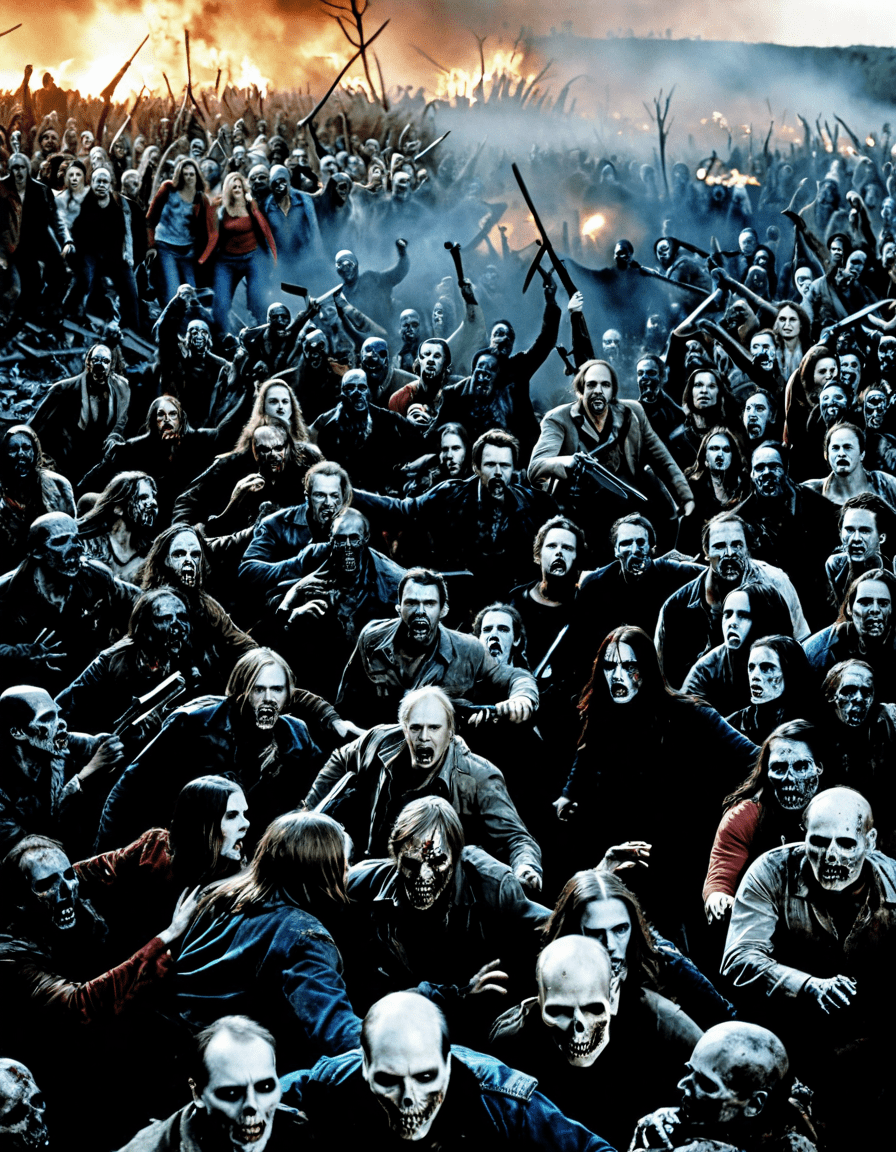
When it comes to horror cinema, few films cast as long a shadow as George A. Romero’s groundbreaking Dawn of the Dead. Released in 1978, this classic movie reshaped not only the zombie genre but also made longstanding contributions to the larger horror landscape. Fasten your seatbelt, folks! Let’s explore the profound impact of this legendary film and why it still haunts film lovers today.
1. Five Ways “Dawn of the Dead” Shaped Modern Horror Cinema
There’s no denying the film’s influence in five significant ways:
1. Reinvigorating the Zombie Genre
Before Romero waved his magic wand, zombies were mostly relegated to folklore. With Dawn of the Dead, zombies became symbols for deeper themes. Romero’s vision of the undead wasn’t just about frights; it illuminated societal issues. Fast-forward to 2004, and Zack Snyder’s remake introduced a whole new generation to the undead’s chaos. It mixed a heart-pounding narrative with sheer horror-talk about a thrill ride!
2. Commentary on Consumerism
Set in a shopping mall, Dawn of the Dead Cleverly critiques American consumer culture. The film showed how society can spiral into madness when striving for material gains. This theme resonated with later films, such as Kingsman: The Golden Circle, which also critiques indulgence while serving a bloody good time. Who knew shopping could be so thrillingly terrifying?
3. Innovative Practical Effects
Tom Savini’s work in Dawn of the Dead Set high standards with groundbreaking practical effects. The look and feel of the film created a tactile sense of horror that only intensified the viewers’ dread. Modern productions, including The Walking Dead, have followed suit, cleverly blending these practical effects with digital enhancements to keep audiences on the edge of their seats.
4. Character-Driven Storytelling
A standout feature of Dawn of the Dead Was its focus on character development. Compared to many horror flicks of its time, Romero prioritized the survivors’ interpersonal drama over panic-inducing gore-a rare move! This deep characterization informs newer films like A Quiet Place, where human relationships take center stage amid chaos. It’s not just about survival; they made us care!
5. The Rise of the Anti-Hero
Romero’s protagonists weren’t exactly shining knights; they were flawed, making them relatable and complex. This trend sprouted the modern anti-hero we see in movies today. Picture The Edge of Tomorrow, where characters evolve under pressure. Those moral shades of gray sure make for thrilling cinema, don’t they?
2. The Legacy of “Dawn of the Dead” vs. Other Iconic Horror Films
While Dawn of the Dead Stands as an iconic moment in horror history, it’s fun to compare it with other cinematic milestones.
– “Dawn of the Dead” vs. “Blade Runner”
Both films provide dystopian visions-Romero critiques consumerism while Ridley Scott dives into human evolution and artificiality. It’s like apples and oranges, but each serves a slice of social commentary that lingers long after the credits roll!
– “Dawn of the Dead” vs. “Wings of Fire”
Wings of Fire Isn’t traditionally horror, yet it captures the essence of survival against overwhelming odds. Similar to the fight for survival in Dawn of the Dead, characters in both films face fierce challenges, showing just how resilient humans can be when the chips are down.
– “Dawn of the Dead” vs. “The Edge of Tomorrow”
In a way, both films explore repeated confrontations with imminent doom. While Dawn of the Dead Focuses on community responses to societal collapse, The Edge of Tomorrow Emphasizes personal growth through repetitive struggles. Who knew facing death could lead to self-discovery?
3. Cultural Impact: Why “Dawn of the Dead” Resonates Today
Even after all these years, the themes in Dawn of the Dead Echo loudly within modern society.
– Zombie Apocalypse as a Metaphor
In 2026, with political upheaval, pandemics, and social unrest at the forefront, the film’s portrayal of chaos resonates more than ever. It acts as a mirror to current anxieties, reflected in contemporary films like Train to Busan And the comedic horror from the Zombieland Franchise. You could say, in a bizarre twist, that zombie flicks are the social commentaries of our day!
– Community Response
Dawn of the Dead Also dives into group dynamics during crises, pushing viewers to reflect on their own reactions to disasters. How do we band together when the going gets tough? With climate change discussions ramping up, it’s clear that the film’s call to community action remains crucial now, more than ever.
4. A Forging of New Frights: Films Born from the “Dawn of the Dead” Influence
Today’s horror genre still carries the torch lit by Dawn of the Dead.
– “World War Z”
This film gives a nod to the concept of a world under siege by the undead, much like Romero’s vision but with a modern twist. Moving fast-paced zombies parallel today’s fast-paced life, giving audiences the thrill they crave!
– “The Walking Dead”
This series took the zombie apocalypse and turned it into a gripping character study spanning multiple seasons. Tapping into Romero’s focus on human relationships, the show reveals how psychological tolls haunt survivors long after the initial chaos is over.
– “28 Days Later”
Mixing horror with social commentary, this film rejuvenates traditional zombie lore. It takes Romero’s insights and expands them into a global narrative about humanity’s capacity for both destruction and resilience.
An Evolving Horror Narrative
Dawn of the Dead Is more than just an iconic horror film; it serves as a rich commentary about society’s ongoing struggles. As we wrestle with a world fraught with challenges, this film shines as a reflection of human tenacity amid darker societal realities.
For filmmakers, Romero set a standard that continues to challenge and inspire. Horror isn’t just about jump scares; it serves as a mirror of our fears, making us question not only what scares us but also what it means to be human. So, next time you find yourself perched on your couch, popcorn in hand, ready for a horror binge, remember the legacy of Dawn of the Dead. After all, those zombies are more than just monsters-they’re a mirror reflecting the quirks of our very humanity!
Dawn of the Dead: Engaging Trivia and Interesting Facts
Behind the Zombies
“Dawn of the Dead,” a landmark film in the horror genre, wasn’t just an exercise in dread; it was a reflection of society’s views on consumerism. Directed by George A. Romero, it cleverly juxtaposed the dead rising with scenes of frenetic shopping. Romero actually filmed much of the movie in a shopping mall, cleverly highlighting how we often mindlessly consume even in the face of apocalypse-as seen with the whimsical chaos tied to Sid From Toy story.( This thought-provoking approach remains relevant today, prompting discussions about modern consumer culture.
Another fun tidbit: the cast consisted of a blend of seasoned actors and fresh faces, contributing to its raw charm. One standout was Ken Foree, whose role as Peter became iconic. Many viewers might not know that Foree later made appearances in shows like Vice Principals,(,) showcasing his versatility as a performer. The film’s relationship themes are equally gripping, hinting that even in the chaos of the undead, personal relationships can evolve just like Savanah Ond’s(’s) storytelling, bridging the gap between horror and human experience.
Cultural Impact and More
The cultural impact of “Dawn of the Dead” goes beyond just another zombie flick; it influenced countless filmmakers and spawned debates in horror circles about what it means to be human. For fans of the film, it’s fascinating to discover connections to other cinematic masterpieces, such as the comedic chaos of Shrek The Halls,( demonstrating how influential trends often juxtapose serious themes with lighter narratives.
As the film climbed into stardom, it also inspired its share of parody, much like what you’d see in narratives involving quirky characters, such as Chelsea Charms.(.) Furthermore, the haunting score composed by Goblin perfectly complemented the movie, earning it a distinct place in horror soundtracks. Fans still reference its sound design, ensuring that “Dawn of the Dead” remains a staple in contemporary horror discussions and beyond, much like the vibe of modern artists such as Pink Pantheress,(,) who incorporate nostalgia in their music.
So, the next time you dive into “Dawn of the Dead,” remember the multilayered themes and the trivia that make this film a captivating ride. Whether you enjoy its social commentary or scream at the jump scares, there’s no denying its role in shaping the horror landscape.
This article was produced with AI assistance. How Motion Picture Magazine uses AI.
Motion Picture Magazine writes for Motion Picture Magazine - movies, celebrity gossip, entertainment news, style and best shows.