The 2011 film Cabin in the Woods, directed by Drew Goddard and co-written with Joss Whedon, is a true genre-bending masterpiece that amps up the horror scene like a triple shot of espresso on a Monday morning. This film is so much more than just a standard horror flick; it flips traditional tropes on their head, inviting viewers to look deeper than blood-soaked floors and creepy noises in the dark. As fans still dissect its layers years later, we’ve got the lowdown on some shocking secrets that contribute to its lasting legacy—so buckle up, because we’re diving into the wild world of Cabin in the Woods!
7 Shocking Secrets Behind Cabin in the Woods: A Deep Dive
1. The Role of the Ancient Gods
In Cabin in the Woods, ancient deities take center stage, much like the hulking monsters of H.P. Lovecraft’s “Cthulhu Mythos.” These gods aren’t just there for chills and thrills; they symbolize the weighty expectations we, as an audience, place on horror films. They remind us that our enjoyment—our cathartic release—often hinges on witnessing violence for entertainment. Is that a bit of a gut-check? You bet. The film challenges us to ponder what our hunger for horror says about us; after all, aren’t we a little complicit in this bloody spectacle?
2. The Meta Commentary on Horror Tropes
If you thought you knew horror, think again! Cabin in the Woods takes beloved horror stereotypes—the jock, the innocent virgin, the goofy stoner, and the, ahem, “free-spirited” friend—and turns them on their heads. By subverting these clichés, the film hands us a mirror, one that reflects our own expectations and biases back at us. It’s like a horror film version of Scream—where the rules are laid out, but then playfully challenged, leading audiences to question the entire genre’s formulaic nature.
3. The Influence of Little House on the Prairie
Now, here’s something you might not have expected: Cabin in the Woods hints at nostalgic America, thanks to images reminiscent of Little House on the Prairie. This contrast invites audiences to chew over the darker elements lurking behind that postcard-perfect vision of rural life. Remember the wholesome family values and cozy adventures? Now, add in some uninvited horror, and we need to rethink what we consider “home sweet home.” The idyllic memories of Little House on the Prairie just got a sinister upgrade!
4. The Significance of the Control Room
Ever wonder what’s behind the curtain in a horror flick? Enter the control room operators, our unseen puppet masters pulling the strings and adding a dash of dark comedy. With their surveillance and manipulation, they make us complicit in the fates of the characters. It’s a quirky twist on the voyeuristic tendencies we all have when indulging in cinematic horror. Watching them feast on popcorn as they dictate doom? That’s a chef’s kiss of irony if I ever saw one!
5. The Use of Technology as a Narrative Tool
Let’s talk tech—Cabin in the Woods leans into technology like a kid on Christmas morning, but it also has a warning embedded in its narrative. The gadgets and gizmos are tools for control, serving both safety and danger. Much like The Matrix, it teeters on the line that separates trust from doom. Trusting technology too much can lead the unsuspecting teens straight to a bloody end—who saw that coming? It warns us to consider: is our tech-laden lifestyle a little too glitchy for comfort?
6. Symbolism of the Cabin Itself
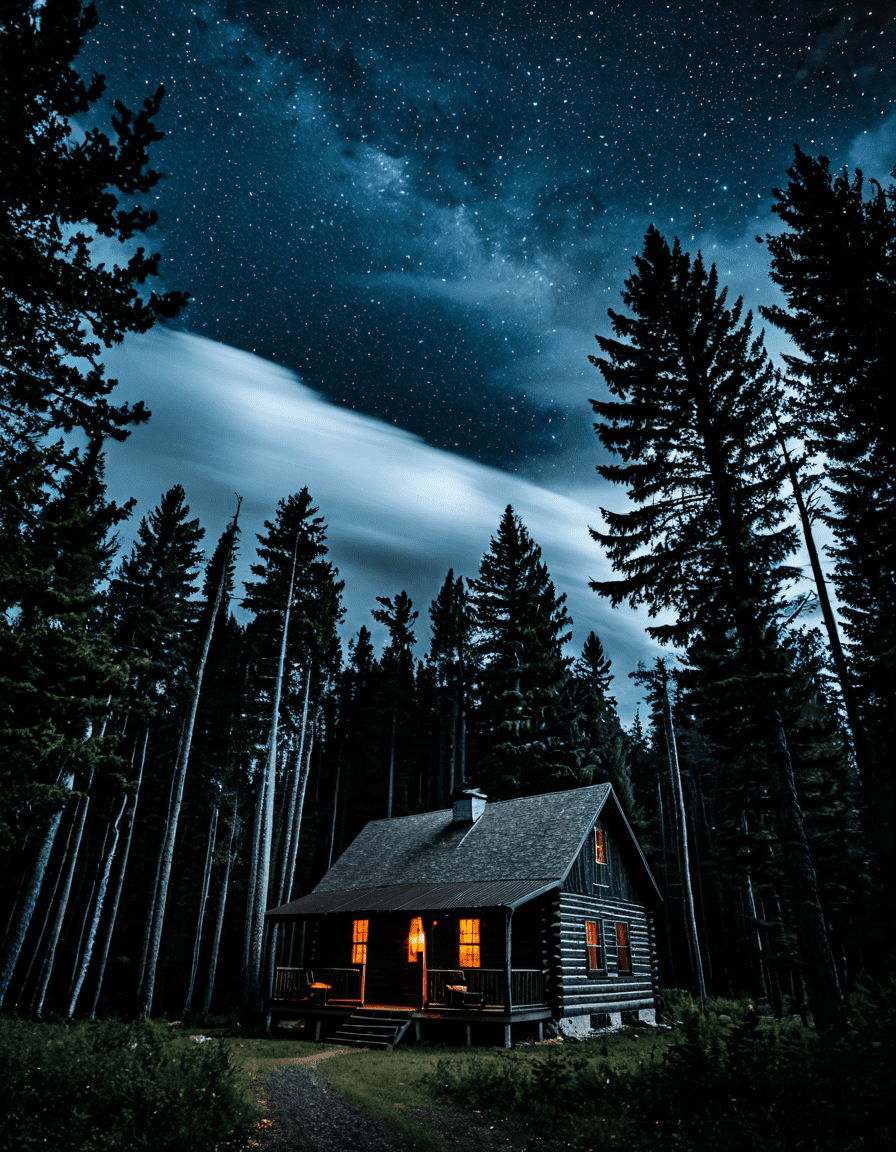
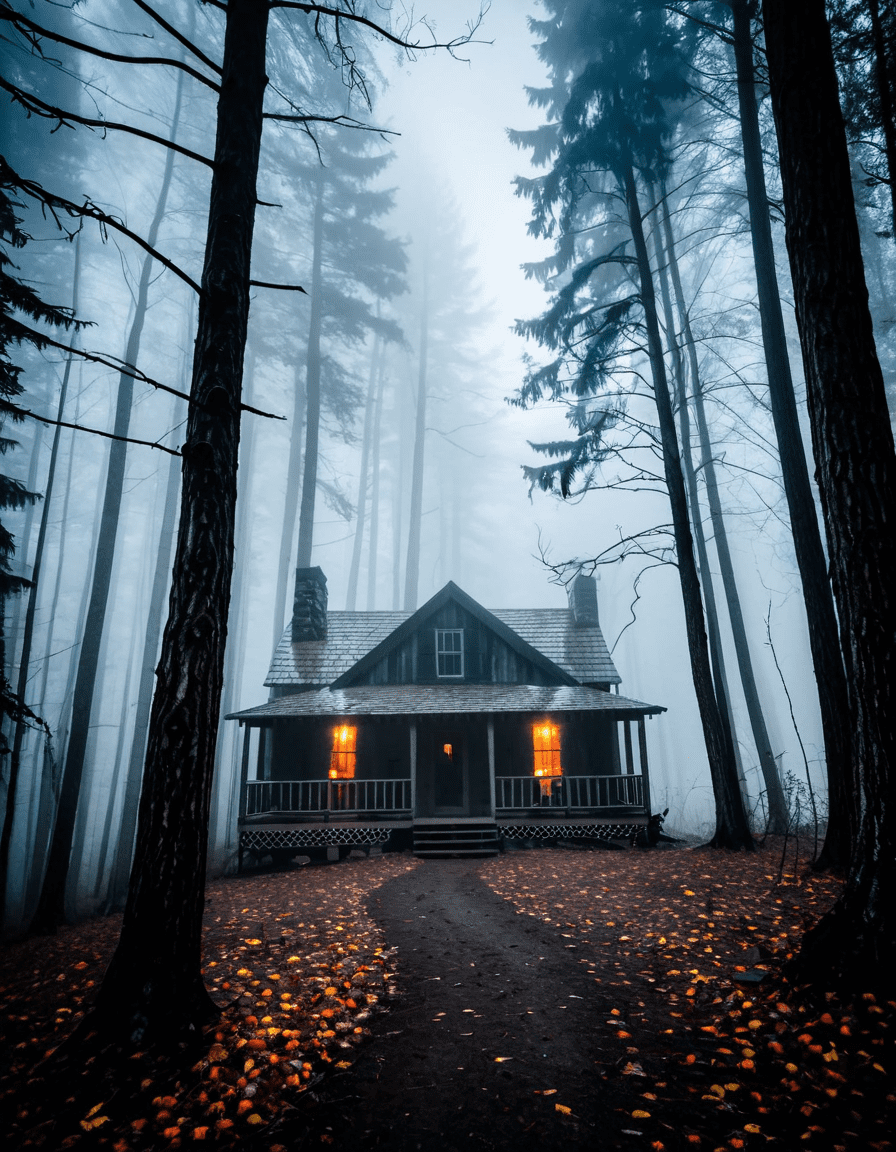
Ah, the cabin! It’s more than just a backdrop for slasher antics; it represents isolation, the loss of innocence, and, really, the full-on confrontation with primal fears. It lures friends away from reality, promising a cozy retreat only to morph into a sinister trap. Talk about a frightening take on the rustic charm that’s all too familiar in vacation brochures! It’s as if the cabin is in on the joke, playing a deadly game of hide-and-seek with the horrors to come.
7. Behind-the-Scenes Dynamics
Let’s give a round of applause to Drew Goddard and Joss Whedon. Their chemistry and creative spark are what drive this film from a script to a cinematic ride. They blended multiple genres—horror, humor, satire—into a delightful cocktail of chaos that keeps audiences guessing. The screenplay underwent multiple iterations, turning out to be a perfect mix that balances genuine fear with unexpected twists. Behind the scenes, it’s pure artistry at work, folks!
Disturbingly Compelling: The Legacy of Cabin in the Woods
In examining the rich layers of Cabin in the Woods, it’s clear that the film serves as more than just a horror spectacle; it’s a clever exploration of human nature, voyeurism, and storytelling itself. By intertwining the cozy image of a cabin—evoking nostalgic moments akin to Little House on the Prairie—with spine-chilling elements, it encourages us to reconsider our views on safety and tradition. With its mix of humor, gore, and insightful commentary, this film continues to resonate, challenging viewers to dig deeper. As society evolves, so too does the conversation around horror, ensuring that Cabin in the Woods remains a captivating and ever-relevant topic for fans and scholars alike.
So, next time you settle in for a scare-fest with friends, remember to reflect on the layers beneath the spookiness. And who knows, maybe you’ll find yourself rewatching Cabin in the Woods with fresh eyes—after all, it’s packed with shocking secrets that keep horror lovers coming back for more!
Cabin in the Woods: Shocking Secrets Behind the Horror Classic
Behind the Scenes Fun
Did you know that Cabin in the Woods had some unconventional influences? The film’s writers drew inspiration from the horror genre’s iconic tropes, twisting them in a way that left audiences equal parts amused and terrified. For instance, the character of the “Harbinger” pays homage to classic horror figures while adding a fresh twist that gives us that delightful shiver up our spines. And speaking of fresh, did you catch the subtle nods to pop culture? The film slyly tips its hat to music legends like Billy Idol, whose tunes echo through various scenes, heightening the tension and nostalgia at the same time.
Clever Easter Eggs
While watching Cabin in the Woods, keep your eyes peeled for some clever Easter eggs scattered throughout! Sure, the main characters might be caught up in their fight for survival, but keen viewers will spot references to cult classics like Avatar: The Last Airbender cast members, who bring a sense of nostalgia for fans of animated adventures. Additionally, the film’s clever dialogue often alludes to real-life experiences, including candid snippets from celebrity interviews with icons like Ricki Lake. You wouldn’t believe the layers of humor and horror woven into the script!
A Unique Design Approach
One particularly interesting aspect of Cabin in the Woods is its use of colors and design to evoke emotion. The filmmakers worked hard to create vibrant atmospheres, contrasted with the stark horror scenes that unfold within those walls. Fun fact: the film’s dynamic cinematography relies partly on the psychology of colors. Ever wondered why certain scenes made you feel anxious? The film’s hue palette, especially prominent in the portrayal of the evil force, plays a huge role, drawing parallels to the color yellow, which evokes feelings of caution and discomfort. Furthermore, the connection between fear and the inexplicable moments, like those hinted at in Tron Legacy, provides depth, making the seemingly straightforward cabin turn into a multi-layered nightmare experience.
So, the next time you dive into Cabin in the Woods, remember these nifty tidbits. You’ll find yourself laughing and shivering, all while having a newfound appreciation for the film’s clever design and unexpected intricacies. Whether you’re a die-hard horror fan or just looking to enjoy a movie night, these secrets add an extra dose of excitement to your viewing!