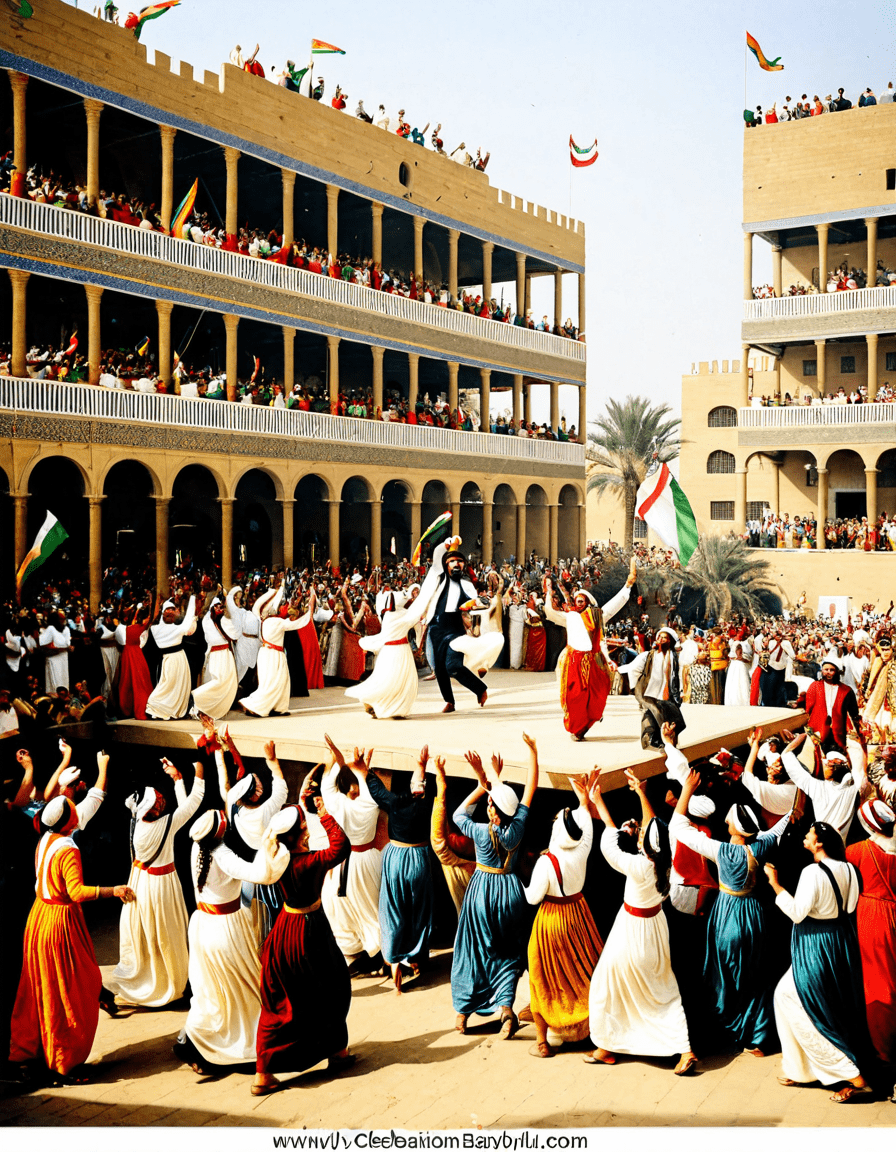
Welcome, fellow explorers! Grab your time-traveling gear, because we’re diving headfirst into a legend: Babylon. This city, tucked away in modern-day Iraq, has been captivating hearts and minds for centuries with its grandeur and rich culture. You see, Babylon isn’t just a name from history books; it’s a vibrant tale woven into the fabric of ancient civilization, illuminating the path of human progress. From its monumental structures to its cultural vitality, Babylon embodies the fascinating journey of humanity’s early societies. So, let’s uncover its hidden gems!
The Top 7 Marvels of Babylon: A Journey Through History
Join me as we embark on a thrill-packed journey through the seven wonders of Babylon, which not only showcase its remarkable culture but also demonstrate its architectural genius!
1. The Hanging Gardens of Babylon
Picture this: lush green terraces teeming with exotic plants, waterfalls cascading down ancient stones. That’s the legendary Hanging Gardens of Babylon, folks! Rumored to be built by King Nebuchadnezzar II for his wife, this paradise was more than just a pretty sight; it was an engineering marvel. Scholars argue about whether these gardens actually existed (some think it may have been in Nineveh instead), but the accounts from Greek historians sure paint a picture worth imagining.
2. The Ishtar Gate
Prepare to be dazzled by the Ishtar Gate, the grand entrance to Babylon completed in 575 BCE. With its stunning blue-glazed bricks adorned with dragons and bulls, this architectural wonder was like the Eiffel Tower of its time—impressive and unforgettable! Now, if you happen to find yourself in Berlin, be sure to check out this masterpiece at the Pergamon Museum. You might want to whip out your phone for a photo—your Instagram followers will thank you!
3. The Tower of Babel
Ah, the Tower of Babel—a symbol of humanity’s ambition, or maybe just our tendency to bite off more than we can chew. This towering behemoth represents the biblical story of humans trying to reach the heavens, only to have their plans thwarted by a little language confusion. Whether you see it as myth or history, it sparks thoughts on unity and the colorful tapestry of languages we use today. A nod to Babylon’s role in shaping our communication is surely in order!
4. The Code of Hammurabi
Let’s talk law! The Code of Hammurabi was groundbreaking in its day, offering a set of 282 laws that guided Babylonian society. Picture it: a time when rules were etched into stone for all to see! This legal framework laid the foundation for justice systems that followed and remains influential even today, echoing through various cultures. It’s like the original smartphone—setting the standard for communication and organization.
5. Ziggurat of Etemenanki
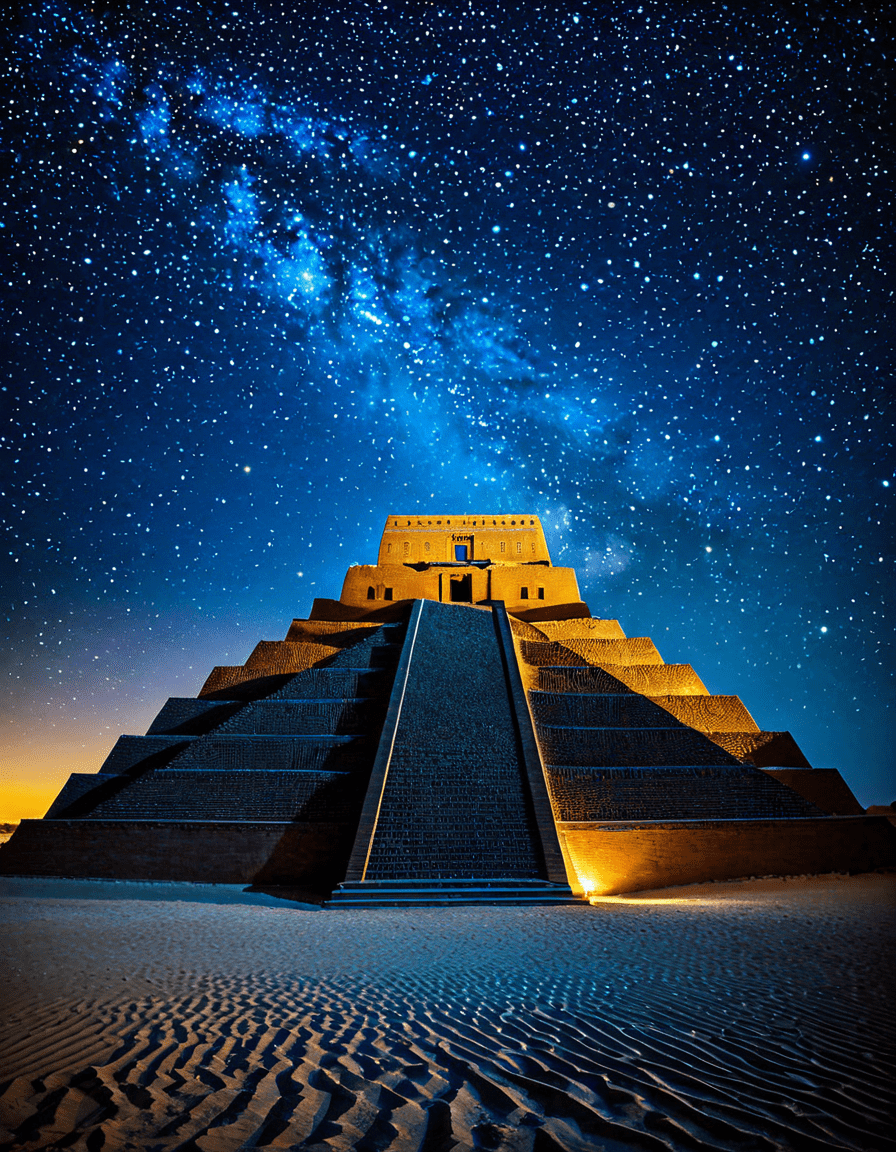
Next up, we have the Ziggurat of Etemenanki, the potential inspiration for that fanciful Tower of Babel story. Dedicated to Marduk, it was a sight to behold, towering over Babylon as a multi-tiered temple. This ziggurat wasn’t just a building; it illustrated the Babylonians’ devotion and showcased their architectural creativity. Imagine their pride looking up at this magnificent structure!
6. Babylonian Astronomy and Mathematics
Did you know that Babylon was a hotspot for astronomy and mathematics? The Babylonians developed an intricate understanding of celestial movements, distinguishing themselves in the realm of sky-watching. They even created the base-60 numeral system, which influences how we measure time and angles today! So next time you glance at your watch, give a little nod to those early Babylonians for keeping time neat and tidy.
7. The Cultural Exchange in Babylon
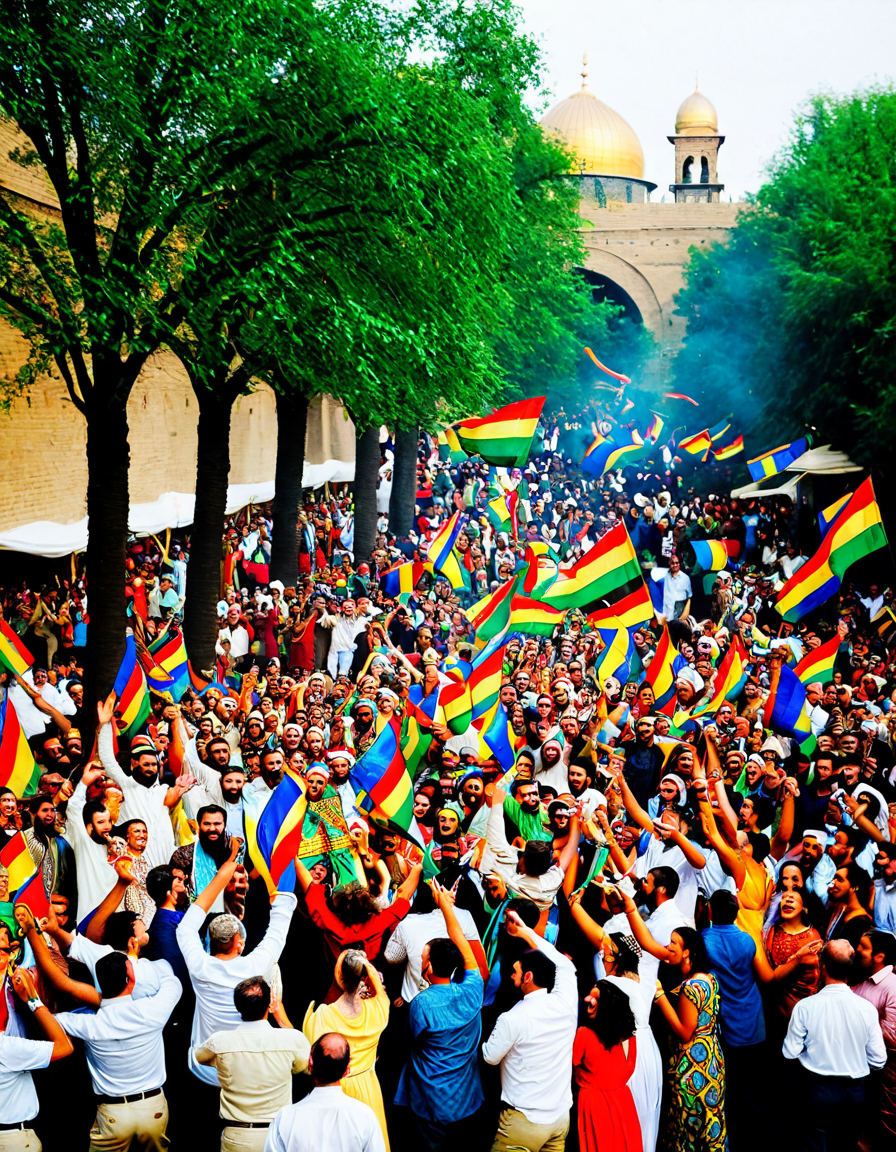
Babylon served as a bustling hub of trade and interaction, where various cultures converged like stars in a constellation. Its strategic location led to a vibrant exchange of ideas, art, and literature, paving the way for some of the earliest forms of writing. This melting pot atmosphere allowed creativity and innovation to flow freely, shaping the world for centuries to come! Imagine the lively conversations around the marketplace—sounds like a scene from a blockbuster, doesn’t it?
The Legacy of Babylon: Reflections on its Influence in Modern Times
Fast forward to today, and Babylon lives on, not just in ruins but in the very essence of our culture. Its influence permeates art, literature, and even film, offering inspiration for countless creators. For example, the timeless themes explored in “The Epic of Gilgamesh” resonate with us still—think of it as the precursor to modern storytelling.
Moreover, those cinematic depictions of Babylon, seen in films like “The Passion of the Christ,” educate and entertain alike. They bring this ancient city into our living rooms, reminding us of its enduring spirit. And let’s not forget the rise of digital translations of Babylonian texts, rekindling interest in the riches that ancient knowledge holds.
As we reflect on the legacy of Babylon, we find a mirror to our own existence. Its triumphs and failures teach invaluable lessons about resilience and innovation, allowing us to learn from the past while paving the way for a brighter future. So, when you ponder the wonders of Babylon, remember: it’s not just about ancient bricks and mortar. It’s a beacon illuminating our human journey, urging us to continue exploring, creating, and growing!
So what are you waiting for? Dive into the marvels of Babylon, and perhaps you’ll find a new spark of inspiration for your next adventure—whether that’s in your garden or in a blockbuster film!
Babylon: The Legendary City of Wonders and Rich Culture
Fascinating Insights into Babylon
Babylon is one of the most celebrated ancient cities, known for its stunning architecture and rich cultural heritage. It was once the capital of ancient Mesopotamia and showcased remarkable advancements in art, science, and governance. Did you know that the famous Hanging Gardens of Babylon were considered one of the Seven Wonders of the Ancient World? While historians still debate their exact location, it’s said they were built by King Nebuchadnezzar II for his wife, Amytis, who missed the lush hills of her homeland. Talk about romance! Much like modern influences, such as the stunning talent of Hong Chau who captivates audiences today, Babylon left an indelible mark on history with its innovations.
Speaking of landmarks, the Ishtar Gate was another marvel of Babylon. Adorned with vibrant blue tiles and ornate reliefs of animals, it was a symbol of the city’s power and a grand entrance for those arriving at Babylon. This bright gate was not unlike mythical places depicted in tales like those in the life of confucius, who sought to instill wisdom and morality. As you explore the remnants of Babylon, you can practically hear the whispers of ancient philosophers echoing through time.
Cultural Crossroads and Legacy
Babylon was a melting pot of cultures, where diverse influences converged in a vibrant tapestry of languages, traditions, and beliefs. Think of it as the original hub for artists, scholars, and tradespeople—much like how today’s celebrities influence trends and lifestyles. For instance, just as Khloe Kardashian ’ s son embodies a modern legacy, Babylon’s enduring impact is felt in various fields such as mathematics, astronomy, and even agriculture.
Moreover, the city’s significance extends to various realms of storytelling and entertainment, akin to the classic tales featuring the Prince Caspian cast. Babylon’s narratives of human ambition and creativity inspire generations of storytellers and audiences alike. In essence, Babylon isn’t just a historical site; it’s a continuing source of inspiration for those looking to create and understand the human experience.
The influence of ancient Babylon stretches into today’s creative expressions, reminding us of the rich narratives that shape our interests and aspirations—much like the challenges faced by athletes in the competitive world of sports like Caitlin Clark in The Wnba. The resilience, innovation, and determination associated with Babylon still resonate, encouraging us to dream big and strive for greatness.