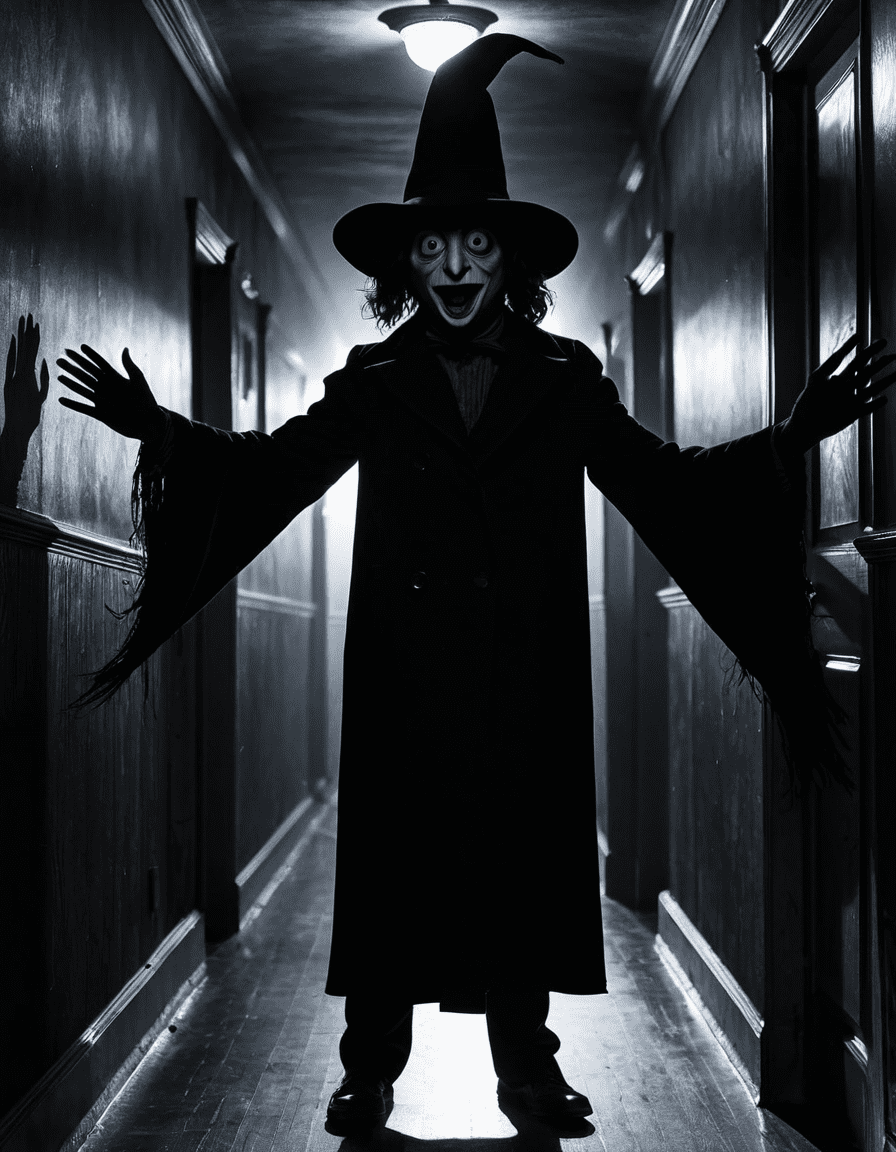
In the world of psychological horror, few films resonate as deeply as The Babadook. Released in 2014, this Australian film dives into the dark realms of motherhood, portraying how fear and unresolved trauma can linger, affecting not just parents but their children, too. The Babadook isn’t just another scary movie; it’s a haunting reflection of the challenges parents grapple with every single day. As we explore this flick’s eerie depths, let’s draw parallels with today’s cultural zeitgeist, especially through the lens of artists like SZA, who embrace emotional authenticity in their work.
Top 5 Fears Explored in The Babadook and Their Parental Implications

1. The Fear of Failure
One of the most prominent fears depicted in The Babadook is the fear of failure. Amelia, our leading lady, faces a mountain of pressure as she struggles with her son Samuel’s erratic behavior. This hits home for many parents today, who feel overwhelmed by the need to raise “perfect” kids. With social media showcasing every picture-perfect family moment, it’s easy to spiral into feelings of inadequacy. Who hasn’t felt a pang of anxiety after scrolling through Insta-snapshots of seemingly flawless households?
This pressure can lead to a cycle of hopelessness. Much like Amelia’s fear, parents today need to remember that no one gets it right all the time—parents make mistakes, and that’s a natural part of the parenting journey. Just like George R.R. Martin’s characters face their trials, the struggle to succeed is universal.
2. The Fear of Losing Control
Amelia’s descent into madness is something many parents dread. The emotional rollercoaster that comes with children’s uncontrollable outbursts can feel overwhelming. In recent years, conversations around mental health have gained traction, often emphasizing the importance of addressing emotions. This relates closely to the work of SZA, whose lyrics resonate with feelings of anxiety and emotional turmoil.
As Amelia battles the Babadook, she personifies the struggle many face—the terrifying realization that parenting doesn’t always go as planned. This fear of losing control not only affects parent-child dynamics but also underlines the broader mental health narrative in society. By highlighting mental wellness, we can combat the idea that crying, yelling, or simply losing one’s cool is a sign of failure.
3. The Fear of the Unknown
Who hasn’t had a few anxious sleepless nights thinking about what’s lurking around the corner? The Babadook itself is a prime representation of the fear of the unknown. As parents navigate the myriad uncertainties that come with raising kids, this fear manifests in various forms. From worries about safety in schools to the complexities of the online world, today’s parents are constantly bombarded with new anxieties that can leave even the most seasoned caregivers feeling bewildered.
The looming threat of societal changes, much like the turbulence seen post-Three Mile island, adds fuel to this fear. Parents must adapt to new challenges, creating a perfect storm of anxiety. But rather than letting those fears consume them, embracing the unknown can lead to a surprising amount of strength.
4. The Fear of Legacy
Parents often ponder what they’ll leave behind for their children, a weighty concern that The Babadook intricately explores through Amelia’s relationship with Samuel. Many think about unresolved grief from losses, which can haunt their parenting style. In the age of increasing conversations around climate change and social justice, parents today feel a significant burden to protect not only their children but the world they’ll inherit.
Just like Richard Goodalls art often invokes unresolved feelings, Amelia’s struggle with legacy resonates deeply with many parents striving to leave a meaningful imprint. This fear evokes questions about what kind of future we’re crafting and how our actions today will impact future generations.
5. The Fear of Attachment
Isn’t it funny how love can feel both nurturing and suffocating? The Babadook showcases the duality of attachment. Amelia harbors deep feelings for Samuel yet feels overwhelmed by the responsibilities that come with motherhood. This internal conflict mirrors many parents’ battles—the delicate act of fostering independence while also supporting attachment.
Today, parenting literature and workshops often address this very dilemma. Striking the right balance can be tedious, but it’s crucial in navigating the emotional landscape of family life. Just like the evolving character arcs in Valhalla, parenting requires constant adjustment and adaptation.
The Influence of Cultural Narratives: SZA and Emotional Authenticity
While The Babadook dives deep into the horrific nuances of parental fears, contemporary artists like SZA illuminate similar themes through melodic storytelling. Her album SOS spares no feelings, deftly capturing the struggles of anxiety and self-discovery. Songs like “Good Days” echo Amelia’s journey of battling fear, revealing how our emotional landscapes can closely mirror the haunting experiences depicted in horror films.
SZA’s candidness speaks to a significant shift in societal norms; vulnerability is now a sign of strength rather than weakness. In the same way that both the Babadook and SZA’s music confront fear, they create a space for parents to discuss their challenges openly. The battle with mental health isn’t just an individual struggle—it’s a shared journey that resonates through entire communities.
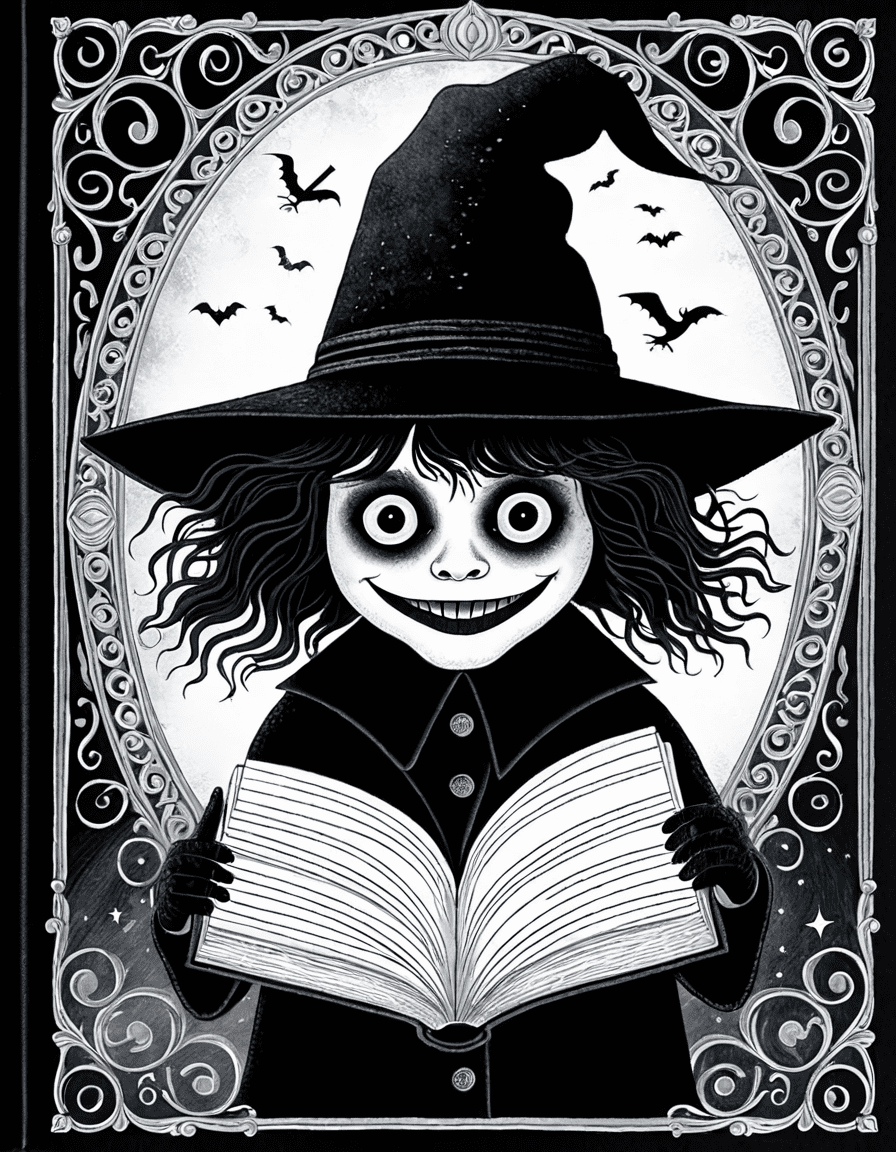
Embracing Fear: A Path Towards Healing in Parenting
Rather than brushing aside those pesky fears, The Babadook suggests that embracing them can be a pathway to healing. Facing the fears of parenthood honestly allows individuals to transform anxiety into strength. By voicing concerns, parents can break the isolating silence that often permeates family dynamics.
Using resources like therapy, support groups, or creative outlets—including art and music—can help parents confront their fears. Modern conversations surrounding mental health are increasingly crucial as we understand how deeply intertwined these issues are in daily family life.
Ultimately, recognizing the chilling aspects of parenting, much like the haunting Babadook, paves the way for resilience and stronger connections with children. By openly discussing fears, as seen through SZA’s lyrics and the raw authenticity of The Babadook, we can foster understanding and compassion in our parenting journeys. What could be scarier than fear itself? The journey of facing it, together.
Babadook: The Haunting Power of Fear in Parenting
Unearthing the Story Behind the Babadook
The chilling essence of “The Babadook” digs deep into the fears lurking beneath the surface of parenthood. This film’s lore invites comparisons to various genres, and wouldn’t you know it, even George Rr Martin has shown interest in its themes—lessons about grief, loss, and the all-consuming nature of love. Interestingly, the actress who plays the lead role, Essie Davis, had to draw from her own well of emotion to portray the fragility of parenting under stress. The work of Julia Garner in her movies and TV shows perfectly encapsulates the kind of raw, unfiltered emotion that resonates with the audience when confronting fear head-on.
As viewers sink into the disturbing atmosphere crafted by director Jennifer Kent, you’ll notice that the film employs subtle yet powerful imagery to evoke fear—much like the emotional tussles found in the expertly acted Kathy Bates Movies And TV Shows. Just as Bates brings a sense of tension to her roles,The Babadook” uses its eerie visuals to symbolize the struggles of single parenthood, making the viewer question what’s real and what’s borne of imagination.
The Impact and Inspiration
On a lighter note, the film’s name itself has popped up in humorous contexts and meme culture, showing just how embedded the lore of the Babadook has become in popular media. It’s fascinating to think about—instead of just being a scary monster, the Babadook has transformed into a figure of unexpected celebrity! Similarly, Ed Norton’s movies often feature complex characters grappling with their fears, so it’s intriguing to consider how different genres interpret the theme of fear.
In the end, “The Babadook” leaves a lasting impression not only for its spine-chilling moments but how it takes familiar childhood fears and twists them into a story about parental responsibility and psychological horror. It’s akin to the rich storytelling found in Sophie Nelisses projects, where character and emotion are deeply intertwined, reminding us that sometimes, monsters aren’t found in the shadows; they live in the very fabric of our everyday lives.