Released in 2019, 1917 directed by Sam Mendes isn’t just a film; it’s a defining moment for war cinema. Set against the backdrop of World War I, the movie has changed the rules of engagement in filmmaking, marrying innovative techniques with deeply emotional storytelling. Let’s dive headfirst into what makes 1917 a magnificent achievement, and why it’s a flick that’ll have audiences raving long after the credits roll.
The Legacy of 1917 in War Cinema
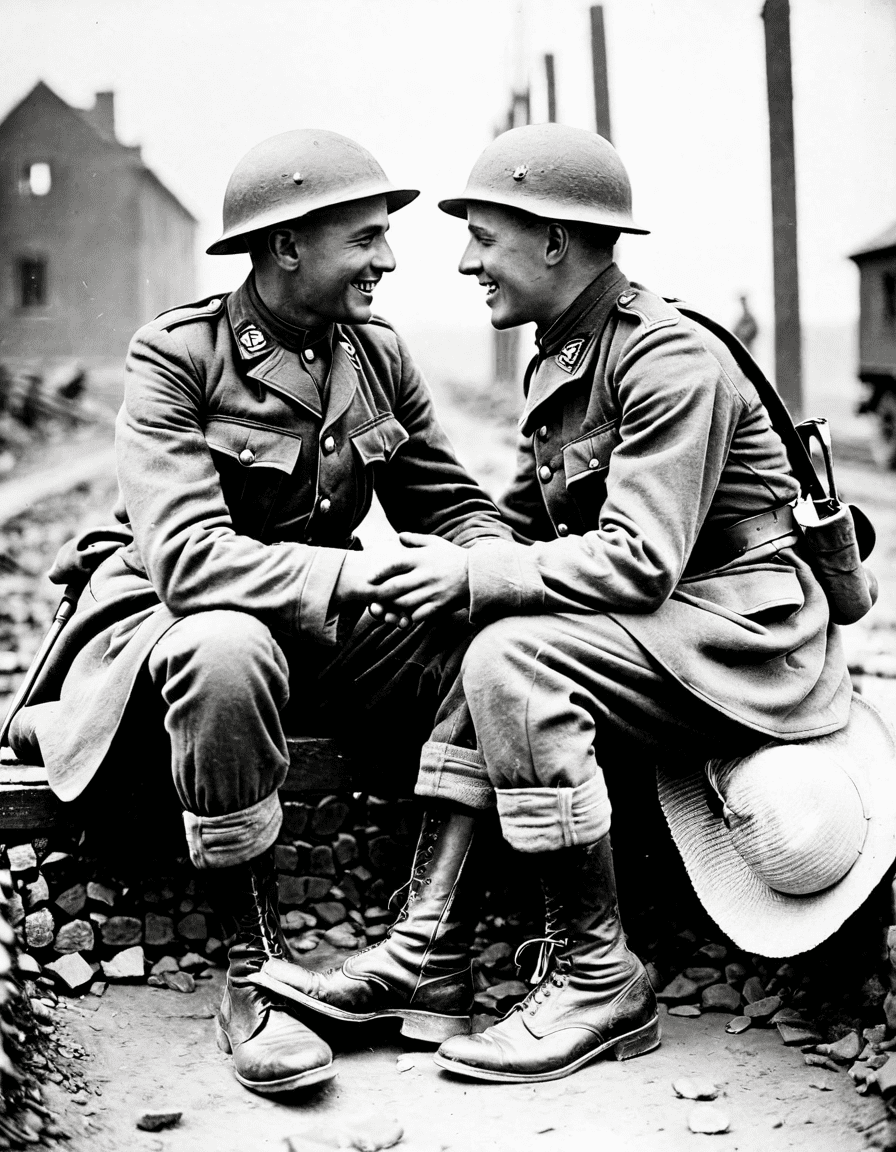
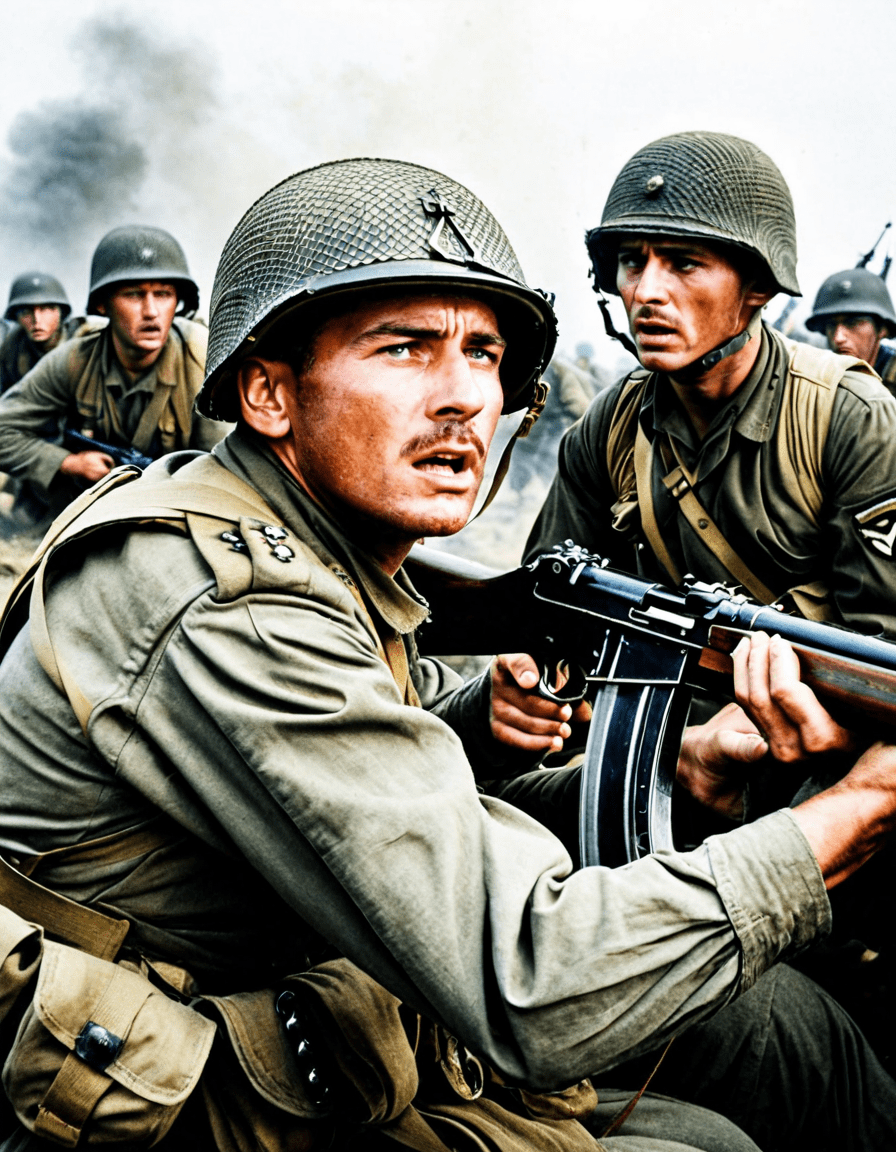
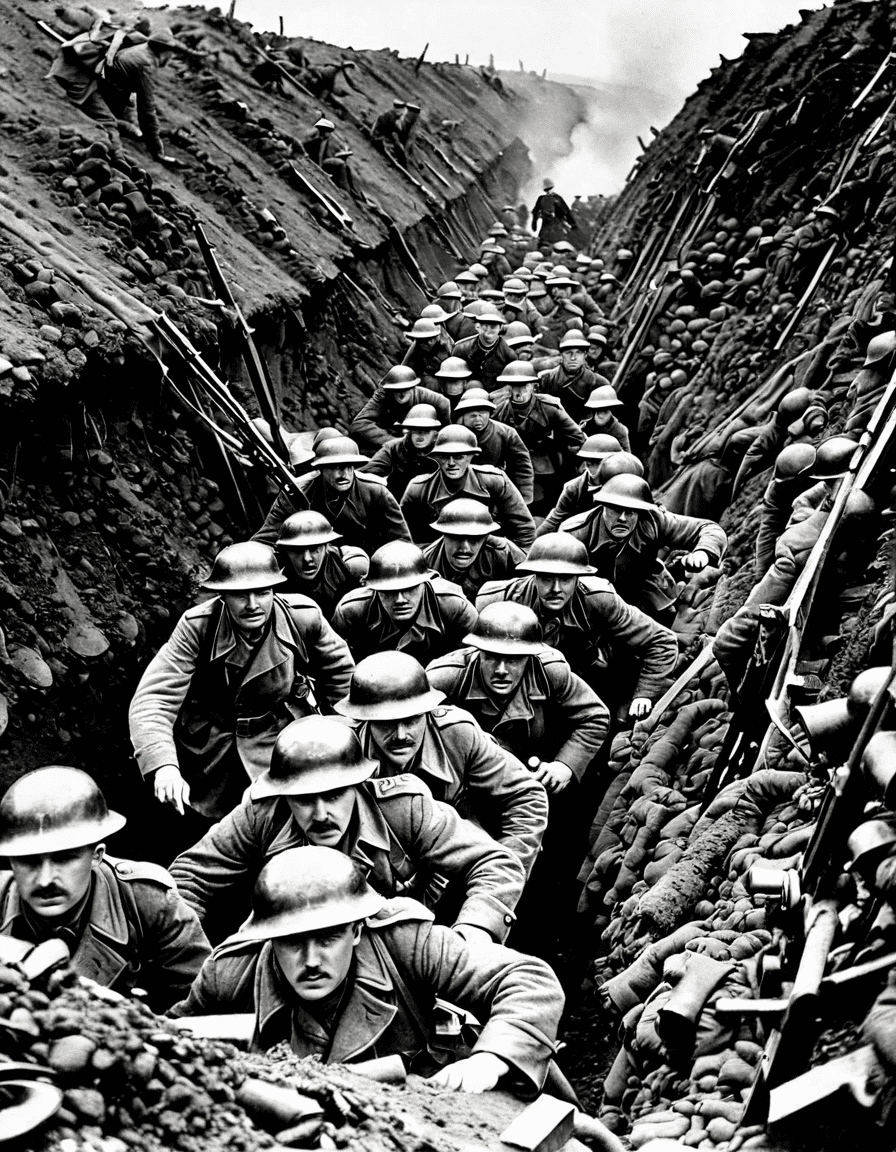
War films have always held a mirror to society, but 1917 takes that concept to a new level. By immersing viewers in the very gut of battle with its groundbreaking visual storytelling, they don’t just watch the film; they live it. This approach is somewhat akin to Alfred Hitchcock’s suspenseful techniques—keeping viewers at the edge of their seats but for a whole different reason. In an era where CGI could easily replace muddy trenches and chaotic battles, Mendes chose authenticity, crafting a narrative that’s both tactile and harrowing.
One key element of 1917’s legacy involves the visceral representation of war. Unlike its predecessors that often glorify the battlefield, this film strips away the glamor and presents a raw, honest look at the horrors faced by soldiers. But how does it accomplish this? Well, let’s explore some of the groundbreaking techniques that created this cinematic gem.
7 Groundbreaking Techniques That Defined 1917
1917 dazzles audiences with its seamless continuous shot technique. Mendes and cinematographer Roger Deakins make the viewer feel like a soldier on the run. It’s like being thrust into a virtual reality game, where you’re dodging bullets and running for your life. This “one-shot” illusion not only amps up the tension but also makes every heartbeat of the characters palpable.
Nothing says “you’re in a war zone” quite like the sound of artillery booming in the distance, does it? The diegetic sound design of 1917 enhances the experience. From the whispers shared between soldiers to the thunderous roars of conflict, the audio drags you into the intensity of every moment. It’s as if you can almost feel the dirt in your lungs while you listen.
Mendes brought authenticity to life, choosing real locations and creating stunning set designs that elevate the atmosphere of the film. The fields, trenches, and obliterated villages resemble the haunting realities that soldiers lived through during WWI. It feels more raw than a Borat swimsuit skit! You can almost smell the smoke and sense the despair with how meticulously everything was put together.
Roger Deakins’ cinematography is nothing short of breathtaking. The clever use of natural light and shadow creates a striking visual palette, while also paying homage to cinematic giants from the past like Griffith and his pioneering techniques. Deakins’ camera work gives the audience a front-row seat to the chaos while embracing the poetry of war’s brutality.
Unlike many war films that focus on grand battles, 1917 takes a more personal approach. By concentrating on two characters, Schofield and Blake, Mendes allows audiences to bond with them, sharing their fears and hopes. Watching them navigate war’s hellish landscape feels like witnessing your own friends struggle through a gothic tale of bravery and survival.
Mendes knew that pacing could make or break the film. By interweaving intense action sequences with quieter moments of reflection, he keeps viewers engaged while raising their emotional stakes. The ebb and flow of despair and hope within 1917 makes it a powerful viewing experience that prompts pauses for thought—almost like pondering the choices of Tony Romo during a crucial NFL playoff game.
At its core, 1917 resounds with themes of sacrifice and camaraderie. These are universal lessons that resonate across time and cultures, reminding us of the importance of brotherhood during tough times. It nudges viewers to reflect on the sacrifices made by not just soldiers, but by anyone who stands up for what’s right.
The Cultural Impact of 1917
The influence of 1917 extended beyond film festivals and award shows. Winning three Academy Awards solidified its place in cinematic history. The film challenged how warfare is portrayed on screen and sparked lively discussions among cinephiles and casual viewers alike. Quite a feat for a war movie! The success of 1917 paved the path for newer films such as All Quiet on the Western Front and Dunkirk to explore the intimate sharing of battle experiences.
It’s almost uncanny how directors are now leaning into emotionally rich storytelling that echoes Mendes’ approach. Audiences expect that immersive experience, and filmmakers are rising to the occasion.
How 1917 Influenced Modern Filmmaking Techniques
So where does 1917 fit into today’s cinematic puzzle? Its “one-shot” aesthetic has spread far beyond war movies. For instance, HBO’s Euphoria skillfully incorporates similar filming techniques to amplify emotion and tension in its storytelling. Whether it’s gritty high-school drama or heart-pounding action, filmmakers are increasingly borrowing from Mendes’ playbook, enhancing the overall impact of their narratives.
Moreover, the lessons learned in 1917 have reshaped documentary filmmaking too, encouraging filmmakers to adopt a more hands-on and engaging approach. The code of cinematic storytelling has been rewritten, encouraging a deeper connection between characters and audiences.
An Unprecedented Achievement in Cinema
Where does 1917 leave us as we dive deeper into the 2020s? Let’s face it: the film reshaped perceptions in the art of filmmaking. Mendes and his team opened new doors by creating an experience that goes beyond mere entertainment. They’ve challenged viewers to think about the brutality of war while being utterly captivated.
1917 remains a touchstone for filmmakers looking to transcend conventional storytelling and explore new depths of human emotion. It’s not just a film; it’s a reminder of the risks and sacrifices that define humanity. And in a world where cinema can sometimes feel like an endless loop of recycled ideas, 1917 stands out as a breath of fresh air, inviting future generations to rethink how war—and life—should be portrayed on screen. So grab your popcorn, folks—this masterpiece isn’t just for the war buffs; it’s for everyone willing to experience something riveting.
1917: A Cinematic Masterpiece of War Filmmaking
Behind the Scenes of 1917
Did you know that “1917” wasn’t just a war film but a technical marvel that took over 12 hours of continuous shooting to capture its iconic one-shot appearance? Director Sam Mendes and cinematographer Roger Deakins crafted the film to immerse viewers into the chaos and intensity of WWI. Speaking of immersive experiences, filmmaking has evolved considerably over the years; just take a look at the early works of D.W. Griffith, who laid much of the foundation for modern cinema. His innovations, much like those in “1917, pushed boundaries (check out more about Griffith’s legacy here).
Another fascinating tidbit is that the film was inspired by Mendes’s grandfather, who served in the war. These personal stories often drive filmmakers to create poignant narratives. Just like Mae Jemison, who inspired countless with her journey from Earth to space, Mendes used his family’s history to create something that resonates deeply with audiences. It’s astonishing how personal experiences can influence extraordinary storytelling!
The Star-Studded Cast and Their Performances
As for the film’s cast, Dean-Charles Chapman and George MacKay led the charge, delivering gut-wrenching performances that kept viewers on the edge of their seats. Interestingly, while MacKay was busy dodging enemy fire, actress Loni Anderson might’ve been dodging rumors of her legendary career in Hollywood. It’s fun to think about how stars in different movies can evoke varied emotions, much like Vlad The Impaler is a character that strikes fear and intrigue with his notorious past.
And what could “1917” possibly share with a quirky viral sensation like the Borat swimsuit? Everything! The film pushed the envelope in its own way, challenging Hollywood’s conventions just like the iconic Borat character did when it hit our screens. It’s eccentric pieces of pop culture that remind us how art can take many forms and sometimes cross paths in the most unexpected ways.
Cinematic Innovations and Techniques
The filming techniques employed in “1917” are so impressive that they set a new standard for immersive war epics. The seamless transitions and breathtaking scenes made audiences feel like they were right there on the front lines, much like an omniscient observer watching history unfold. This storytelling method evokes intense emotions, bringing to mind the twists and turns in a sports game, something Tony Romo may appreciate given his expertise in narrating pivotal moments on the football field.
The intricate designs of the sets and the atmospheric qualities of the film can be likened to gothic themes that have long captivated audiences. Elements of darkness and realism paint a picture of a shattered world during the war, creating a dreamlike yet haunting experience.1917″ encapsulated the essence of humanity in the chaos—all crafted through the lens of filmmaking that constantly evolves and adapts. It’s a timeless reminder that the art of cinema continues to push boundaries while connecting us through powerful stories.