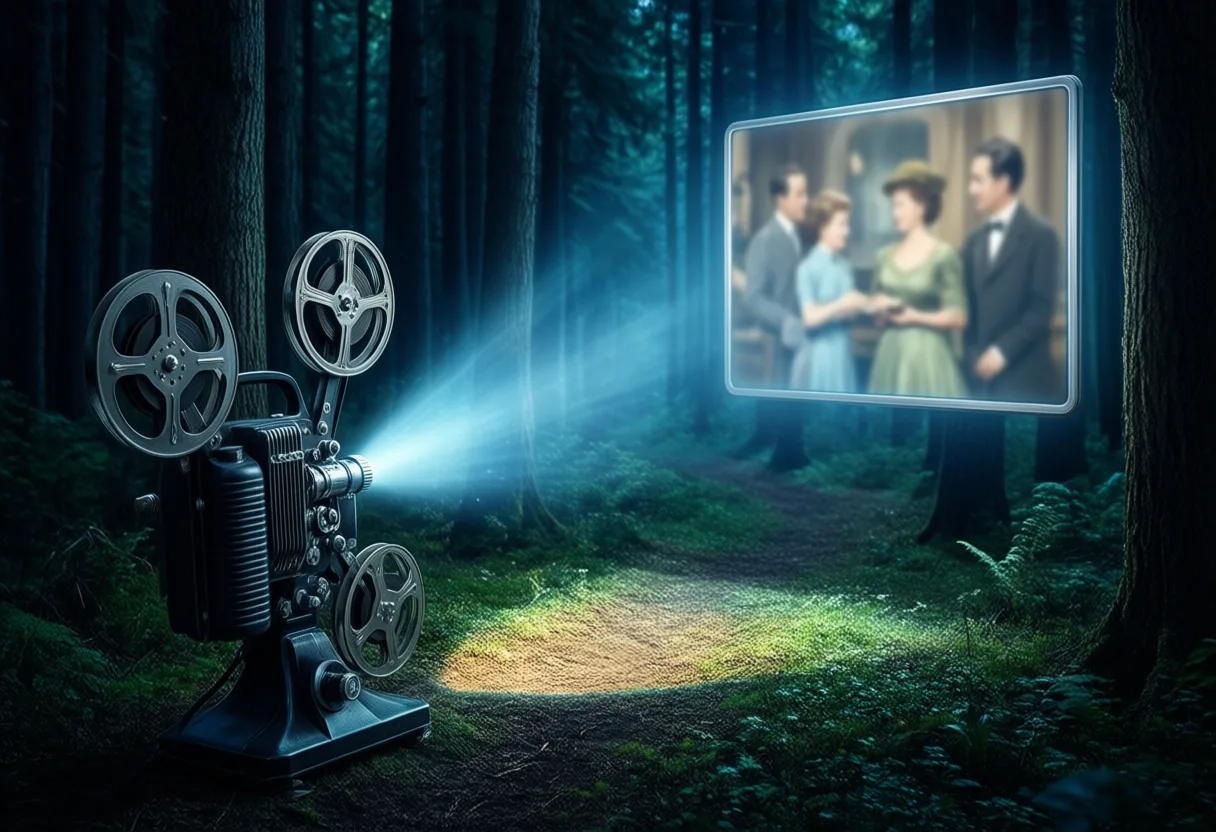

A Cosmic Thriller That Delivers on Every Level
Space has always been the ultimate stage for human courage and curiosity. In Project Hail Mary, that vast, star-speckled canvas becomes both a prison and a promise-one where survival hinges not just on intellect, but on connection across unimaginable distances. From the first flicker of light in an empty cockpit to the final, breathless moments of reentry, this is a film that doesn’t just reach for the stars-it grabs them.
Critics have praised how the story balances hard science with raw emotion, turning equations into edge-of-your-seat drama. The isolation of Deep space Isn’t just a backdrop; it’s a character in itself, pressing against the hull like silent dread. Yet within that silence blooms something unexpected: hope, forged in the quiet exchanges between two beings who shouldn’t even be able to understand each other.
With its deliberate pacing and meticulous attention to detail, the film avoids the trap of spectacle-for-spectacle’s-sake. Instead, every thruster burn, every data readout, feels earned. It’s not about blowing things up-it’s about holding on, learning, adapting. And when the stakes finally snap into focus, you realize you’ve been holding your breath the whole time.
What Makes This Space Mission Feel So Real?
There’s a moment early on when the protagonist wakes up confused, disoriented, surrounded by blinking panels and half-remembered memories. That confusion isn’t just his-it’s ours. The film refuses to handhold, trusting us to piece together the mission’s purpose alongside him. And that trust pays off in spades.
The science here doesn’t feel like set dressing. Whether it’s calculating orbital decay or improvising fuel mixtures from alien compounds, the problem-solving drives the plot forward like a heartbeat. You don’t need a PhD to follow along-just curiosity and attention. Like Project Hail Mary, the movie treats intelligence as heroic, not elitist.
Small details sell the authenticity: the way food paste clings to the spoon in zero-G, the muffled clang of boots on metal grating, the subtle shift in lighting as the ship tilts toward the sun. These aren’t flourishes-they’re anchors. They tether the fantastical to the tangible, making the impossible feel inches away.
Even the silence speaks volumes. Without the constant hum of Earth-bound life, every sound gains weight. A cough echoes. A keyboard click cuts through the void. And when music finally returns-sparse, hesitant-it feels like rediscovering color after years in grayscale.

Beyond the Final Frontier: Character Depth in a High-Stakes Environment
At its core, this isn’t just a story about saving Earth. It’s about what happens when one man, stripped of everything familiar, rediscovers who he is-not through grand speeches, but through choice after quiet choice. His evolution isn't loud; it's etched in glances at photos taped to the wall, in the way he hesitates before deleting old logs.
His relationship with the alien contact-tentacled, golden-eyed, communicating in rhythmic pulses-is nothing short of revelatory. There are no universal translators handed down by fate. Communication is built, brick by awkward brick, through shared experiments, laughter over failed chemistry, and the slow dawning of mutual respect. It’s friendship born not of convenience, but of necessity-and something deeper.
We see ourselves in their collaboration: flawed, curious, desperate to connect. Their bond defies biology and language, rooted instead in something more fundamental-the desire to Do good, even if no one ever knows your name. And when they stand side by side-human and alien, pilot and scientist-the screen seems to glow with quiet triumph.
This emotional center elevates the entire journey. Without it, we’d have another competent space thriller. With it, we have something rare: a film that makes loneliness palpable, then fills it with meaning.
How Humor and Heart Anchor a Story of Survival
Survival stories often lean into grim determination, as if joy were a luxury the universe can’t afford. But Project Hail Mary Dares to laugh-even when oxygen levels are dropping and the reactor’s humming like an angry hornet. And that humor? It’s not forced. It bubbles up naturally, like steam from a cracked pipe.
The alien’s deadpan mimicry of human expressions-especially a poorly executed eyebrow raise-has audiences chuckling through tears. Meanwhile, the protagonist’s habit of naming experimental sludge “Spam 3.0” or “Breakfast Surprise” turns despair into defiance. Laughter becomes resistance.
These moments aren’t distractions-they’re lifelines. They remind us that Humanity Isn’t just brainpower or endurance. It’s sarcasm during system failures, singing off-key to stay awake, sharing rations like they’re gourmet meals. Even in the cold dark, we crack jokes because giving up on joy means giving up on life.
And perhaps most touching is how these small joys build bridges. When the alien learns to say “Good morning, Rocky” (yes, that’s his name), it’s not just progress in linguistics-it’s love in its purest form. Not romantic, not familial, but the kind that forms between comrades who’ve stared into the abyss and decided, together, to make breakfast.
The Visual Language of Solitude and Discovery
Visually, the film paints solitude like a painter obsessed with texture-each frame layered with shadow, reflection, and fragile light. The spacecraft isn’t sleek or futuristic; it’s lived-in, patched together, humming with the fatigue of long travel. Windows streak with condensation. Wires snake under floor panels like roots searching for water.
Wide shots emphasize emptiness-the ship a speck against a bloated red star, or floating beneath the curve of a dying planet. But the camera never lets us forget the human scale. Close-ups linger on hands adjusting dials, eyes scanning screens, fingers tracing family photos sealed behind glass. We’re reminded again and again: this miracle of engineering carries only one beating heart.
Discovery unfolds not with fanfare, but with hushed awe. A new spectrum reading. A flicker in the petri dish. The first successful fusion pulse. Each breakthrough arrives quietly, often at 3 a.m., captured in the glow of a monitor reflecting in tired eyes. It’s science as poetry-methodical, patient, beautiful.
Color, too, tells a story. Early scenes are washed in sterile blues and grays. But as understanding grows-especially with the alien presence-warmer tones emerge: amber control lights, golden skin, the soft orange of a shared meal lamp. Hope isn’t shouted. It’s colored in.
Why Critics Are Calling It a Genre Standout
Sci-fi has seen its share of epic journeys-from lone wanderers to last stands against extinction. But few manage to balance intellectual rigor with emotional resonance the way this film does. It earns comparisons not just to classics like 2001 Or The Martian, but also to quieter masterpieces like Solaris And Ad Astra.
What sets it apart is its refusal to choose between mind and heart. It asks complex questions about astrophysics while still caring deeply about whether someone remembers to eat. It confronts cosmic insignificance without surrendering to nihilism. And it finds heroism not in explosions, but in persistence.
Audiences are responding just as strongly. Online forums buzz with theories, fan art, and heartfelt tributes to the alien-human duo. One particularly viral thread dives into “project hail mary: 3 shocking secrets that save earthexploring hidden clues buried in the third act-proof that people aren’t just watching, they’re Engaging.
This isn’t just entertainment. It’s conversation. It’s inspiration. It’s the kind of film that makes students want to study astrobiology and artists start sketching cephalopod-like diplomats. In a genre often dominated by franchises, this stands alone-bold, original, unforgettable.
From Page to Screen: Faithfulness Meets Cinematic Innovation
Adapting a beloved novel always walks a tightrope-honor the source, but serve the screen. Here, the filmmakers strike a near-perfect balance. Longtime fans will recognize key scenes beat for beat: the memory flashbacks, the eureka moment with photonic propulsion, even the absurdly tense game of “Speed Scrabble.”
Yet the film isn’t afraid to innovate. Flashbacks are rendered in grainy home-video style, contrasting sharply with the crisp digital present-making the past feel distant, dreamlike. And the alien’s language? Translated visually through animated waveforms and color shifts, turning dialogue into art.
Some structural changes streamline the narrative without sacrificing depth. Backstory unfolds gradually, revealed through audio logs and fragmented dreams rather than exposition dumps. This keeps tension high and mystery alive, rewarding attentive viewers with emotional payoffs that feel earned.
Purists may miss a line or subplot, but few would argue the soul is intact. If anything, the visual medium amplifies what the book did so well: make science feel personal, and loneliness feel universal.

What This Film Gets Right About Humanity’s Place in the Universe
We spend so much time looking up and asking, “Are we alone?” This film flips the question: “If we found someone, would we be kind?” And in doing so, it offers a surprisingly optimistic answer. Kindness, it suggests, might be the most advanced technology we possess.
It doesn’t pretend humans are inherently noble. We see the mistakes-short-sighted policies, political squabbles, the arrogance of assuming we’re the only smart players in the game. But it also shows our capacity to change, to sacrifice, to extend a hand across biological chasms.
The alien civilization operates on entirely different principles-communal, selfless, built on rotating duty rather than individual fame. Watching our hero learn from them-and fail, and try again-feels like witnessing diplomacy at its most intimate. No treaties, no flags. Just two Minds saying, “Let’s fix this.”
In the end, the film argues that our place in the cosmos isn’t defined by dominance, but by connection. Not by conquering space, but by sharing it. And maybe, just maybe, being willing to name your savior “Rocky” and teach him karaoke.
Final Launch: Why This Journey Resonates Beyond the Theater
Long after the credits roll, something lingers-a quiet hum, like the echo of a spaceship’s engine fading into the stars. It’s not just the story, or the visuals, or even the performances. It’s the feeling that you’ve witnessed something true.
This is a film about ordinary people doing extraordinary things-not because they’re chosen, but because they show up. Because they keep running simulations at 4 a.m. Because they say “try again” when everything says quit. Because they offer friendship to a being who looks like a walking pinecone.
And in a world that often feels fractured, that message lands like a lifeline. We don’t need superheroes. We need scientists. Teachers. Helpers. People who bring extra oxygen tanks “just in case.” People who believe in second chances-even for planets.
So yes, critics are raving. Yes, audiences are moved. And yes, Movie reviews of project hail mary Reflect a growing consensus: this is more than sci-fi. It’s a mirror held up to our best selves, shining faintly in the dark.
A Fresh Take on Space Survival
Project Hail Mary Isn’t just another sci-fi flick-it’s quickly becoming a standout in the genre thanks to its smart storytelling and heartfelt core. Early reactions highlight how the film balances intense survival drama with moments of genuine humor, something not every space movie pulls off. Instead of leaning heavily on grim dystopias or alien invasions, this story finds hope in cooperation, even when that partner is unlike anything humans have ever encountered.
Chemistry Among the Stars
One of the most talked-about aspects? The unexpected friendship at the film’s center. Without giving too much away, the dynamic between the lone astronaut and an alien lifeform has surprised audiences with its warmth and authenticity. Reviewers point out how their bond develops through science and curiosity rather than shared language, making some of the quietest scenes the most powerful. It's rare for a movie to make viewers emotionally invest in a character who doesn’t speak a single word of English-and definitely doesn’t look human-but this one does.
Another fun detail: the film’s scientific accuracy impressed more than a few eagle-eyed viewers. Concepts like stellar physics and microbial engineering aren’t just background noise; they drive the plot forward in believable ways. Fans of hard sci-fi appreciate that the story respects real-world principles while still delivering thrilling twists. And let’s not forget the soundtrack-minimal but effective, using silence as powerfully as sound to emphasize isolation and wonder in equal measure.
Frequently Asked Questions
What makes Project Hail Mary feel scientifically authentic?
The film uses real scientific principles like orbital decay and photonic propulsion to drive the plot. Problem-solving with alien compounds and accurate depictions of zero-G life add to the realism.
How does the film portray the relationship between the astronaut and the alien?
Their bond develops through shared experiments and mutual respect, without a universal translator. Communication is built slowly through rhythm, gestures, and teamwork, creating a deep, non-verbal connection.
Is Project Hail Mary faithful to the book?
Yes, key scenes like the photonic propulsion breakthrough and 'Speed Scrabble' are included. Flashbacks and audio logs are used creatively, balancing faithfulness with cinematic storytelling.
How does humor function in the film’s survival narrative?
Humor arises naturally, such as naming experimental sludge 'Breakfast Surprise' or the alien mimicking human expressions. These moments serve as emotional lifelines amid high-stakes tension.
This article was produced with AI assistance. How Motion Picture Magazine uses AI.
Cassiel examines celebrity fashion as narrative-how red carpet moments, brand partnerships, and personal aesthetics influence public perception. They spotlight emerging designers and the visual language of fame across film and music icons.