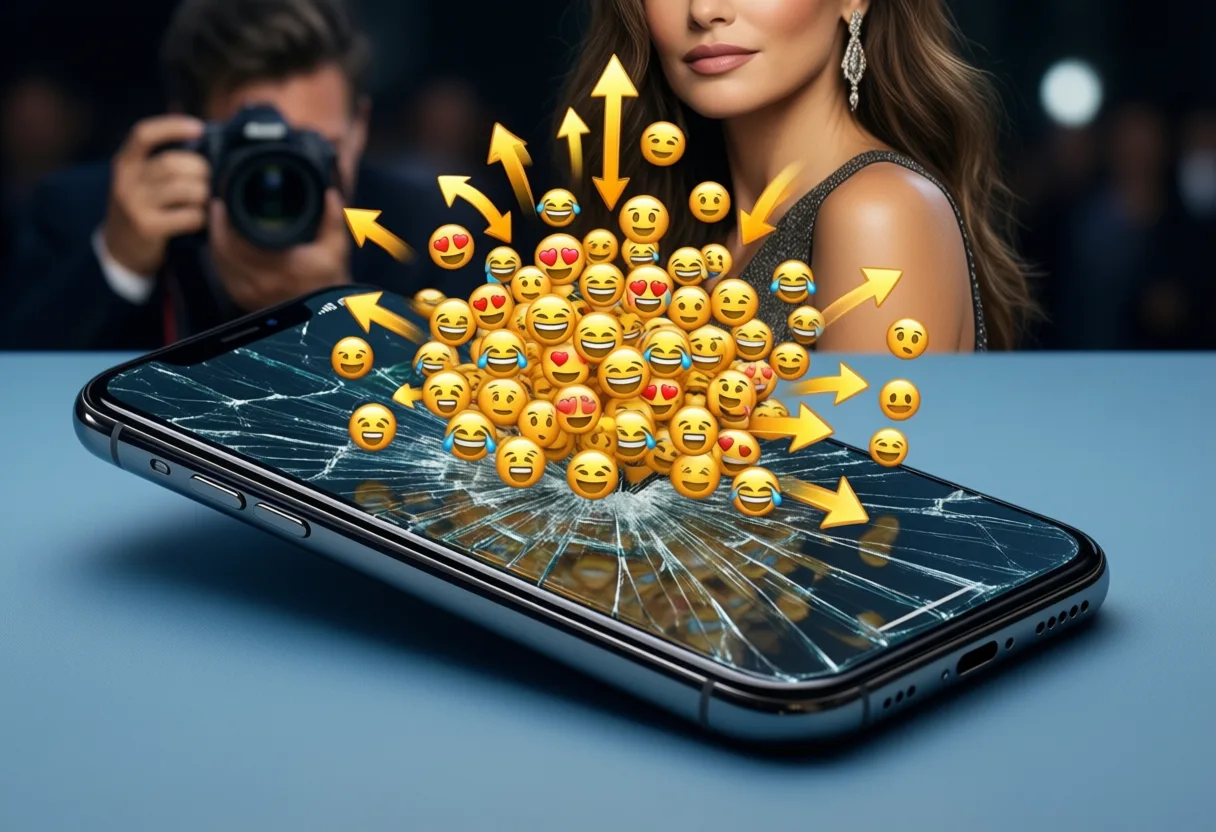
We scroll, we click, we lean in-because who Isn’t Curious about what the Stars Are really like when the cameras stop rolling? The truth is, our fascination with celebrity lives isn’t just about fame; it’s about connection, fantasy, and sometimes, a little too much speculation.
Why Do We Care So Much About What Celebrities Do Behind Closed Doors?
The Psychology Behind Our Obsession With Personal Lives of Public Figures
There’s something deeply human about watching someone live a life that feels both impossibly glamorous and strangely familiar. When a movie star shares a quiet moment walking their dog at dawn or posts a blurry kitchen selfie mid-laugh, we don’t just see a performer-we see a person. That glimpse into their world offers comfort, escape, and even validation for our own messy realities.
Our brains are wired to follow stories, especially ones that feel personal. Celebrities become modern-day myths-characters in an ongoing saga we tune into Daily, not because we expect perfection, but because we crave authenticity. We project our hopes, fears, and desires onto them, turning tabloid snippets into emotional shorthand.
This isn’t new. From ancient amphitheaters to Radio dramas, audiences have always wanted more than just performance-they want access. Today, that hunger is fed 24/7 by smartphones, algorithms, and an endless stream of content. But the deeper question remains: Are we seeking truth, or just a better story?
When a Paparazzi Photo Tells Half the Story
How Context Gets Lost in Candid Shots of Stars Off Duty
A photo of a celebrity frowning outside a coffee shop can spark headlines about “troubled times,” while the same expression on set might be called “intense focus.” The problem isn’t the image-it’s what’s missing. Moments Captured without context turn private struggles, fatigue, or simple bad hair days into public narratives.
Paparazzi thrive on spontaneity, but spontaneity rarely tells the full truth. A raised voice during a heated phone call becomes “drama,” a late-night outing turns into “a spiral,” and a wardrobe choice morphs into “a cry for help.” These fragments are stitched together by editors and readers alike, creating a patchwork reality that often bears little resemblance to actual life.
Even seemingly harmless shots-like a star shopping for groceries or jogging in sweatpants-can carry unintended weight. They’re framed as “relatable” one day and “fall from grace” the next, depending on the season of their career. The camera doesn’t lie, but it doesn’t explain either.
- One unsmiling glance can spawn five conspiracy theories.
- A dropped napkin becomes “signs of distress.”
- And heaven forbid they eat a donut on a beach-suddenly, it’s “self-care” or “concerning behavior,” depending on the outlet.
It’s easy to forget these are real people navigating real emotions, not avatars designed to reflect back our expectations.
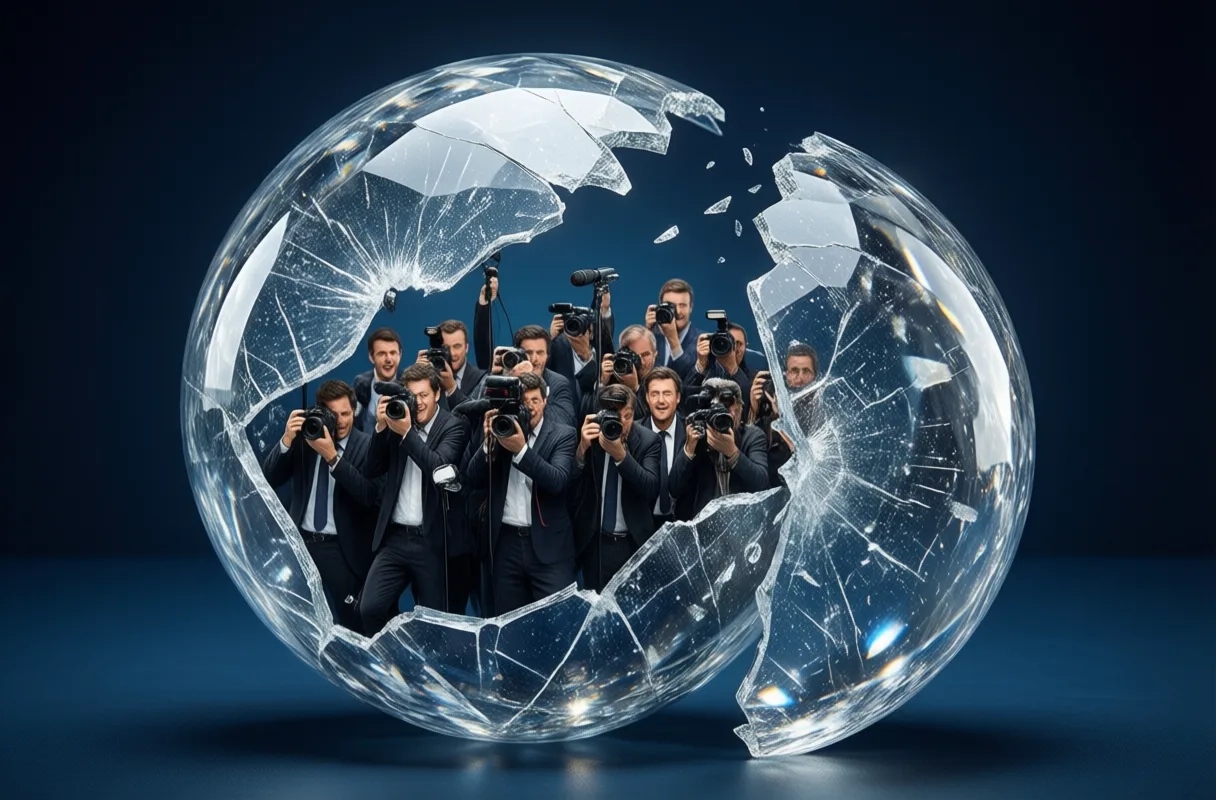
From Tabloid Headlines to Courtroom Testimonies: When Rumors Turn Legal
The Real Consequences of False Narratives in the Digital Age
Rumors used to fade like smoke-until the internet gave them permanent lungs. What begins as a whisper in a Gossip column Can now snowball into lawsuits, restraining orders, and public apologies typed through tears. False narratives don’t just damage reputations; they alter lives.
When allegations spread unchecked, the fallout extends far beyond hurt feelings. Careers stall, endorsements vanish, and mental health crumbles under the weight of being misunderstood by millions. Some stars have taken legal action not for attention, but survival-forcing outlets to retract lies that crossed the line from speculation into defamation.
The irony? The same systems built to protect free speech can also enable its abuse. Once a rumor goes viral, corrections rarely travel as fast as the original lie. Truth shows up late to the party, only to find everyone’s already moved on.
And yet, accountability matters. There’s growing pressure on publishers to verify before they publish, not just because it’s ethical-but because the cost of getting it wrong has never been higher.
Social Media: The Unfiltered Frontier of Fame and Misinformation
How a Single Tweet Can Spiral Into a Global Assumption
A typo. A joke taken seriously. A sarcastic comment posted at 2 a.m. Social media gives Celebrities direct Access to fans-but it also hands critics raw material with no filter, no pause, no second take. One post can redefine a legacy in under an hour.
Fans dissect every emoji, analyze punctuation, and build timelines based on deleted tweets. A vague quote like “some people aren’t who you think” becomes evidence of betrayal, heartbreak, or secret feuds. Meanwhile, the person who wrote it might’ve just been annoyed at their Wi-Fi.
Platforms reward reaction over reflection. Outrage spreads faster than clarification. Apologies get misread as admissions of guilt. Silence is interpreted as arrogance. And nuance? It doesn’t trend.
Still, social media remains one of the few spaces where stars can speak in their own voice. For all its chaos, it allows moments of genuine connection-a birthday message to a friend, a tribute to a lost pet, or a rare peek behind the curtain. The challenge is learning to tell the difference between intimacy and intrusion.
The Fine Line Between Speculation and Defamation
Understanding the Legal and Ethical Boundaries in Entertainment Reporting
Not all rumors are created equal. There’s a difference between wondering if two co-stars are dating and claiming they’re secretly married with three children in a bunker in Iceland. One is idle curiosity; the other could land someone in court.
Journalism thrives on inquiry, but ethics demand responsibility. Repeating unverified claims-even with “sources say”-can still harm. If a publication asserts something false as fact, intent doesn’t matter. The damage does.
Ethical reporting means asking: Is this true? Can I prove it? Does the public Need To know? Or am I feeding a machine that profits from uncertainty? The best entertainment journalism informs, entertains, and respects boundaries-even when the audience clamors for more.
In an age where clicks equal cash, restraint feels risky. But integrity lasts longer than virality ever will.
Public Breakups That Played Out in the Press-And What Was Actually True
Separating Emotional Storylines From Verified Accounts of Relationship Endings
Few things captivate us like a high-profile breakup. The red carpet smiles, the sudden solo appearances, the cryptic Instagram captions-all of it fuels a narrative arc we can’t look away from. But how much of it is real, and how much is performance?
Media outlets often frame breakups as tragedies or betrayals, assigning heroes and villains based on outfit choices or follower counts. One partner is “heartbroken,” the other “cold and distant”-labels applied without knowing a single conversation that happened behind closed doors.
Relationships end for countless reasons: timing, growth, silence, or simply love fading like sunlight at dusk. Yet the press insists on drama, as if peace were somehow less interesting than scandal.
We forget that healing isn’t linear-and it certainly isn’t photogenic. What we see is curated, delayed, and often distorted. The truth? Most breakups aren’t explosive. They’re quiet. They’re complicated. And they belong to the people living them-not us.
The Role of Publicists in Shaping What We Think We Know
Behind-the-Scenes Image Crafting in an Era of 24/7 News Cycles
Think of a celebrity’s public image as a carefully lit stage-every shadow placed, every spotlight timed. Behind it all are publicists, strategists, and teams working nonstop to guide perception, manage crises, and protect legacies in real time.
They decide which interviews get greenlit, which photos are released, and when (or if) a statement drops. A well-placed magazine feature can shift a narrative overnight. A surprise appearance at a charity event can rewrite a headline cycle. This isn’t manipulation-it’s stewardship.
In a world where one tweet can ignite a firestorm, image management isn’t vanity. It’s necessity. Publicists aren’t hiding the truth; they’re helping shape how it’s received, ensuring that a single mistake doesn’t eclipse years of work.
But even the best team can’t control everything. Leaks happen. Phones get hacked. Emotions run high. And sometimes, the most authentic moments slip through-unplanned, unpolished, unforgettable.

Can a Celebrity Ever Truly Control Their Own Narrative?
Moments When Stars Spoke Out to Correct the Record
For every manufactured moment, there’s a counterpoint-a raw, unscripted confession that cuts through the noise. Whether it’s a tearful interview, a memoir laid bare, or a viral video, some stars choose to reclaim their story on their own terms.
These moments resonate because they feel earned. When someone says, “That wasn’t me,” or “Here’s what really happened,” we listen. Not because it confirms what we believed, but because it challenges it.
Oprah once said, “Your story is your power.” And increasingly, celebrities are treating it that way-writing their own documentaries, launching podcasts, speaking directly to fans. They’re trading polish for honesty, understanding that vulnerability builds deeper loyalty than perfection ever could.
Control may be fleeting, but authenticity? That leaves a mark.
The Long Shadow of Gossip: How Rumors Outlive the Truth
Rebuilding Reputation After the Headlines Have Moved On
Some rumors stick like gum on a sidewalk-no matter how hard you scrape, a stain remains. A decade later, people still whisper about that incident, that quote, that photo… even after apologies, denials, and time have passed.
Reputation isn’t rebuilt in a day. It’s rebuilt in small acts-in consistent kindness, in thoughtful roles, in showing up when no one’s watching. It’s in the quiet work of becoming someone the world can trust again.
Forgiveness is slow. Memory is long. But transformation is possible. We’ve seen it in comebacks that weren’t about fame, but redemption. In voices once silenced now speaking with clarity and strength.
Healing isn’t headline-worthy. But it’s real. And sometimes, that’s enough.
What It Means to Be a Smarter Consumer of Celebrity News
Staying informed doesn’t mean believing everything you read. It means questioning, pausing, and remembering that behind every headline is a human being with dreams, flaws, and a right to privacy.
Ask yourself: Who benefits from this story? Is it verified? Does it add value-or just noise? And most importantly: Would I want this level of scrutiny if the lens were turned on me?
Curiosity is natural. Gossip can be fun. But empathy costs nothing and gives everything. Before you share, consider the weight of words-not just for the star, but for the culture we’re building together.
For deeper dives into the stories behind the sparkle, check out Bossip Secrets Behind The Bold Celebrity Gossip-where the tea is served hot, but the facts stay grounded.
| Example | Type of Rumor | Outcome |
|---|---|---|
| Mary Pickford and Douglas Fairbanks romance | Exaggerated relationship | Studio-created storyline to boost film interest |
| Robert Downey Jr. Cast in Iron Man | Early casting speculation | Rumor proved true before official announcement |
| Rebel Wilson resume claims | False background allegations | Defamation lawsuit won by actress |
Behind the Buzz: Truths That Sound Too Wild to Be Real
Origins of the Rumor Machine
Back in the 1920s, fan magazines weren’t just reporting on stars-they were inventing storylines. Studios often planted false romances between actors to drum up interest in their films. One famous example? The supposed love affair between silent film stars Mary Pickford and Douglas Fairbanks was heavily exaggerated by publicists before it even began. These early stunts laid the groundwork for today’s gossip culture, where perception often trumps reality.
When Gossip Accidentally Gets It Right
Sometimes, rumors hit the mark long before official announcements. In 2007, online forums buzzed with speculation about a major casting change in the Iron Man Franchise-claims that Robert Downey Jr. Would play the lead surfaced months before any studio confirmation. While most outlets dismissed it as fan fiction, the rumor turned out to be spot-on. It wasn't magic-just someone with loose lips at a production meeting.
The Cost of a Lie
False stories don’t just damage reputations-they can lead to lawsuits. Actress Rebel Wilson won a defamation case in 2017 after a magazine published lies about her lying on her resume. She was awarded damages, though the amount was later reduced on appeal. This case reminded everyone that while gossip thrives on exaggeration, there are legal lines you can’t cross-no matter how juicy the story seems. Explore more stories, videos, and creators on Loaded.
Frequently Asked Questions
Why are people so obsessed with celebrity personal lives?
People are drawn to celebrities because their lives offer a mix of glamour and relatability, fulfilling a human desire for connection, story, and authenticity. This fascination is rooted in psychology and has existed since ancient times.
Can rumors about celebrities lead to legal consequences?
Yes, false rumors can result in lawsuits and defamation cases. For example, Rebel Wilson won a defamation case after a magazine published untrue claims about her resume.
How do paparazzi photos distort the truth?
Candid photos often lack context, turning private moments like fatigue or frustration into public narratives about drama or distress. The camera captures moments but doesn’t explain them.
How did early fan magazines contribute to modern gossip culture?
In the 1920s, fan magazines created fictional storylines, such as exaggerated romances between stars like Mary Pickford and Douglas Fairbanks, to promote films-laying the foundation for today’s rumor-driven media.
This article was produced with AI assistance. How Motion Picture Magazine uses AI.
Cassiel examines celebrity fashion as narrative-how red carpet moments, brand partnerships, and personal aesthetics influence public perception. They spotlight emerging designers and the visual language of fame across film and music icons.