
Why Critics Are Seeing More Than Just Entertainment in Today’s Biggest Films
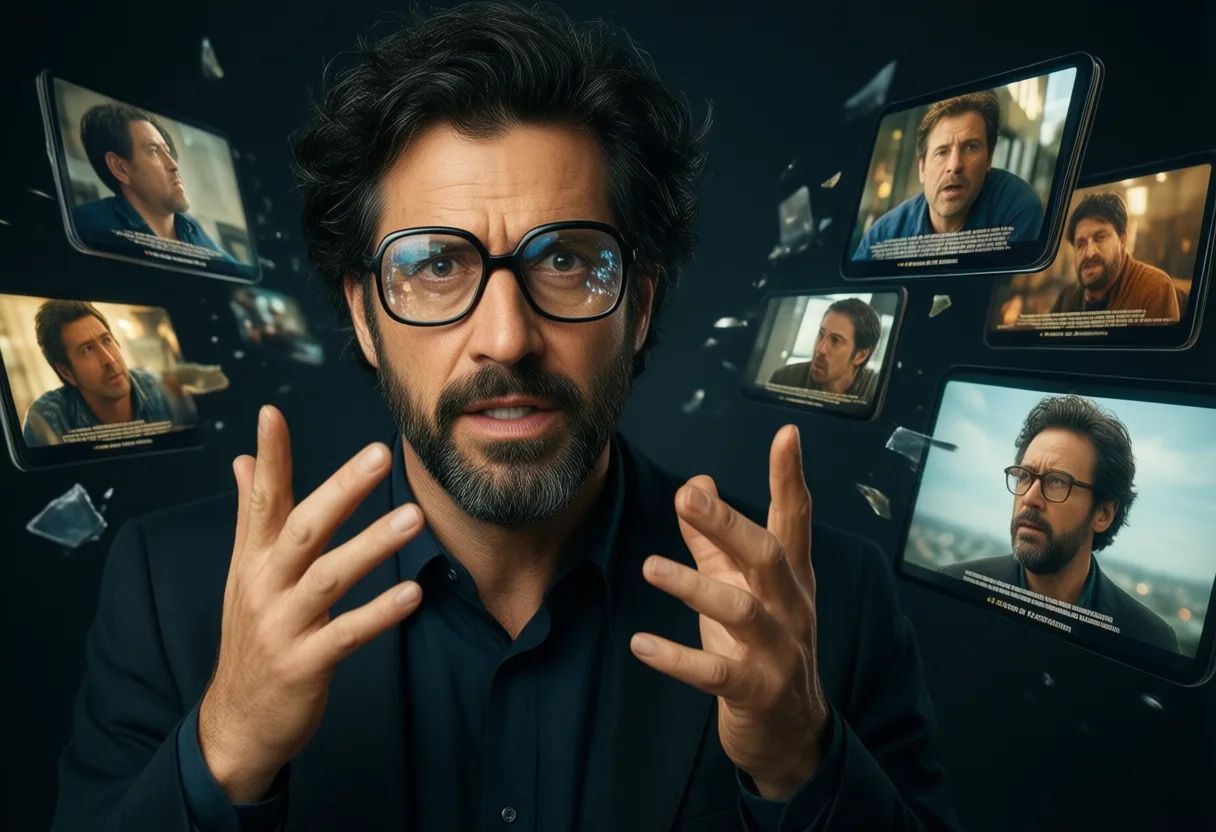
Big movies aren’t just about explosions, red carpets, and box office bragging rights anymore. They’re becoming cultural touchstones-mirrors held up to society, often without the audience realizing it. Critics, trained to look beyond the spectacle, are increasingly treating blockbusters as layered texts rather than disposable entertainment.
It’s no longer enough for a film to simply look good or move units. What matters now is what the film says-intentionally or not. A superhero’s moral dilemma might echo real-world debates. A dystopian future could feel uncomfortably close to current headlines. These aren’t accidents; they’re Narrative choices That invite interpretation.
Critics are the first line of engagement, parsing what these Films reflect About our values, fears, and contradictions. They notice when a story leans on outdated tropes or quietly challenges them. And they’re quick to point out when a film mistakes scale for substance-because audiences, it turns out, are starting to notice too.
What Do Blockbuster Reviews Reveal About Audience Expectations?
Audiences don’t just want to be wowed-they want to feel seen. Blockbuster reviews often highlight a quiet shift: viewers are rewarding films that balance spectacle with emotional authenticity. A well-timed joke lands better when the Character earns It. A dramatic sacrifice hits harder when it’s rooted in growth, not plot convenience.
Critics pick up on these nuances because they track patterns across dozens of releases. They see when audiences embrace a film that dares to be different-like one that sidelines the traditional hero arc or gives its villain a compelling worldview. Conversely, they also note the backlash when studios play it too safe, recycling the same formulas with shinier effects.
What emerges from the best reviews is a portrait of an audience that’s more thoughtful than studios often assume.
- People remember character names, not just CGI set pieces.
- They discuss themes on social media long after credits roll.
- They reward originality, even in familiar genres.
The takeaway? Moviegoers aren’t passive consumers. They’re participants, and critics are documenting their evolving tastes in real time.
How Storytelling Choices Are Shaping Critical Reception
A film’s fate in the court of public opinion often hinges on decisions made long before release-choices about pacing, perspective, and payoff. Critics don’t just react to what’s on screen; they assess the logic behind it. Why this story now? Why told this way?
A single narrative misstep can overshadow a hundred million dollars in production value. A rushed third act, a sidelined supporting character, or an ending that feels unearned-these aren’t just nitpicks. They’re symptoms of larger storytelling issues that reviewers are trained to diagnose.
Meanwhile, films that take risks-like subverting genre expectations or centering underrepresented voices-often earn praise not just for bravery, but for coherence. When the story supports the message, critics notice. And when the message feels tacked on, they call it out. The best-reviewed films aren’t always the most popular, but they’re usually the most intentional.
The Hidden Layers Beneath Surface-Level Plot Summaries
Most plot summaries will tell you What Happens: the hero fights the villain, the couple reunites, the world is saved. But critics are after the Why-the unspoken tensions, the visual metaphors, the silences between lines of dialogue. These are the elements that give a film staying power.
For example, a costume choice might signal a character’s internal shift before they say a word. A recurring symbol-like a broken watch or a fading photograph-can thread through a film, anchoring its emotional arc. These details aren’t always obvious on first viewing, but they’re what critics dissect in their analyses.
And sometimes, the most revealing moments aren’t in the script at all.
- A lingering shot that lingers too long.
- A score that contradicts the action.
- A side character who steals scenes not through dialogue, but presence.
These are the tools of cinematic language. And when used well, they turn a standard review into a deeper conversation about craft.
Where Character Development Meets Cultural Commentary
Strong characters don’t exist in a vacuum. They reflect the world that created them-and the one they’re speaking to. Critics are increasingly attuned to how blockbusters use character arcs to engage with broader social currents, whether it’s identity, power, or belonging.
A protagonist’s journey from isolation to connection might resonate differently in a post-pandemic era. A story about legacy and inheritance could echo generational tensions in real life. These connections aren’t always explicit, but they’re felt-and reviewers are the ones naming them.
What’s interesting is how often these themes emerge even when they’re not the film’s stated focus. A sci-fi epic about survival might double as a commentary on climate anxiety. A comedy about workplace dynamics might quietly challenge gender norms. Critics don’t invent these readings-they trace the lines the film itself draws.
And when audiences recognize those lines too, that’s when a movie stops being just a movie.

Why Some Films Spark Wider Conversations After Release
Not every blockbuster starts a movement. But the ones that do usually share a trait: they leave room for interpretation. They don’t spell everything out. They invite debate. And critics, by framing early discussions, help shape what that debate becomes.
A film might prompt think pieces about representation, ethics, or even economic inequality-topics that seem far removed from its genre. But the best stories have porous boundaries. They absorb the context around them, becoming vessels for larger ideas.
Consider how often a single scene becomes a meme, a quote gets repurposed, or a character’s choice is debated online for weeks. These aren’t distractions from the film-they’re evidence of its cultural velocity. And critics are often the first to identify which moments will stick, and why.
It’s not about predicting virality. It’s about recognizing when a film taps into something collective.
How to Read Between the Lines of a Movie Review
Not all praise is equal. A review calling a film “exciting” might mean it’s well-paced-or that it lacks depth. “Ambitious” can be code for messy. “Surprisingly moving” might hint at low expectations. Critics often use subtle language to convey reservations without spoiling the experience.
Learning to read these cues is like picking up a second language. Phrases like “technically impressive” or “star-powered” often emphasize craft over story. Meanwhile, descriptions like “emotionally resonant” or “thoughtfully constructed” suggest a film that sticks with you.
Here’s what to listen for:
- What the reviewer spends the most time on-is it the lead performance, the visuals, or the themes?
- Which characters they mention-are the supporting players forgotten or celebrated?
- How they describe the ending-is it “satisfying,” “inevitable,” or “rushed”?
The best reviews don’t just tell you whether to watch a film. They tell you How To watch it.
What Reviewers Notice That Most Audiences Miss
Casual viewers focus on plot and payoff. Critics focus on patterns. They notice when a director repeats a visual motif across films. They catch when a script relies too heavily on exposition. They spot when a film confuses loudness with intensity.
They also track omissions-what a story chooses Not To show. Who gets screen time? Who gets a backstory? Who gets to make decisions? These aren’t just diversity checkboxes; they’re narrative priorities made visible.
And then there’s tone. A film can shift subtly from hopeful to cynical, or from satirical to sincere, without announcing it. Critics are sensitive to these shifts because they affect how we interpret everything else.
It’s not that audiences miss these things entirely. It’s that reviewers are trained to name them-and in doing so, make the invisible visible.
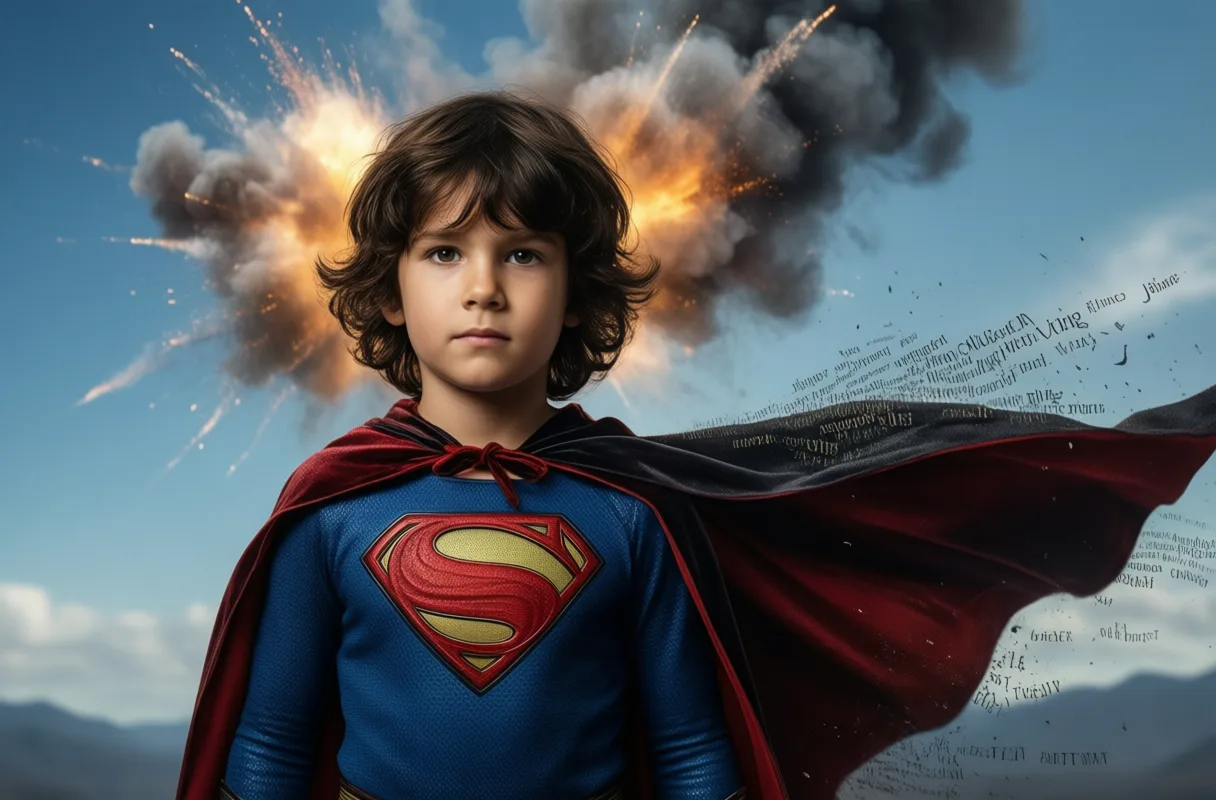
Finding Meaning in Action, Drama, and Visual Spectacle
Even the most action-heavy films carry ideas. A chase scene isn’t just about speed-it’s about stakes, survival, freedom. A romantic subplot isn’t filler if it reveals something about vulnerability or trust. And a villain’s monologue? Often the clearest statement of the film’s central conflict.
Critics look for the weight behind the spectacle. They ask: What does this sequence say about power, fear, or consequence? Why is the camera moving this way? Why is the music swelling now?
Visual storytelling is its own form of argument. A long take can build tension. A color palette can suggest decay or renewal. These choices aren’t decorative-they’re deliberate. And when they align with theme, the result is more than entertainment. It’s experience.
Practical Takeaways for Moviegoers Who Want More from Reviews
Next time you read a review, don’t just look for a thumbs-up or down. Ask:
- What did the reviewer find memorable-and why?
- Did they describe a moment that made them think?
- Did they mention something you didn’t notice?
Use reviews as companions, not verdicts. They’re not telling you what to feel. They’re offering a way to see more.
And when you watch a film, try watching it twice. The first time, enjoy it. The second, pay attention to the choices-the lighting, the silences, the way characters listen (or don’t). You’ll be surprised how much more you see.
What the Best Reviews Actually Teach Us About Film
Great reviews don’t just assess a movie-they deepen your relationship with it. They point to craft, context, and consequence. They remind us that every film is a collaboration between creators, audiences, and time.
They also teach patience. Not every film reveals itself immediately. Some grow in stature. Others fade. Critics help us navigate that arc, not with certainty, but with insight.
In the end, the best reviews don’t just reflect movies. They reflect us-what we value, what we overlook, and what we’re ready to see.
What Critics Really Look For in Blockbusters
The Hidden Language of Reviews
Movie reviews might seem like simple thumbs up or thumbs down, but they’re packed with subtle cues that reveal more than just personal taste. Critics often use specific phrases that hint at deeper issues-like calling a film “ambitious but uneven” usually means the story had big ideas but couldn’t stick the landing. Words like “serviceable” or “functional” for a score or performance? That’s reviewer code for “it didn’t stand out, good or bad.” Learning to read between the lines turns casual viewing into a game of decoding what the critic Really Thought.
How Reviews Shape What We Watch
Studios don’t just release movies and hope for the best-early reviews can trigger last-minute marketing shifts. If a film scores strong on emotional depth, trailers might pivot to highlight dramatic moments instead of action. On the flip side, if critics call out a weak villain, promotional material may downplay that character entirely. It’s not manipulation-it’s adaptation. And while box office numbers matter, a wave of positive reviews can keep a movie in theaters weeks longer, giving it a second wind through word of mouth.
The One-Star That Started a Cult Classic
Some of the most beloved films today bombed with critics at first. A few harsh reviews can sting, but they don’t seal a movie’s fate. Over time, audience opinions can completely flip the script, turning a poorly rated film into a fan favorite. It’s a reminder that a review is just one snapshot in time-what gets panned on opening weekend might be quoted in memes a decade later. The real test isn’t the critic’s pen, but whether people keep coming back to hit play. Explore more stories, videos, and creators on Loaded.
Frequently Asked Questions
Why are critics treating blockbusters as more than just entertainment?
Critics see blockbusters as cultural touchstones that reflect societal values, fears, and contradictions. They analyze narrative choices that invite interpretation beyond spectacle.
What do blockbuster reviews reveal about audience expectations?
Audiences want emotional authenticity and character-driven stories, not just visual effects. They reward originality and engage with themes long after viewing.
How do storytelling choices affect a film's critical reception?
Pacing, perspective, and payoff decisions shape how a film is received. Risks like subverting genre norms or centering underrepresented voices often earn praise for coherence and intent.
What do critics notice that most audiences miss?
Critics track patterns, visual motifs, omissions in representation, and tonal shifts. They identify narrative priorities and subtle cues that shape meaning.
This article was produced with AI assistance. How Motion Picture Magazine uses AI.
Isolde dissects award campaigns, voting patterns, and industry politics with precision. She tracks how prestige television and arthouse films navigate recognition, emphasizing diversity shifts and behind-the-scenes power dynamics shaping nominations.