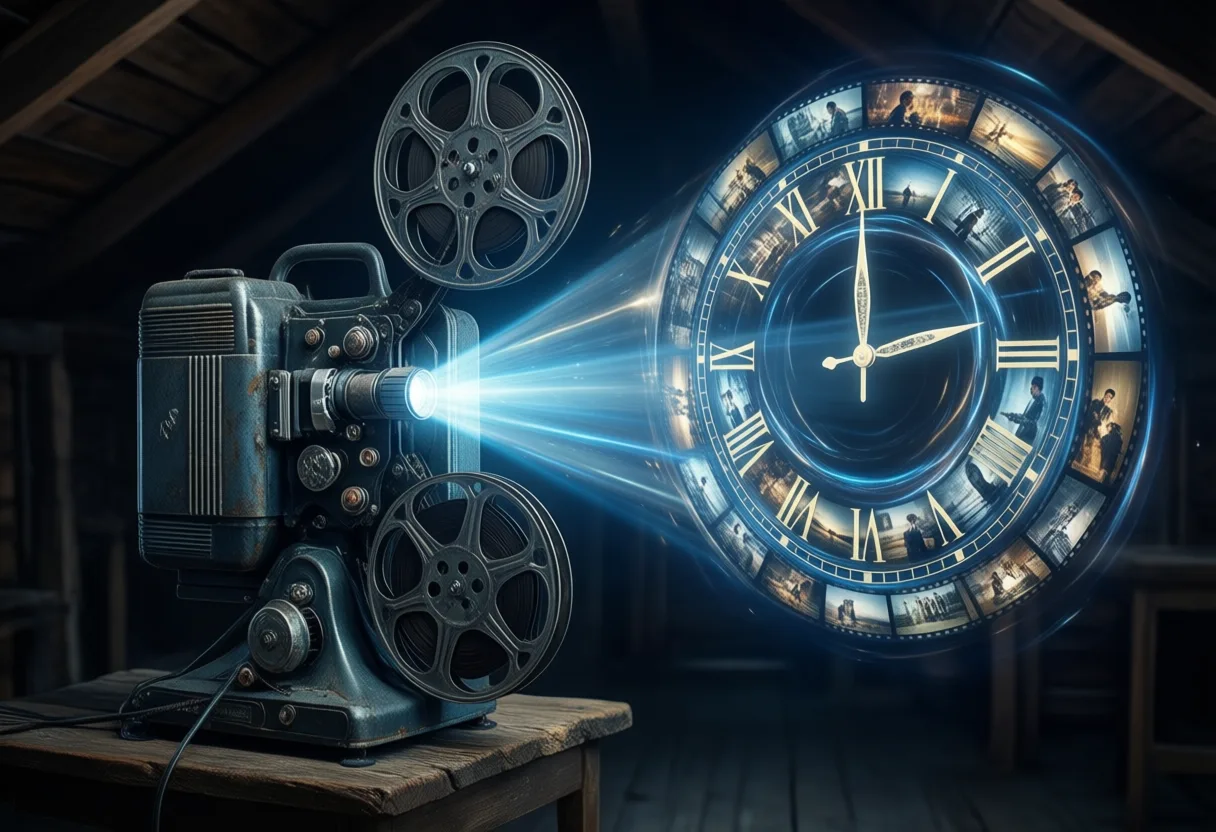

You’ve seen the headlines. “Masterpiece!” “Total disaster!” “A triumph of modern storytelling!” “A cinematic train wreck.” We’ve all scrolled past movie reviews, wondering: Who are these people, and why should I care what they think? Behind every bold declaration is a process-sometimes messy, often passionate-that shapes how we see Films Before we even press play.
Movie reviews aren’t just thumbs up or down. They’re conversations between culture and craft, between what a film Does And what it Means. And whether you’re streaming the latest awards contender or rewatching a comfort classic, understanding how Critics Think can turn passive viewing into something richer-something more alive.
Let’s pull back the curtain.
What Makes a Film Review More Than Just an Opinion?
Anyone can say, “I liked it” or “That sucked.” But a Real review Digs deeper. It asks: Why Did it work-or not? What choices did the filmmakers make, and how do those choices shape the experience?
A critic doesn’t just react. They Observe, interpret, and contextualize. Think of it like watching a magician, then explaining the trick-not to ruin the wonder, but to appreciate the craft behind it. A glowing review might praise how a quiet moment builds tension without music, or how a color palette subtly shifts to mirror a character’s emotional arc.
It’s not about snobbery. It’s about attention.
And attention, in the age of endless content, is a superpower.
Critics Are trained to notice patterns-narrative rhythms, editing choices, performances that linger beyond the credits. They’re also aware of film history, so they might compare a new sci-fi epic not to the last blockbuster, but to classics from decades ago. This doesn’t mean they’re judging your taste. It means they’re offering a different lens.
Here’s the truth:
A review isn’t a verdict.
It’s an invitation.
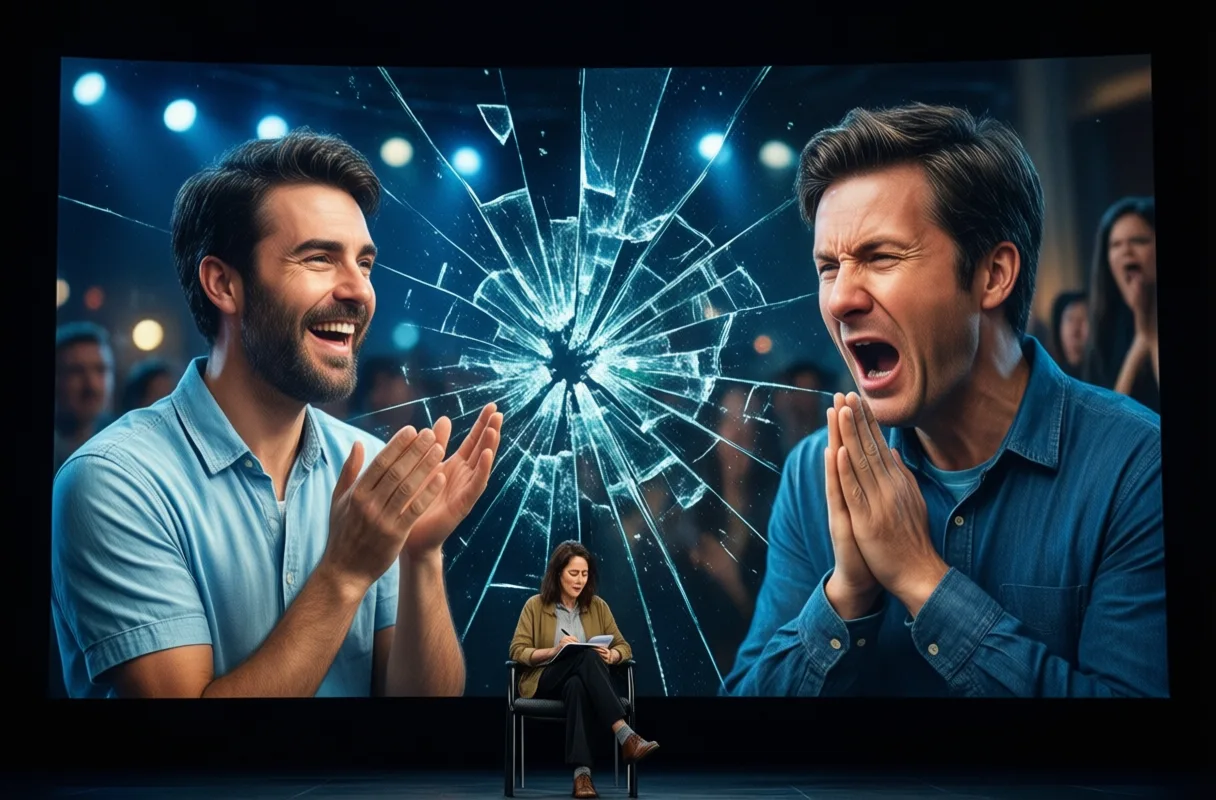
The Anatomy of a Critic’s Perspective
So what’s actually going through a critic’s mind during a two-hour film? It’s not just “Am I entertained?” It’s a layered, almost instinctive analysis that unfolds in real time.
First, there’s Structure-how the story unfolds. Does the pacing drag, or does every scene pull its weight? Is the plot predictable, or does it surprise in ways that feel earned? A critic watches for narrative cause and effect, not just what happens, but Why It happens.
Then comes Character and performance. Are the people on screen feeling real, or like cardboard cutouts? A great performance can elevate thin material, while a weak one can sink even the most ambitious script. Critics listen To how actors use silence, gesture, and timing-not just their lines.
Next: Visual language.
Cinematography isn’t just “pretty pictures.” It’s storytelling with light and shadow. A single tracking shot might reveal power dynamics in a room. A tight close-up might trap us in a character’s panic. Critics notice when the camera Chooses To look away-and what that says.
Sound design, music, editing-these aren’t background details. They’re Emotional architects.
A sudden cut can shock.
A lingering note can haunt.
And finally, Theme and context. What is this film About, beneath the surface? Is it wrestling with grief, identity, justice? And how does it fit into the world we live in now? A critic asks: Does this film say something new? Or does it recycle old ideas in shiny packaging?
It’s not about ticking boxes.
It’s about feeling the film’s pulse-and then explaining the heartbeat.
Why Do Some Reviews Feel So Different From Audience Reactions?
You’ve seen it happen. A film bombs with critics but becomes a fan favorite. Or a “critics’ darling” lands with a thud at the box office. Why the disconnect?
Part of it is Expectations. Critics often see films in isolation, stripped of hype. Audiences bring memories, fandoms, and emotional investments. A die-hard superhero fan might forgive plot holes for one perfect moment of heroism. A critic might focus on the hole, not the hero.
There’s also Purpose.
For many viewers, movies are escape. Joy. Comfort.
For critics, they’re also texts to be read.
That doesn’t make one approach better. It just means they’re playing different games. One values emotional payoff. The other values coherence, innovation, or cultural relevance. And sometimes, those things overlap beautifully. Other times, they don’t.
Consider this:
A film can be technically flawed and still mean the world to someone.
And a flawless film can leave you cold.
Critics aren’t immune to emotion-far from it. But their job is to articulate Why They felt what they felt, not just that they felt it. That analytical distance can make a review seem colder, even when it’s deeply felt.
Meanwhile, audience reactions are raw, immediate, personal.
They’re valid.
They matter.
But they’re not the same thing as criticism.
And that’s okay.
Can a Review Be Objective?
Let’s get real: No review is 100% objective. Film is art, not algebra. You can’t solve for X In a character’s grief.
But that doesn’t mean it’s all just opinion.
Critics use Shared tools and standards-narrative logic, technical craft, emotional authenticity-that allow for meaningful discussion, even when opinions differ.
Think of it like wine tasting. One person might love bold reds. Another prefers crisp whites. But both can agree on whether the wine is balanced, well-made, true to its type. Critics apply similar standards to film.
Was the editing coherent?
Did the script support the performances?
Did the director’s vision come through?
These are Evaluative questions, not purely subjective ones. They allow for debate, but also for reasoned judgment. A critic might dislike a film’s tone but still acknowledge its ambition or technical skill.
And here’s the key: Honesty over certainty.
The best critics admit their biases. They say, “This isn’t for me, but here’s why it might be for you.” They don’t pretend to speak for everyone.
Objectivity isn’t about removing personality.
It’s about grounding reaction in observation.
So when you read a review, don’t ask, “Is this true?”
Ask, “Does this make sense? Does it help me see the film differently?”
That’s where the value lies.
When Consensus Forms: Rotten Tomatoes, Metacritic, and the Myth of the “Average” Score
You’ve seen the numbers. “94% on Rotten Tomatoes.” “Metascore: 82.” We treat them like weather forecasts-green sky, go ahead; red storm, stay home. But what do they really mean?
These scores are Aggregations, not verdicts. They collect reviews and boil them down to a single digit. Convenient? Yes. Complete? Not even close.
Rotten Tomatoes, for example, labels a review “fresh” or “rotten” based on whether it’s mostly positive. But a 6/10 and a 9/10 both count the same. A film can have near-universal mild approval and score 90%, while another with polarized but passionate reactions might tank at 50%.
Metacritic uses weighted averages, giving more influence to certain outlets. But even that can flatten nuance. A score of 75 might hide wildly different interpretations-some calling it groundbreaking, others calling it boring.
And here’s the danger: Consensus can silence dissent.
A film praised by every critic can feel untouchable-until someone dares to say, “I didn’t get it.” Suddenly, they’re “wrong.” But disagreement is healthy. Art thrives on it.
These scores are starting points, not endpoints.
They’re traffic reports, not roadmaps.
Use them to spot patterns. If nearly every critic praises a performance, it’s probably worth watching for that alone. If reviewers keep mentioning pacing issues, maybe keep your remote handy.
But don’t let a number decide for you.
A 30% film might be your new favorite.
A 100% masterpiece might leave you yawning.
The score doesn’t watch the movie.
You do.
How to Read a Review Like a Critic
Want to get more out of reviews? Don’t just skip to the rating. Read like someone who Wants To understand, not just decide.
Start with The first paragraph. Critics often pack their main impression here-like a thesis statement. Is the tone excited? Wary? Thoughtful? That sets the stage.
Then watch for Specifics.
Vague praise (“amazing visuals”) tells you little.
But “the camera lingers on empty hallways, turning a school into a tomb”?
That’s a clue to the film’s mood, style, and intent.
Pay attention to What the critic focuses on. Are they obsessed with the lead performance? The political subtext? The way sound design builds dread? That tells you what the film Does well-even if the reviewer ultimately didn’t love it.
And don’t ignore The negatives.
A fair critique doesn’t trash a film-it explains its flaws.
A plot hole? A flat supporting character? A third act that rushes?
These aren’t just complaints. They’re insights into how the film works-or doesn’t.
Ask yourself:
Do these strengths align with what I Value in movies?
Do the weaknesses matter to Me?
Maybe you don’t care about tight plotting. Maybe you live for visual poetry.
That’s okay.
Use the review to filter, not obey.
And finally: Read more than one.
Compare voices. See where they agree, where they clash.
That’s where the real conversation begins.
Beyond the Verdict: Why the Best Reviews Enrich the Experience
The best reviews don’t just tell you whether to watch a film.
They tell you How To watch it.
They point you to the quiet moment you might miss. The recurring symbol. The way a costume reveals a character’s inner life. They don’t spoil-they illuminate.
A great review is like a friend saying, “Wait for this scene,” or “Listen to the music right here.” It deepens your attention, turns viewing into something active, almost participatory.
And sometimes, a review can change how you see a film After You’ve watched it.
You replay a moment, suddenly noticing what the critic described.
The film grows richer. Fuller.
That’s the magic.
Criticism isn’t the enemy of enjoyment.
It’s its quiet partner.
So next time you read a review, don’t just look for a thumbs-up.
Look for curiosity. Insight. Passion.
Look for someone who saw more than you did-and wants to show you what they found.
Because movies aren’t just watched.
They’re lived in.
And the best reviews help us move in.
What Critics See That You Might Miss
The Hidden Language of Reviews
Ever wonder why two critics can watch the same film and walk away with completely different opinions? It’s not just about taste-critics often look for specific storytelling tools filmmakers use, like how lighting sets mood or how a soundtrack quietly shapes emotion. A scene that feels tense might owe more to a low, droning score than the actors’ performances. Critics train themselves to notice these details, breaking down how every choice contributes to the whole. That’s why a review might praise “the use of silence” or “a deliberately fragmented narrative”-they’re not being fancy, they’re pointing to real techniques that affect how you experience the movie.
Numbers Don’t Tell the Whole Story
While many sites reduce reviews to a simple score or thumbs-up/thumbs-down, the written critique holds the real insight. A 3-star review could mean “solid but forgettable” or “flawed yet bold,” depending on the critic. Some publications even avoid ratings altogether, believing a number can oversimplify a thoughtful analysis. And get this-studies have shown audiences often agree more with the written review than the score itself. So next time you’re on the fence about a film, skip the rating and read a few paragraphs. You’ll likely get a clearer picture of whether it’s your kind of movie.
Critics Aren’t Just Watching-They’re Comparing
Most critics bring a deep knowledge of film history to every review. When they mention a director “channeling Hitchcock” or a cinematographer “working in the style of 70s New Hollywood,” they’re placing the film in a broader context. This isn’t film-school snobbery-it helps explain why a movie feels fresh or familiar. Recognizing these influences can deepen your own viewing experience, turning a simple night at the movies into a conversation across decades. That’s the fun of reading reviews: they don’t just tell you what to watch, they help you see it differently. Explore more stories, videos, and creators on Loaded.
Frequently Asked Questions
What makes a movie review more than just an opinion?
A real review analyzes why a film works or doesn’t by examining filmmaker choices, narrative structure, performances, and visual language. Critics observe, interpret, and contextualize to offer a deeper understanding of the craft.
Why do critic reviews sometimes differ from audience reactions?
Critics often evaluate films based on narrative coherence, technical craft, and cultural context, while audiences may prioritize emotional payoff or personal connection. Different expectations and purposes lead to different responses.
Can movie reviews be objective?
No review is 100% objective since film is art, not science. But critics use shared standards like narrative logic and technical craft to support reasoned evaluations, even when opinions vary.
What do Rotten Tomatoes and Metacritic scores really mean?
These scores aggregate reviews but don’t capture nuance. Rotten Tomatoes counts positive or negative labels, while Metacritic uses weighted averages. Both simplify complex reactions into a single number.
This article was produced with AI assistance. How Motion Picture Magazine uses AI.
Rowan explores how streaming platforms shape viewing habits and global storytelling, blending data with cultural insight. They focus on the rise of niche genres, international hits, and the evolving relationship between audiences and algorithms.