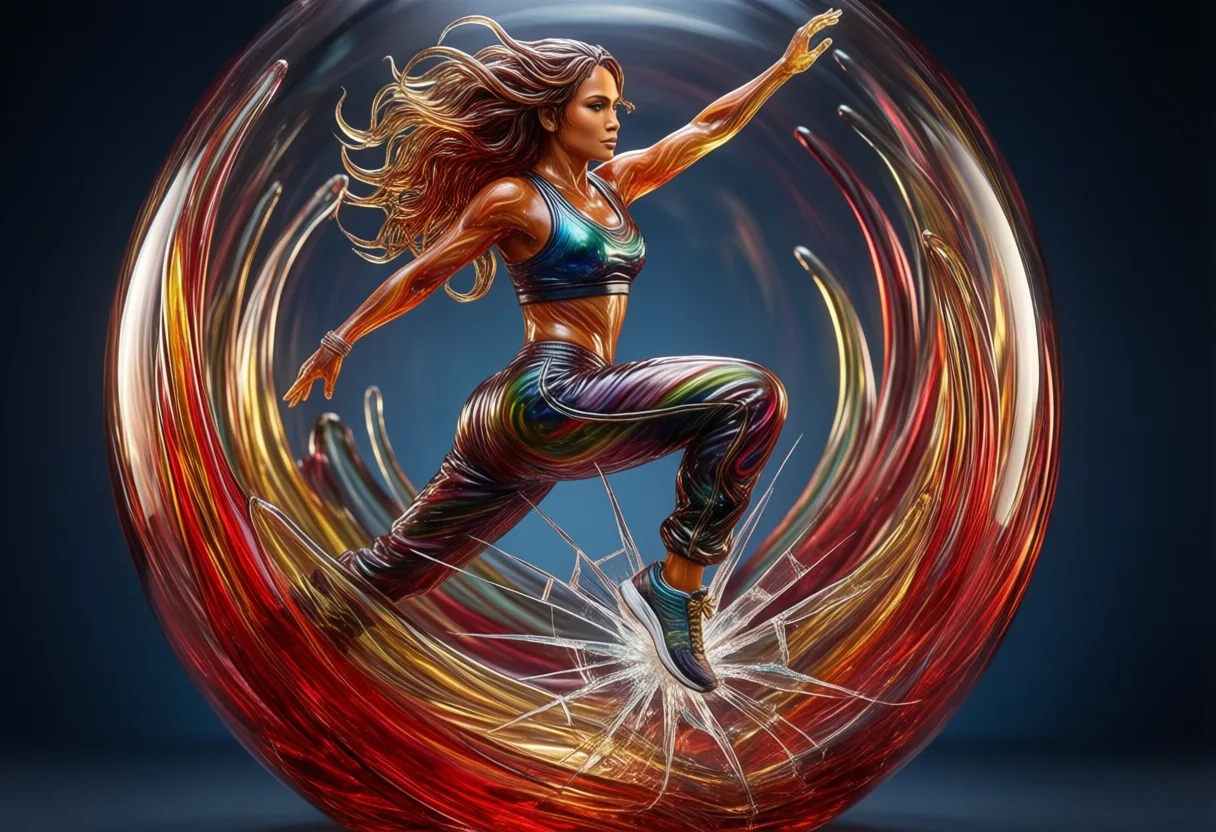
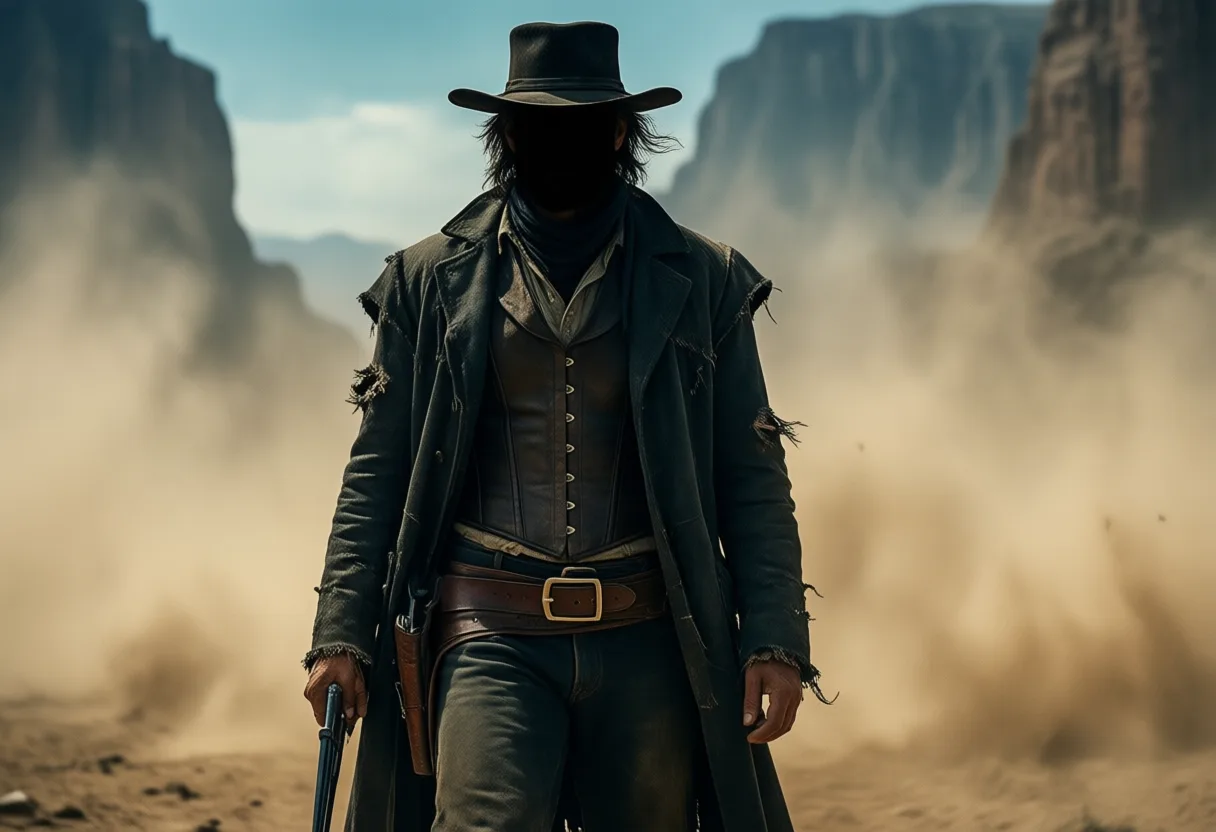
You don’t need to hear a character speak to know who they are. The moment they step into frame-silhouetted against a sunset, striding down a grimy alley, or adjusting a crooked tie-we’re already making judgments. And that’s exactly what costume designers intend. Before a single line of dialogue lands, clothing has already told us about status, era, personality, and even inner conflict. It’s not magic-it’s Meticulous visual Storytelling.
What We Learn from a Silhouette Alone
A character’s outline can say more than a monologue. Think of Darth Vader: even before he utters a word, his towering frame, sweeping cape, and mechanical breathing signal power, menace, and Isolation. The silhouette alone broadcasts that this isn’t just a villain-it’s a force of nature wrapped in armor. Designers use shape and proportion to instantly communicate dominance, vulnerability, or mystery.
A slouched posture under a baggy coat suggests weariness or invisibility. A sharp, angular suit with squared shoulders projects control and precision. Even the length of a hemline or the width of a brim can telegraph intent. A wide-brimmed hat might shield a face, hinting at secrecy, while a cropped Jacket Can suggest rebellion or urgency.
Consider how a superhero’s stance changes when unmasked. Peter Parker in street clothes looks like any other Brooklyn kid-slightly disheveled, hands in pockets. But in the suit, the silhouette becomes iconic: streamlined, dynamic, purposeful. The costume doesn’t just hide his identity-it Transforms His physical presence. That shift tells us everything about duality before a word is spoken.
The First Impression Is Sewn, Not Spoken
Clothing is the first language a character speaks. We judge books by their covers, and films know it. Within seconds of a character appearing, we’re absorbing cues about who they are, where they’re from, and how they see themselves. A Tailored three-piece Suit paired with scuffed shoes? That tells a story of faded dignity. A pristine lab coat over a wrinkled shirt? That’s the mark of someone who cares more about work than image.
Costume designers build these impressions deliberately. Every choice-from fabric texture to button placement-adds up to a psychological profile. A character in stiff, structured clothing might be rigid in their beliefs. Someone in layered, mismatched pieces could be hiding something, or perhaps struggling to find their place.
And it’s not just about class or cleanliness. Think of a character in a bright yellow raincoat walking through a gray city. The color alone sets them apart, suggesting optimism, eccentricity, or even defiance. We don’t need dialogue to understand they’re different. The costume does the introducing.
How Fabric Tells a Backstory Before a Word Is Said
The texture of a garment can whisper a lifetime. A silk blouse speaks of luxury and care, while frayed denim suggests a life lived hard. Costume designers use fabric not just for aesthetics, but as a storytelling tool that conveys history, occupation, and emotional state. A character in worn leather might be a traveler, a fighter, or someone who’s had to endure.
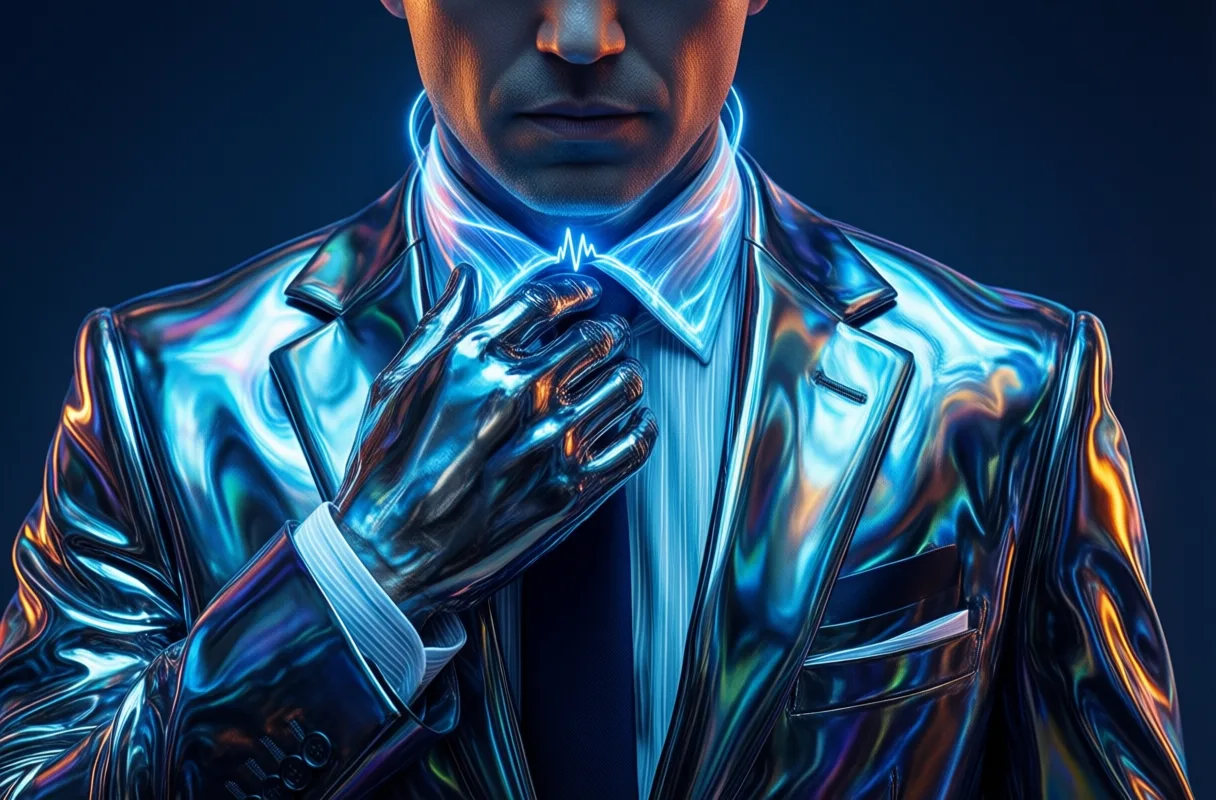
Natural fibers like cotton or wool often feel grounded and authentic, signaling simplicity or humility. Synthetics can imply artificiality, futurism, or even deception. A shiny, reflective material might make a character look powerful-or like they’re trying too hard to appear so.
Consider a character whose clothes look slightly too big or too small. Ill-fitting fabric can suggest they’ve changed-lost weight, grown up, or fallen on hard times. A once-fitted jacket now straining at the seams might hint at a loss of control. These details don’t need to be explained. They’re felt.
- Worn fabric = history, struggle, authenticity
- Crisp, new fabric = ambition, control, or performance
- Mismatched textures = internal conflict or improvisation
Fabric isn’t just about comfort-it’s about context. And context is character.
When Color Palettes Become Emotional Blueprints
Color doesn’t just decorate-it communicates emotion. A character draped in deep red might radiate passion, danger, or power. Someone in soft blue could seem calm, melancholic, or distant. Costume designers use color palettes like composers use notes, building emotional arcs through hue and saturation.
A shift in color over time can mirror a character’s journey. Think of a protagonist who starts in muted grays and slowly adopts warmer tones as they find hope or purpose. Or a villain who begins in rich purples and blacks, then fades into washed-out shades as their power crumbles. These changes happen silently, but they’re deeply felt.
And it’s not just about individual characters-color connects them. When two characters wear complementary colors, it can suggest harmony or attraction. Clashing tones might hint at tension or opposition. Even background characters are dressed to support the emotional tone of a scene.
- Red = passion, aggression, urgency
- Blue = calm, sadness, stability
- Yellow = optimism, caution, eccentricity
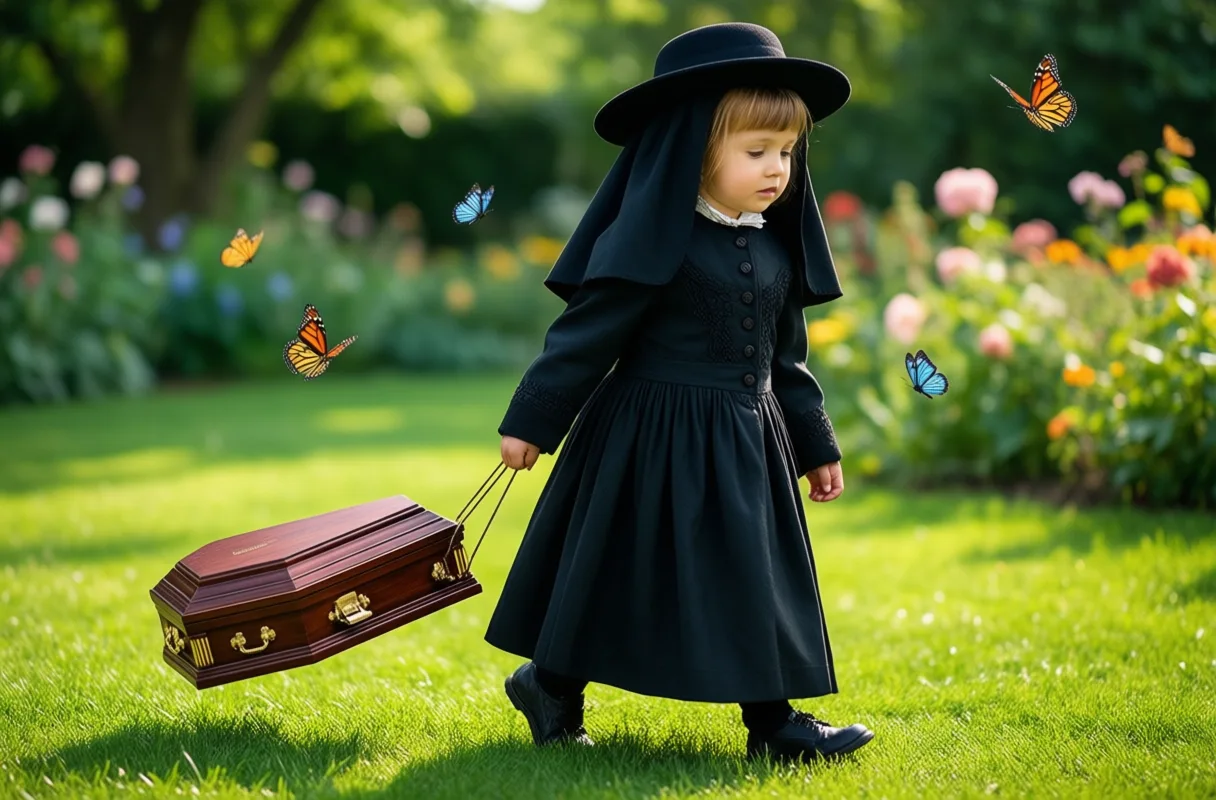
- Black = power, mystery, mourning
Color is never accidental. It’s a silent emotional script.
The Hidden Language of Fit and Tailoring
How clothes fit reveals how a character fits in the world. A perfectly tailored suit doesn’t just look good-it suggests discipline, status, or a need for control. On the other hand, a shirt that’s too tight or sleeves that don’t quite reach the wrists can signal discomfort, insecurity, or a life out of balance.
Tailoring can also reflect a character’s relationship with society. A uniform that’s crisp and regulation-perfect might belong to someone who Thrives within Systems. One that’s slightly altered-buttons undone, jacket unzipped-could belong to a rebel or someone testing boundaries.
Even the way a character wears their clothes matters. A collar popped, a tie loosened, a belt slung low-these aren’t just fashion choices. They’re expressions of attitude. A character who constantly adjusts their clothing might be nervous, self-conscious, or trying to maintain a facade.
Fit also plays with time. Vintage clothing that’s well-tailored suggests someone who values the past. Modern cuts on an older character can signal adaptability or a desire to stay relevant. The body and the garment in conversation-sometimes in harmony, sometimes at war.
Accessories as Silent Confessions
What a character carries-or doesn’t-can reveal their secrets. A wedding ring worn on a chain instead of a finger speaks volumes. A locket, a pocket watch, a chipped phone case-these aren’t just props. They’re emotional anchors, each with a story too personal to say out loud.
Accessories ground a character in reality. A pair of reading glasses perched on the nose suggests intellect or age. A worn leather satchel might indicate a life of travel or study. Even footwear tells a tale: scuffed boots imply long journeys, while pristine heels might suggest performance or aspiration.
And then there are the contradictions. A luxury watch on a character in ragged clothes? That could mean fallen fortune, stolen goods, or a stubborn grip on identity. A child’s toy tucked into an adult’s coat pocket? That’s a quiet cry of loss or longing.
Accessories are the small truths we can’t hide. They’re the details we forget to perform.
Costumes That Mirror Inner Conflict Without a Script
Sometimes the outfit fights the person wearing it. A character in a pristine white dress walking through mud isn’t just making a fashion mistake-they’re embodying a struggle. The costume becomes a metaphor, visually representing the tension between who they are and who they’re expected to be.
This duality shows up often in stories of transformation. A character might wear clothing that no longer fits-literally or symbolically. Think of someone in a childhood bedroom, still surrounded by toys and posters, long after they’ve grown. The costume becomes a prison of expectation.
Or consider the character who dresses completely opposite to their environment. A corporate lawyer in a punk jacket at a board meeting isn’t just making a statement-they’re revealing a clash between identity and duty. The costume doesn’t hide the conflict. It highlights it.
These visual contradictions don’t need explanation. They’re felt in the gut. And that’s the power of costume-it can show us a soul at war with itself, long before the words come.
Era Embodied: Clothing as Historical Compass
A single garment can transport us across time. The cut of a sleeve, the height of a collar, the shape of a shoe-these details anchor a character in a specific moment. Costume designers don’t just dress people; they reconstruct worlds, one stitch at a time.
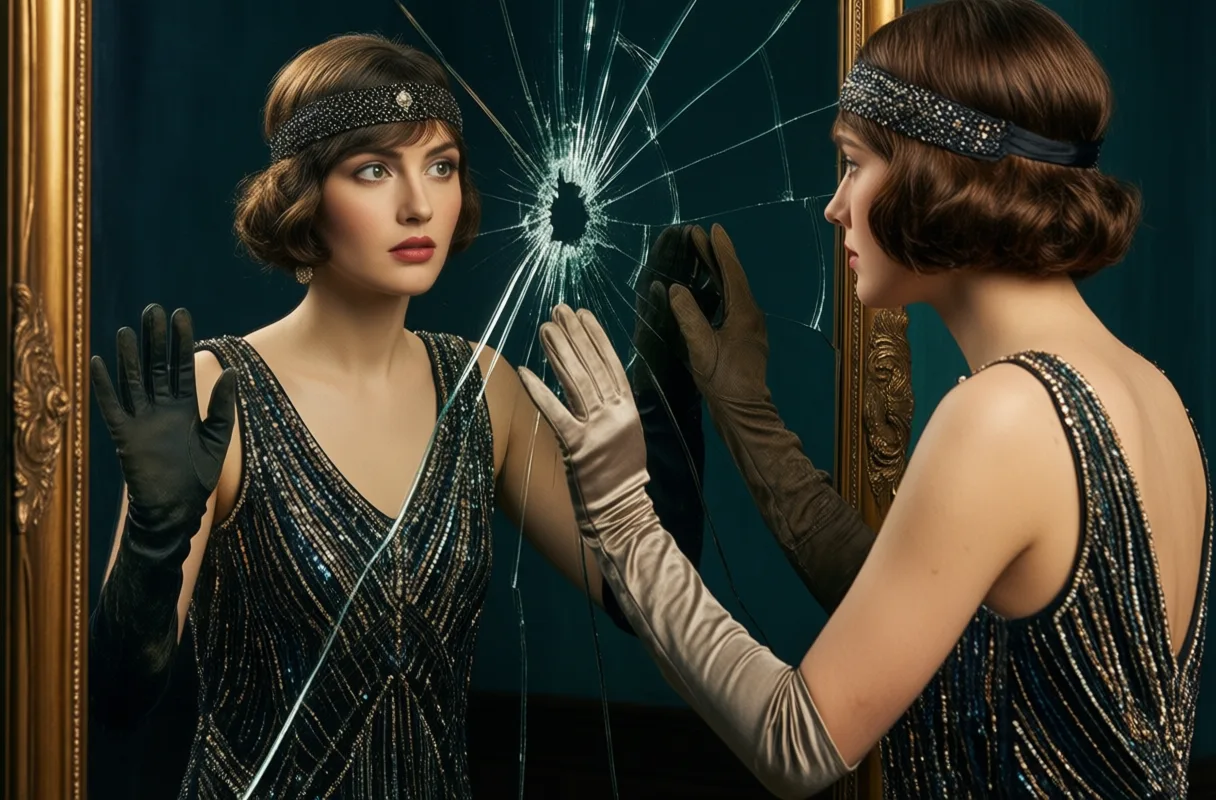
Period films rely heavily on this. A corset isn’t just restrictive clothing-it’s a symbol of societal constraints. A flapper dress with fringe and beads doesn’t just look glamorous; it dances with rebellion and freedom. The clothes carry the weight of history.
Even in modern settings, clothing can evoke the past. A character in vintage denim or a retro jacket might be clinging to nostalgia, rejecting trends, or honoring a lost era. The costume becomes a time capsule, whispering stories from another decade.
And it’s not just accuracy-it’s intention. A character in historically correct clothing that still feels slightly off might be out of place, pretending, or resisting change. The past, worn like a second skin.
Status Worn on the Sleeve-Literally
Clothing is one of the most visible markers of power. A crown, a badge, a tailored uniform-these aren’t just symbols. They’re instant signals of authority, class, or role. We recognize hierarchy before we hear a title.
Luxury fabrics, precise tailoring, and exclusive accessories often denote wealth or influence. A character in a fur-lined coat while others shiver isn’t just warm-they’re separated by more than temperature. The costume creates distance.
But status isn’t always obvious. Sometimes it’s in the details: a monogrammed cuff, a discreet logo, a watch that costs more than a car. Other times, it’s in the absence of effort-a billionaire in a plain t-shirt commands differently than one in a suit. Understated luxury can be the loudest statement.
And when status is challenged, clothing often reflects it. A servant wearing a stolen uniform, a rebel in a repurposed military jacket-these costumes speak of shifting power. The fabric becomes a battlefield.
Masks, Armor, and the Costumes That Conceal to Reveal
Sometimes, hiding the face reveals the truth. Superheroes wear masks not just to protect their identity-they wear them to become someone else. The mask strips away personal expression, leaving only symbol and silhouette. In that absence, the costume becomes the character.
Armor, too, tells a story of protection and isolation. A knight in full plate isn’t just ready for battle-they’re cut off from touch, emotion, vulnerability. The costume shields the body but also the soul. And when the helmet comes off, the contrast can be devastating.
Even non-fantasy characters use clothing as armor. A power suit, dark sunglasses, a stern expression-these are modern defenses. The costume becomes a barrier between the self and the world.
And yet, in the way the mask sits crooked, or the armor shows dents, we see the human underneath. The costume doesn’t erase the person-it frames them. What’s hidden often reveals more than what’s shown.
Dressing the Unspoken Motivation
Every stitch can point to a secret drive. A character who dresses impeccably might be compensating for insecurity. One who wears a parent’s old jacket might be chasing approval or preserving memory. Costume designers plant these clues like breadcrumbs, leading us to understand motivation without exposition.
Motivation shows up in repetition, too. A character who always wears red might be driven by passion or revenge. One who refuses to remove a coat, even indoors, might be hiding scars-physical or emotional. The costume becomes a clue to the inner engine.
And when a character changes their look, it’s rarely just fashion. A sudden switch to bold colors might signal a breakthrough. A return to old clothes could mean regression or comfort in the familiar. The wardrobe tracks the arc.
In the end, costume design isn’t about dressing actors. It’s about revealing who they are-before they say a word, before they move, before the music swells. It’s storytelling stitched into fabric, threaded through time, and worn like truth.
| Element | What It Reveals | Example from Article |
|---|---|---|
| Silhouette | Power, vulnerability, or mystery through shape and proportion | Darth Vader’s towering frame signals menace and isolation |
| Fabric Texture | History, struggle, authenticity, or artificiality | Frayed denim suggests a life lived hard; silk implies luxury |
| Color | Emotion, intent, and psychological change | Deep red radiates passion; soft blue suggests calm or melancholy |
| Fit and Tailoring | Control, discomfort, or relationship to societal norms | A too-tight shirt may signal insecurity or imbalance |
| Accessories | Secrets, intellect, loss, or identity through small details | A locket or chipped phone case holds personal, unspoken stories |
| Era-Specific Clothing | Historical context, societal constraints, or nostalgia | A corset symbolizes both period accuracy and social restriction |
| Masks and Armor | Identity transformation, protection, or emotional isolation | A superhero’s mask makes the costume the character |
Dressing the Part: What Clothes Say Before a Word Is Spoken
First Impressions in Fabric and Fit
Before a character speaks, their outfit tells a story. The cut of a jacket, the shine on a shoe, or a frayed hem can instantly signal social standing, confidence, or even a hidden past. A crisp, structured suit might suggest control and authority, while loose, mismatched layers could hint at someone disconnected or rebellious. It’s not magic-it’s visual language. Costume designers use silhouette, color, and texture like silent dialogue, letting audiences "read" who someone is in seconds.
Masks, Colors, and Hidden Truths
Sometimes, what’s worn says more about what’s being concealed. Superheroes wear masks not just to hide identities, but to project power-yet subtle details like scuffs or asymmetry can reveal inner turmoil beneath the armor. Color plays a sneaky role too: a character swathed in cool blues might seem calm, but if those same tones deepen into near-black as the story progresses, it could mirror a shift toward isolation or moral compromise. Even accessories whisper clues-a pocket watch clutched too tightly, or gloves worn indoors-small choices that speak volumes without sound.
From Era to Emotion, Threads Tell All
Costumes ground characters in time and place, but they also reflect emotional arcs. A woman in a corseted gown may look polished, but if the laces are strained or uneven, it can suggest she’s literally and figuratively constrained. Period pieces lean heavily on this-fabric choices alone can distinguish nobility from laborers, while modern stories use brandless, weathered clothing to imply rootlessness or resilience. Every stitch supports the narrative, proving that long before “action” is called, the clothes have already delivered their line.
Frequently Asked Questions
How does costume design reveal a character before they speak?
Costume design uses silhouette, color, fabric, and fit to communicate a character's status, personality, era, and inner conflict. These visual cues allow audiences to make instant judgments about who the character is without dialogue.
What do color choices in costumes tell us about a character?
Colors convey emotion and psychological shifts. Red suggests passion or danger, blue indicates calm or sadness, yellow implies optimism or eccentricity, and black signals power or mourning. Changes in color over time can mirror a character’s emotional journey.
How does clothing reflect a character's place in society or hierarchy?
Luxury fabrics, precise tailoring, and accessories like badges or monograms indicate authority, wealth, or class. The contrast between characters' clothing-such as fur-lined coats versus worn layers-visually establishes social distance and power dynamics.
What role do accessories play in character storytelling?
Accessories like rings, watches, glasses, or footwear provide silent clues about a character’s history, intellect, emotional state, or secrets. Contradictions-like a luxury watch on ragged clothes-can suggest fallen fortune or hidden identity.
This article was produced with AI assistance. How Motion Picture Magazine uses AI.
Motion Picture Magazine writes for Motion Picture Magazine - movies, celebrity gossip, entertainment news, style and best shows.