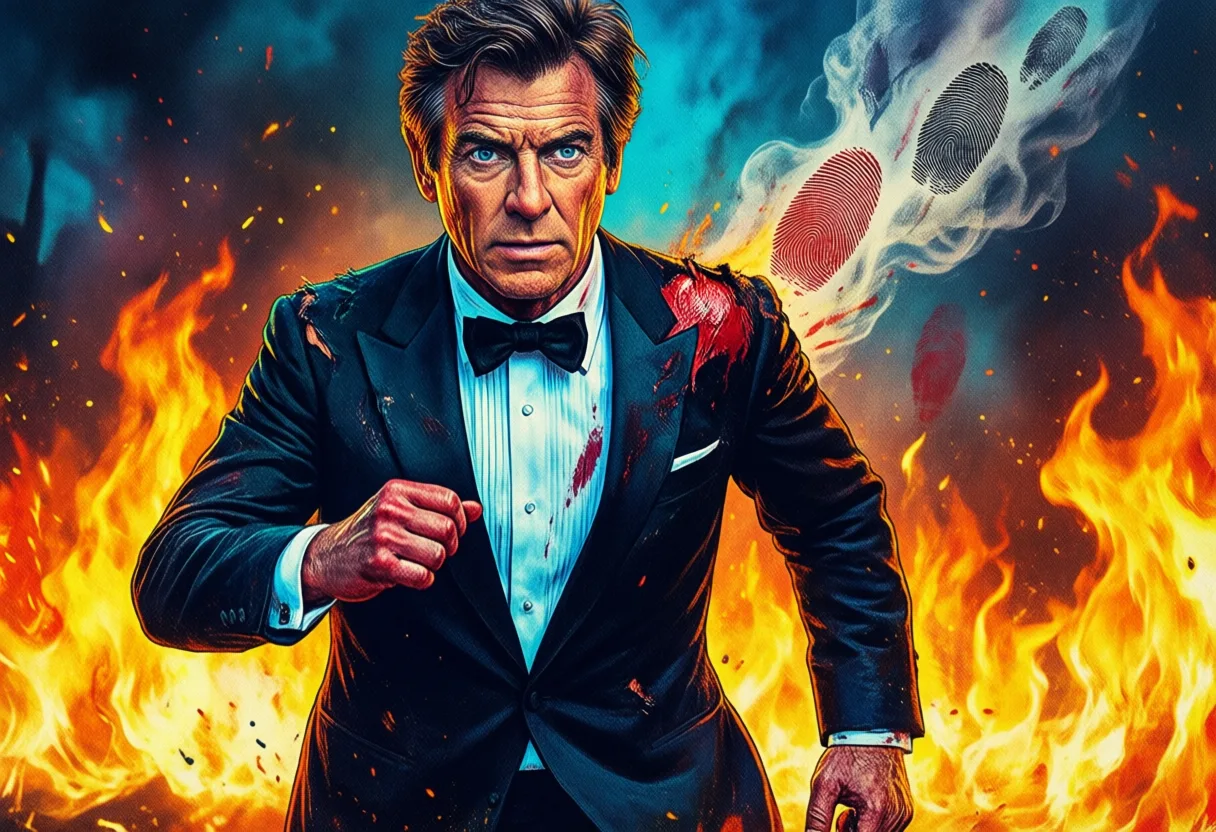
James Bond Wasn’t always about quips and skydiving into pre-title explosions. There was a time when 007 walked through fire with a haunted look in his eyes and a license to kill that felt heavier than a sniper round. That era-brief, bold, and brutally sincere-was defined by one man: Timothy Dalton.
He didn’t just play Bond. He Lived Him-like a soldier who’d seen too much but still answered the call. In two films, separated by a gap longer than most presidential terms, Dalton delivered a version of Bond that was closer to Ian Fleming’s original vision than any before or since. And yet, for years, his tenure was overlooked, dismissed as too serious, too intense, too Real.
Now, decades later, audiences are finally catching up. The man in the tuxedo wasn’t just saving the world-he was wrestling with it.
A Return to Bond’s Roots: Darker, Deadlier, and More Human
Bond wasn’t born in glittering casinos or gadget-laden garages. He was forged in the cold shadows of postwar espionage, where every mission left a mark and every lover carried risk. When Timothy Dalton stepped into the role, he didn’t lean into the cartoonish charm of earlier portrayals. Instead, he reached back-way back-to the roots of the Character.
His Bond was a soldier, not a showman. He didn’t crack jokes mid-chase. He didn’t flirt just to win. He moved through danger like a man who knew the cost. When he smiled, it meant something. When he fought, it hurt.
This wasn’t the suave playboy of pop culture legend. This was a man who remembered every name on the casualty list.
- He treated the “license to kill” as a burden, not a boast.
- He showed grief, rage, and doubt-emotions rarely seen in the role.
- His relationships felt lived-in, not scripted.
The result? A 007 who felt Human, not superhuman. And that made him far more compelling.
How Dalton’s Background Shaped a Grittier 007
Before the tuxedo and the Walther PPK, Timothy Dalton had already spent years mastering the craft of acting on stage and screen. He wasn’t a model cast for charisma alone. He was a Performer-trained, disciplined, and deeply committed to emotional truth.
That background showed in every scene. Where others might have relied on charm, Dalton relied on presence. He didn’t need to shout to command a room. He just Was There-solid, watchful, dangerous.
His classical training gave him a stillness that modern action stars often lack. He could convey volumes with a glance, a pause, a tightened jaw. It wasn’t about being flashy. It was about being Felt.
- He approached Bond like a Shakespearean role-layered, tragic, proud.
- His voice, rich and resonant, carried weight without needing to rise.
- He treated violence as a last resort, not a party trick.
This wasn’t just casting. It was Revelation. A reminder that Bond could be more than a brand-he could be a character.
Why the Tone Shift Caught Audiences Off Guard
Let’s be honest: people expected fun. After years of high-octane stunts and cheeky one-liners, the Bond franchise had settled into a rhythm-explosive, yes, but safe. Then Dalton arrived, and suddenly, the stakes felt real.
His first film dropped in the late '80s, a time when action heroes were growing louder, not quieter. Think muscle cars, bigger explosions, and heroes who never bled. Dalton’s Bond didn’t fit that mold. He bled. He Remembered The blood.
Audiences weren’t ready for a Bond who looked at a dead body and didn’t shrug-but Grieved.
- He didn’t wink at the camera after defusing a bomb.
- He didn’t toss quips while dangling from a helicopter.
- He Listened To the silence after a gunfight.
It was jarring. Not because it was bad-but because it was Honest. And honesty doesn’t always sell popcorn.
The Influence of Fleming’s Original Novels on the Portrayal
Ian Fleming’s James Bond wasn’t a cartoon. He was a man shaped by war, loss, and duty. He drank too much, loved too recklessly, and carried the weight of every mission like a second shadow.
Timothy Dalton read those books. And he Believed Them.
His performance echoed the emotional complexity of the novels-the loneliness, the moral ambiguity, the quiet exhaustion of a man who’d seen too much evil to pretend it didn’t matter.
- He quoted Fleming’s dialogue almost verbatim in key scenes.
- He treated Bond’s relationships with the gravity the books demanded.
- He embraced the idea that Bond wasn’t invincible-just relentless.
This wasn’t reinterpretation. It was Restoration. A return to the soul of the character before the sequels piled on the spectacle.
Balancing Emotion and Duty in a World of Moral Gray
Most action heroes choose between love and duty. Dalton’s Bond didn’t get to choose. He Lost Both.
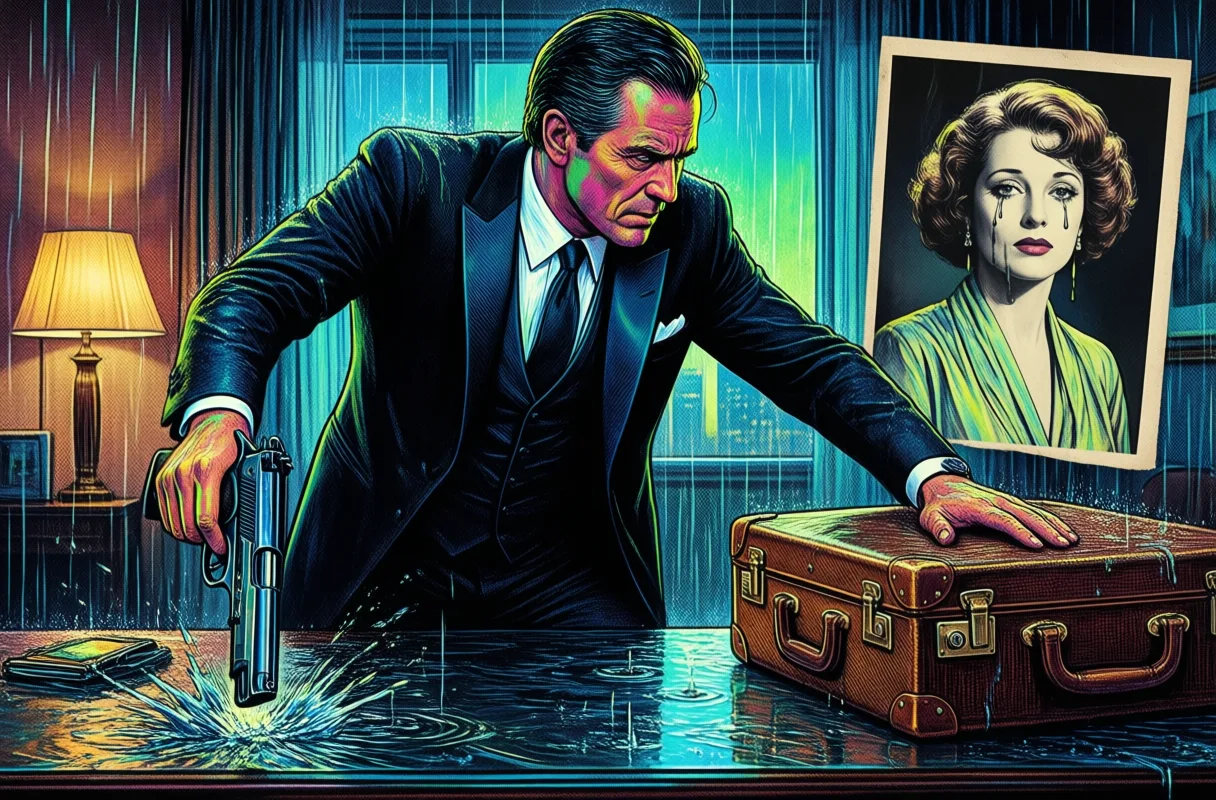
In his films, love wasn’t a reward. It was a vulnerability-one that enemies exploited. When he cared, it cost him. And when he failed, it Hurt.
This wasn’t the invincible lover we’d seen before. This was a man who loved deeply, then had to walk away-because the job demanded it.
- He didn’t conquer grief. He carried it.
- He didn’t ignore betrayal. He Felt It.
- He didn’t win every fight. But he kept fighting.
That’s the heart of his legacy: a Bond who wasn’t just saving the world-but Suffering For it.
What Set These Films Apart from Their Predecessors
Compare Dalton’s Bond to the ones that came before, and the differences aren’t just stylistic-they’re philosophical.
Earlier films treated danger like a game. Dalton treated it like war.
- The villains weren’t mustache-twirling caricatures-they had power, ideology, and reach.
- The stakes weren’t about world domination by remote control. They were about trafficking, addiction, and real human suffering.
- The action wasn’t clean. It was brutal, messy, and sometimes futile.
Even the gadgets felt grounded. No invisible cars. No laser watches. Just a man, his skills, and the will to survive.
And the women? They weren’t prizes. They were partners, victims, warriors-sometimes all at once. Bond didn’t save them. He Fought beside Them.
Reevaluating the Legacy After Decades of Misjudgment
For years, Dalton’s era was dismissed. Too dark. Too serious. “Not enough fun,” people said.
But time has a way of sharpening perspective.
Now, with gritty reboots and morally complex heroes dominating our screens, Dalton’s performance feels Ahead of its time. He wasn’t failing to entertain-he was redefining what Bond Could Be.
- Modern audiences see the depth they once missed.
- Critics now praise his restraint, not dismiss it.
- Younger fans discover him and ask, “Why wasn’t this the template?”
He wasn’t just a footnote. He was a Blueprint.
The Impact of Real-World Tensions on Storytelling
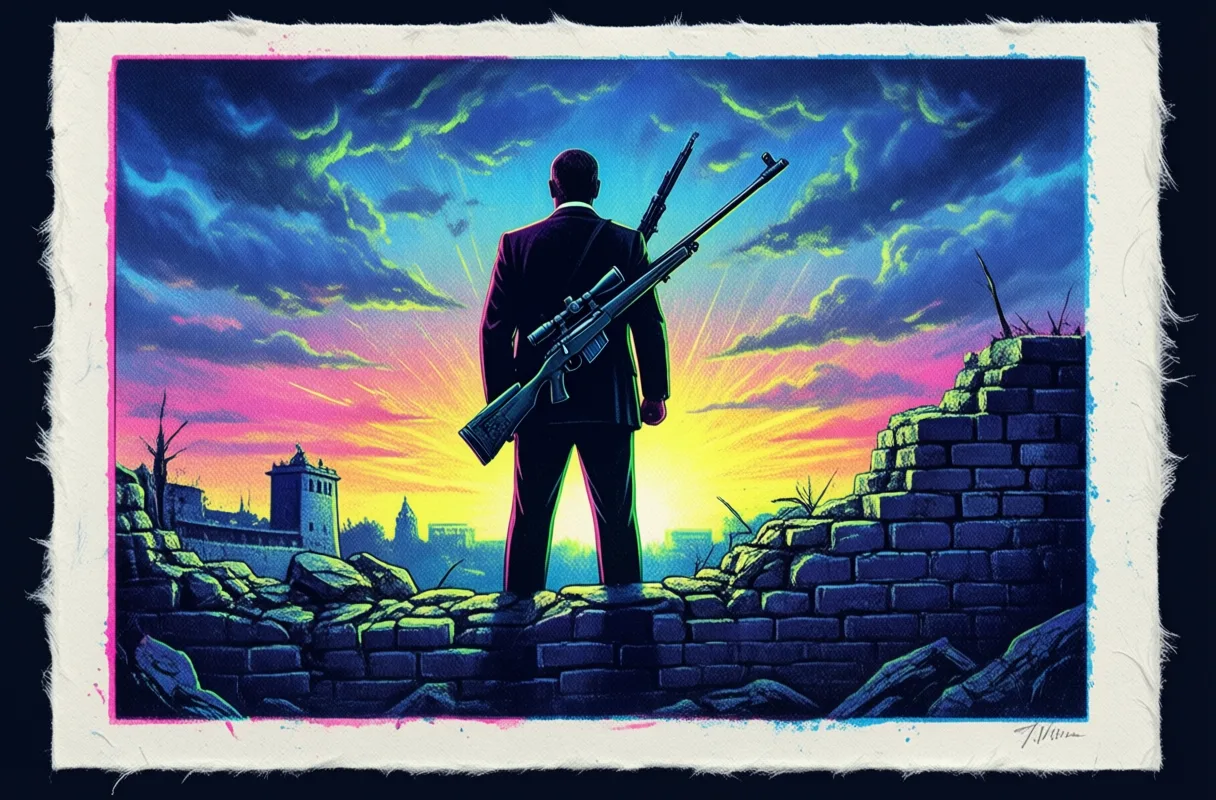
The late '80s weren’t just a backdrop-they were a Character. The Cold War still cast long shadows. Drug wars raged. Trust in institutions was crumbling.
Dalton’s Bond didn’t fight cartoon villains. He fought the Real Threats of his time-corruption, trafficking, the weaponization of fear.
- His enemies weren’t trying to blow up the moon. They were poisoning cities.
- His missions weren’t about stopping doomsday devices. They were about Saving People.
- The world felt fragile, not farcical.
This wasn’t escapism. It was Reflection. A mirror held up to a world that was already dangerous enough-no lasers required.
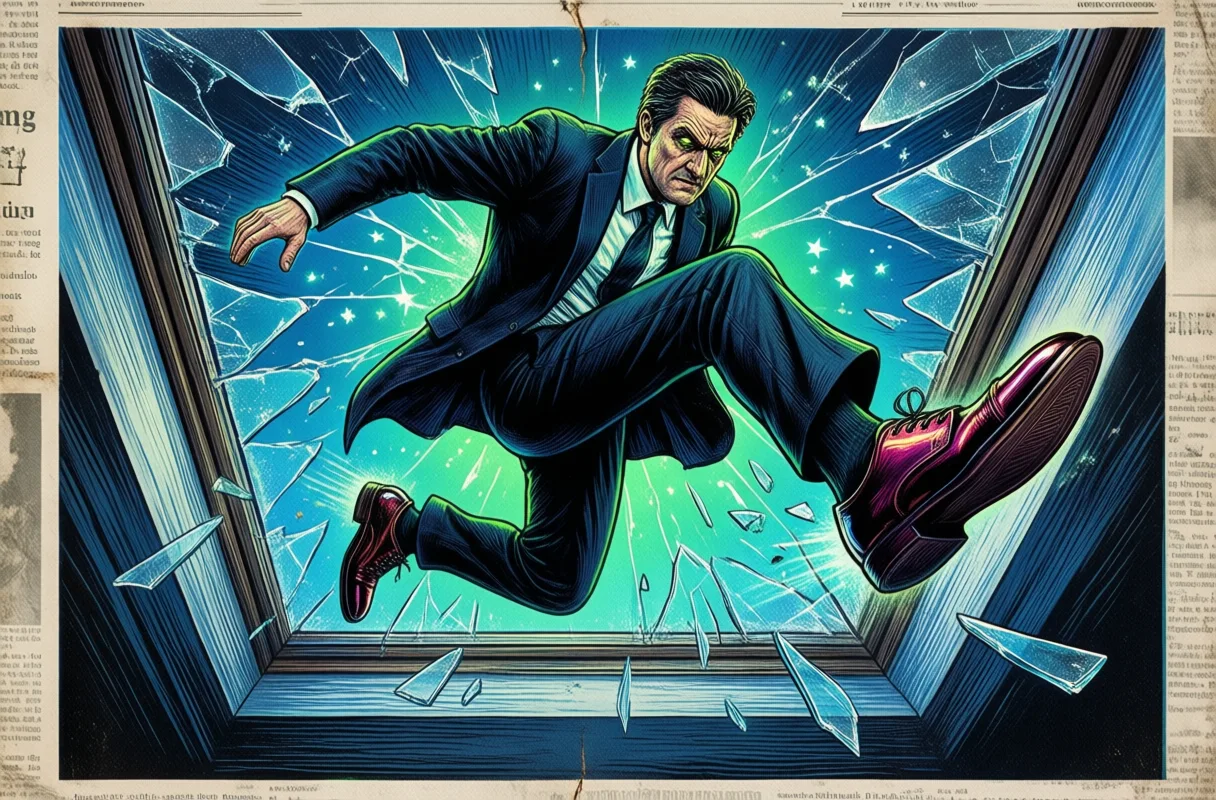
Action with Consequences: A New Standard for Stunts and Violence
When Dalton fought, you Felt It. He didn’t bounce back from falls. He didn’t walk away from gunshots with a smirk.
His action scenes were raw, physical, and exhausting. Because that’s what real violence is.
- He got hurt. He stayed hurt.
- He used cover, tactics, and pain to survive-not plot armor.
- Every punch landed like it Mattered.
This wasn’t choreography. It was Combat. And the consequences lasted beyond the cut to the next scene.
Why Chemistry with Co-Stars Elevated the Stakes
A great Bond film needs more than explosions. It needs Connection. And Dalton had it-in spades.
His scenes with leading ladies weren’t just romantic. They were Charged. You believed the love because you believed the risk.
- He listened more than he spoke.
- He protected, but never patronized.
- He shared vulnerability-rare for a man in his line of work.
And with allies? He didn’t command. He Collaborated. He trusted-until he couldn’t.
That chemistry didn’t just elevate the scenes. It raised the Emotional stakes. When someone died, you Felt It-because Bond did.
Redefining the Role Without Imitating What Came Before
Timothy Dalton didn’t try to be Sean Connery. He didn’t mimic Roger Moore. He didn’t need to.
He stepped into Bond’s shoes and asked: What if this were real?
- No tuxedo jokes.
- No exaggerated villains.
- No winking at the audience.
Just a man doing a terrible job because someone had to.
He didn’t redefine Bond by changing the formula. He redefined him by Believing In him-fully, fiercely, without irony.
And in doing so, he gave us the most Human 007 we’ve ever seen. Not the first. Not the last. But perhaps, the truest.
A Fresh Take on 007
The Bond Who Meant Business
Timothy Dalton brought a stark intensity to James Bond that stood apart from his predecessors. He stepped into the role determined to honor the grittier tone of Ian Fleming’s original novels, trading some of the character’s trademark wit for a more serious, almost brooding demeanor. His first outing, The Living Daylights, arrived in 1987 after a six-year gap since A View to a Kill, making fans wait longer than ever for a new Bond adventure at the time.
Dalton’s tenure was short, with only two films-The Living Daylights And Licence to Kill-but his impact lingered. He portrayed Bond as a man who truly felt the weight of his license to kill, showing emotional depth and moral conflict rarely seen before in the series. In Licence to Kill, Bond goes rogue to avenge a friend, operating outside MI6 for the first time, which gave the story a darker, more personal edge. Despite the critical praise for his performance, shifting studio priorities and production delays ultimately led to his departure before a third film could be made. Explore more stories, videos, and creators on Loaded.
Frequently Asked Questions
How many James Bond films did Timothy Dalton star in?
Timothy Dalton starred in two James Bond films: The Living Daylights and Licence to Kill.
What made Timothy Dalton’s portrayal of Bond different from previous actors?
Dalton’s Bond was more serious, emotionally complex, and grounded in realism, closely reflecting Ian Fleming’s original novels. He showed grief, doubt, and moral conflict, avoiding quips and treating violence as a last resort.
Why was Timothy Dalton’s Bond era initially dismissed by audiences?
Audiences expected fun and spectacle, but Dalton delivered a darker, more intense Bond who grieved and felt the weight of his actions. His serious tone clashed with the lighter style of earlier films, making it jarring for some.
How did real-world events influence the storytelling in Dalton’s Bond films?
The late '80s backdrop of Cold War tensions, drug wars, and institutional distrust shaped the stories. His enemies dealt with trafficking and corruption, making the threats feel real and grounded rather than fantastical.
This article was produced with AI assistance. How Motion Picture Magazine uses AI.
Rowan explores how streaming platforms shape viewing habits and global storytelling, blending data with cultural insight. They focus on the rise of niche genres, international hits, and the evolving relationship between audiences and algorithms.