
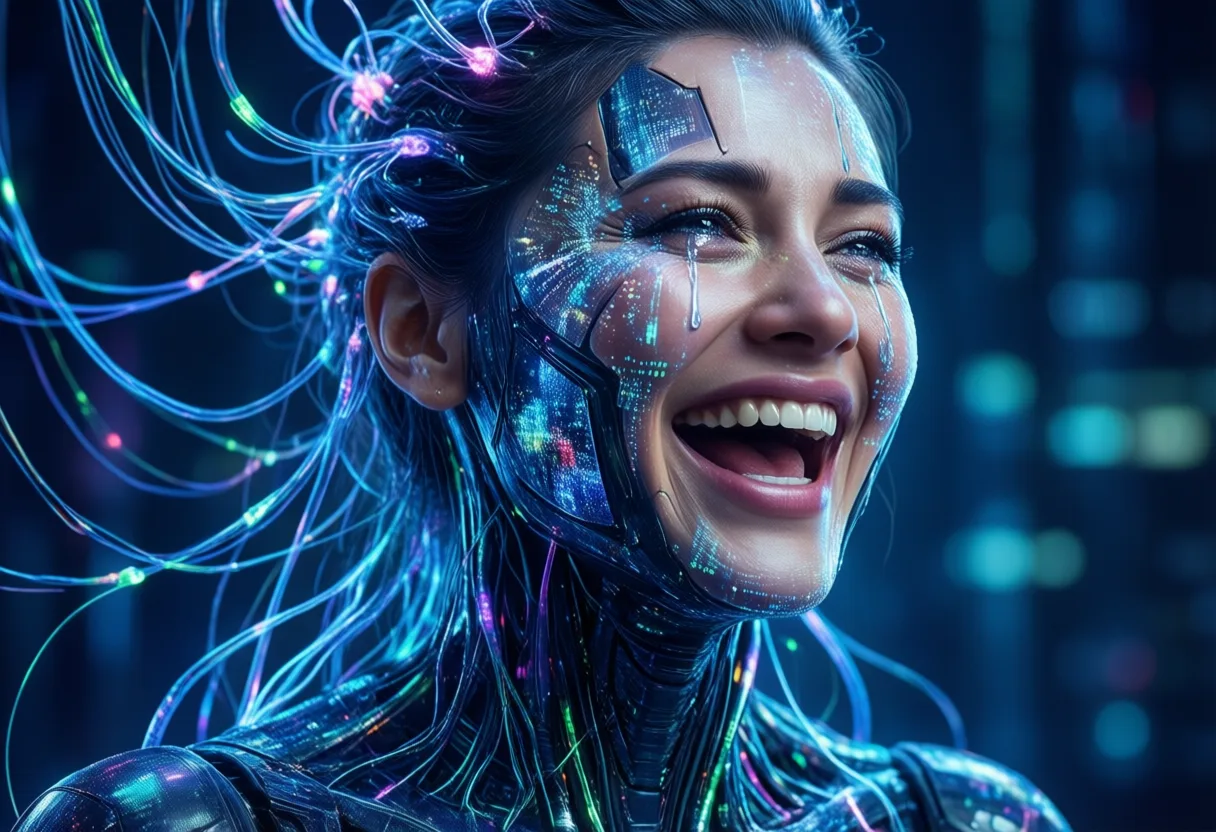
The future of cinema isn’t just arriving-it’s already on screen, quietly reshaping how we experience stories. You don’t need a decoder ring to notice the difference; it’s in the way a character’s grief feels tangible, or how a cityscape breathes with impossible detail. What we’re seeing isn’t spectacle for spectacle’s sake, but A quiet revolution where technology serves emotion, not the other way around.
The seamless fusion of performance capture and narrative depth
Gone are the days when digital avatars felt like hollow shells dancing through green rooms. Today’s performances aren’t just captured-they’re Felt, translated through systems that track micro-expressions with startling fidelity. A furrowed brow or a half-suppressed smile now carries narrative weight, no longer lost in Translation between Actor and algorithm.
This isn’t about replacing human nuance. It’s about amplifying it. Performers can embody creatures or characters light-years from their physical form while still delivering layered, emotionally grounded Work. The result? Stories that challenge genre boundaries without sacrificing authenticity.
- Emotionally resonant CGI characters now react in real time to dialogue and environment
- Actors report feeling more connected to roles despite heavy tech integration
- Directors note fewer retakes, as emotional beats land with greater consistency
We’ve moved beyond uncanny valley. Now, audiences cry for digital beings not because they look real-but because they Feel Real. That shift didn’t happen overnight, but 2024 marks the year it stopped being remarkable and started being expected.
And yet, there’s irony in perfection: the better the tech gets, the less we talk about it. When a performance moves you, you don’t wonder about joint rotation algorithms-you remember the moment. That invisibility is the ultimate win.
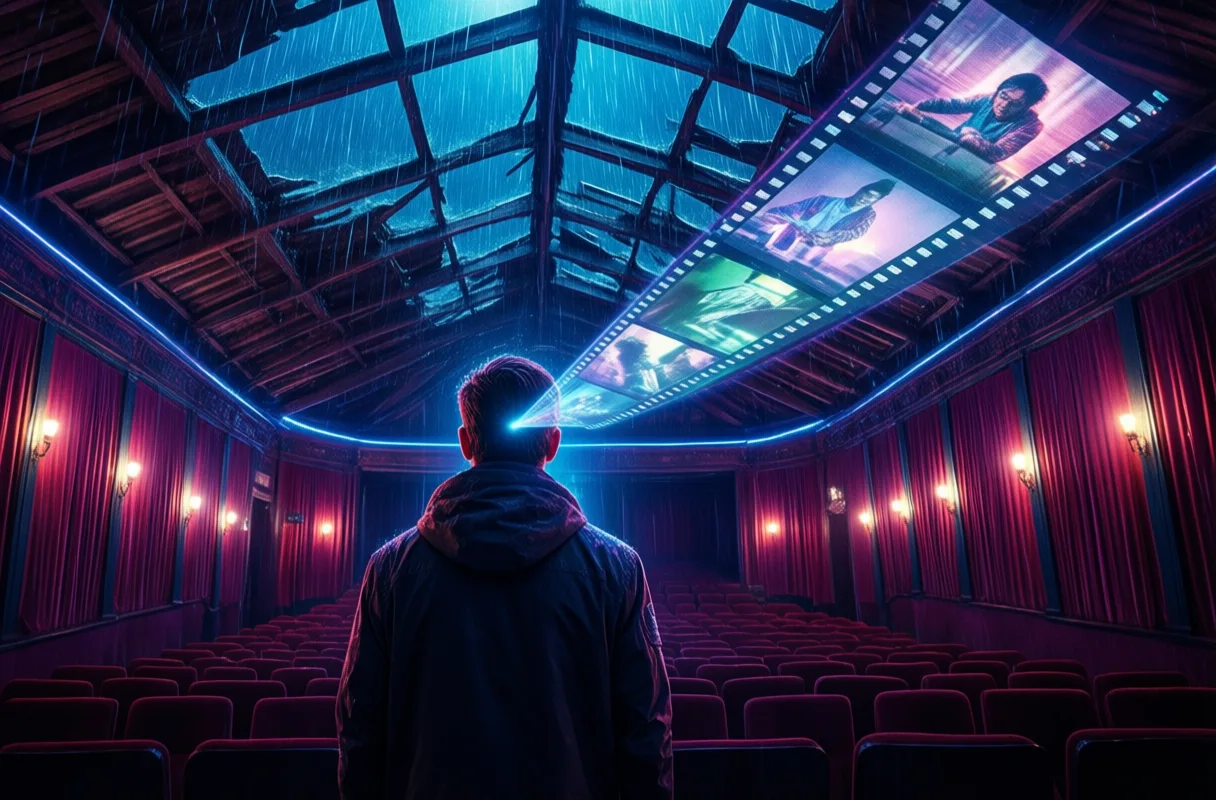
Expanding cinematic worlds with real-time rendering engines
Imagine building an entire planet during lunch break. That’s the reality when filmmakers wield real-time rendering engines capable of generating photoreal environments on the fly. No more waiting hours for renders-just tweak the weather, shift the architecture, and keep rolling.
These tools have turned previsualization into something closer to live direction. What used to be storyboards and approximations now unfolds as near-final imagery, viewable through headsets or on set monitors. Directors walk through digital forests before a single tree is planted.
- Entire sequences are blocked and refined in virtual space days before principal photography
- Costume and lighting choices are tested against dynamic backdrops instantly
- Production designers collaborate across continents using shared virtual stages
It’s not just efficiency-it’s creative freedom. The pressure to “get it right” during limited shoot windows has eased, allowing for improvisation and iteration once reserved for post-production.
One side effect: some sets now feel quieter, almost meditative, as crews watch Complex scenes Unfold on screens rather than in front of them. There’s a slight dissonance in clapping after a perfect take that happened entirely inside a computer.
But the audience doesn’t care about workflow elegance. They care if the world feels lived-in. And in 2024, even the most outlandish settings carry the grit and gravity of truth.
How AI-assisted editing shaped pacing without losing soul
Editing has always been part art, part instinct-a rhythm built in the dark over weeks of trial and error. Now, AI tools offer data-driven suggestions on shot duration, cut timing, and emotional arc, helping editors test pacing variations faster than ever.
But here’s the twist: the best results come when the machine Listens To the editor, not the other way around. Algorithms can flag moments where attention might lag, but they can’t tell you when to hold a close-up a half-second longer because something unspoken passes through an actor’s eyes.
- AI identifies optimal cut points based on eye-tracking studies and engagement models
- Editors use predictive timelines to explore alternate structures in hours instead of days
- Test screenings now integrate biometric feedback loops to refine emotional peaks
Yet, the final cut remains stubbornly human. One acclaimed director admitted using AI to generate twelve versions of a pivotal scene-only to go back to her original instinct, unchanged.
There’s comfort in knowing the tech hasn’t taken over. If anything, it’s freed editors to focus less on repetition and more on intention. Like having a metronome while composing music-you still write the melody.
And perhaps that’s the quiet triumph: machines handle the math, so humans can keep making meaning.

Lighting design meets machine learning: a new era of mood control
Lighting has always shaped mood-think of noir shadows or the golden haze of a romantic dawn. Now, machine learning Analyzes decades Of cinematography to suggest lighting setups that match emotional tone, historical style, or even audience response patterns.
These systems don’t replace gaffers or directors of photography. Instead, they act as informed collaborators, offering options calibrated to subtle shifts in color temperature, shadow density, or highlight bloom. Want a scene to feel nostalgic but uneasy? The system might propose a warm palette undercut by cool rim lighting.
- ML models trained on classic films help replicate signature looks with precision
- Real-time adjustments adapt to actor positioning and movement mid-shot
- Virtual previews allow DP teams to experiment without re-rigging physical lights
On one high-profile shoot, the lighting rig subtly shifted hue throughout a monologue to mirror the character’s internal unraveling-changes so gradual they’d be imperceptible frame-by-frame but powerful in sequence.
It’s a delicate balance. Too much automation risks homogenization-the “look” of algorithms rather than artists. But when used with restraint, these Tools deepen Expressiveness without calling attention to themselves.
After all, great lighting isn’t noticed. It’s Felt. And if the machine helps us feel deeper, who’s to argue?
Virtual production stages and the end of location limitations
Why fly a crew to Iceland when you can recreate its glaciers-and add dragon nests-in a soundstage in Toronto? Virtual production stages, powered by massive LED walls and immersive environments, have made geography irrelevant.
Filmmakers now shoot against dynamic backdrops that respond to camera movement, eliminating forced perspective and post-production compositing delays. The parallax is real, the reflections accurate, and the actors finally have something to Look at Besides tennis balls on sticks.
- Entire cities, alien planets, and historical eras exist as navigable digital sets
- Weather and time-of-day changes happen with a few keystrokes
- Location permits, travel costs, and environmental concerns shrink dramatically
One unintended benefit: sustainability. Fewer flights, less equipment transport, and reduced on-site energy use add up to a smaller carbon footprint-something studios are quietly proud of, even if they rarely lead with it.
Still, some mourn the chaos of real locations-the surprise rainstorm, the local vendor who becomes an extra, the magic of capturing something unrepeatable. Digital perfection lacks those happy accidents.
But when a child actor delivers a flawless performance because they’re actually standing beneath a glowing alien sky-not imagining it-the trade-off feels worth it.
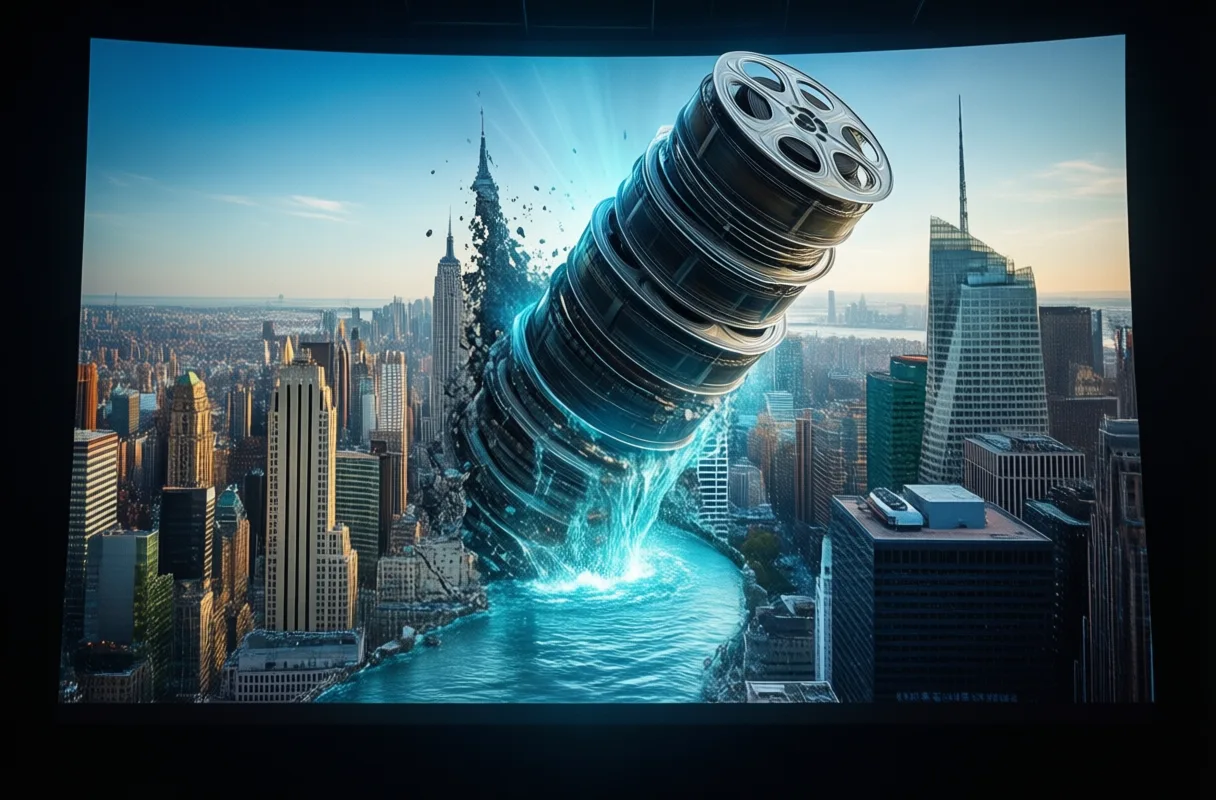
Dynamic camera systems that respond to actor movement
Cameras used to follow action. Now, they Anticipate It. Dynamic rigs equipped with motion prediction algorithms adjust framing in real time, keeping focus tight even during improvised choreography or erratic emotional outbursts.
These systems learn an actor’s patterns-how they pivot, gesture, or retreat during a scene-and adjust lens speed, tilt, and depth of field accordingly. It’s not surveillance; it’s symbiosis. The camera becomes a silent scene partner.
- Autofocus systems now prioritize emotional intensity over proximity
- Drone-mounted cameras navigate crowded sets without endangering cast
- Long takes grow longer, bolder, and more fluid thanks to predictive tracking
One widely praised sequence this year featured a four-minute continuous shot through a collapsing building, with the camera weaving around debris and characters-all guided by real-time spatial mapping.
Critics noted how little the technique drew attention to itself. The brilliance wasn’t in the tech, but in how it served tension, never letting the audience catch their breath.
In an age where anyone can shoot video, what separates cinema is Intention. These systems don’t replace vision-they extend it.
Post-release interactivity: letting audiences reshape endings
For decades, a film ended when the credits rolled. Now, some blockbusters offer alternative conclusions accessible through second-screen experiences or platform-specific features. Audiences don’t just watch-they participate.
These aren’t choose-your-own-adventure gimmicks. The branching paths are fully produced, with different emotional payoffs, character fates, or thematic emphases-each valid, none dismissed as “bonus content.” Some viewers report watching multiple versions just to grasp the full scope.
- Alternate endings explore moral ambiguity or unresolved subplots
- Streaming platforms enable personalized viewing journeys based on user preferences
- Filmmakers release “director’s path” modes explaining their intended arc
There’s a risk, of course: when every ending exists, does any one of them feel inevitable? Drama thrives on consequence, and choice can dilute stakes.
Yet, for stories rooted in identity, loss, or decision-making, offering multiple resolutions feels less like compromise and more like respect-for the complexity of life, and the viewer’s role in interpreting it.
Cinema has always evolved. From silent to sound, black-and-white to color, film to digital-each shift brought hand-wringing and wonder. This time, the change isn’t just how we make movies, but how we Live Them.
Behind the Screens: The Pulse of Modern Movie Critique
Tech Meets Taste in Real Time
Movie reviews plugged in thrive on immediacy, blending instant audience reactions with critic insights the moment credits roll. Platforms now sync social media pulses with professional analysis, letting fans see how a blockbuster’s reception unfolds second by second. Some review hubs even integrate real-time sentiment tracking from live-tweeted reactions, offering a snapshot of which scenes land-and which don’t-across global audiences.
A surprising number of plugged-in reviews now include accessibility notes, highlighting elements like subtitle accuracy, audio description quality, or flashing light warnings-details often overlooked but vital for inclusive viewing. These aren't just footnotes; they’re becoming standard features, reflecting a shift toward broader audience awareness. Even small production choices, like font legibility in on-screen text, are getting called out when they distract or exclude. Explore more stories, videos, and creators on Loaded.
Frequently Asked Questions
How is technology enhancing emotional performances in 2024 films?
Performance capture now tracks micro-expressions with high fidelity, allowing digitally rendered characters to convey nuanced emotions. This makes CGI characters feel emotionally real, not just visually realistic.
What role do real-time rendering engines play in filmmaking?
They allow filmmakers to create photoreal environments instantly, enabling directors to walk through digital sets before filming. This supports immediate adjustments to lighting, weather, and architecture during preproduction.
How is AI used in film editing without losing creative soul?
AI suggests pacing and cut timing based on data, but editors retain final control. The technology speeds up experimentation while preserving human instinct in the final cut.
Can audiences change movie endings in 2024 blockbusters?
Yes, some films offer fully produced alternate endings accessible through second-screen experiences. These explore different character fates or themes, letting viewers engage with multiple valid conclusions.
This article was produced with AI assistance. How Motion Picture Magazine uses AI.
Isolde dissects award campaigns, voting patterns, and industry politics with precision. She tracks how prestige television and arthouse films navigate recognition, emphasizing diversity shifts and behind-the-scenes power dynamics shaping nominations.