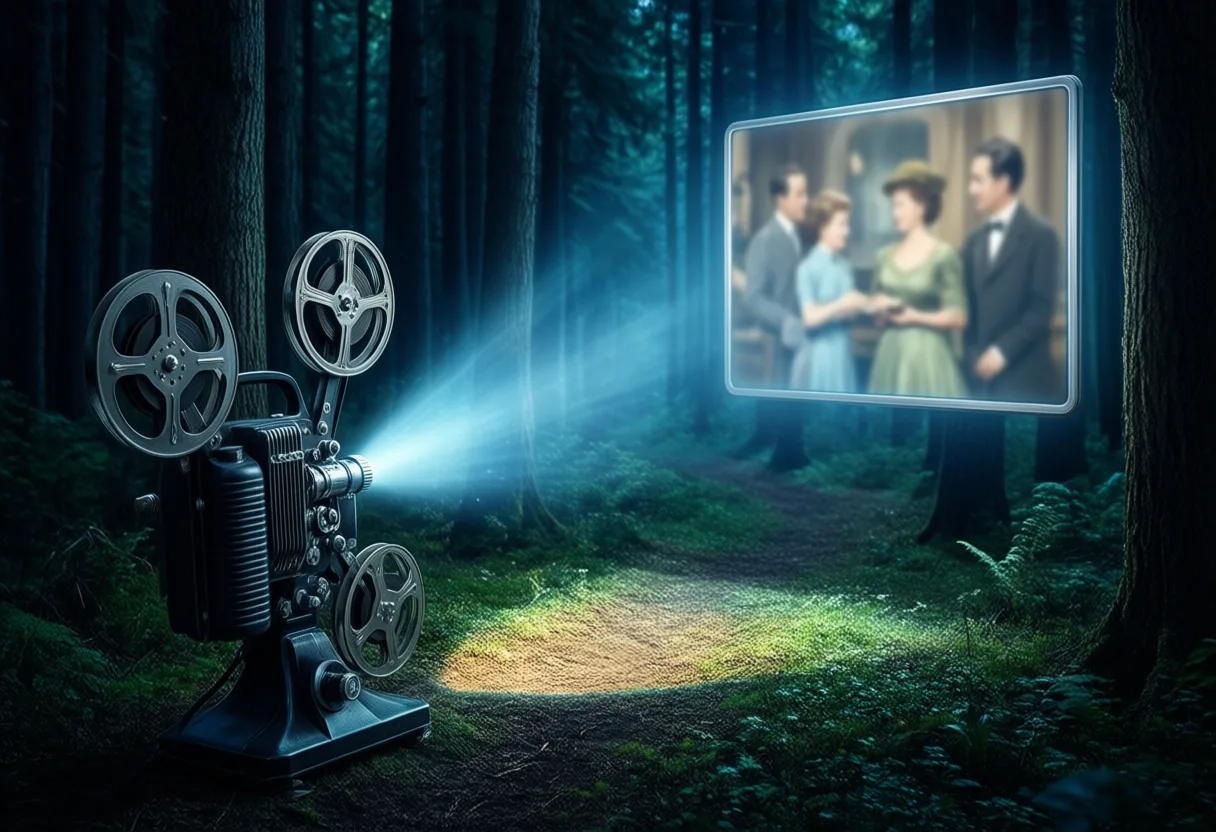
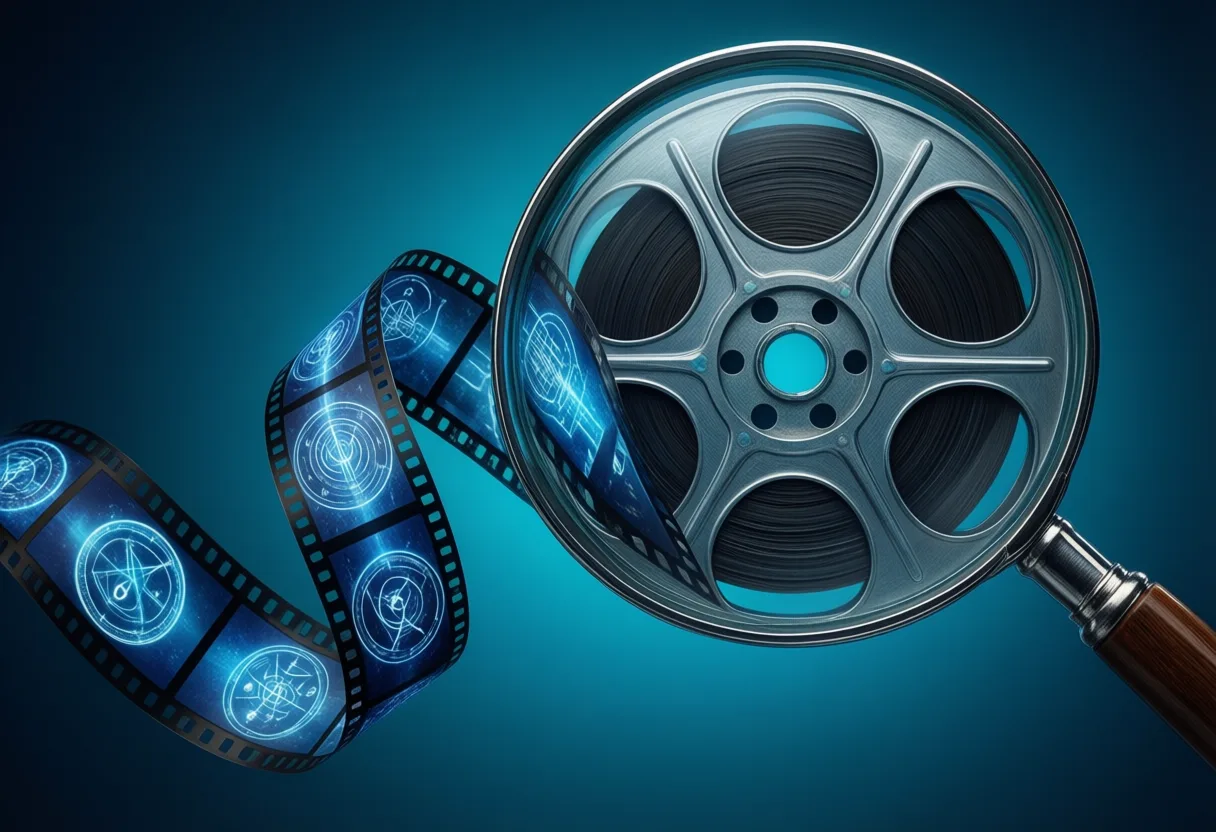
It’s not just about what happens on screen anymore. For millions of viewers, a film doesn’t end with the credits-it begins there. The act of Watching Has quietly morphed into something more forensic, where every shadow, whisper, and wardrobe choice becomes a clue in an ever-expanding puzzle.
Why Fans Can’t Look Away from Film Breakdowns
We’ve all rewatched a scene one too many times, squinting at the background like we might catch a secret handshake between characters. It’s no longer enough to simply enjoy a story-we want to crack it open, examine its gears, and see how it ticks. This isn’t just fandom; it’s Forensic viewing, a cultural shift fueled by accessibility and amplified by social media.
Streaming platforms have turned movies into interactive experiences. Rewinding, pausing, and zooming are second nature now. We don’t just Consume films-we interrogate them. And why wouldn’t we? When a single shot can hold layers of meaning, who wouldn’t want to dig deeper?
The real draw isn’t just understanding the director’s intent-it’s the thrill of discovery. Finding something “no one else saw” feels like winning a quiet, personal award. Whether it's spotting a hidden symbol or predicting a twist three acts early, these moments validate our attention. We’re not passive audiences anymore; we’re Co-investigators In the storytelling process.
The Hidden Language of Lighting and Color Palettes
Lighting does more than illuminate-it communicates mood, motive, and even moral alignment without a single line of dialogue. A character bathed in warm amber might seem trustworthy, while the same face under cold blue could feel ominous. These Choices Aren’t accidents. They’re part of a visual grammar that fans have become fluent in.
Color grading has evolved into a narrative tool, not just a stylistic flourish. Think of the sickly green tint in The Matrix Or the oppressive orange haze of Children of Men. These palettes shape how we interpret tone and tension. Now, viewers pause mid-scene to screenshot color gradients, comparing frames across timelines like art historians studying brushstrokes.
Some fans go further, mapping color shifts across Entire films To track emotional arcs. A protagonist’s journey from isolation to connection might be mirrored in a slow transition from monochrome to vibrant hues. It’s Visual psychology, and audiences are decoding it frame by frame.
- Warm tones often signal safety or nostalgia
- Cool tones suggest detachment or danger
- Sudden color contrasts can foreshadow conflict
This isn’t overthinking-it’s recognition of how deeply cinematic language operates beneath the surface. And once you see it, you can’t unsee it.
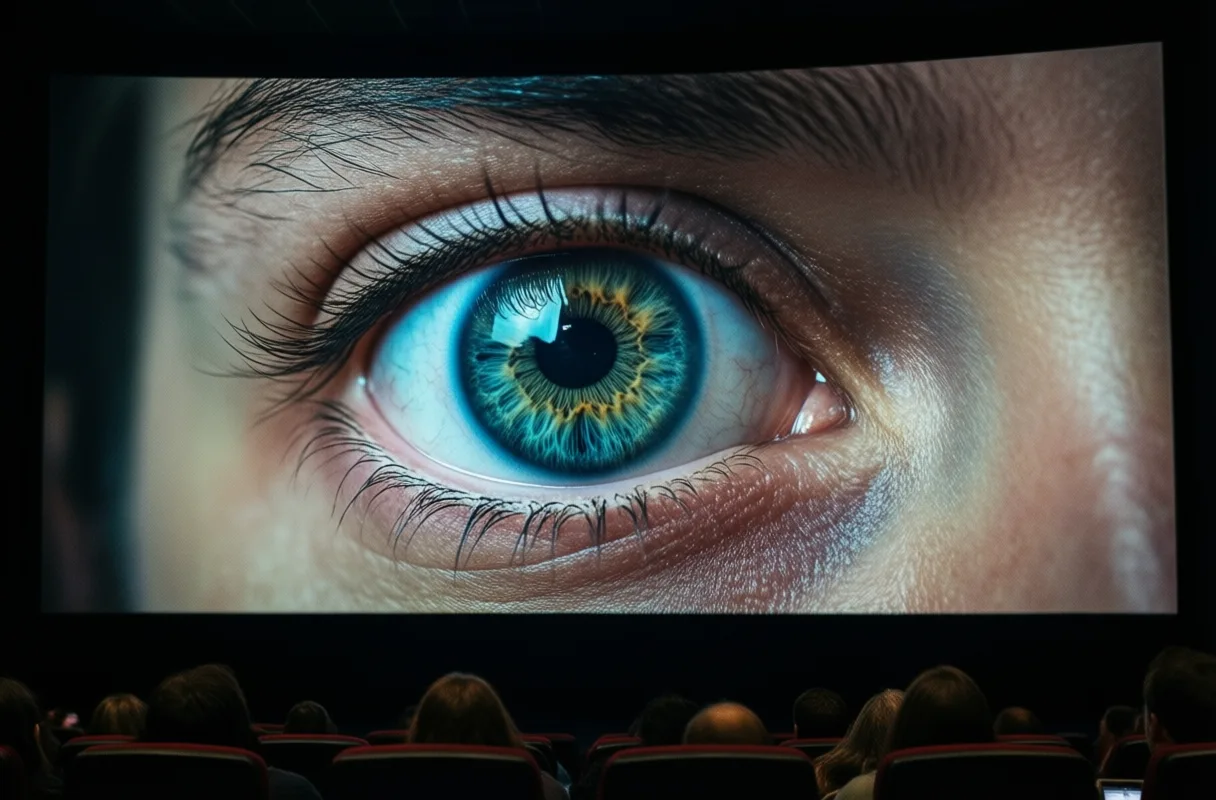
How Sound Design Fuels the Deep-Dive Culture
Sound is the invisible hand guiding emotion. A creaking floorboard, a distant siren, the absence of music-each decision manipulates how we feel, often without us realizing it. But today’s viewers aren’t just hearing sound; they’re Reverse-engineering It.
Fans isolate audio tracks to study ambient noise, searching for hidden messages or continuity errors. Some replay scenes at half-speed to catch whispered lines buried under score. Others analyze silence, treating it like negative space in a painting-meaningful because of what’s missing.
Take the rising trend of “ASMR breakdowns,” where creators amplify subtle sounds-fabric rustling, breath patterns, glass clinking-to explore realism or symbolism. These videos attract millions, proving that even the quietest details command attention.
Sound motifs also spark theories. If a specific chime repeats before every betrayal, viewers will assume it’s intentional-and build timelines around it. Whether the filmmaker planned it or not, the audience treats it as Narrative DNA.
In this climate, sound designers aren’t just technicians-they’re cryptographers. And fans? They’re decrypting every beep, hum, and echo.
When a Single Frame Sparks a Thousand Theories
There’s power in stillness. A paused frame transforms motion into evidence, turning casual watchers into amateur sleuths. One background detail-a book title, a license plate, a reflection-can launch entire subreddits.
Consider the phenomenon of “blink-and-you-miss-it” clues. Filmmakers plant them knowing someone, somewhere, will freeze-frame and scream “I KNEW IT!” Into their pillow at 2 a.m. That moment of revelation is addictive. It turns passive consumption into participatory detective work.
These micro-discoveries create ripple effects:
- A fan spots a character wearing a shirt with obscure band art-later revealed to be a key plot point in a sequel
- A reflection in a mirror shows someone who shouldn’t be there, igniting conspiracy theories
- A street sign in the distance matches a location from another film, suggesting shared universes
Each find feels like uncovering a secret handshake meant only for the most attentive. And while some connections are coincidental, the belief that Everything matters Sustains the culture.
The internet rewards speculation. A well-timed tweet with a cropped image can go viral overnight. Suddenly, a minor visual quirk becomes central to the film’s legacy-all because someone hit pause.
The Role of Easter Eggs in Sustaining Engagement
Easter eggs aren’t just fun nods-they’re engagement engines. Studios know that hiding references keeps audiences coming back, rewinding and rewatching like treasure hunters with remote controls. These details turn movies into Replayable experiences, not one-time events.
From toy brands in the background to cameos tucked into crowd scenes, Easter eggs reward loyalty. They make fans feel seen, as if the filmmakers left breadcrumbs just for them. And when those clues tie into larger franchises, the payoff feels monumental.
They serve multiple purposes:
- Strengthen universe-building across films
- Create shared moments for fan communities
- Extend a movie’s lifespan beyond release week
But not all Easter eggs are created equal. The best ones enhance meaning, not just hype. A fleeting reference that ties into theme or character history lands differently than a flashy cameo with no purpose.
Still, the hunt itself is the point. Whether it’s spotting a familiar logo or decoding a cryptic message, the joy is in the search. And studios keep feeding it-because engaged fans are repeat viewers.
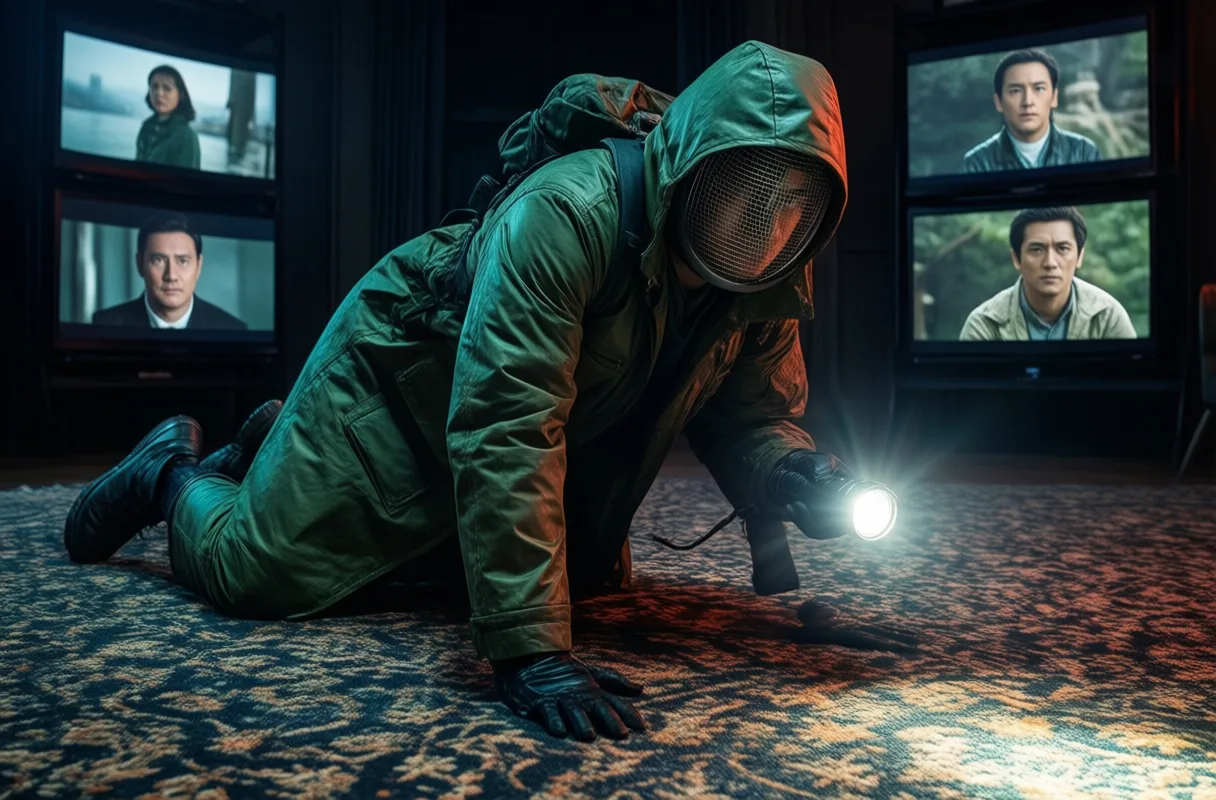
From The Shining to Parasite: Cross-Cultural Frame Analysis
Stanley Kubrick’s The Shining Didn’t just scare audiences-it invited archaeology. Decades later, fans still dissect its symmetry, carpet patterns, and mirror reversals like scholars parsing ancient texts. Its legacy isn’t just horror; it’s Cinematic forensics.
More recently, Bong Joon-ho’s Parasite Became a global case study in layered visuals. Viewers worldwide paused on staircases, windows, and rain-soaked flights of steps, analyzing how physical space reflected class divides. The film’s architecture wasn’t just setting-it was commentary.
What makes these films ripe for deep analysis is their precision. Every element feels deliberate, which encourages interpretation. When a doorframe aligns perfectly with a character’s moral downfall, it’s hard not to believe it was planned.
Different cultures bring different lenses to frame analysis:
- Western critics often focus on individual psychology and symbolism
- East Asian audiences may emphasize spatial harmony and social hierarchy
- Global fanbases merge perspectives, creating hybrid interpretations
This cross-pollination enriches the conversation. A single film can spark dozens of valid readings, each rooted in cultural context and personal experience.
And in an age where movies travel instantly across borders, the way we analyze them has become just as international as the stories themselves.
Streaming Rewatches and the Rise of At-Home Critics
Rewatching used to require rewinding a VHS tape or flipping a DVD. Now, it takes two clicks. This convenience has transformed occasional fans into Accidental scholars, building expertise through repetition.
Streaming services log our habits, but they also enable obsession. You can watch the same 90-second sequence five times in a row, hunting for inconsistencies or hidden meanings. Platforms don’t judge-they just play.
With easy access comes accountability-or at least the illusion of it. Fans fact-check costume details, timeline logic, and continuity errors like film editors on a studio payroll. Some even create side-by-side comparisons across versions (theatrical vs. Director’s cut) to spot differences.
Tools have democratized critique:
- Built-in subtitle searches help locate specific lines
- High-definition streams reveal background text
- Social media allows instant sharing of findings
You don’t need a degree to participate. All you need is time, attention, and a willingness to ask, “Wait-what was that in the background?”
The result? A new generation of At-home critics Shaping discourse from living rooms, not newsrooms.
What Gets Lost in the Pursuit of Perfection?
In chasing meaning, we sometimes forget that art can simply Be. Not every shadow signifies doom. Not every offhand line foreshadows Act Three. Yet in the current climate, ambiguity is often treated as a puzzle to solve, not a feature to sit with.
There’s a risk in assuming everything is intentional. A production error might be mistaken for symbolism. A happy accident-a lucky lighting condition, an improvised gesture-gets retrofitted into grand theories. The danger isn’t in analyzing; it’s in refusing to accept randomness.
Filmmaking is collaborative and messy. Hundreds of people contribute to a single frame. A prop master chooses a book cover for readability, not thematic depth. A grip adjusts a light to avoid glare, not to cast moral judgment.
When we treat every detail as sacred, we erase the humanity behind the craft. We overlook the fact that Not everything means something-and that’s okay.
Sometimes, a cigarette is just a cigarette. Even if someone’s uploaded a 45-minute video explaining why it represents capitalist decay.
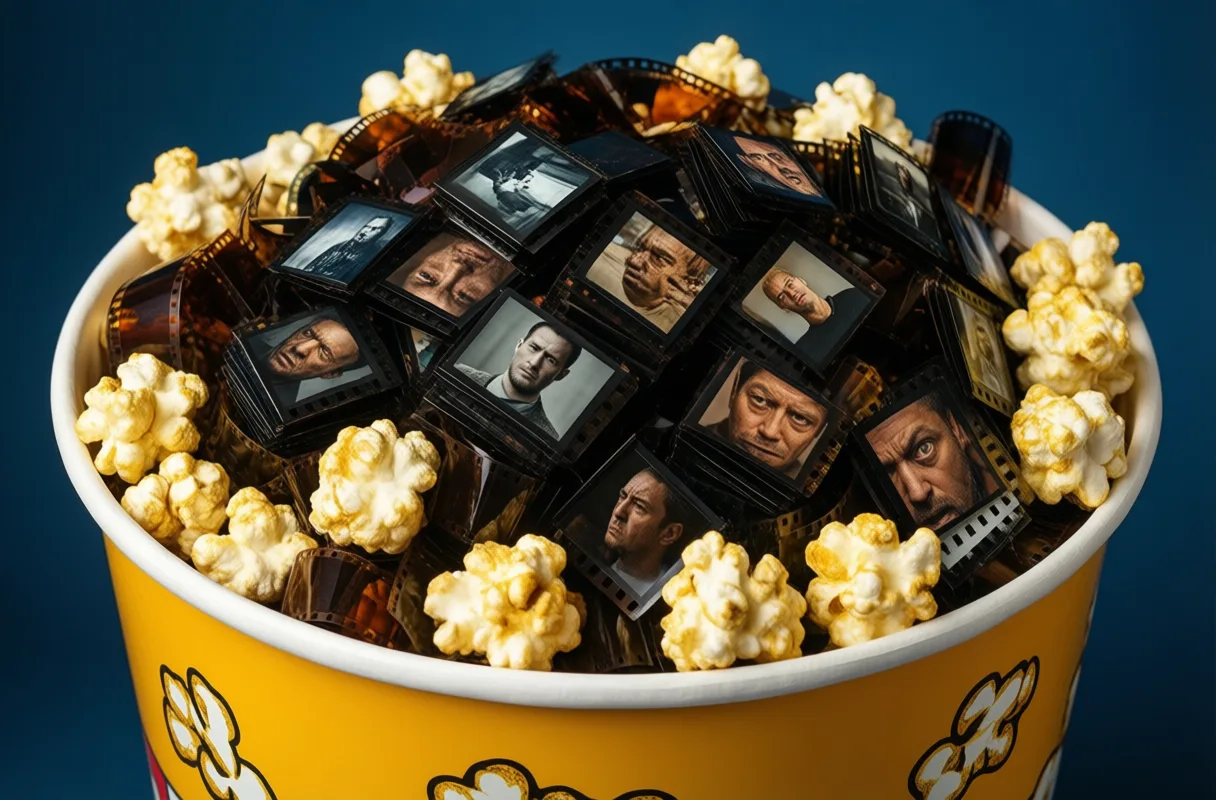
How Misread Symbols Can Hijack a Film’s Legacy
Interpretation is subjective-but virality isn’t. Once a theory gains traction, it can overshadow the actual film. A misread symbol, repeated enough, becomes accepted truth. Directors may deny it, but the internet rarely retcons.
A character’s red scarf might be read as a sign of impending violence-when in reality, it was the only one that matched the actor’s coat. But once fans link it to blood imagery elsewhere, the association sticks. Narrative intent gets overwritten by collective imagination.
This isn’t always harmful. Sometimes, misreadings enrich the experience, adding layers the filmmaker hadn’t considered. But other times, they distort, reducing complex works to reductive memes.
Examples include:
- A background poster interpreted as proof of a time-travel plot that doesn’t exist
- A recurring number assumed to be a code, when it’s just set dressing
- A character’s odd behavior labeled as “secret villainy,” ignoring mental health themes
Audiences love coherence. So when a film resists neat answers, we invent them. The result? A legacy shaped less by the art and more by its loudest interpreters.
Why Directors Both Embrace and Resist the Scrutiny
Ask any filmmaker: they love passionate audiences. But there’s a difference between appreciation and autopsy. Many directors welcome analysis-up to a point. They’ll drop hints, hide references, and craft layered visuals knowing fans will notice.
Yet some admit discomfort when speculation veers into presumption. When viewers claim to “know” a character better than the writer did, or insist a deleted scene “proves” their theory, it can feel invasive. Creativity isn’t always linear, and not every choice survives post-production intact.
Public reactions vary:
- Some directors engage playfully, confirming or teasing Easter eggs
- Others remain silent, letting the work speak for itself
- A few push back, gently reminding fans that not every decision was symbolic
The irony? The more a filmmaker resists interpretation, the more fuel it gives the theory machine. Silence is often read as confirmation.
Ultimately, scrutiny is both a compliment and a burden. It shows a film has staying power-but also that its meaning is no longer fully in the creator’s hands.
The Line Between Appreciation and Overinterpretation
Loving a film deeply doesn’t require unlocking every secret. In fact, some of the most powerful moments are the ones we feel, not decode. A glance, a melody, a silence-these resonate precisely because they resist explanation.
Overinterpretation starts when we prioritize puzzle-solving over emotional response. When we value being “right” more than being moved. The goal shouldn’t be to master a film, but to let it master us-at least for a little while.
There’s wisdom in stepping back. In watching a scene without pausing. In allowing mystery to exist. After all, cinema didn’t evolve to be studied frame by frame. It evolved to be Felt.
So next time you're tempted to Obsession, ask: Am I watching the movie-or investigating it? There’s room for both. Just don’t forget to breathe between frames.
| Audience Type | Focus in Frame Analysis |
|---|---|
| Western critics | Individual psychology and symbolism |
| East Asian audiences | Spatial harmony and social hierarchy |
| Global fanbases | Hybrid interpretations merging cultural views |
Why We Can’t Stop Watching the Watchers
The Birth of the Frame-by-Frame Frenzy
Back in the late ’90s, a little film called The Matrix Didn’t just wow audiences with bullet time-it sparked a new era of movie scrutiny. Fans started freezing frames, zooming in on backgrounds, and debating whether that cat in the hallway scene meant something deeper. It wasn’t just about plot twists anymore; it was about hidden symbols, continuity errors, and costume details that told a story all their own. What began as niche forum chatter soon exploded into full-blown online communities dissecting every second of a film.
Easter Eggs That Built Empires
Directors like Quentin Tarantino and the Russo brothers turned movie reviews into treasure hunts. A seemingly random license plate, a background poster, or a throwaway line could hint at a future sequel or connect to another film in a shared universe. Fans caught on fast-spotting a Wakandan symbol in a minor scene or catching Stan Lee’s final cameo long before the credits rolled. These clues didn’t just reward attention; they turned passive viewers into active detectives, turning each premiere into a global puzzle.
When Reviews Outlive the Film
Some movies now generate more buzz from analysis than from opening weekend. Long after the lights come up, YouTube essays dissect color palettes, camera angles, and costume textures, racking up millions of views. One breakdown of a single tracking shot in 1917 Ran longer than the film’s runtime-and people watched every minute. It’s not just about whether a movie was good or bad anymore. It’s about what it Means, how it was made, and what everyone missed the first time. And honestly? We’re all better off for rewinding just one more time.
Frequently Asked Questions
Why do fans analyze movies frame by frame?
Fans analyze every frame because they want to uncover hidden meanings, symbols, and clues that enhance their understanding of the story. The act of pausing and rewatching turns viewing into a participatory detective experience.
How does lighting influence film analysis?
Lighting communicates mood, motive, and moral alignment without dialogue. Fans study warm tones for safety or nostalgia and cool tones for detachment or danger, treating lighting choices as part of a visual grammar.
What role does sound play in deep-dive film culture?
Sound design guides emotion subtly, and fans reverse-engineer audio tracks to find hidden messages, continuity errors, or recurring motifs. Silence and ambient noise are analyzed like meaningful narrative elements.
How do Easter eggs affect audience engagement?
Easter eggs turn movies into replayable experiences by rewarding attentive viewers with hidden references. They strengthen universe-building, create shared fan moments, and extend a film’s cultural lifespan.
This article was produced with AI assistance. How Motion Picture Magazine uses AI.
Isolde dissects award campaigns, voting patterns, and industry politics with precision. She tracks how prestige television and arthouse films navigate recognition, emphasizing diversity shifts and behind-the-scenes power dynamics shaping nominations.