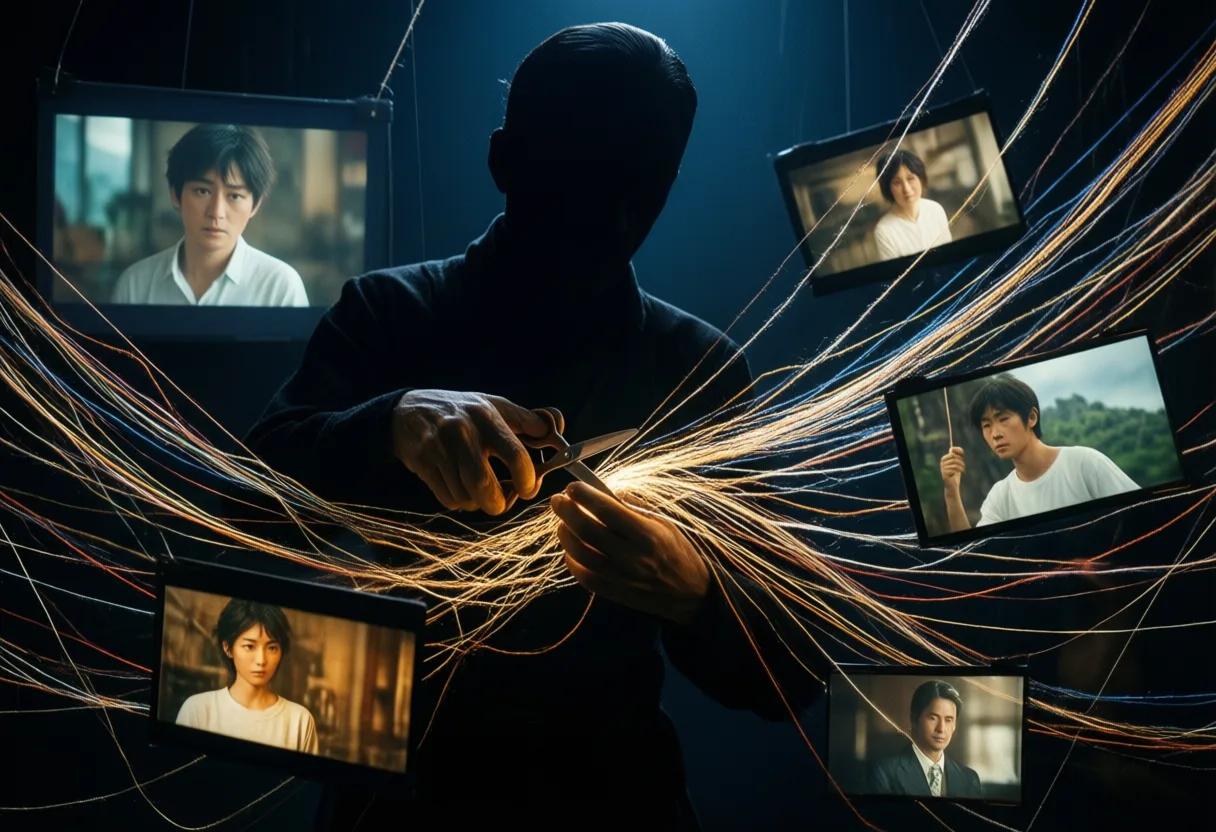
After the last “cut” is called on set, a movie’s real transformation begins. What Audiences See in theaters is rarely what first emerges from the editing suite - The journey from raw footage to final cut is where a film truly finds its voice, rhythm, and soul. Editors, working closely with directors and producers, make hundreds of invisible decisions that shape how we experience every laugh, gasp, and silence.
How Long Does a Film Stay in Flux After Shooting Wraps?
Post-production is where a film lives the longest - sometimes longer than principal photography itself. The editing process unfolds over weeks or even months, with the film evolving through distinct stages. From the initial First assembly To the final locked picture, the Movie Remains fluid, open to reshaping at every turn.
According to the Raindance Film Festival, the editing process follows six key stages: 1. Logging, 2. First Assembly, 3. Rough Cut and Variations, 4. First Cut, 5. Fine Cut, 6. Final Cut. Each phase serves a different purpose, from organizing raw material to refining emotional beats. The film isn’t static - it breathes, contracts, and expands as the team discovers what works and what doesn’t.
During this time, editors Revisit scenes Multiple times, testing alternate structures and pacing. A scene that feels essential early on might later be seen as a distraction. The cut is always in motion, and even when a version is screened for test audiences, new changes often follow. It’s not unusual for a film to go through dozens of versions before reaching its final form.
The Hidden Layers Between First Edit and Final Release
Why Early Versions Feel Loose and Overlong
The first time a director sees their film stitched together, it’s often a shock. The Rough cut can run two hours longer than the final version, packed with every take, alternate line, and extended moment captured during filming. This overlong version, sometimes called the assembly or first assembly, is meant to be exhaustive - not entertaining.
Editors start by compiling all usable footage in sequence, creating a sprawling draft that includes multiple camera angles and repeated performances. There’s no rhythm yet, just raw narrative clay. Scenes play out in full, with pauses, flubbed lines, and director’s instructions sometimes still audible.
This stage is about Completeness, not cohesion. It gives the creative team a chance to see the full scope of what they’ve shot. From here, the real sculpting begins - trimming fat, tightening Dialogue, and finding the heartbeat of the story. What feels bloated now will eventually become lean, focused, and powerful.
When Pacing Becomes Precision
Pacing isn’t just about speed - it’s about Emotional timing, narrative flow, and audience engagement. In the rough cut, scenes often drag because they include every beat the actors performed. But in the fine cut, editors start making surgical decisions: shortening pauses, removing redundant lines, and adjusting the rhythm of edits within a scene.
A well-placed cut can turn tension into release, or humor into heartbreak. Editors use Cause and effect, breath between moments, and visual rhythm To guide how viewers feel. A two-second pause might be too long for a thriller but perfect for a drama. Every removed frame recalibrates the audience’s emotional journey.
Sometimes, entire sequences are restructured. A flashback might move forward in time, or a reveal might be delayed for greater impact. These changes don’t just shorten the film - they Reshape how the story unfolds in the viewer’s mind. The goal isn’t just to hit a runtime, but to make every second count.
Do Subplots Make the Final Journey?
Subplots often shine in early cuts, adding depth and texture to the world of the film. A side character’s romance, a political subplot, or a character’s personal struggle might feel rich and meaningful during the rough cut. But as the edit tightens, Only the threads that serve the core story survive.
Editors and directors must ask: Does this subplot enhance the main arc? Or does it pull attention away? A subplot that feels essential during filming might later seem like a detour. In the fine cut, many of these threads are trimmed, shortened, or completely removed.
Some subplots are reduced to a single glance or line of dialogue. Others vanish without a trace. It’s not always about quality - it’s about Narrative focus. A great scene can still be cut if it doesn’t move the story forward. The final cut is ruthless in its clarity, keeping only what’s necessary to tell the story with maximum impact.
Can a Character Change Shape in Post-Production?
A performance isn’t final until the edit locks. Editors hold immense power in shaping how a character is perceived - not through acting, but through selection. By choosing which take to use, which line reading to keep, or how long to hold on a reaction shot, they can shift a character from heroic to ambiguous, funny to sinister.
A single lingering close-up can suggest doubt where none was spoken. A cutaway to a character’s face during a conversation can imply jealousy, fear, or amusement - even if the script didn’t specify it. These Micro-decisions redefine personality and motivation Without changing a word of dialogue.
Sometimes, a character’s arc is even restructured in editing. Scenes might be reordered to show growth earlier, or a character might be made more likable by removing moments of cruelty. In rare cases, a supporting role can be elevated - or erased - based on how the editor assembles the footage. The actor performs, but the editor interprets.
Is Music Temporary - or Transformative?
Early cuts often use Placeholder music - temporary tracks pulled from other films, classical pieces, or stock libraries. These “temp tracks” help set the emotional tone during editing, giving the team a sense of how a scene should feel. But temp music does more than guide mood - it can shape the edit itself.
Editors often cut scenes to match the rhythm and swell of the temporary score. A chase sequence might be trimmed to fit a fast-paced track, or a romantic moment might be extended to match a slow piano piece. When the final score arrives, it sometimes forces new edits - the real music might not hit the same beats, requiring adjustments in timing.
In some cases, composers are asked to mimic the temp music because it worked so well. This has sparked debate in the industry, but the truth is: Music doesn’t just support the picture - it transforms it. A scene that feels flat with temp music might soar with the right original score - or vice versa.
How Visual Effects Evolve With the Cut
In films with heavy visual effects, the rough cut is often a patchwork of green screens, wireframes, and temporary graphics. Editors work with Incomplete or placeholder VFX, knowing these elements will change dramatically in post-production. But even in this unfinished state, timing must feel right.
As VFX shots are completed, they’re handed to the editor to replace the temporary versions. This can affect pacing - a finished explosion might last longer than the temp version, requiring the surrounding shots to be adjusted. A digital character’s movement might feel slower or faster than expected, prompting a re-cut.
The editor must ensure that live action and effects Move in harmony. A perfectly timed punch might miss its impact if the CGI monster reacts too late. These adjustments continue into the fine cut and sometimes even after picture lock. VFX aren’t just added - they’re Integrated, refined, and timed to perfection.
Does Sound Design Reshape Tension?
Sound is one of the most powerful tools in editing - and one of the last to be fully realized. In early cuts, dialogue and music dominate, while ambient noise, footsteps, and off-screen sounds are often missing or generic. But in the final stages, Sound design becomes a storytelling force.
A creaking floorboard, distant thunder, or sudden silence can heighten suspense or reveal emotion. Editors work with sound designers to place these elements precisely, often adjusting the cut to make room for a crucial sound cue. A jump scare might be built entirely in post, using silence followed by a sharp noise.
Even in quiet scenes, sound adds realism and depth. The hum of a refrigerator, the rustle of clothing, or the echo in a hallway can ground a moment in reality - or unnerve the audience. Sound doesn’t just support the image - it shapes how we feel about it.
What Final Tweaks Happen at Picture Lock?
Picture lock Is the milestone when the edit is considered final - no more changes to the visual sequence. But even then, tiny adjustments can still occur. A frame might be added to smooth a transition, or a shot might be extended by a few seconds to match a music cue.
These micro-changes are rare and tightly controlled, often required for technical reasons like Audio sync, color grading, or VFX integration. The story won’t change, but the flow might be polished. Studios and distributors have strict delivery requirements, so the final days are about precision, not reinvention.
Sometimes, a continuity error spotted late in the process forces a small edit - a missing prop, a mismatched eyeline. These fixes are subtle but essential. Picture lock doesn’t mean perfection - it means commitment. The film is now on its way to audiences, and the editor’s work is nearly done.
Why the Last Frame Isn’t Always the Final Word
Even after picture lock, a film isn’t always truly finished. Director’s cuts, extended editions, and festival versions Can bring back scenes or restructure the narrative long after the theatrical release. Technology has made it easier than ever to revisit and revise a cut.
Streaming platforms, in particular, have revived interest in alternate versions. A film trimmed for theaters might later be restored for a streaming debut. Test audience feedback can also trigger last-minute changes - a confusing plot point might be clarified with a reinserted line or scene.
The line between “final” and “finished” is thinner than most realize. A film can evolve even after it’s released, shaped by new contexts, creative second thoughts, or audience response. In the digital age, the final cut might not be the last word - just the most widely seen one.
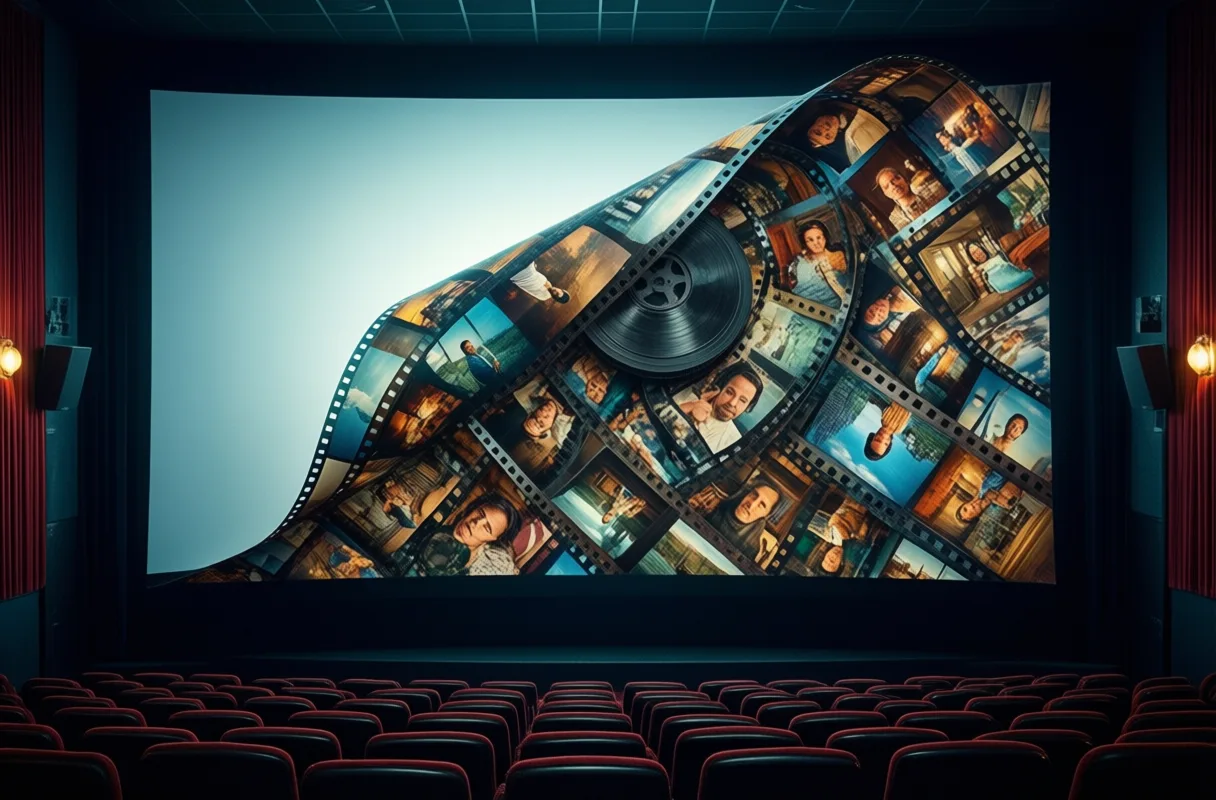
From First Cuts to Final Frames
Ever wonder how a jumbled pile of footage turns into a sleek, two-hour movie? The journey from rough cut to final cut is where the real magic happens-and where film editors work their hardest to shape the story.
Trimming the Fat, One Frame at a Time
A rough cut can be wildly long-sometimes even double the final runtime. Editors start with all the footage dumped into a timeline, often resulting in a version that drags on for hours. At this stage, scenes might feel clunky, pacing drags, and the story can be hard to follow. The rough cut is where the editor’s vision first takes shape, but it’s far from polished. From there, the real trimming begins.
Tweaking Tension and Timing
Between the rough and final cut, editors fine-tune everything. They tighten scenes by cutting out redundant lines or awkward pauses, adjust the rhythm to keep audiences engaged, and make sure emotional beats land just right. Music, sound effects, and visual effects get slotted in during the fine cut, helping to set mood and pace. Even small changes-like shortening a pause by a single frame-can make a scene feel snappier or more dramatic.
The Final Polish Before Lock
Picture lock means no more changes to the visual edit, and that’s usually just before the final cut. Editors collaborate closely with directors and producers through multiple variations, testing what works. What ends up on screen isn’t just about cutting-it’s about crafting flow, emotion, and clarity. By the time the final cut rolls around, the film has been reshaped, refined, and reborn.
Frequently Asked Questions
How long can a rough cut be compared to the final version?
A rough cut can run two hours longer than the final version. It is often double the final runtime, packed with every take and extended moment captured during filming.
What happens to subplots during the editing process?
Subplots that do not serve the core story are often trimmed, shortened, or removed. Only threads that enhance the main arc survive in the final cut.
Can a character's personality change in post-production?
Yes, editors can reshape a character’s perception by selecting takes, line readings, or reaction shots. The actor performs, but the editor interprets through editing choices.
What is picture lock, and are changes still possible after it?
Picture lock means no more changes to the visual sequence. However, tiny adjustments may still occur for technical reasons like audio sync, color grading, or VFX integration.
This article was produced with AI assistance. How Motion Picture Magazine uses AI.
Motion Picture Magazine writes for Motion Picture Magazine - movies, celebrity gossip, entertainment news, style and best shows.