A Grity Tale Rooted in Western Tradition
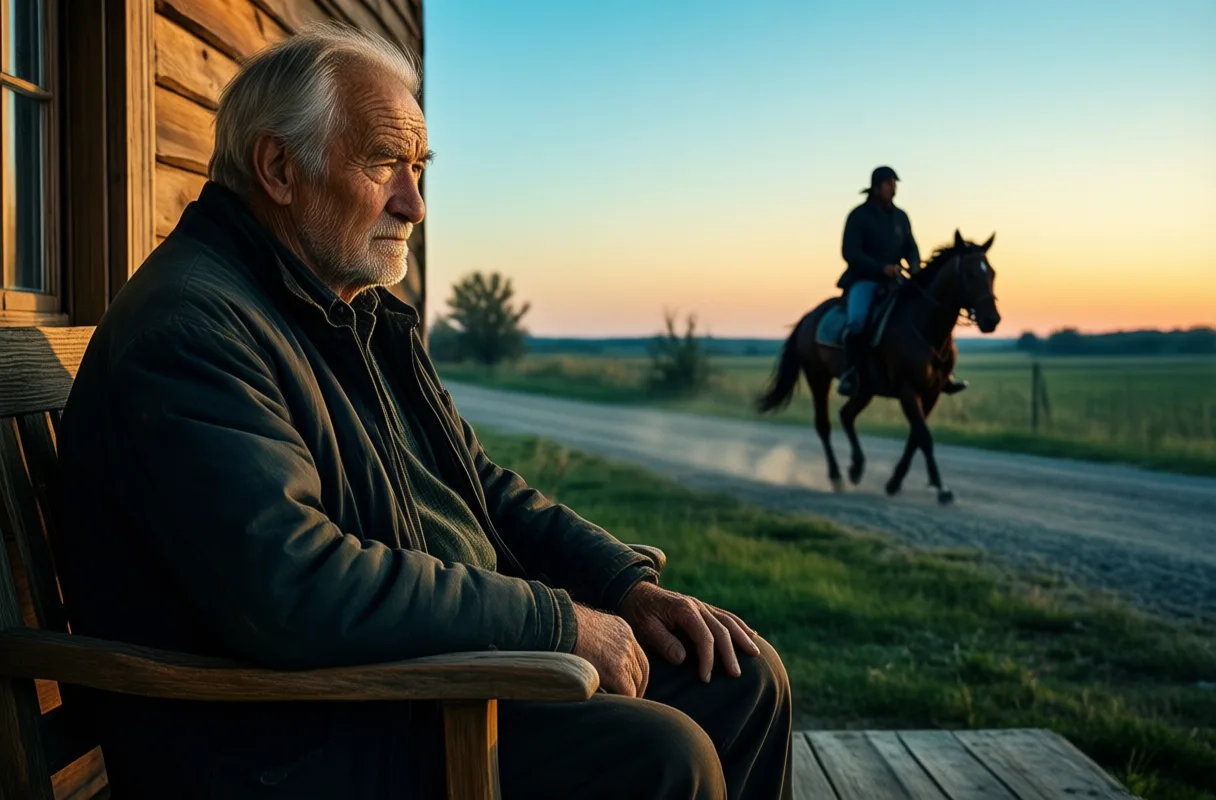
There’s a kind of quiet that only exists in the American West-dust settling on sunbaked soil, wind combing through tall prairie grass, the creak of a porch swing under a man who’s seen too much. Old Henry Steps into that silence like a shadow slipping through a cracked saloon door, a film that doesn’t announce itself with fanfare but with the low, steady hum of inevitability. It’s a throwback not just in setting, but in spirit, honoring the bones of the Western genre without needing to shout about it.
This is a story that wears its influences like a well-worn duster coat-echoes of Unforgiven, whispers of The Searchers, and the lean, mean tension of High Noon Simmer beneath its surface. But it doesn’t imitate. Instead, it distills. It takes the mythos of the frontier-the lone man, the moral reckoning, the blood in the dirt-and boils it down to its most essential elements. The result? A film that feels less like a retelling and more like a rediscovery.
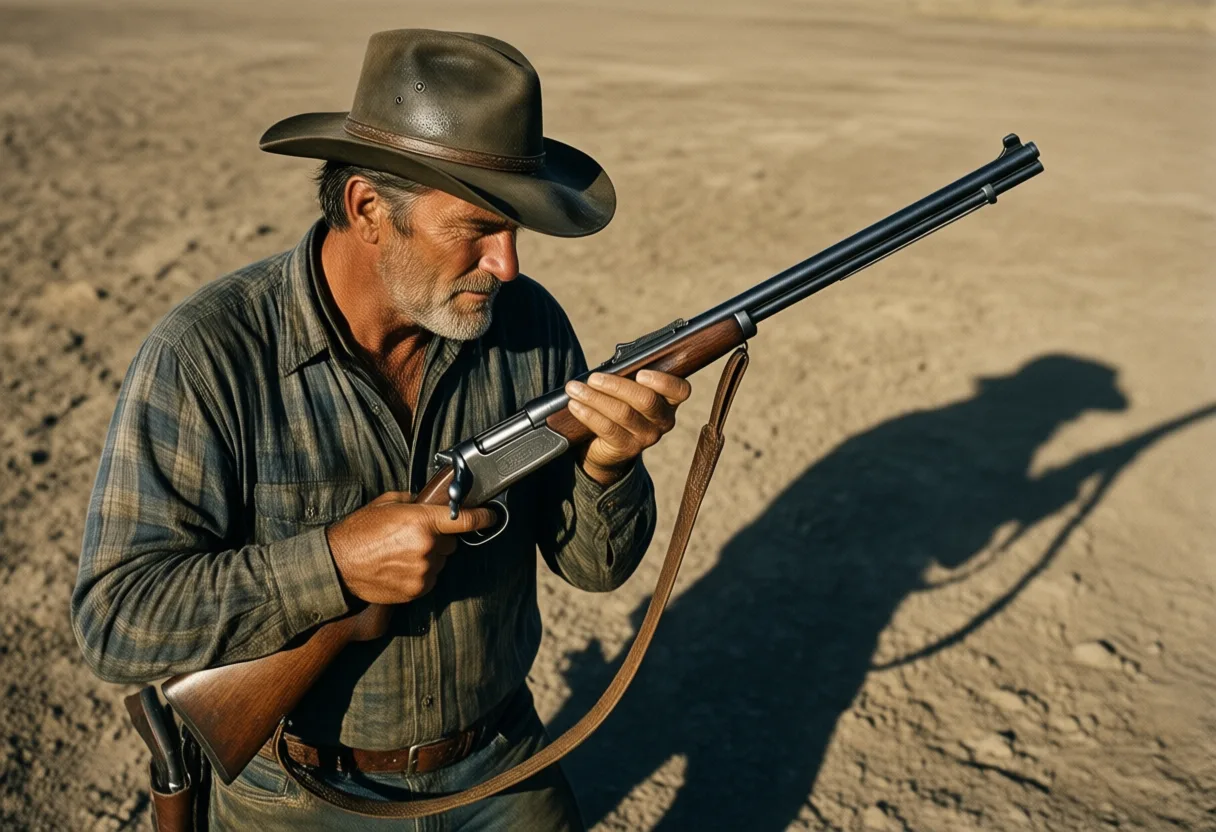
You don’t need sprawling cattle drives or gold rushes to feel the weight of the West. Sometimes, all it takes is one horse, one rifle, and one man standing Between peace And chaos. Old Henry Understands that. It knows the genre’s power lies not in spectacle, but in stillness-the moment before the draw, the breath before the lie, the silence after the gunshot.
What Happens When a Quiet Farmer Is Pushed Too Far?
Henry lives a life measured in chores and quiet glances. He tends his land, shares sparse words with his son, and keeps his past buried deeper than fence posts. There’s a rhythm to his days, a kind of hard-won peace that feels fragile, like the first frost of autumn. You can see it in the way he moves-deliberate, careful, as if afraid one wrong step might crack the surface of his carefully constructed calm.
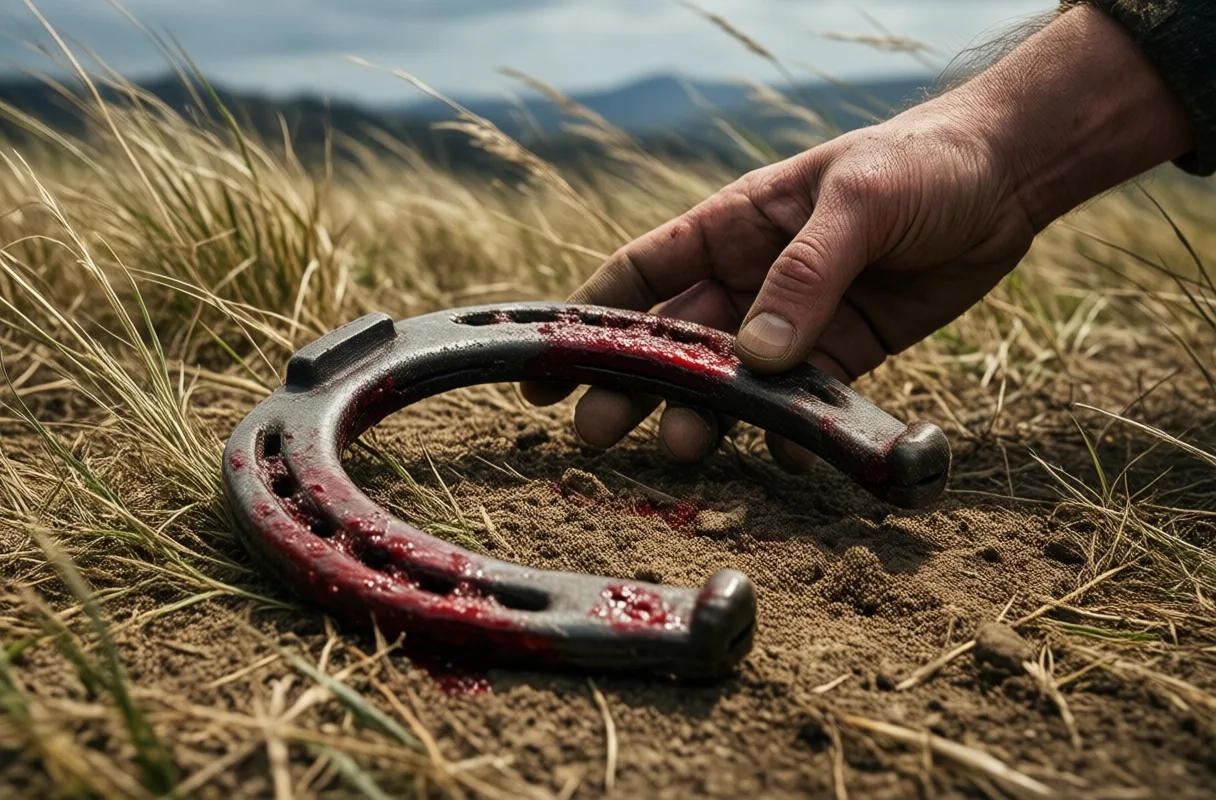
Then, a stranger stumbles onto his property, bleeding and gasping out a name. And just like that, the peace shatters. What follows isn’t a slow unraveling-it’s a sudden, violent tug on a thread that was never meant to hold. Men on horseback appear on the horizon like vultures circling, demanding the body, demanding answers, demanding Henry himself.
This is where the film flexes its narrative muscle. It doesn’t rush. It lets the tension build in the spaces between words-in the way Henry checks his rifle, in the way his son watches him with dawning fear. The question isn’t just whether Henry can survive, but whether he even wants to. Because survival might mean becoming the man he spent a lifetime trying to bury.
- The intrusion isn’t just physical-it’s psychological, tearing open wounds Henry thought were healed.
- Each passing hour tightens the noose, not just around the farm, but around his soul.
- The film masterfully uses isolation, making the homestead feel less like a sanctuary and more like a cage.
The Weight of a Father’s Legacy in a Lawless Land
At its core, Old Henry Isn’t just about survival-it’s about inheritance. Not of land or money, but of violence, of silence, of the unspoken rules that govern men who live by the gun. Henry isn’t just protecting his son from the men outside the door. He’s fighting to shield him from the truth of who his Father really Is.
There’s a heartbreaking tenderness in the way Henry teaches his boy to shoot-not with pride, but with sorrow. He knows this skill isn’t a rite of passage; it’s a curse passed down like a Family heirloom. Every lesson feels like a failure, because the more his son learns to defend himself, the closer he gets to the life Henry tried to escape.
And yet, there’s love in it. Real, aching love. It lives in the way Henry smooths his son’s hair after a nightmare, in the way he lies-gently, carefully-about his past. He wants his boy to believe in goodness, to believe that a man can outrun his sins. But the world outside doesn’t care about good intentions. It only respects power.
- The father-son relationship is the film’s emotional spine, taut with unspoken fears.
- Henry’s desire to protect is noble, but it’s also a form of denial-of history, of identity.
- The film asks: Can you raise a son in peace when your own soul is at war?
How Silence Speaks Volumes in a Genre Built on Gunfire
Westerns Are often remembered for their shootouts, their standoffs, their thunderous climaxes. But Old Henry Reminds us that the genre’s true power often lies in what isn’t said. Dialogue is sparse, almost sacred. Words are weighed like bullets-only fired when absolutely necessary.
The silence here isn’t empty. It’s thick with memory, with regret, with the ghosts that follow a man who’s killed in the name of Justice-or something close to it. You hear it in the long pauses between lines, in the way Henry stares into the fire, seeing things his son can’t. The film trusts its audience to sit in that quiet, to feel its weight.
Even the score respects the silence. It doesn’t swell at every emotional beat. Instead, it creeps in like fog-low strings, distant harmonica-only amplifying the stillness rather than filling it. It’s a bold choice, one that could alienate viewers used to constant stimulation. But for those willing to listen, the silence becomes its own kind of music.
- The film uses sound design like a weapon-every creak, every hoofbeat, every breath is loaded.
- Silence becomes a character, shaping mood and meaning as much as any actor.
- In a world of noise, the absence of sound feels revolutionary.
A Performance That Channels the Soul of the Frontier
The film lives and dies on its lead performance, and here, it doesn’t just survive-it soars. Every line in the actor’s face tells a story. His eyes, sunken and watchful, hold decades of decisions he’d rather forget. He doesn’t play Henry as a hero or a villain, but as a man-flawed, frightened, and fiercely protective.
There’s a physicality to the role that’s impossible to ignore. The way he moves-slow, deliberate, conserving energy like a predator conserving strength-speaks volumes. You believe he’s spent years breaking horses and mending fences. But you also believe he’s spent years breaking men.
This isn’t a performance built on monologues or grand gestures. It’s in the small things: the way he hesitates before touching his holster, the way his voice cracks when he lies to his son, the way he stands just a little straighter when the riders approach. It’s a masterclass in restraint, a reminder that sometimes the loudest emotions are the ones never spoken.
- The actor embodies the Western archetype without becoming a caricature.
- His presence is magnetic, not because he dominates the screen, but because he Inhabits It.
- You don’t just watch Henry-you feel him, like dust in your throat and grit under your nails.
When the Line Between Hero and Outlaw Fades
One of the film’s most potent themes is the fluidity of morality in a world without law. There are no badges here, no courts, no appeals. Justice is whatever the man with the fastest draw decides it is. And that makes everyone-Henry included-both judge and criminal.
The men who come for the body aren’t cartoonish villains. They have their own code, their own reasons, their own grief. They believe they’re in the right. And in another life, under different stars, Henry might have ridden with them. That ambiguity is what gives the film its depth. It refuses to offer easy answers, forcing us to sit in the discomfort of moral gray.
By the final act, it’s hard to say who the real outlaw is. Is it the man defending his home? The men enforcing their version of justice? Or the past itself, which refuses to stay buried? The film suggests that in the West, the only constant is consequence-and everyone pays, one way or another.
- The film dismantles the black-and-white morality often seen in classic Westerns.
- Every character operates from a place of conviction, making their conflict even more tragic.
- In the end, the distinction between right and wrong is as blurred as footprints in the rain.
The Relentless Grip of Moral Consequences
Old Henry Doesn’t let anyone off the hook. Not the killers, not the avengers, not the innocent bystanders. Every choice ripples outward, and the film makes sure we feel each wave. Violence begets violence, lies beget more lies, and the past has a way of circling back-like a bullet fired into the sky, landing years later in an unexpected chest.
Henry’s attempts to shield his son from the truth only deepen the wound. Because secrets have weight, and eventually, they crush. The film doesn’t offer redemption in the traditional sense. There’s no baptism in blood, no final act of heroism that erases the past. Instead, there’s acceptance. A quiet understanding that some stains don’t wash out.
And that’s what makes the ending so powerful. It’s not triumphant. It’s not tragic. It’s True. It’s the sound of a man finally stopping the lie, not because he’s ready, but because he has no choice. The cost of peace was never just survival-it was honesty. And that might be the hardest thing to bear.
- Consequences aren’t plot devices here-they’re the foundation of the story.
- The film rejects easy catharsis, favoring emotional realism over spectacle.
- What lingers isn’t the gunfire, but the silence that follows.
Practical Takeaways for Modern Fans of Classic Westerns
If you’re someone who still believes in the power of the Western-if you miss the days when a man’s word meant something and the horizon felt infinite-Old Henry Is a gift. It doesn’t try to reinvent the genre. It remembers what made it great.
For fans craving authenticity, this film delivers. It’s shot with a painter’s eye-wide landscapes that dwarf the Characters, interiors lit by firelight and memory. The costumes aren’t costumes; they’re second skins. The horses aren’t props; they’re partners. Everything feels earned, lived-in.
And for those new to the genre? This is a perfect entry point. It doesn’t require knowledge of John Ford or Sam Peckinpah to feel its impact. It speaks a universal language-the language of fear, love, and the lengths we go to protect what’s ours.
Here’s what you’ll take away: - A renewed appreciation for slow-burn storytelling in an age of instant gratification. - A reminder that true tension comes from character, not CGI. - Proof that the Western, far from being dead, is evolving-quietly, powerfully, and on its own terms.
Why This Story Feels Both Timeless and Urgent
There’s something about Old Henry That transcends its setting. Yes, it’s a period piece, but its heartbeat is modern. It speaks to a world where the past won’t stay buried, where fathers struggle to protect their children from inherited trauma, where silence can be both armor and prison.
It’s a film for anyone who’s ever tried to outrun who they are. For anyone who’s lied to a loved one to spare them pain. For anyone who’s stood at the edge of a decision that will change everything. That universality is what makes it timeless.
And yet, it feels urgent. In an era of noise and distraction, a film that demands stillness, attention, and emotional courage feels radical. It’s a quiet rebellion against the disposable, the fleeting, the forgettable.
Old Henry Doesn’t shout. It doesn’t need to. It stands in the dust, rifle in hand, and says everything without saying a word. And in that silence, we hear ourselves.
A Quiet Storm: The Making of a Modern Western
From Stage to Saddle
Tim Blake Nelson, best known for his work in everything from O Brother, Where Art Thou? To Watchmen, stepped into the role of Henry with a quiet intensity that anchors the entire film. What’s less known is that Nelson also wrote the screenplay, drawing on his deep appreciation for Westerns and a desire to explore the genre through a more intimate, character-driven lens. He didn’t set out to make a sprawling epic-instead, he focused on a single homestead, a single man, and the weight of a past that won’t stay buried.
One Location, Maximum Tension
The film was shot almost entirely on a single ranch in Oklahoma, which helped create the tight, claustrophobic atmosphere that makes the violence feel so immediate. That isolated farmhouse isn’t a set-it’s a real, weathered structure that added authenticity to every frame. The decision to limit the setting forced the actors and crew to get creative, relying on shifting light, weather, and subtle changes in camera angles to keep the visuals dynamic. It’s a masterclass in how constraints can fuel creativity.
A Gunfight Without Glory
One of the most talked-about scenes-a brutal, close-quarters shootout-is notable for how unglamorous it feels. There’s no soaring music, no heroic poses. Just chaos, pain, and consequence. The choreography was kept deliberately raw and messy, a far cry from the polished duels of classic Westerns. This grounded approach reflects the film’s central theme: violence isn’t noble, and survival comes at a steep cost. It’s a moment that sticks with viewers not because it’s flashy, but because it feels tragically real.
Frequently Asked Questions
What is Old Henry about?
Old Henry is a Western film about a quiet farmer whose peaceful life is shattered when a wounded stranger arrives, drawing violent men to his homestead. The film explores his struggle to protect his son and confront the past he tried to bury.
Who stars in and wrote Old Henry?
Tim Blake Nelson stars as Henry and also wrote the screenplay, drawing on his appreciation for Westerns and a focus on intimate, character-driven storytelling.
Where was Old Henry filmed?
The film was shot almost entirely on a single ranch in Oklahoma, using a real, weathered farmhouse to create an authentic and claustrophobic atmosphere.
What themes does Old Henry explore?
The film explores inheritance of violence, moral ambiguity, the weight of silence, and the cost of protecting one's family. It questions whether a man can outrun his past and the consequences of buried truths.
This article was produced with AI assistance. How Motion Picture Magazine uses AI.
Cassiel examines celebrity fashion as narrative-how red carpet moments, brand partnerships, and personal aesthetics influence public perception. They spotlight emerging designers and the visual language of fame across film and music icons.