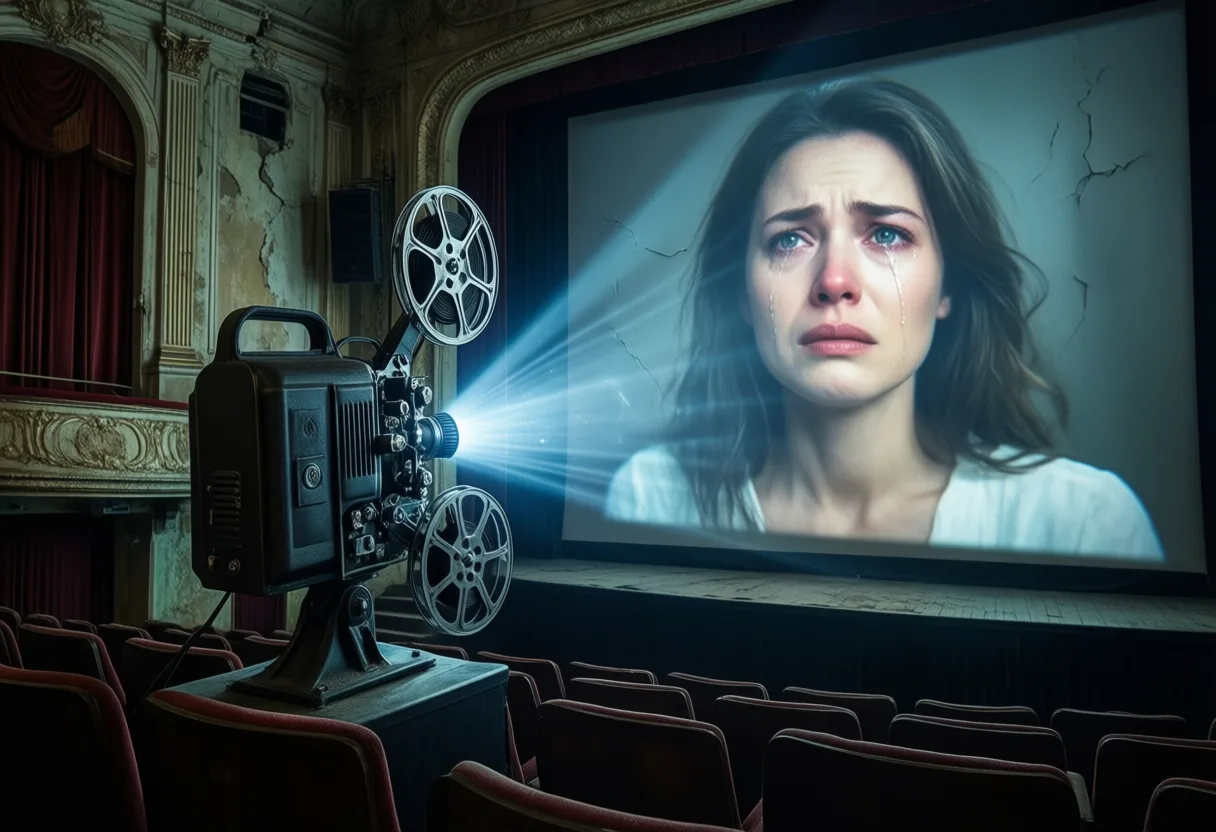
There’s a quiet revolution happening in the dark corners of movie fandom. While box office headlines shout about superheroes and sequels, a different kind of film is stealing hearts one diary-like review at a time. On Letterboxd, where cinephiles scribble confessions, rank obsessions, and trade inside jokes about arthouse endings, a new canon is being written - one fueled by mood, memory, and the kind of performances that linger like smoke after the credits roll.
Why Are These Films Dominating Letterboxd Conversations?
It’s not always the loudest movie that gets remembered - sometimes, it’s the one that whispers. The Films Lighting up Letterboxd feeds this year aren’t necessarily the most expensive or widely marketed, but they Are The ones sparking real, raw reactions. Users aren’t just rating - they’re journaling, quoting dialogue like poetry, and turning minor characters into icons.
There’s a sense that these beloved Films Offer something deeper than plot. They invite rewatches, not to catch missed clues, but to re-experience a feeling - the ache of a goodbye, the glow of a sunset shot on 16mm, the weight of silence between two people who love each other too much to speak. It’s less about what happens and more about how it makes you feel, long after the screen goes black.
Authenticity Is the currency here. A film doesn’t need a five-star average to thrive - it just needs to matter to someone, deeply. That emotional honesty is what turns a modest indie into a shared language among strangers scrolling late at night, searching for movies that feel like they were made just for them.
What Makes a Review Stand Out on Letterboxd?
On a platform where everyone’s a critic, the best Reviews read Like love letters, therapy sessions, or cryptic poems scribbled in the margins of a textbook. The ones that stick aren’t just summaries - they’re personal. They confess, “I watched this while crying on the subway,” or “This soundtrack got me through my breakup,” or “I don’t know what it means, but I haven’t stopped thinking about it.”
Tone matters more than trivia. A single sarcastic one-liner can go viral, but so can a quiet reflection on grief, identity, or the way light falls across a kitchen floor in a 1970s apartment. The magic often lies in specificity - not just “I liked it,” but “I liked how she adjusted her glasses before walking into the fire.”
- The most-shared reviews often include A vivid image - a costume, a color, a gesture - that becomes a symbol for the whole film.
- They’re honest about confusion, boredom, or discomfort - vulnerabilities that make them feel human.
- Many double as mini-essays, weaving in references to music, fashion, or personal history.
It’s not about being right. It’s about being Felt. And when a review resonates, it doesn’t just boost a film’s rating - it Builds A tiny community around it, one comment thread at a time.
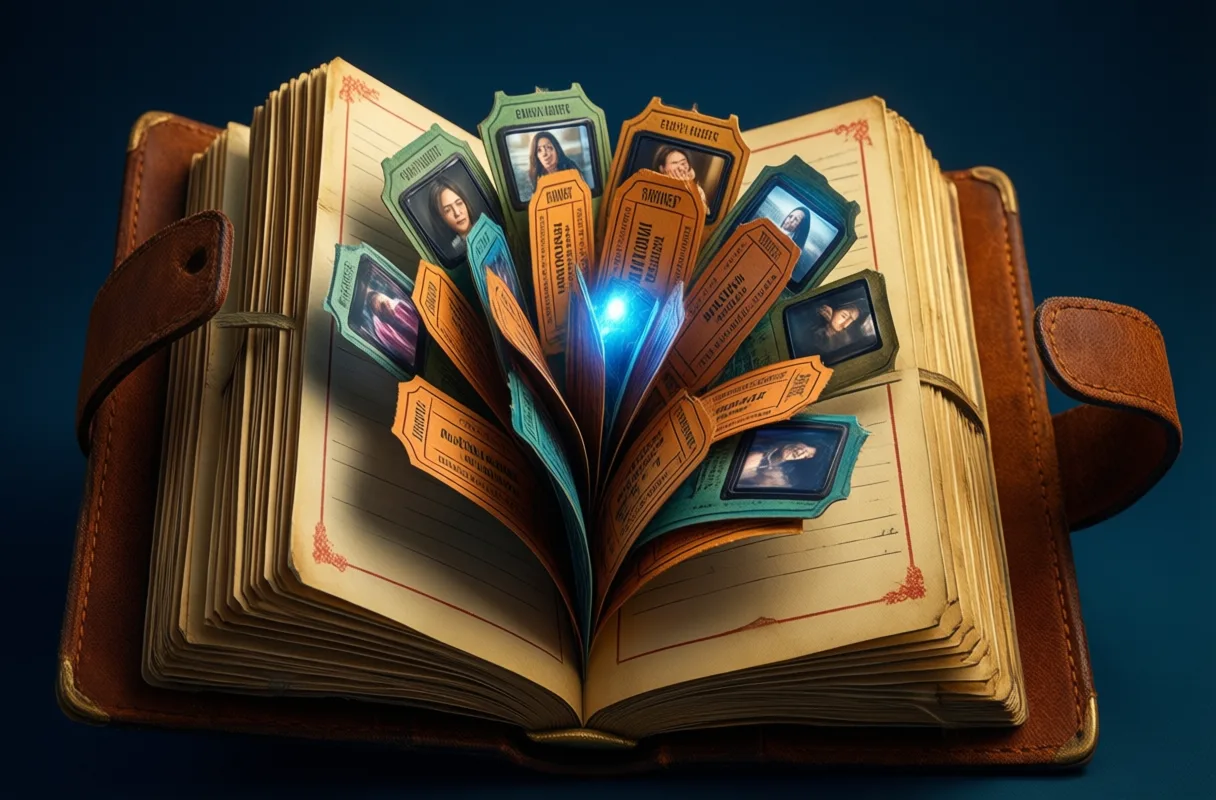
The Hidden Appeal of Slow-Burn Critical Darlings
Not every masterpiece announces itself with explosions or plot twists. Some films unfold like photographs developing in a darkroom - faint at first, then suddenly, unmistakably clear. These slow-burn dramas, often dismissed by Mainstream critics As “boring” or “too quiet,” are quietly dominating Letterboxd with passionate followings.
They thrive on atmosphere - the hum of a refrigerator in an empty house, the way a character lingers in a doorway, the unspoken tension in a shared glance. These aren’t films that hand you meaning; they make you lean in, listen closer, and find it yourself. And when you do, it feels like a secret you weren’t meant to hear.
That sense of discovery is intoxicating. Users return to these films not for the story, but for the Emotional texture - the melancholy of a fading summer, the loneliness of a city at dawn, the quiet courage of someone choosing to stay. They’re the kind of movies that make you pause mid-scene and whisper, “This is it. This is life.”
How Nostalgia-Fueled Re-Releases Are Winning Hearts
There’s a particular warmth that comes from seeing a film again - not on a grainy upload, but restored, reissued, and reimagined for the big screen. This year, several re-releases have surged on Letterboxd, not just from older generations reminiscing, but from younger audiences discovering them for the first time.
It’s not just about the movies themselves, but the Cultural moments They represent - a fashion era, a musical shift, a way of seeing the world that feels both distant and familiar. A re-release becomes an event, a shared pilgrimage to the past, often accompanied by liner notes, director interviews, or anniversary screenings that deepen the experience.
Users don’t just rate these films - they curate them. Lists like “Movies That Smell Like My Childhood” or “Soundtracks That Raised Me” turn nostalgia into art. And when a 30-year-old film suddenly trends, it’s not because it’s new - it’s because it finally found the audience it was always meant for.
When Cult Classics Find New Life Online
Some films are too strange, too bold, or too ahead of their time to succeed on first release. They’re dismissed, forgotten, or buried under bad marketing. But decades later, on platforms like Letterboxd, they’re unearthed - not as relics, but as revelations.
These cult classics often thrive on Aesthetic audacity - wild costumes, surreal visuals, or dialogue so stylized it borders on poetry. They don’t play by rules, and that’s exactly why people love them. What once seemed “weird” now feels visionary. What was “too much” is now celebrated as fearless.
Letterboxd users don’t just rehabilitate these films - they rebuild them, scene by scene, in their profiles. They quote lines no one else remembers, rank obscure cuts, and defend their choices with the passion of true believers. And in doing so, they prove that time - and taste - is always catching up.
What Happens When a Hidden Gem Goes Viral
It starts with a five-star rating. Then a review. Then a comment: “Wait, this is Real?” Within days, a film that barely made a ripple at release is trending, dissected in threads, added to thousands of watchlists. The viral hidden gem is one of Letterboxd’s most delightful phenomena - and one of its most unpredictable.
These films often share a few traits: they’re emotionally direct, visually striking, or anchored by a performance so magnetic it can’t be ignored. But more than that, they offer a sense of Discovery - the thrill of finding something precious that wasn’t supposed to be there.
- They’re frequently non-English language films, overlooked indies, or mid-budget dramas that slipped through the cracks.
- The buzz rarely comes from marketing - it comes from Word-of-mouth alchemy, one user to the next.
- And once they break through, they’re never really “hidden” again - but that initial spark of surprise is what fans cherish most.
There’s a quiet joy in being early - in writing, “I saw this in a tiny theater in Reykjavik,” or “My cousin sent me a DVD in 2016.” It’s proof that great cinema doesn’t need a spotlight to shine.
The Emotional Punch of Under-the-Radar Dramas
Sometimes, the films that hit hardest are the ones that ask the least. No stunts, no twists, no famous faces - just a story about someone trying to get by, to love, to survive. These under-the-radar dramas don’t demand attention; they earn it, one tear, one nod, one five-star rating at a time.
They succeed by being Relentlessly human. A mother’s tired smile. A son’s quiet disappointment. A friendship that frays at the edges. These moments, small on paper, carry oceans of meaning when rendered with care. And when a film gets them right, it doesn’t just move you - it Sees You.
Letterboxd users gravitate toward these films because they feel true. Not “realistic” in a gritty sense, but emotionally honest. They’re the kind of movies that make you text a friend afterward and say, “It wasn’t about anything - and it was about everything.”
Why Performances Matter More Than Plot on Social Platforms
On Letterboxd, a single performance can carry a film from obscurity to obsession. It’s not always the lead - sometimes it’s a supporting role, a guest appearance, or a wordless moment that steals the whole movie. When that happens, users don’t just praise the actor - they Study Them.
A great performance becomes a meme, a moodboard, a fashion inspiration. People screenshot frames, write odes to a particular gesture, or rank every scene the actor is in. It’s fandom at its most intimate - not just admiration, but analysis, almost reverence.
What makes a performance stand out? Often, it’s restraint. The way someone holds their hands. The pause before a line. The way they wear a coat. These details, invisible in a casual watch, become sacred when isolated in a review. And suddenly, the actor isn’t just in the movie - they Are The movie.
The Allure of Visually Stunning Films in the Streaming Age
In a world of autoplay thumbnails and 30-second previews, a truly beautiful film is a rebellion. When a movie chooses composition over convenience, light over noise, it demands to be Seen - not just watched. And in the streaming age, where so much content feels disposable, these films become events.
Letterboxd users don’t just describe them - they Catalogue Them. “Every frame could be a painting.” “I paused 17 times.” “I watched it just to screenshot the wallpaper.” Beauty, when intentional, becomes a reason to return, to study, to celebrate.
These films often gain traction not through plot summaries, but through shared images - a still of a dancer in silhouette, a skyline at dusk, a close-up that feels like a confession. In that way, the platform itself becomes a gallery, and the reviews, the captions.
How Director Legacy Influences Modern Reception
Some filmmakers don’t just make movies - they build worlds. And when a new film from a revered director lands, Letterboxd doesn’t just rate it - it dissects it, debates it, and often, defends it. A legacy isn’t just about past work; it’s about the promise of what might come next.
Fans return not just for the story, but for the Signatures - the recurring motifs, the visual rhythms, the way dialogue is delivered. A single tracking shot or recurring color palette can send users into raptures, recognizing the hand behind the lens like a familiar voice in a crowd.
Even when the film is divisive, the conversation is rich. Is it a return to form? A bold departure? A flawed masterpiece? These debates aren’t just about quality - they’re about meaning, intention, and the evolution of an artist over time.
The Role of Rewatchability in Building a Letterboxd Following
The films that live longest on Letterboxd aren’t always the highest-rated - they’re the ones people come back to. Rewatchability isn’t about mindless repetition; it’s about depth. A film you can return to and find something new - a line, a theme, a feeling - is a film that becomes part of your life.
Users build identities around what they rewatch. The annual Christmas movie. The breakup companion. The “I need to feel something” wildcard. These rituals turn viewing into ritual, and film into personal mythology.
And when someone shares not just that they liked a film, but that they’ve seen it 12 times - that’s when trust is built. That’s when a review becomes an invitation: “Come see what I keep finding.” In the end, that’s what Letterboxd is really about - not just watching movies, but living with them.
What Makes a Letterboxd Review Stand Out?
The Power of the Pithy
Letterboxd thrives on brevity with bite. Users have turned the short review – sometimes just a single, perfectly chosen emoji or a sharp one-liner – into an art form. A simple "mood" or a well-placed skull emoji can resonate more than a lengthy critique, capturing the film's essence in a flash. This culture celebrates concise, evocative writing, proving you don't need paragraphs to make a point that sticks.
The social features fuel some of the most entertaining commentary. Seeing a review explode with likes, especially one that's hilariously blunt or unexpectedly profound, often signals a consensus forming. It’s common to find reviews for beloved films buried under hundreds of "replies" where users quote the original line, creating a shared moment of appreciation. This interaction turns individual thoughts into a collective conversation.
A film's reception on Letterboxd can sometimes feel like a cultural barometer. While critical acclaim and box office success matter, a groundswell of passionate user reviews can elevate a niche or overlooked film, giving it new life. The platform excels at highlighting hidden gems and fostering passionate fan communities, showing that audience connection, captured in those personal reviews, holds its own kind of power. Explore more stories, videos, and creators on Loaded.
Frequently Asked Questions
Why are certain films becoming popular on Letterboxd even if they’re not box office hits?
These films resonate emotionally and invite personal connections through mood, atmosphere, and authentic performances. Users value how the films make them feel over plot or marketing.
What makes a Letterboxd review stand out?
The best reviews are personal, honest, and vivid - often reading like love letters or poetry. Specific details, emotional vulnerability, and concise, impactful writing help them stand out.
How do re-released or older films gain popularity on Letterboxd?
Restored re-releases become cultural events that evoke nostalgia. Younger audiences discover them, and users celebrate their style, soundtracks, and emotional resonance through curated lists and shared memories.
Can a single performance make a film popular on Letterboxd?
Yes. A powerful or restrained performance can turn an obscure film into an obsession. Users analyze gestures, expressions, and moments, elevating the actor to symbolic status within the film.
This article was produced with AI assistance. How Motion Picture Magazine uses AI.
Cassiel examines celebrity fashion as narrative-how red carpet moments, brand partnerships, and personal aesthetics influence public perception. They spotlight emerging designers and the visual language of fame across film and music icons.