
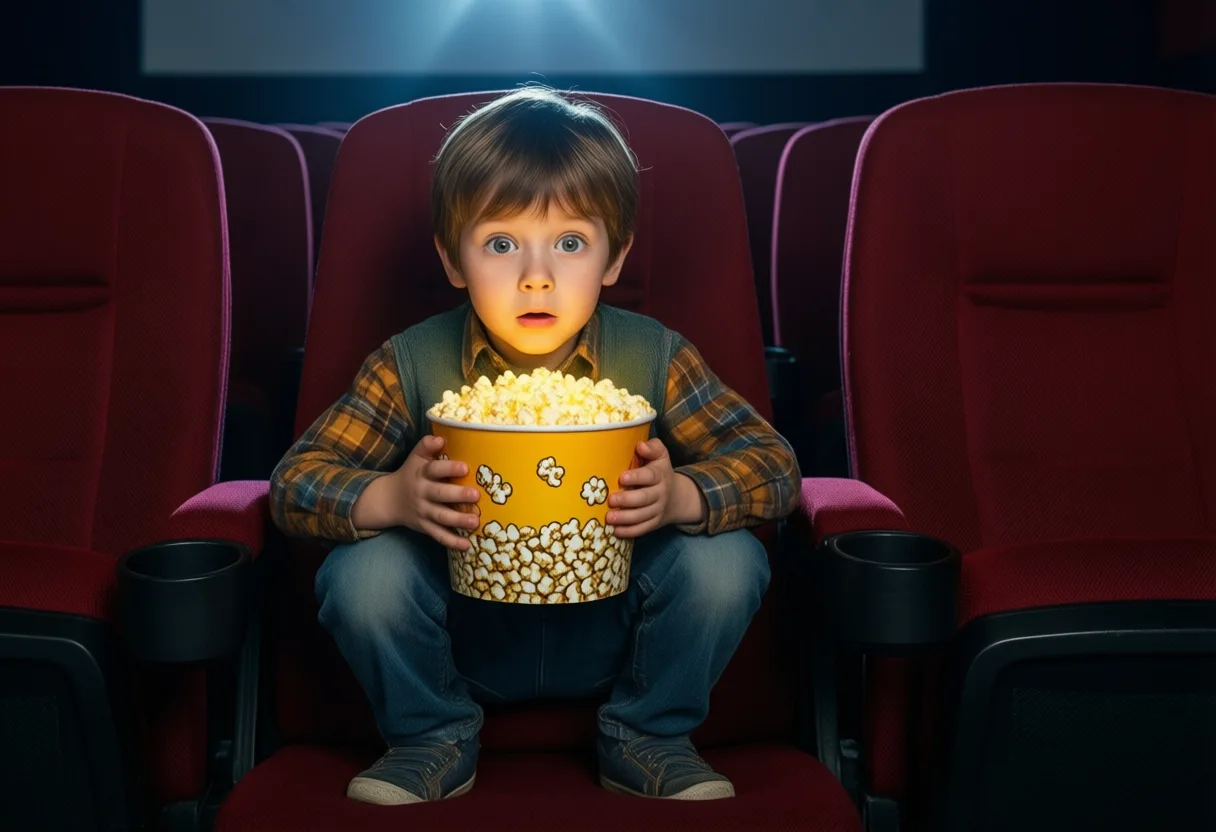
A New Wave of Family Films Hits Theaters This Month
The silver screen is no longer just for superheroes and sequels. This month, a fresh crop of family films arrives with color, Heart, and just enough silliness to keep both kids and adults from checking their watches. These aren’t just distractions-they’re invitations to laugh, wonder, and maybe even hold hands during the quiet parts.
Gone are the days when “family movie” meant animated fluff with a moral stapled on at the end. Today’s best offerings treat children as thoughtful viewers, not just sugar-fueled audiences. The Stories unfold With care, balancing whimsy and emotional weight in ways that feel earned, not engineered.
Studios seem to finally understand that family films don’t need to pander to be popular. The most resonant ones this month don’t rely on meme-worthy sidekicks or relentless jokes. Instead, they trust that a Well-told story-about courage, curiosity, or a robot learning to feel-is enough to hold attention across generations.
What Makes a Movie Truly Kid-Friendly in 2024?
Being labeled “family-friendly” doesn’t automatically mean a film works for families. Some movies are loud without being lively, busy without being bold. True kid-friendliness isn’t about avoiding conflict-it’s about handling it with honesty and warmth.
A film earns its place in the family rotation when it respects its youngest viewers’ intelligence. It allows them to feel scared, then shows them how courage feels. It lets characters make mistakes and grow, instead of solving everything with a song or a gadget. The best ones don’t talk down-they reach across.
Humor Helps, of course. But the kind that lands with both a six-year-old and a sleep-deprived parent is rarer than you’d think. The standout films this month use humor that springs from character, not randomness. A robot sneezing oil? Funny. A robot learning to say “I’m sorry”? That’s memorable.
Also worth noting: pacing. Children’s attention Spans haven’t Collapsed-they’ve just been oversaturated with content that moves too fast. The films that succeed now often slow down, giving space for quiet moments, visual storytelling, and emotional beats to breathe. It’s not about filling every second. It’s about making each one count.
Why Animated Adventures Still Dominate the Family Box Office
Let’s not pretend otherwise-animation still runs the family film game. But the reason isn’t just that kids love bright colors and talking animals. It’s that animation offers Unlimited storytelling real estate. You can build cities in clouds, oceans in teacups, or a friendship between a cloud and a toaster. The only limit is imagination.
And studios are finally using that freedom for more than just spectacle. This month’s animated entries don’t just dazzle-they develop. Characters grow in ways that feel organic, even when they’re made of pixels and voice acting. The emotional arcs are clearer, the stakes more personal, the humor more layered.
Compare that to live-action family films, which often get trapped by realism. They can’t fly, literally or figuratively. They worry about physics, casting, and whether the dog will sit on cue. Animation doesn’t have those problems. It has others-like making sure the story doesn’t get lost in the visuals-but the best ones this month keep both in balance.
Top 9 Family Films to See Right Now
1. A Playful Sea Creature Discovers Land in a Colorful Underwater Tale
This vibrant underwater adventure follows a curious sea dweller who washes ashore and encounters the strange, dry world above. Everything is bizarrely loud, wobbly, and lacking in kelp. The fish-out-of-water (literally) comedy lands with charm, not condescension.
The animation glows with bioluminescent detail, turning tide pools into wonderlands and seagulls into slapstick villains. But the heart of the film lies in its quiet moments-like when the creature tries to mimic human laughter and ends up hiccuping bubbles.
Kids will giggle at the physical humor, while parents may blink back tears during the farewell scene. It’s not just about exploration. It’s about belonging-and knowing when to return home.
2. Siblings Uncover a Hidden World Behind Their Grandparents’ Attic Door
Two skeptical kids spend a rainy summer at their grandparents’ house and stumble upon a portal in the attic. What follows is a nostalgic, slightly spooky journey through a world that feels like a half-remembered dream.
The hidden realm isn’t just magical-it’s emotional. Time moves differently. Objects hold memories. A broken music box plays a lullaby their mother once sang. The film trusts children to sit with melancholy, not rush past it.
The sibling dynamic is refreshingly real-bickering, protective, and deeply bonded. No forced rivalry, no instant teamwork. Just two kids learning to listen, even when one insists the other is imagining things.
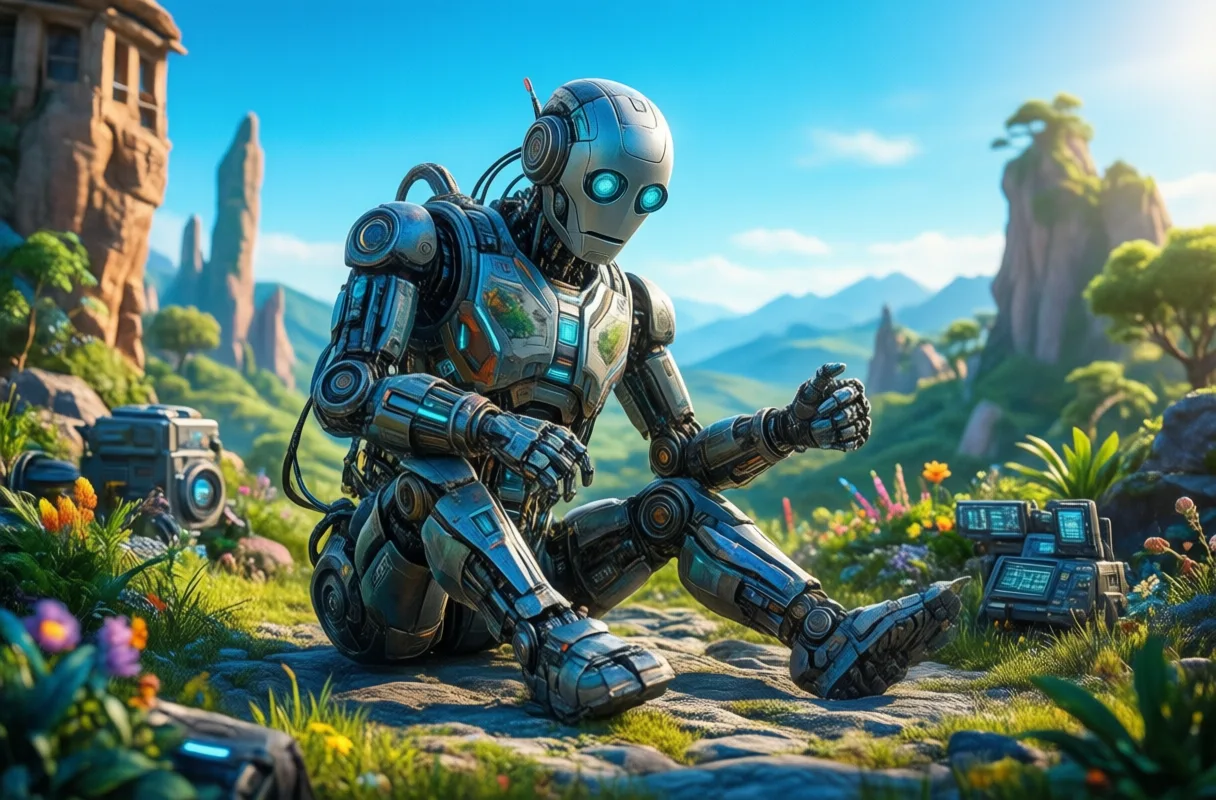
3. A Shy Robot Learns Courage Through an Unlikely Friendship
Set in a near-future town where robots handle chores and kids handle homework, this story centers on a malfunctioning helper bot who freezes at loud noises. Then a lonely child decides to fix it-not with tools, but with patience.
The robot’s journey from anxiety to action is subtle and never oversimplified. It doesn’t “get cured.” It learns to act despite fear. The metaphor isn’t subtle, but it’s handled with care.
The friendship scenes are warm and funny-like when the robot tries to play hide-and-seek and stands motionless in plain sight. But the climax, where it risks shutdown to protect its friend, lands with real weight.
4. Classic Storybook Characters Reimagined with Modern Humor and Heart
Familiar faces from childhood tales-think woodsmen, bakers, and one very dramatic goat-get a modern reboot in this ensemble comedy. They’re not heroes. They’re neighbors in a fairy-tale cul-de-sac dealing with traffic, noise complaints, and a dragon who won’t stop barbecuing after 10 p.m.
The humor is sharp but kind. A wolf runs a conflict resolution workshop. Cinderella Opens a shoe repair shop. The film pokes fun at tropes while honoring the stories that shaped us.
Kids will love the slapstick and visual gags. Adults will appreciate the gentle satire of suburban life. And everyone can agree: the talking goat has the best one-liners.
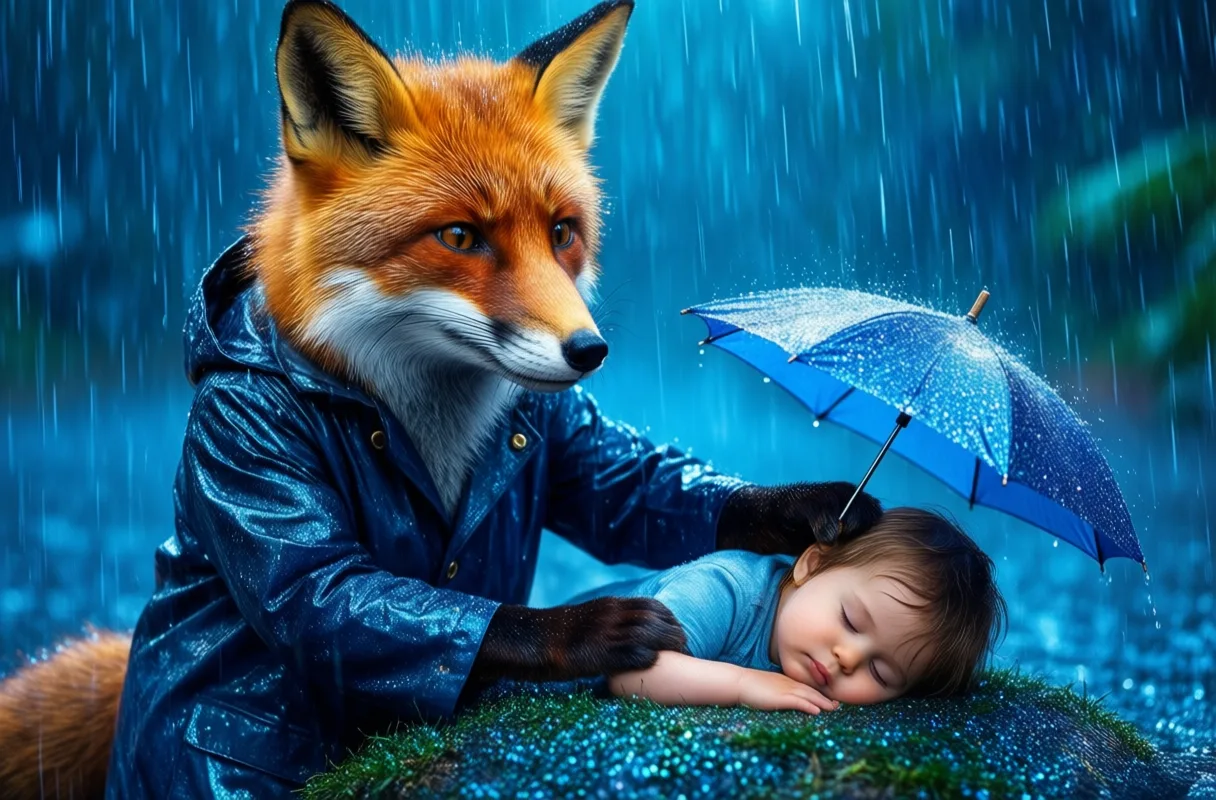
5. A Musical Journey Across a Magical City with Singing Animals
In a city where music powers the streetlights and animals speak in verse, a young fox sets out to find the source of a fading melody. Each district has its own rhythm-jazz in the market, reggae on the docks, classical in the clock tower.
The songs aren’t just filler. They advance the plot, reveal character, and occasionally make you want to shush the kids because You Need to hear the next lyric. The score is rich, inventive, and surprisingly moving.
The film’s message-that harmony requires listening, not just singing-feels timely without being preachy. And the final number, performed by the whole city, might just make you cry in your popcorn.
6. Young Inventors Build a Flying Machine to Save Their Town
When a storm cuts off their isolated town from supplies, three kids dig through junkyards and old blueprints to build a flying contraption. Think duct tape, dreams, and a lawnmower engine.
The science is loosely plausible, the failures are hilarious, and the triumph feels earned. No last-minute deus ex machina-just trial, error, and a little sibling teamwork.
It’s a celebration of curiosity and tinkering. And in a world where kids are handed screens, it’s refreshing to see them handed wrenches instead.
7. A Rescue Dog Teams Up with Kids to Solve a Neighborhood Mystery
A scruffy, anxious mutt adopted from a shelter becomes the unlikely hero when a series of small thefts baffles the local kids. Turns out, the dog remembers more than anyone thinks-and smells even more.
The film avoids the trap of making the dog a superhero. It’s nervous, loyal, and occasionally pees on the evidence. But its bond with the youngest investigator-also adjusting to a new home-feels deeply real.
The mystery isn’t world-ending. It’s about lost things and who we trust. And the solution? It involves a squirrel, a misplaced hearing aid, and a lesson in not jumping to conclusions.

8. Mythical Creatures Return in a Lighthearted Quest for Lost Treasure
A map found in a library book leads four kids on a hunt for a treasure guarded by a grumpy gnome, a forgetful phoenix, and a troll who just wants to finish his novel. The quest is silly, scenic, and surprisingly thoughtful.
The creatures aren’t just obstacles-they’re misfits with their own problems. The film gently suggests that everyone, even a 300-year-old elf, might need a friend.
The humor leans into absurdity (the phoenix keeps bursting into flames mid-sentence), but the emotional core stays grounded. The real treasure? The group’s growing trust.
9. A School Science Fair Leads to Unexpected Time Travel
A science project involving magnets, a toaster, and questionable wiring accidentally opens a portal to the past. Suddenly, a kid is face-to-face with her younger self-and realizes she’s been harder on herself than anyone else ever was.
The time travel rules are simple and consistent, which is rare. No paradox panic-just quiet moments of reflection, like watching your five-year-old self draw a picture of “who I want to be.”
It’s a rare family film that doubles as emotional intelligence training. And the science fair ending? Judges are impressed, but the real reward is self-forgiveness.
Beyond the Screen: How These Stories Spark Imagination at Home
These films don’t end when the credits roll. The best ones leave behind questions, not just catchphrases. What would I do if I found a door in the attic? Could I build a flying machine? What would my robot friend be like?
That curiosity is worth nurturing. A simple conversation after the movie-“What would you have done differently?” Or “Which character were you most like?”-can turn entertainment into connection.
Some families start traditions: drawing scenes, writing letters to characters, or building models of flying machines out of cardboard. It’s not about perfection. It’s about playing together, even if “playing” now means sitting quietly and imagining.
Common Myths About “Just for Kids” Movies - And Why They’re Wrong
One persistent myth: that family films are simple. They’re not. They’re often more complex emotionally than adult dramas, because they have to communicate big feelings in ways children can grasp-without dumbing them down.
Another myth: that parents will be bored. But the films that endure-Up, Coco, Spirited Away-are the ones that speak to everyone. Grief, hope, identity, belonging-these aren’t kid topics. They’re human ones.
And let’s retire the idea that animation is lesser. Some of the most visually daring, narratively bold work in cinema right now is happening in animated family films. They’re not “stepping stones” to real movies. They Are Real movies.
How to Choose the Right Film for Different Ages and Sensitivities
Not every family film fits every family. A movie with mild peril might thrill one child and terrify another. The key is knowing your viewer-not just their age, but their temperament.
For younger kids, look for clear emotional cues, predictable pacing, and resolutions that feel safe. Films with sudden loud noises or ambiguous endings can linger longer than intended.
Older children can handle more complexity, but that doesn’t mean they should be exposed to everything. Themes like loss, betrayal, or identity deserve context. A quick chat before or after can make all the difference.
And when in doubt? Watch together. Shared viewing turns a movie into a shared experience-one you can talk about, laugh about, maybe even cry about. That’s the real win.
The Magic Lives On - One Frame at a Time
Great family films don’t just pass the time. They create it. They stretch a two-hour window into something that lingers-through bedtime questions, backyard adventures, or quiet moments when a child says, “Remember when the robot said sorry?”
This month’s lineup reminds us that storytelling for young audiences isn’t a compromise. It’s a challenge-to be clear, kind, and courageous in equal measure. And when it works, it works for everyone.
So grab the popcorn, claim the middle cushion, and let the screen light up your living room. The magic isn’t in the effects or the budget. It’s in the shared breath before the big moment. In the hand that reaches for yours without asking.
One frame at a time, these stories tell children: You matter. Your feelings matter. And yes-you can build a flying machine if you try.
What Kids’ Movie Reviews Really Reveal
The Secret Language of Thumbs
Movie reviews for kids aren’t just about whether a film is “good” or “bad”-they often decode what actually matters to young audiences. While adults might focus on plot depth or cinematography, kid-focused reviews pay close attention to things like how funny the sidekick is, if the hero shows kindness, or whether the music makes you want to dance in your seat. These reviews act like a filter, highlighting moments of silliness, bravery, or heart that resonate most with younger viewers, helping families decide if a movie fits their child’s vibe.
Animated Clues Hidden in Plain Sight
Many family films pack in Easter eggs that fly over kids’ heads but delight parents-something reviewers often catch and point out. For instance, voice actors sometimes improvise silly lines that make it into the final cut, or animators hide references to classic movies in the background. Reviews that spotlight these details add an extra layer of fun for families, turning movie night into a mini treasure hunt. It’s not just about the story on screen, but the shared joy of discovering little secrets together.
Why Ratings Can Surprise You
A movie rated “excellent” by kids might get a lukewarm response from critics-and that’s totally normal. Children respond to different cues: bright colors, catchy songs, or a talking animal with a goofy voice can win them over fast. Reviews tailored for families often explain these gaps, helping parents understand why their child loved a film that seemed simple or silly. It’s a reminder that enjoyment doesn’t always follow adult logic-and that’s okay.
Frequently Asked Questions
What makes a family film truly kid-friendly in 2024?
A truly kid-friendly film handles conflict with honesty and warmth, respects children's intelligence, and allows them to feel scared while showing them courage. It avoids talking down and uses humor that comes from character, not randomness.
Why do animated films dominate the family movie scene?
Animation offers unlimited storytelling possibilities, allowing cities in clouds or friendships between unlikely characters. It supports emotional growth and layered humor while balancing visual spectacle with meaningful story arcs.
Which family films are recommended this month?
Top picks include a sea creature discovering land, siblings finding a hidden world in an attic, a shy robot learning courage, classic storybook characters in a modern setting, and a musical city with singing animals, among others.
How can parents choose the right family film for their child's age and sensitivity?
Consider the child's temperament, not just age. Younger kids benefit from clear emotional cues and safe resolutions, while older children can handle more complex themes with context. Watching together allows for discussion and connection.
This article was produced with AI assistance. How Motion Picture Magazine uses AI.
Isolde dissects award campaigns, voting patterns, and industry politics with precision. She tracks how prestige television and arthouse films navigate recognition, emphasizing diversity shifts and behind-the-scenes power dynamics shaping nominations.