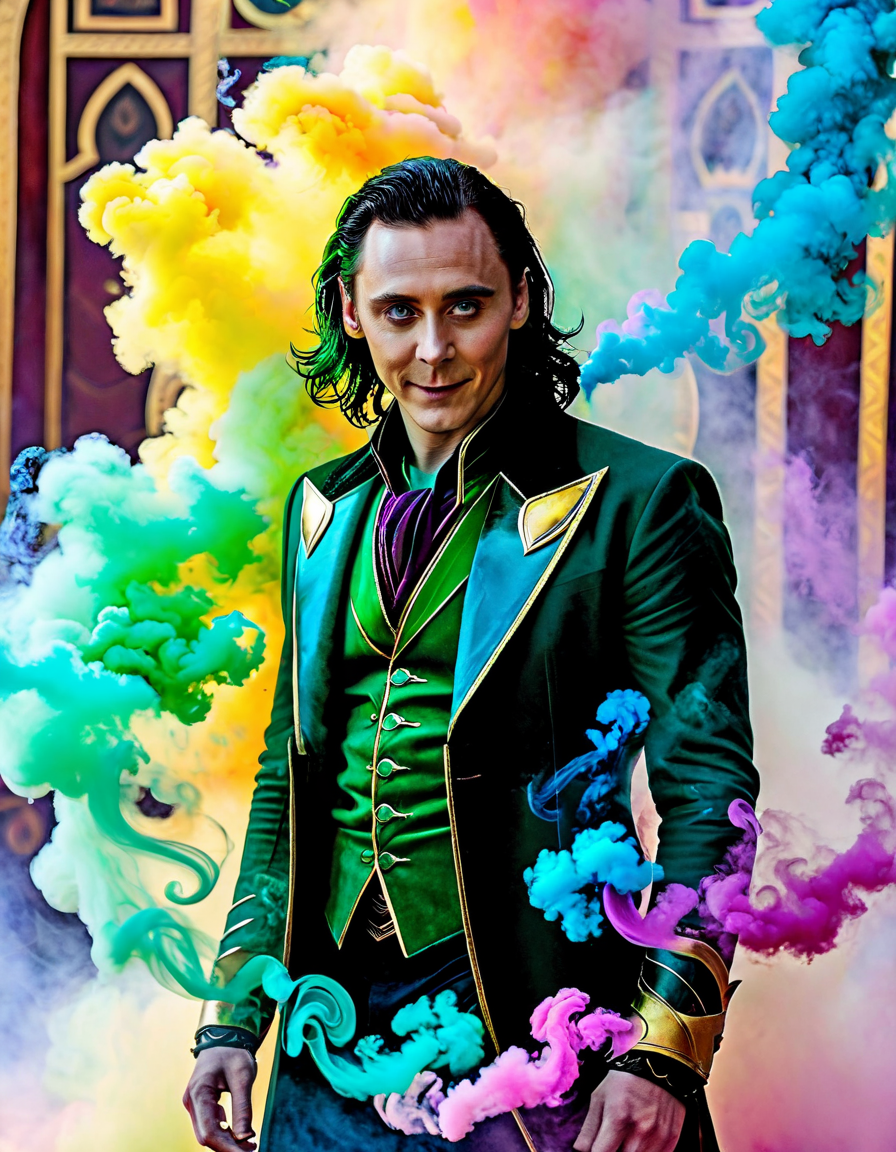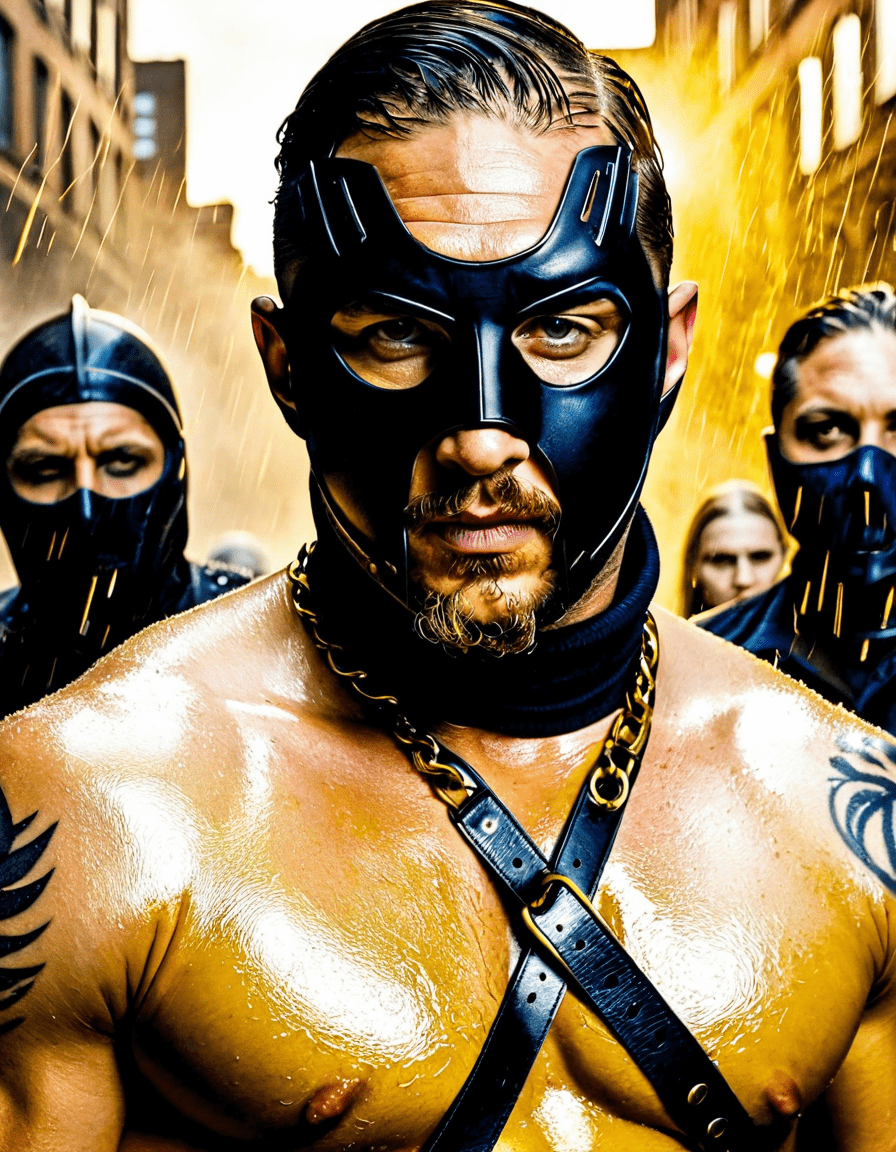
The character of loki has charmed audiences around the globe, perfectly blending Norse mythology’s rich tradition with the dynamic storytelling of the Marvel Cinematic Universe (MCU). Whether he’s pulling a fast one on Thor or escaping from the clutches of a villain, loki’s journey reflects a multifaceted personality that’s as mischievous as it is complex. Today, let’s dive into a detailed exploration of seven compelling aspects of loki’s character, showing how he has evolved into a beloved cultural icon.
1. The Trickster Archetype
At the heart of loki is the classic trickster archetype, a character found in many cultures worldwide. Norse tales depict him as a master of disguise and deception, known for his clever antics. He’s reminiscent of figures like Anansi the Spider from African folklore and Coyote from Native American stories, using wit to navigate challenges. In the MCU, films like Thor and Thor: Ragnarok showcase this beautifully, where loki’s antics not only entertain but also propel the storyline forward, leaving audiences laughing and gasping in equal measure.
In many ways, loki represents chaos itself. He’s the type of guy who’d swap your shampoo with glitter out of sheer whimsy! This chaos can lead to unintended consequences, making both viewers and characters question what’s right and what’s wrong. You might even say that he could write the book on ‘how to be both the hero and the villain’ all at once.
2. The Complex Relationship with Thor
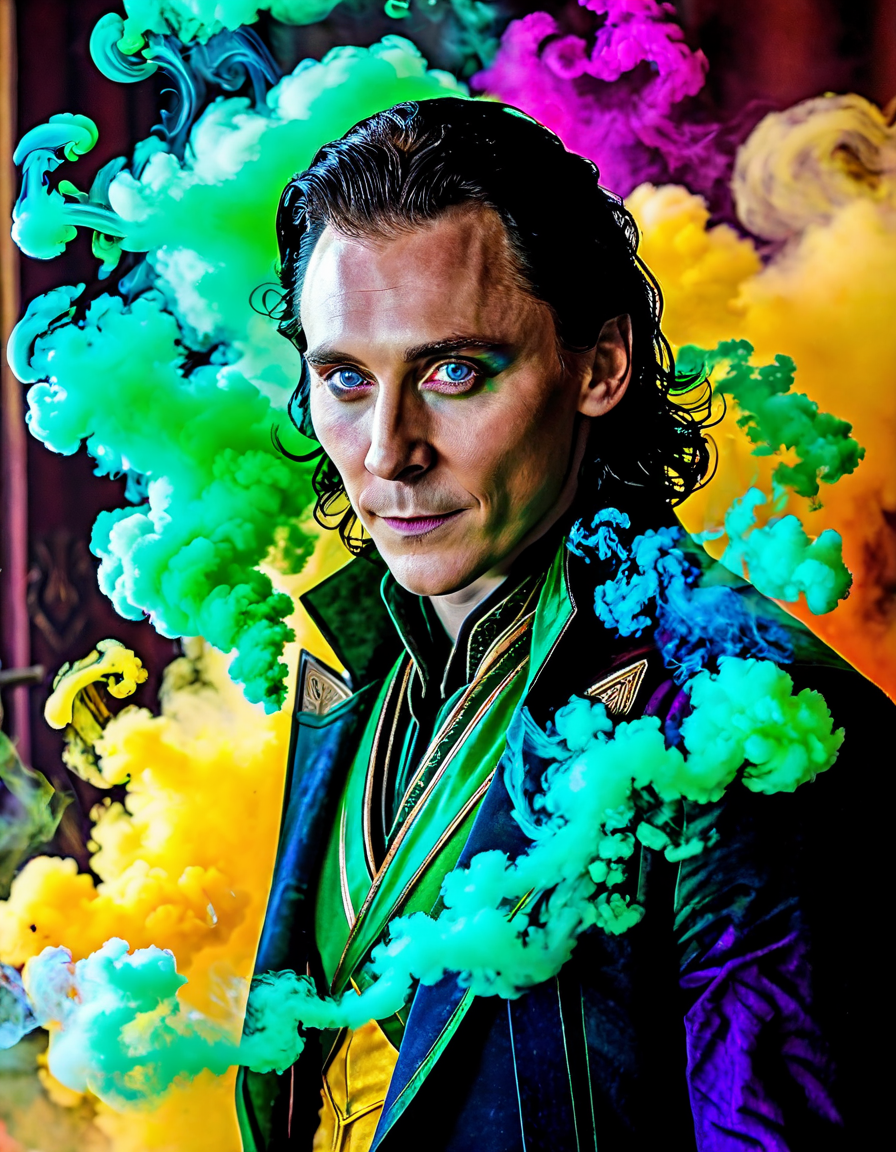
No exploration of loki would be complete without mentioning his relationship with his brother Thor. It’s a classic case of opposites attract—or, more accurately, opposites clash! While Thor embodies the strength of a hero, loki revels in chaos, creating a sibling dynamic filled with jealousy, love, and redemption. This contrast highlights deep emotional undertones that resonate with many viewers, which is why we keep coming back for more.
In Avengers: Infinity War, loki’s final act speaks volumes about his character. He puts himself in harm’s way to save Thor—a brave act that showcases the depth of their bond. Who knew that the God of Mischief had such a soft spot for family? This complexity makes their relationship a shining example of how familial ties can be both a blessing and a curse.
3. The Concept of Identity and Transformation
loki is not just a trickster; he’s a shapeshifter. His ability to transform allows for a rich exploration of identity. This theme resonates deeply in today’s discussions around gender and personal growth. In the Disney+ series Loki, this concept reaches new heights, featuring multiple versions of him in the multiverse, each exploring different facets of his character.
This fluidity in identity speaks to the modern conversation about who we are versus who we’re expected to be. It’s empowering to see a character like loki challenge societal norms, allowing fans to reflect on their own identities. Honestly, if he can pull off a grand escape while pondering his true self, what’s stopping us from finding our own paths?
4. The Dark Influence of Chaos
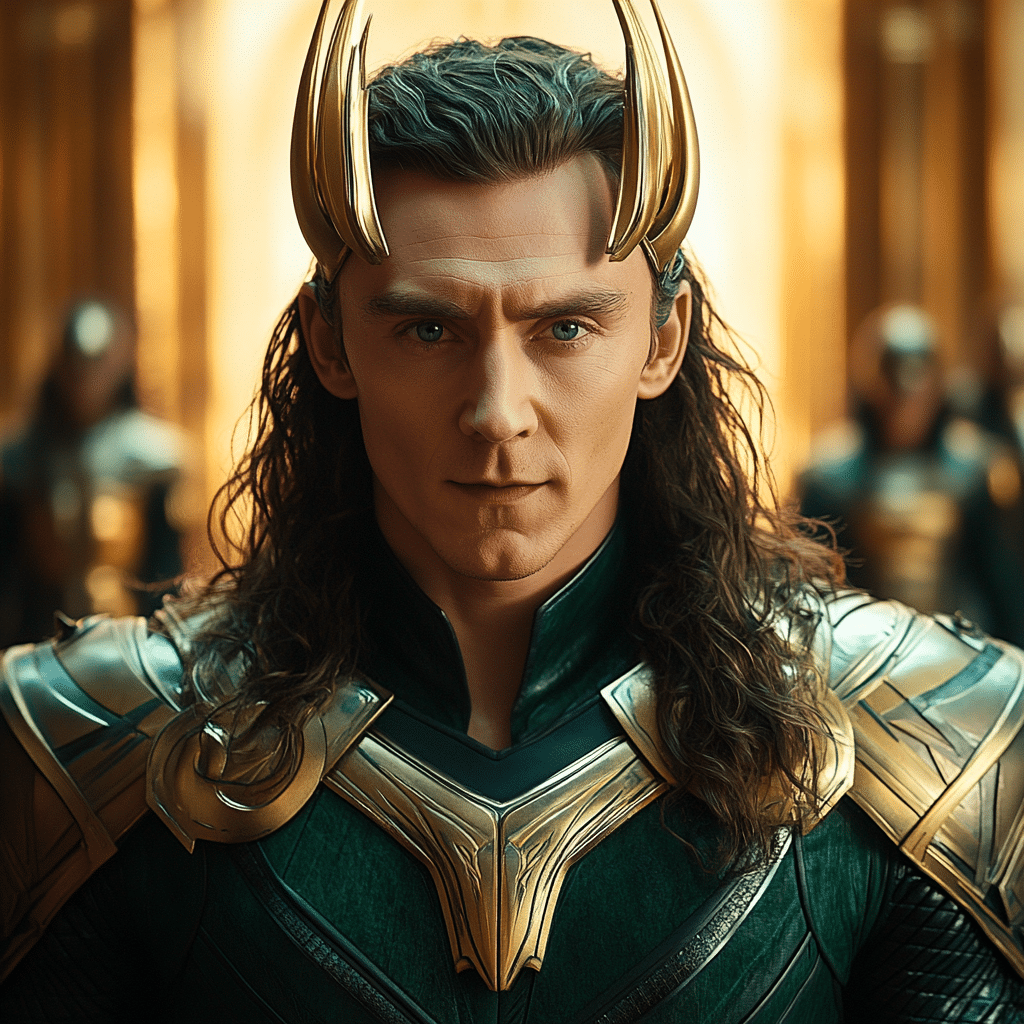
Though loki often adds a splash of humor, his darker side raises pivotal questions about morality. The consequences of his chaotic nature are evident in the destruction seen during the Chitauri invasion in The Avengers. Here, chaos is not just amusing; it introduces real stakes, prompting the audience to grapple with the fine line between heroism and villainy.
From throwing a city into turmoil to his personal vendettas, loki’s antics showcase that chaos can come at a substantial cost. It begs us to ponder our views on justice and order—who decides what’s right when chaos reigns supreme? That’s a question worth kicking around over coffee or during a lazy Thursday binge-watch of Loki.
5. Gender Fluidity and Representation
What’s striking in modern portrayals of loki is the emphasis on gender fluidity. The series emphasizes loki’s shape-shifting capability, allowing him to exist beyond traditional gender norms. This progressive portrayal resonates with ongoing conversations about representation and inclusivity.
Characters like loki pave the way for broader discussions on identity in mainstream media, similar to those sparked by figures like Destiny from the Destiny 2 video game franchise. It’s fascinating to see how loki embodies the essence of individuality in a colorful, chaotic package. Can we raise a toast to gender fluidity portrayed in pop culture? Absolutely!
6. Pop Culture Impact and Merchandise
loki’s sway isn’t confined to the screen; it’s taken the merchandising world by storm! Pop culture has embraced him wholeheartedly, seen in everything from Funko Pop figures to T-shirts flaunting his iconic quotes like “I’m loki, of Asgard.” This speaks volumes about his appeal across varied demographics, capturing the hearts of both young fans and nostalgic adults alike.
Merchandise inspired by loki isn’t just popular; it’s changing the way consumers engage with their favorite characters. Whether you’re adorning your wall with loki art or ordering merchandise that makes your friends chuckle, it’s clear that this character has infiltrated daily life. It’s wild to think that slight green and gold touches can spark all this joy, but here we are!
7. Future Directions and Adaptations
As we step into 2026, the journey of loki shows no signs of slowing down. Set to emerge in exciting new projects, we’re in for a treat with narratives exploring his character further, especially with the multiverse becoming central in the MCU. Expect different versions of loki to collide in storylines that promise surprises and depth.
This approach echoes what we see with other beloved characters like Spider-Man, who also navigates different realities. The appeal of complex character arcs is becoming a hallmark of modern storytelling—who doesn’t want to see a multi-loki showdown? Buckle up; it’s going to be a thrilling ride!
Embracing the Ambiguity of loki’s Character
The character of loki serves as a fascinating framework for exploring themes like identity, morality, and the chaotic dance between order and disorder. His evolution from Norse mythology’s villain to a compelling anti-hero shows how storytelling has changed—a shift towards nuance and complexity. With each of loki’s escapes and unexpected redemptions, we can’t help but reflect on our multifaceted experiences in life.
So, as millions of fans tune into Loki and discuss what makes this character so compelling, let’s acknowledge the chaotic journeys we all embody. After all, we are all a little bit like loki, unpredictable and endlessly intriguing. Whether he’s pulling off masterful tricks or wrestling with his identity, loki challenges us to look beyond the surface and consider the beautiful messiness of being human.
Loki: The Enigmatic God of Mischief and Chaos
A Little Bit of Mischief Behind the Scenes
Did you know that the character Loki has been portrayed by multiple actors across different media, including films and TV shows? Tom Hiddleston isn’t the only one who captivated audiences with his portrayal; the role has evolved over time, much like the shift from My Lady jane episodes, where characters dance between worlds, much like Loki himself. Interestingly, each version puts a fresh spin on Loki’s unpredictable nature, reflecting the ever-changing landscape of storytelling in cinema. He embodies chaos, which often leaves us guessing at his next ploy.
Fun Facts and Quirks of Loki
Loki’s mythology is rich with layers, much like the themes explored in the Shoplyfter storylines that highlight the mischief in everyday life. One fascinating tidbit is that Loki was traditionally depicted as a shape-shifter. This ability aligns perfectly with the character’s unpredictable charm, much like Phil Dunsters dynamic role that keeps audiences engaged. With his origins rooted in Norse mythology, Loki is often seen as a trickster, but he also bears a complexity that resonates deeply with those who admire figures like Gregg Allman, whose own life was a tapestry of legend and myth.
Loki in Popular Culture
As Loki made his way into popular culture, he garnered a new generation of fans, which could be compared to the surge of interest in artists like Peso Pluma, whose meteoric rise has fans curious about his peso Pluma height and background. Similarly, Loki’s character arc has kept viewers hooked, swirling in the midst of chaos yet often being poignant. As we dive deeper, we realize Loki often finds humor in even the darkest situations, much like the satirical tones in Hysteria, reminding us that laughter can be found in any chaos.
In conclusion, whether it’s Loki’s shape-shifting antics or unexpected layers, there’s always something new to learn about this enigmatic god. So, if you delve into the lore and fandom, be prepared for surprises that echo the unpredictable nature of Loki himself! Each twist and turn in his story is a reflection of the chaotic dance of life, just waiting to be embraced.