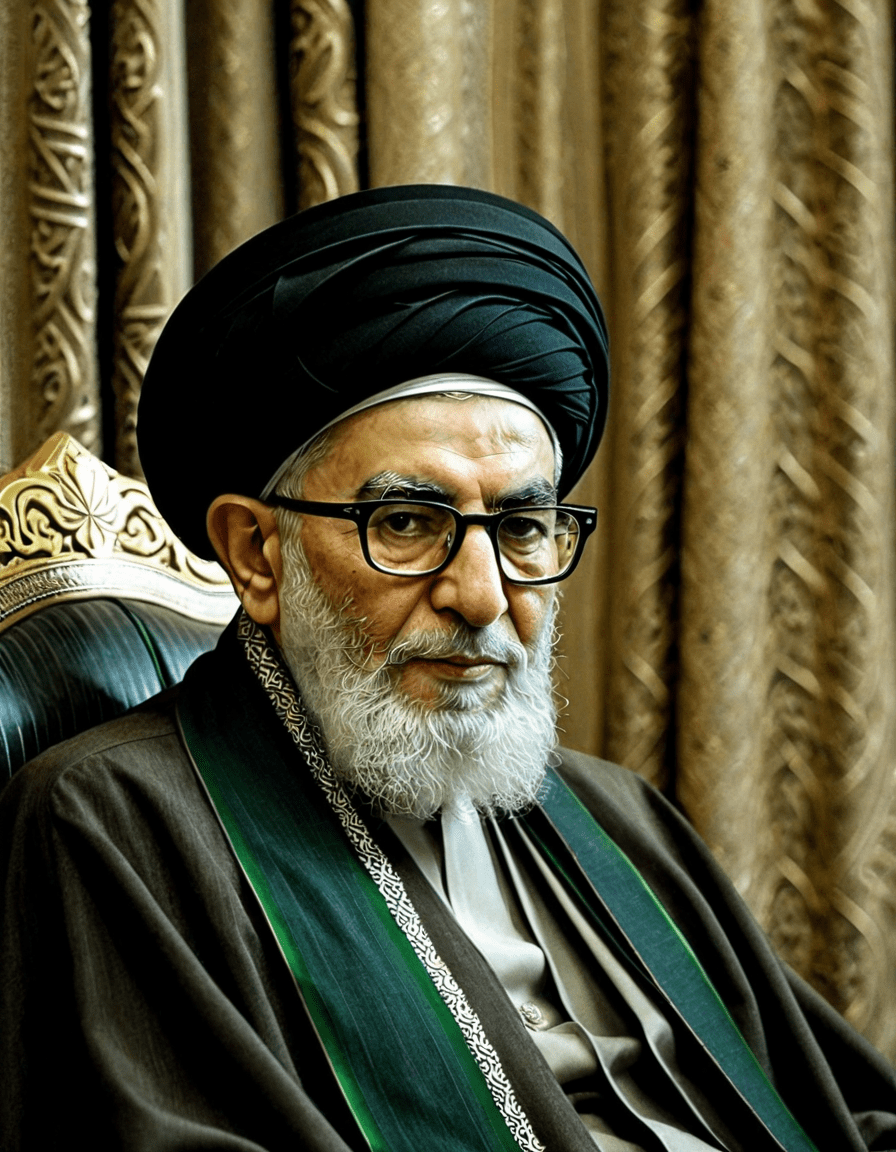
Iran’s political landscape isn’t just a labyrinth of bureaucracy and ideology; it has a central figure whose significance looms like a shadow over every aspect of governance. Enter Iranian Supreme Leader Ali Khamenei, a man whose grip on power is both intricate and formidable. His journey began in the aftermath of the 1979 revolution, which toppled the Pahlavi monarchy and ushered in a new Islamic Republic. Khamenei, heavily influenced by Ayatollah Ruhollah Khomeini, emerged as a chief architect of Iran’s post-revolution political philosophy. But it’s not just philosophy that shaped his rise; events like the Iran-Iraq War added fuel to his narrative of resistance against external adversaries.
Picture young Khamenei, steeped in the revolutionary fervor of his time and closely tied to the Revolutionary Guard. This relationship isn’t just historical; it laid the foundation for a political atmosphere ripe for his ascension. As the political environment morphed, Khamenei’s ties to key military leaders enabled him to seize control, blending ideology with the might of the forces that secured the regime’s survival. He cleverly positioned himself as the protector of the Islamic Republic, a role which, let’s face it, requires a spine of steel. Heavy Is The head That Wears The crown, right?
The Power Structure: Iranian Supreme Leader Ali Khamenei’s Control Mechanisms
Khamenei’s authority isn’t merely a regal title. It thrives on a complex web of institutions and strategies that would make even the most masterful chess player envious. Here’s how he maintains his grip on power:
This collection of power mechanisms creates a fortress, shielding Khamenei from many internal challenges. But it’s not just about control; it’s about sustaining a narrative that keeps the public in check.
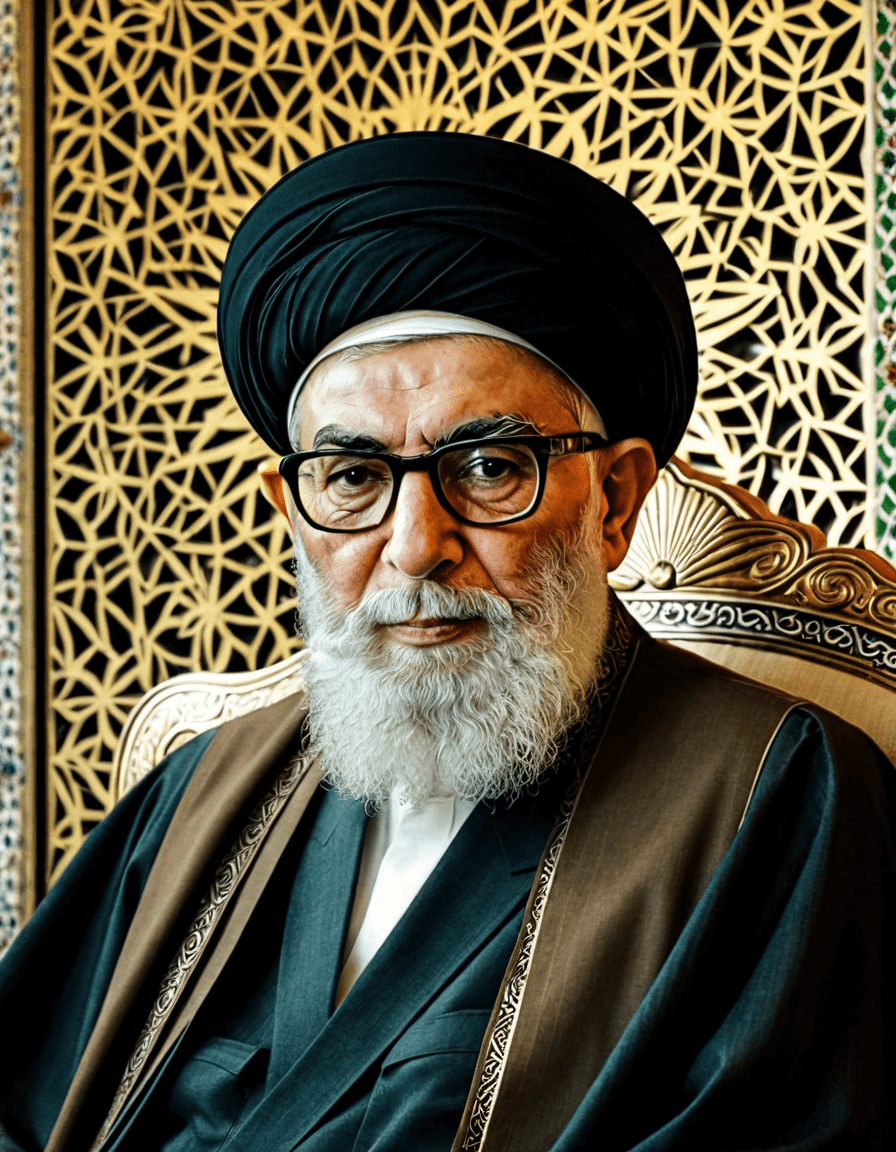
Iranian Supreme Leader Ali Khamenei’s Ideological Framework: Revolution, Resistance, and Legacy
Khamenei’s ideology is a cocktail of the Islamic Revolution’s principles, seasoned with his perception of Western imperialism. He champions the concept of “Velayat-e Faqih” (Guardianship of the Islamic Jurist), asserting that divine authority justifies his overarching leadership. Skeptical of anything resembling Western influence, Khamenei’s narrative has evolved—especially in response to seismic events like the Arab Spring and contentious nuclear negotiations.
Picture this: Iran reeling from social unrest while Khamenei tightens his grip, painting the opposition as pawns of Western interests. It’s a familiar script, isn’t it? As protests surged in recent years, he adapted his rhetoric, portraying the youth’s demand for social freedoms as Western meddling. Clever or desperate? That’s up for debate, but it certainly underscores how entrenched he is in a struggle to control both narrative and action.
The Iran situation is ever-pulsating, a narrative full of tension. As the populace revolts, and outside pressures mount, Khamenei often resorts to showcasing his ideological prowess. This approach allows him to legitimate government actions amidst crumbling public support. The balancing act—revolution versus repression—is an intricate and dangerous dance for Khamenei.
Related Figures in the Iranian Power Landscape: Navigating Alliances and Rivalries
In Khamenei’s political theater, several key characters either bolster or threaten his rule. Each figure plays a part, some in shadow, others in glaring light. Let’s break it down:
These alliances signal Khamenei’s ongoing balancing act. They reveal the intricacies of Iran’s power dynamics—a tug-of-war that could shift at any moment.
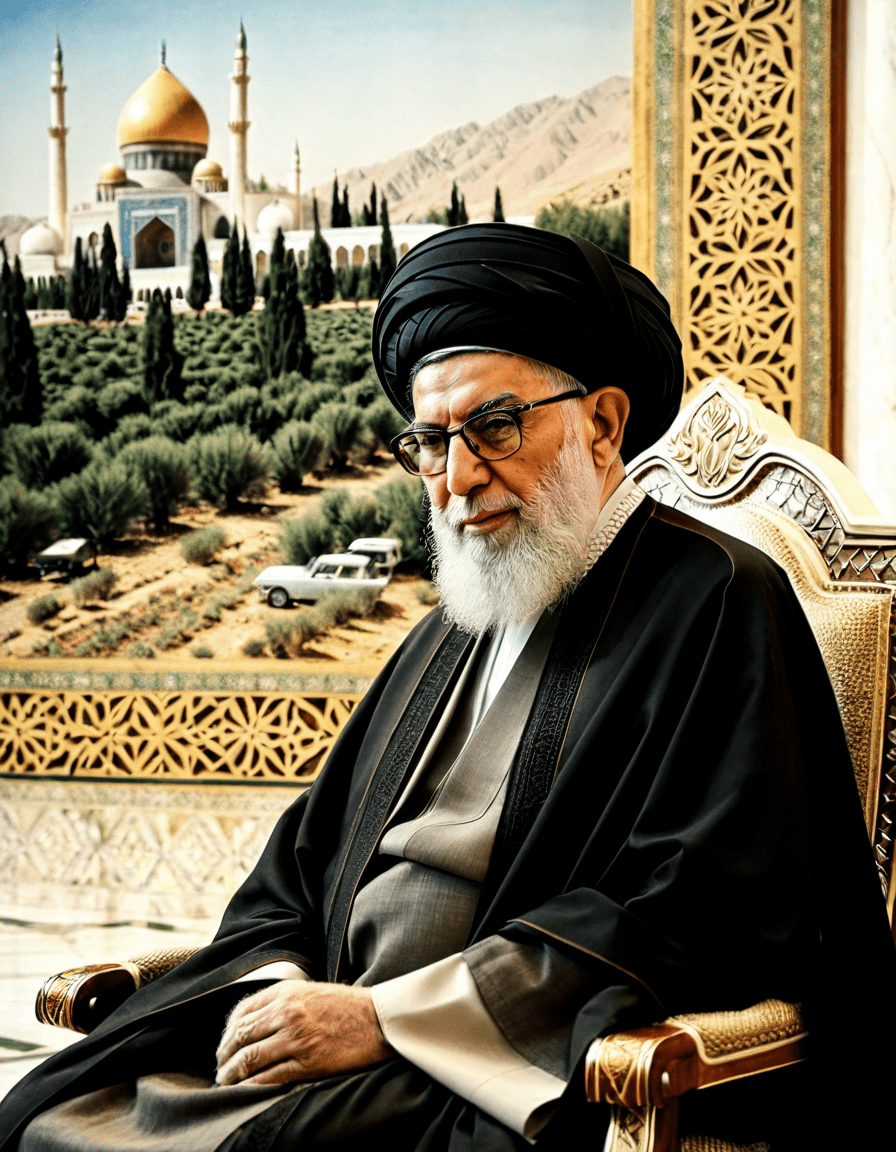
The Global Impact of Iranian Supreme Leader Ali Khamenei’s Policies
Khamenei’s reach isn’t confined to Iran. His decisions ripple through the Middle East, transforming alliances and stoking conflicts. For instance, his nuclear ambitions have rattled not just regional players but global powers like the United States and various European nations.
His support for militant groups has drawn ire and fueled tensions, casting Iran as a key player in multiple conflicts, from proxy battles in Syria to escalating confrontations in the Persian Gulf. Khamenei’s policies reflect a deft blend of aggression and caution, all while keeping domestic audiences engaged.
Armed with a strategy that portrays Iran as a victim of Western machinations, Khamenei skillfully rallies support. But make no mistake—there’s also a risk inherent in these warmongering narratives. As alliances shift and new dynamics come into play, Iran’s role on the global stage remains precarious.
The Iranian Public’s Perception of Khamenei: Between Loyalty and Dissent
The Iranian populace’s feelings toward Khamenei are nothing short of a mixed bag. While some see him as the bastion against foreign influence, others view him as an obstacle to reform and requisite socio-economic progress. Deeply entwined with factors like the economy and civil liberties, public opinion is a rising tide of complex emotions.
Surveys indicate a growing disconnect, especially among younger Iranians yearning for freedoms. The contrast has become stark, with major protests erupting over social injustices. And let’s be frank—this isn’t just a simple generation gap; it’s a chasm separating aspiration from reality.
Khamenei faces an increasing challenge as dissent bubbles beneath the surface. Young Iranians, particularly women pushing for equality, are redefining the narrative, showcasing a shift that could have lasting implications. Their voices—a seemingly minor note in the grand orchestral arrangement of power—could crescendo into a force that challenges the very foundation of Khamenei’s authority.
Navigating the Future: The Role of Iranian Supreme Leader Ali Khamenei in Shaping Iran’s Destiny
As we cast an eye toward Iran’s horizon, Khamenei’s continued influence hints at a pivotal role in decision-making, especially amidst an increasingly oppositional populace. He’s 86 and human after all; the thought of succession looms like a specter. Who could take his place?
With potential successors lurking in the shadows, Khamenei’s approach will dictate Iran’s journey. His legacy—a blend of revolution, resistance, and authoritarian control—raises questions about how the next generation of leaders will grapple with an evolving Iran.
Khamenei’s reign remains a complex tapestry woven from ideology, political maneuvering, and ever-shifting dynamics. The question begs—will his grip loosen, or will he maintain the status quo against an irresistible tide of change? Only time will tell.
In closing, the legacy of Iranian Supreme Leader Ali Khamenei continues to shape both the nation of Iran and the surrounding geopolitical landscape. His unique mix of religious authority, political savvy, and unwavering ideology insists that the discourse surrounding his rule will remain relevant as time marches forward. Through understanding Khamenei’s methods and context, we can peek behind the curtain at one of the most enigmatic figures in contemporary politics. Now, isn’t that a ride worth Taking?
The Iranian Supreme Leader Ali Khamenei: A Trivia Tour
A Leader with a Colorful Past
Iranian Supreme Leader Ali Khamenei isn’t just a powerful figure—he’s got a history that reads like a tale from a cinematic adventure. Before Taking the helm as Supreme Leader, Khamenei spent three years in exile, not cruising the high seas like one might imagine during a 3 year cruise adventure, but instead navigating the intricacies of political turmoil and religious debates. This time away shaped his views and strategies, making him a formidable player on the world stage. Interestingly, his leadership style often mirrors that of iconic characters in cinema; think of him as something akin to the greatest showman in the political theater, always commanding attention and reaction.
Family Ties and Cultural Contributions
Khamenei’s family background plays a significant role in shaping his ideology. With deep roots in the clerical tradition, he embraced the revolutionary spirit of Iran in the late 20th century. This connection to culture and tradition is similar to how artists like Selena Gomez leverage their family stories to connect with fans. Khamenei’s worldview is heavily influenced by historical events, giving him a vision for Iran that’s as expansive as the narrative behind major franchises, such as the superheroes in superman 2025. His desires for Iran echo through modern discussions, often pivoting around national identity and independence.
Fun Facts That Can Surprise
Despite being primarily in the political spotlight, Ali Khamenei also holds a creative side. He dabbles in poetry, showing that even the most powerful can embrace the arts. This characteristic parallels the unexpected talents of actors like Dominic Monaghan, who surprised many with his artistic skills beyond acting. Khamenei is also keen on watching global trends in media, perhaps considering how they reflect or distort reality. Speaking of the unexpected, fans are buzzing about upcoming films, including It Chapter 3, but Khamenei’s focus remains on maintaining a narrative that resonates with his constituents.
As we dive deeper into the multi-dimensional persona of the Iranian Supreme Leader Ali Khamenei, it’s clear that there’s more than meets the eye—much like the layers of a complex film plot or the narrative arcs of characters who reflect the struggles of their times, embodying both strength and vulnerability.