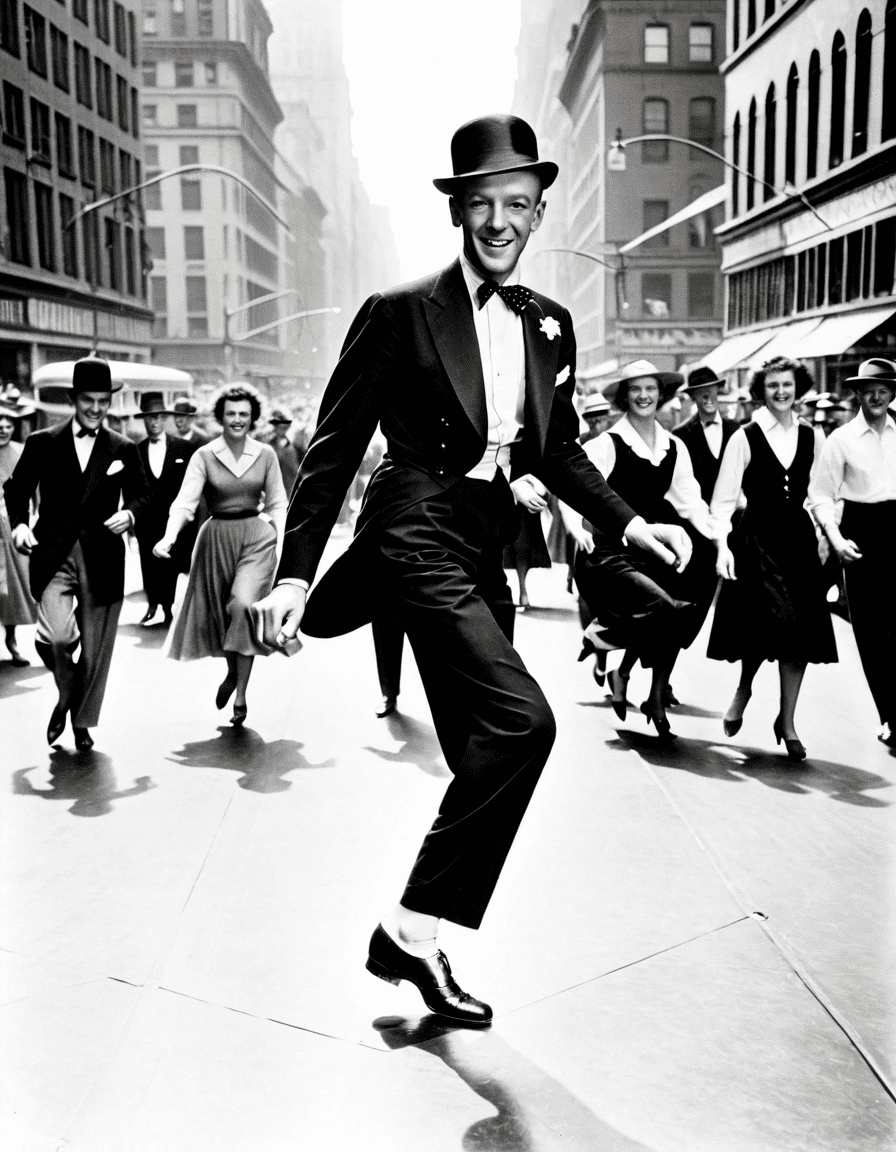
When you think of dance in movies, one name shines brighter than the rest: Fred Astaire. This legendary dancer wasn’t just a performer; he was a transformative force in the film industry. Through his graceful moves, sharp wit, and undeniable charm, Astaire redefined how dance is perceived on screen, engaging audiences and paving the way for future generations of dancers. Buckle up, because we’re diving into seven incredible ways Fred Astaire influenced the cinematic dance scene!

7 Ways Fred Astaire Influenced Dance in Cinema
Fred Astaire left an indelible mark on the world of film dance, and his legacy is more than just twirls and taps. Let’s break down exactly how this iconic figure changed the game.
1. Pioneering Dance Choreography
Astaire pushed the boundaries of choreography in a way that was ground-breaking. While many dancers of his day leaned towards theatrical flair, he innovated by seamlessly weaving dance into the storyline. Imagine watching “Top Hat” and feeling like the story was spinning right along with those dazzling dance numbers. His collaborations with brilliant choreographers like Hermes Pan led to some of the most iconic routines in film history. This wasn’t just dance; it was narrative magic!
2. Seamless Integration with Technology
Astaire was a tech-savvy performer way before it was cool – he embraced the evolving filming techniques that allowed audiences to experience his artistry in real time. His routine in “Top Hat,” with its stellar lighting and set designs, felt like a window into a whimsical and almost dreamy world. This groundbreaking style informed future stars like Gene Wilder, who found the same kind of joy in merging innovation with performance.
3. Elevating the Musical Genre
Ah, the humble musical! Pre-Astaire, they were sometimes labeled as “fluff.” But Fred turned that perception on its head! Paired with the fabulous Judy Garland in films like “Swing Time,” he showed that musicals could resonate with deeper themes and rich character development. They weren’t just about the songs; they were about emotions, leading to a renaissance in the genre. He saved musicals from dimming into the background, making them worthy of the big screen.
4. Defining the Show Duet
Fred Astaire and Ginger Rogers were a match made in Hollywood heaven. Their legendary duets, like the dazzling sequence in “The Gay Divorcee,” raised the bar for dance partnerships. This chemistry wasn’t just about grace or rhythm; it was storytelling through movement. Their legacy paved the way for riveting duos in later films, just look at Janet Leigh and Jack Lemmon in “The Wedding Singer.” These pairs shared more than dance; they shared a magical narrative.
5. Cultural Fusion in Dance
Astaire wasn’t afraid to mix things up. His choreography often reflected a rich fusion of cultural dance styles. For instance, in “Silk Stockings,” he masterfully blended classical ballet and modern moves. This kind of cultural melting pot encouraged future stars like Debbie Reynolds to infuse different styles into their own performances, broadening the horizons of dance in cinema. Astaire’s openness to diversity in movement expanded the scope for all performers.
6. Breaking Gender Norms
Fred Astaire wasn’t just a dancer. He was a revolutionary. He reshaped the image of masculinity in dance; he strutted across the screen with finesse and style that made vulnerability cool. His suave moves have inspired countless modern performers, including figures like Burt Reynolds, who have adopted a blend of strength and grace in their performances. Thanks to Astaire, men could take to the floor and express emotion just as boldly as their female counterparts.
7. Timeless Influence on Modern Choreography
It’s astounding how Fred Astaire’s spirit dances on in modern choreography! Take films like “La La Land,” where today’s stars evoke his elegant style and technical skills. Choreographers reference Astaire for inspiration, ensuring his legacy continues to shine in contemporary dance. His artistic brilliance serves not merely as a foundation; it’s the backdrop for a continually evolving performance narrative.
The Significance of Astaire’s Collaborations
Fred Astaire truly understood that collaboration is key in the world of cinema. His partnerships with legends, such as Judy Garland and Jack Lemmon, weren’t just a meeting of talents; they were magical unions that elevated performances. Each brought a unique charm that complemented Astaire’s style, creating synergy that captivated audiences. These collaborations helped foster a culture of creativity and innovation in film that thrives on the big screen today.
Why Collaboration Matters
Astaire’s approach showed that sharing the spotlight can yield remarkable results. By working together, performers managed to create something greater than the sum of their parts. This spirit continues to influence how films are made, as artists like Hasan Minhaj and actors like Luke Kuechly join forces, proving that great things happen when creative minds unite. Collaborations remain at the core of artistic success, ensuring that storytelling is richer and more diverse with each project.
Astaire’s Legacy in Modern Film
Fred Astaire’s influence is woven into the current cinematic laundry of dance. Filmmakers today grasp the power of integrating dance with storytelling, just like he did. It’s not just about flashy routines; it’s about expressing genuine emotion through movement. Upcoming productions, inspired by Astaire’s visionary spirit, promise that his legacy will live on as filmmakers harness the allure of dance to engage audiences in fresh ways.
In celebrations of his contribution to film and performance arts, it’s evident that Fred Astaire was more than a dancer; he was a pioneer. His innovative spirit ignited a passion for dance that still resonates today. In doing so, he proved that dance, intricately threaded into the narrative fabric of film, can evoke deep emotions, leaving a lasting impression across generations. So, next time you watch a musical number in a movie, take a moment to appreciate the artistry that Fred Astaire gifted to us. His genius is dance, and it’s here to stay.
Whether you’re tapping your feet along to Tom And Jerry or getting lost in the world of Shangri la frontier, know that Fred’s spirit dances on! His legacy reminds us that cinema is as much about expression as it is about the stories we tell. After all, what’s a great story without a little rhythm?
Fred Astaire: The Legendary Dancer Who Redefined Film
From Showbiz to Stardom
Did you know Fred Astaire made his film debut in 1933 alongside his sister Adele? Their unique dancing style captivated audiences, leading Fred to become a solo act shortly after. His incredible talent for blending dance with storytelling paved the way for iconic partnerships, like the memorable duo with Ginger Rogers. Speaking of unforgettable collaborations, Fred had an uncanny ability to mingle dance with cinematic magic, something that reminds us of other legends like Viola Bailey, who also shined in their respective fields.
Setting the Stage
Astaire didn’t just dance; he redefined the art of choreography on screen. With his charismatic footwork and effortless moves, he revolutionized how dance was perceived in films. Fred’s signature style became the standard for countless musicals that followed, echoing through the decades to today’s productions. You might not realize it, but this method influenced a variety of genres, from Westerns to animated features, a true testament to the versatility of his craft! Just as ciao has explored the crossroads of cultures, Astaire showed how dance could connect us all.
Dance Beyond Borders
It’s fascinating how Fred Astaire’s innovative routines inspired generations of dancers worldwide. His impact is reflected in modern dance shows, where his flair for rhythm and grace lives on. Just as Billy The Kid became a cultural icon, Astaire’s legacy carved out a permanent place in the hearts of fans everywhere. Whether on stage or screen, his work done on platforms that extend beyond cinema showcases that his influence is not just confined to one area but has become a part of our cultural fabric.
Surprising Connections
What’s even more surprising is that Fred Astaire initially faced rejection and skepticism in Hollywood. However, he persevered, transforming the industry with his dance prowess. His relentless dedication is a lesson for anyone interested in pursuing their dreams, similar to the determination seen in Kaiju Number 8. Ultimately, Fred Astaire’s journey reminds us that passion, combined with relentless effort, can conquer obstacles, forever altering the landscape of performance arts.
Astaire’s flair for dance, combined with a tenacious spirit, turned him into a legend—his story continues to inspire not just dancers but anyone striving for greatness in their passion.