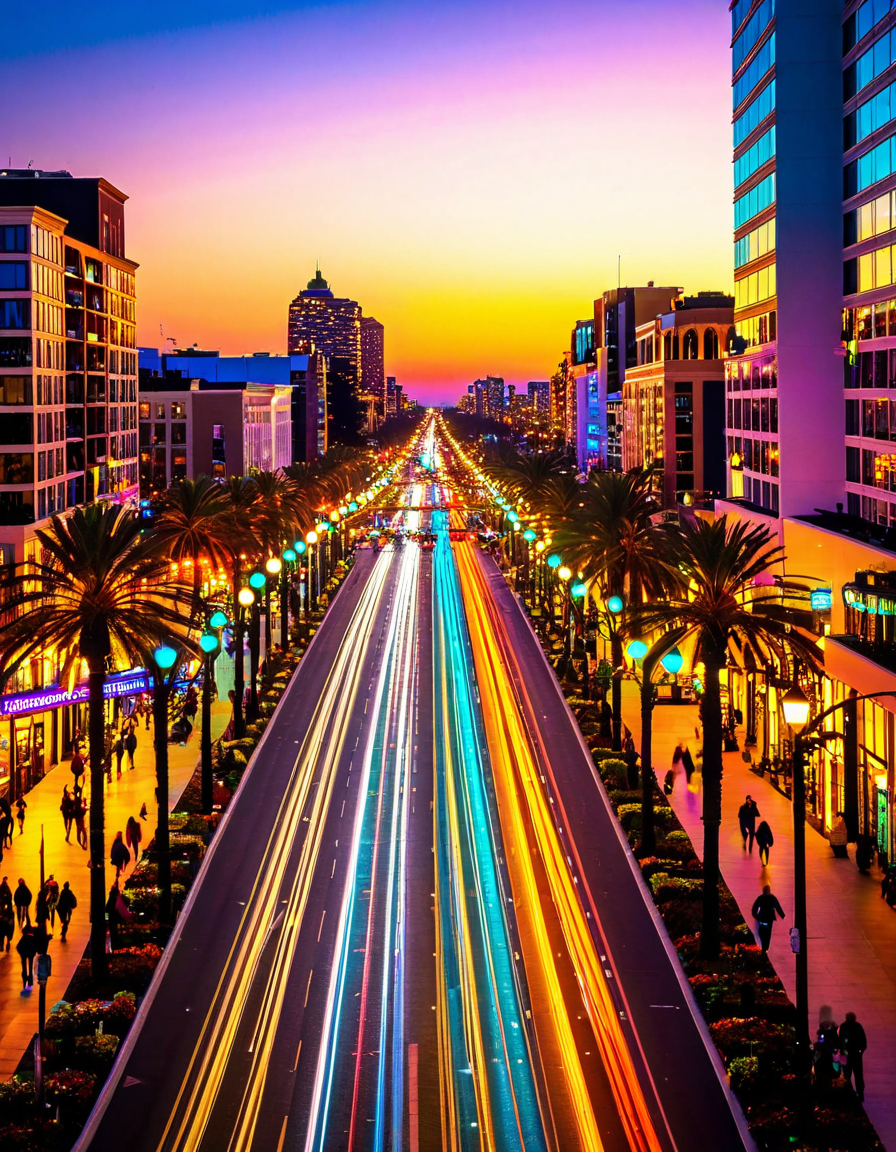
Boulevards have, quite literally, been the pathways to culture and style in cities across the globe. These iconic avenues began their journey in the bustling streets of 17th-century Europe, evolving from bland thoroughfares for traffic into vibrant cultural hubs. Take the Champs-Élysées in Paris, for example—a street that perfectly balances extravagance and accessibility with its chic cafés and flagship stores like Louis Vuitton. This isn’t just a place for shopping; it’s a setting for everything from fancy festivals to spontaneous movie screenings, making it a hub of social activity.
As urban migration thrived, boulevards became spaces where diverse communities intersect; they reflect the styles, voices, and flavors of the people walking their paths. Think of bustling La Rambla in Barcelona or Broadway in New York City—each boulevard tells its own story. It’s a tale of change, of the evening crowd strollers, and the colorful characters that make city life what it is today. So, let’s take a detailed stroll down some of the world’s most famous boulevards and explore how they manifest this vibrant blend of culture and urban flair.
The Evolution of the Boulevard: A Historical Perspective on Urban Migration and Culture
The history of the boulevard is rich and layered. Initially built for military access, these pathways soon became places of leisure and socialization. By the time the 18th century rolled around, boulevards were bustling with life, acting as the arteries of cities. The essence of migration can be felt in their cobbled stones, where the footsteps of many travelers—from tourists to artists—have added to the fabric of the community.
With growing urban populations, boulevards adapted, incorporating parks, public art, and eclectic shops along their routes. They became centers for community engagement, embodying the spirit of various cultures. Take Avenida Paulista in São Paulo, for example; every weekend, it’s transformed into a vibrant stage showcasing the best of Brazilian culture, from street food to public performances. These urban arteries are more than just places to navigate—they foster connections, friendships, and a shared cultural identity.
Boulevards also play a role in nurturing creativity. Artists and entrepreneurs set up shop along these routes, further enriching the atmosphere. The Waterfront Promenade in Sydney is a classic case where natural beauty meets urban living, drawing in locals for evening walks or coffee breaks while celebrating the city’s unique landscape. Today, boulevards are set to combine their historical significance with the dynamic demands of modern urban life, creating spaces that resonate with both tradition and innovation.
Top 7 Boulevards Around the World: Where Culture Meets Style
1. Champs-Élysées, Paris – The Eternal Classic
Ah, the Champs-Élysées—often dubbed the most beautiful avenue in the world! This street’s mix of exquisite dining and premier shopping makes it a quintessential Parisian experience. You can’t help but feel the buzz of culture here, whether you’re grabbing a croissant at a local café or catching a live concert amid stunning architecture. A stroll along this monumental boulevard is more than just a leisurely walk; it’s practically a rite of passage for anyone visiting the City of Light.
2. La Rambla, Barcelona – The Colorful Thoroughfare
Spreading through beautiful Barcelona, La Rambla is a sensory feast. Street performers shuffle between flower stalls while the tantalizing aroma of tapas fills the air. This isn’t just a thoroughfare; it’s a microcosm of the city’s vibrant spirit. Each evening, whether it’s spring or fall, the boulevard buzzes with life, offering everything from artisanal crafts to mouth-watering food stalls. You can easily lose yourself here—figuratively, of course!
3. Broadway, New York City – The Entertainment Hub
If you’re talking about culture, you can’t skip Broadway. This famous boulevard transforms into a showcase of theatrical genius each night, with bright lights inviting tourists and locals into its embrace. It’s not just a street; it encapsulates the American spirit, brimming with stories waiting to be told. The theaters lining this vibrant route provide both comfort and excitement, solidifying its status as a cultural touchstone in the Big Apple.
4. North Michigan Avenue, Chicago – The Magnificent Mile
Known as the Magnificent Mile, North Michigan Avenue is a blend of commercial fierce and architectural prowess, featuring buildings like the Wrigley Building and the Tribune Tower. Shoppers can find everything from high-end retailers to unique niches, while history whispers from the brick and mortar around them. This boulevard beautifully encapsulates what makes Chicago a gem of American cities—security, innovation, and a dash of that Midwest charm.
5. Avenida Paulista, São Paulo – A Cultural Crossroads
In São Paulo, Avenida Paulista acts as a vibrant crossroads of creativity and commerce. It hosts art installations and cultural festivals, conveying the diverse heritage of this Brazilian metropolis. With art galleries, museums, and music festivals, it becomes a lively space for community interaction. This boulevard is proof that streets can reflect cultural identity just as much as any museum or gallery.
6. The Waterfront Promenade, Sydney – Nature Meets Urban Style
While technically not a traditional boulevard, Sydney’s Waterfront Promenade provides an ideal blend of tranquility and urban life. The beautiful views of the harbor lure visitors to take a stroll as they sip freshly brewed coffee from cozy cafés. This space integrates nature into the bustling city, proving that relaxation is a crucial part of urban living. It’s the perfect setting for evening walks amidst breathtaking panoramas.
7. Nevsky Prospect, St. Petersburg – The Avenue of Arts
Finally, we arrive at Nevsky Prospect in St. Petersburg, an avenue so steeped in history it practically whispers tales of the past. A cultural haven, it boasts art galleries and theaters, alongside inviting cafés where you can people-watch to your heart’s content. This boulevard encapsulates the blend of modern and traditional that shapes Russian culture; it’s not just a street but a journey through time and creativity.
Future Trends: Boulevards in 2026 and Beyond
Moving forward, boulevards are primed for transformation, responding to future urban needs. Expect features like smart traffic systems to enhance safety and accessibility. Cities might adopt these innovations for adaptable spaces, reshaping dull areas into dynamic cultural centers.
There’s a strong push towards incorporating green spaces, as cities like Singapore showcase. Creating biodiverse environments along boulevards integrates nature with urban flair, allowing for outdoor concerts or seasonal activities that connect communities, especially as migration patterns shift.
Pedestrian-friendly designs will dominate future developments, encouraging evening gatherings and local business support. Imagine an alleyway that adapts with the seasons—think vibrant installations reflecting spring flowers or fall foliage, making boulevards a full sensory experience every time you walk down. As we embrace this future, boulevards will remain immensely vital, continuing to define urban style while fostering cultural conversations around us.
Boulevards, indeed, are more than just paths—they’re alive with stories, culture, and connections waiting to unfold. The journey continues!
Boulevard: The Iconic Pathway to Culture and Style in Cities
A Boulevard with Character
Did you know that some of the world’s most famous boulevards were born from practical needs? Originally, these pathways served as main thoroughfares for transport and trade, shaping the development of cities as vibrant cultural hubs. Think of Paris’ Champs-Élysées, often dubbed as “the world’s most beautiful avenue.” This iconic boulevard bustles with style, fashion, and, of course, tourists capturing Instagram-worthy moments. Speaking of capturing moments, some films, like Fat Monkey, relish the charm of such urban settings, bringing them to life on the big screen. They showcase how boulevards aren’t just roads; they’re stages for everyday life.
Trivia Tidbits That Wow
Here’s something fun: in December, many cities adorn their boulevards with festive lights that transform these thoroughfares into winter wonderlands. It’s almost magical to stroll down a busy boulevard, enjoying the sights and sounds of the season. And let’s not forget about the unique urban wildlife that shares these spaces with us. For example, did you know the black house spider sometimes sets up shop close to bustling boulevards? Though they’re harmless, it’s a reminder that nature and city life are deeply intertwined. Just like celebrities adding glam, like Emile Hirsch who has shown up on various boulevards worldwide for movie promotions, giving these streets a taste of Hollywood.
Fashion and Flare
Boulevards have also been the backdrop for evolving fashion trends. You could find the latest styles being flaunted by passersby, making outdoor catwalks simply a part of daily life. From trendy cafes lining the sides to street performers dazzling folks, there’s a rich mix of experiences waiting at every turn. Some argue, like with the topic of cleavage, that fashion is all about bold statements—just be careful of the context in those settings! But hey, whether it’s April showers or festival crowds, the boulevard always has some flair to offer that keeps everyone entertained. It’s a vibrant tapestry of life that weaves together culture, fashion, and community.
The Boulevard Experience
Ultimately, the success of a boulevard lies in its ability to evolve. As cities grow and change, so too do the boulevards that connect them. You might find locals enjoying leisurely walks with pets—though it’s important to keep an eye on Carprofen Dosing chart if your furry friend is present—and travelers marveling at the sights. The essence of boulevard living resonates with both history and modern culture, which adds layers of interest to these pathways. So, next time you’re wandering along a boulevard, remember that you’re walking on a historic path where every brick, every tree, and every passerby has a story to tell.