Picking a movie for Family night Should feel like opening a treasure chest, not defusing a bomb. You want laughter, wide eyes, maybe a shared tear-but not accidental exposure to themes that leave kids unsettled or parents scrambling for damage control. That’s where thoughtful guidance steps in, turning guesswork into confidence.
Why Movie Ratings Aren’t Enough for Today’s Families
Movie ratings Were once the gold standard for family viewing decisions. A G meant go, PG meant proceed with caution, and R? Well, that was lights out for little ones. But those labels were built for a world of VHS tapes and Saturday matinees-not today’s streaming jungle.
Now, a single animated film might carry emotional weight heavier than most dramas. One scene of intense separation anxiety between parent and child could rattle a sensitive 7-year-old more than any cartoon villain. Ratings Can’t always capture tone, pacing, or emotional subtext-the very things that shape how a child experiences a story.
And let’s be honest: some PG Films pack More intensity than certain PG-13 entries. The old system doesn’t account for cumulative stress, sudden jump scares, or complex moral dilemmas slipped into “kid-friendly” plots. It’s like using a weather app from 1995 to plan a mountain hike-you’re missing real-time data.
How Streaming Changed the Game for Family Viewing
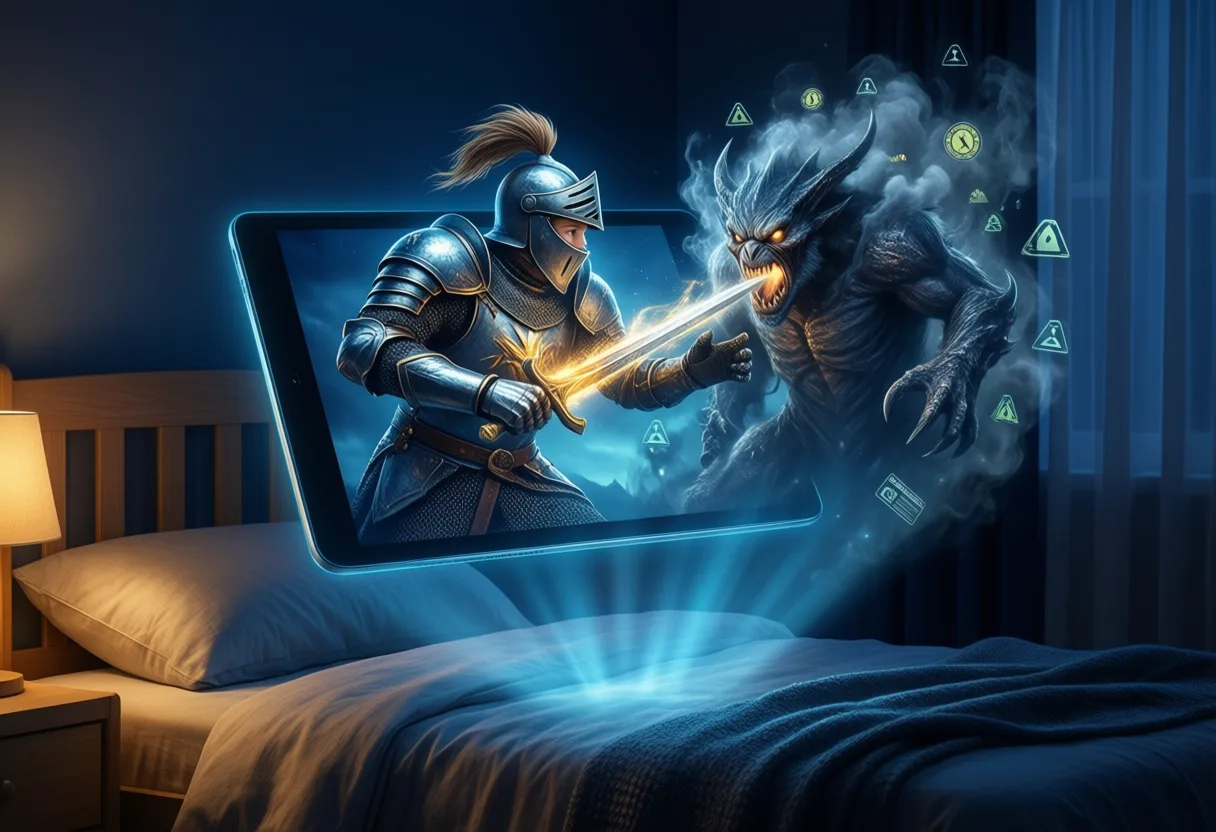
Streaming didn’t just change How We watch movies-it rewired the entire family viewing experience. With thousands of titles at our fingertips, choice overload is real. One scroll too far and you’ve gone from Paw Patrol To a post-apocalyptic thriller with anthropomorphic rabbits.
The buffet-style nature of modern platforms means kids are exposed to a wider range of content faster than ever. Trailers autoplay, algorithms suggest based on what your teen watched last week, and “similar titles” don’t care if your youngest is within earshot.
Suddenly, parents aren’t just gatekeepers-they’re curators, interpreters, and sometimes, damage-control specialists. A character who looks cute might deal with grief, identity crises, or social exclusion in ways that resonate deeply with young viewers.
Without context, even well-intentioned picks can backfire. That’s why Real insight beats a one-letter rating every time. Knowing Why A film might affect a child helps families make choices aligned with their values-and their kid’s temperament.
7 Ways a Smart Review System Supports Parents
A smart review system does more than say “good” or “bad.” It breaks down what actually happens on screen and how it might land emotionally. Think of it as a flashlight in the dark theater of parenting decisions.
- Highlights emotional intensity, not just violence or language. A quiet scene of loss may weigh more than an action sequence.
- Flags recurring themes Like bullying, fear of abandonment, or peer pressure-common triggers for sensitive kids.
- Notes pacing and tone shifts, so you’re not blindsided by a sudden shift from silly to somber.
- Describes character behavior Without judgment, helping parents decide what aligns with their household values.
- Identifies humor style, whether it’s slapstick, sarcastic, or dark-because not all jokes land the same way across ages.
- Points out visual intensity, like flashing lights, crowded scenes, or abstract imagery that might overwhelm younger minds.
- Offers alternatives, suggesting similar films with gentler approaches for families playing it safe.
These insights turn passive viewing into intentional connection. Instead of reacting after the fact, parents can choose stories that spark conversation, not confusion.
And here’s the bonus: when kids feel seen and safe, they engage more deeply. They ask questions, make connections, and remember the movie for the right reasons.
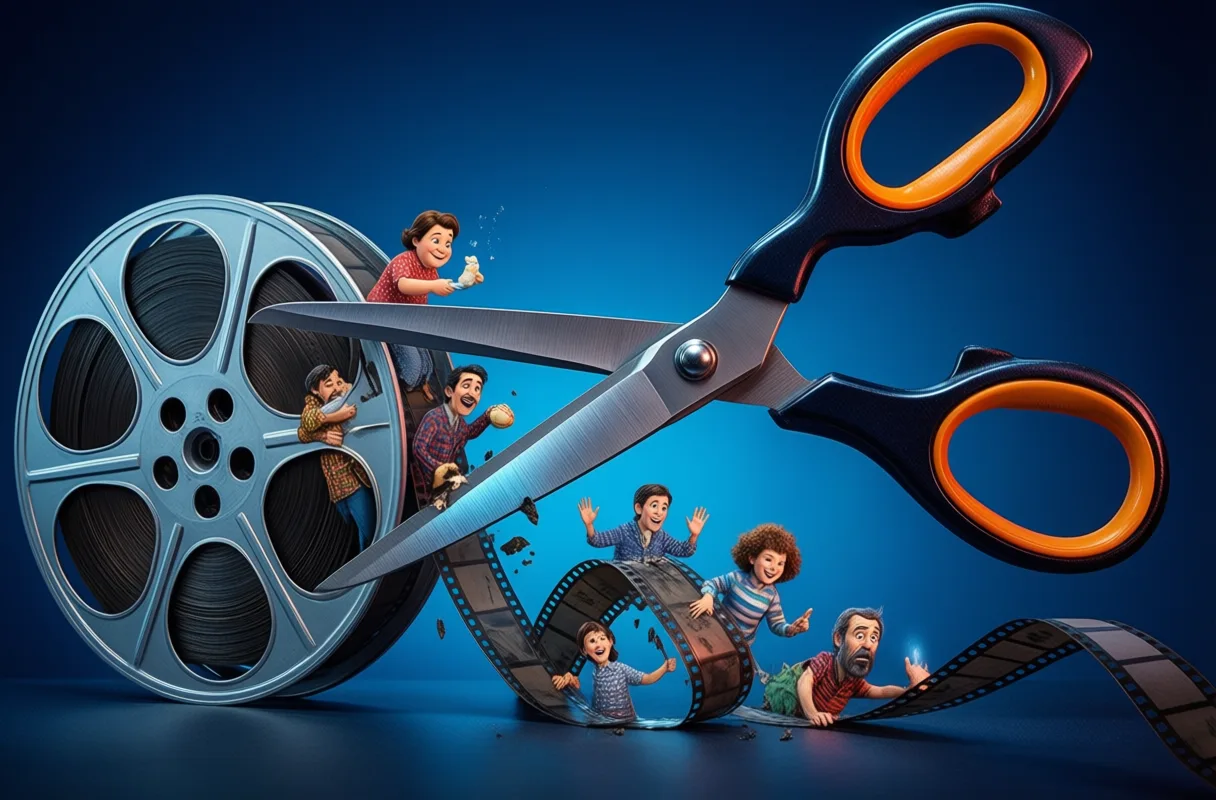
The Myth of “It’s Just a Cartoon” - Why Tone Matters More Than Style
We’ve all heard it: “Don’t worry, it’s just a cartoon.” As if animation automatically equals innocence. But anyone who’s seen a character lose a parent in a musical montage knows better.
Style doesn’t dictate substance. A brightly colored world can still explore loneliness, failure, or injustice. And because animation distills emotions into bold visuals, the impact can hit harder, not softer.
Remember that seemingly Cheerful show Where the hero spends three episodes believing no one loves them? That kind of narrative sticks. Kids absorb emotional truths long before they analyze storytelling techniques.
Tone-the mood beneath the surface-is often what lingers. Is the humor kind or cruel? Are conflicts resolved with empathy or force? Do characters grow, or do they win by outsmarting others?
A film’s artistic approach shouldn’t fool us into lowering our guard. Sometimes, the softer the look, the deeper the feeling. That’s why looking beyond the label matters.
What Parents Overlook When Relying on Age Recommendations Alone
Age suggestions are helpful starting points-but they assume all 8-year-olds are the same. Newsflash: they’re not. One child breezes through complex plots; another gets nightmares from a shadowy hallway.
Many parents miss that Emotional maturity varies wildly, even among siblings. A recommendation based on averages can’t know your child’s sensitivities, past experiences, or current stress levels.
Others overlook cumulative exposure. If your kid already watches intense shows at school or hears tough topics on the playground, adding another heavy layer at home might tip the balance.
And let’s talk about context. A theme like betrayal might sail over a child’s head one year and cut deep the next-especially after a friendship fallout or family change.
That’s why Personalized understanding beats generic guidelines. Knowing your child’s triggers, interests, and resilience level turns reviews into tools, not rules.
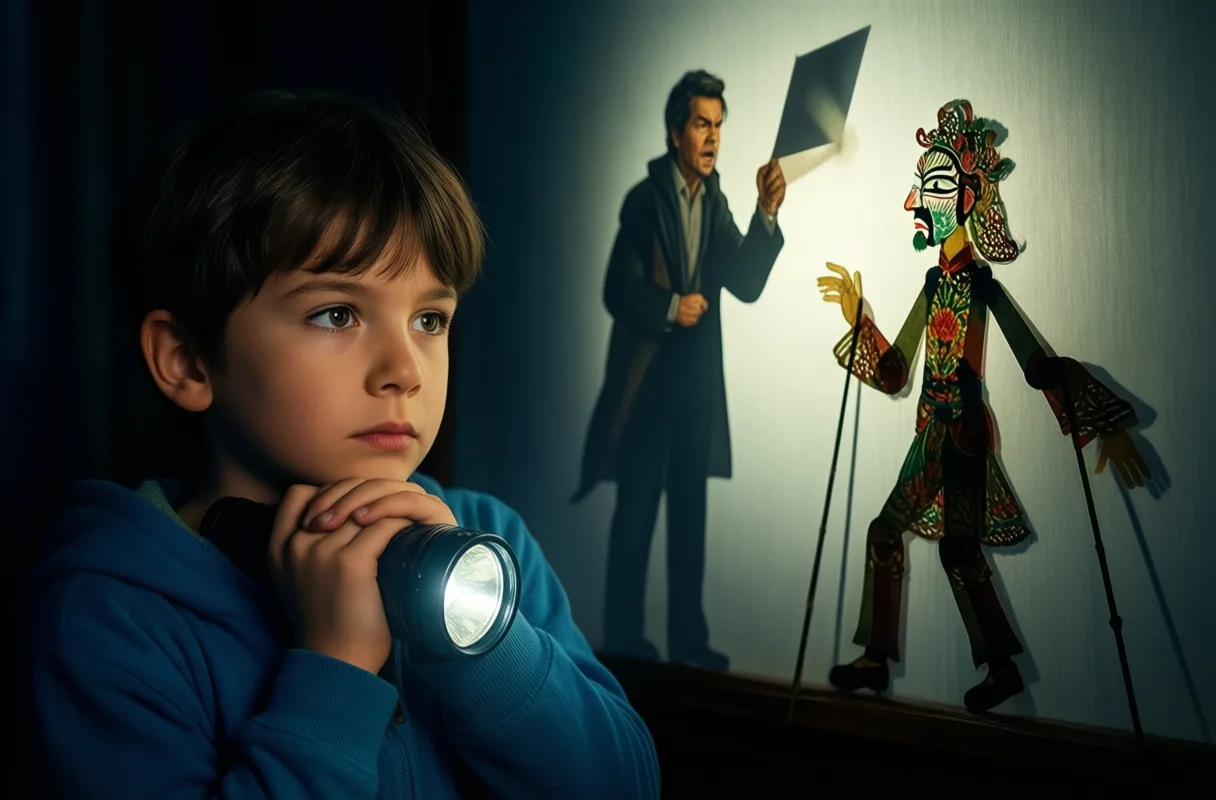
How to Build a Personalized Filter Using Trusted Review Insights
Think of trusted reviews as your co-pilot, not your GPS. They don’t tell you where to go-they help you navigate based on your destination.
Start by identifying what matters most to your family. Is it kindness? Emotional safety? Humor that uplifts? Use reviews to scan for these values, not just content warnings.
Keep a mental (or actual) log of past reactions. Which films sparked joy? Which led to late-night questions or tears? Patterns will emerge, helping you predict what might work next.
Then, use detailed reviews to cross-check new options. Look for phrases like “slow build,” “emotional climax,” or “resilience-focused resolution”-clues that go beyond age brackets.
Over time, you’ll develop an internal filter. You’ll recognize which critiques align with your instincts and which don’t. It’s like building a playlist of peace of mind.
Soon, scrolling becomes quicker, decisions feel lighter, and family movie night returns to what it should be: shared joy, not second-guessing.
Final Tips for Making Confident Choices Without Spoiling the Fun
Confidence isn’t about avoiding every uncomfortable moment-it’s about choosing them intentionally. Some of the best films challenge us, gently, in ways that build empathy and courage.
Preview together when possible. Watch the first ten minutes with your child. If the tone feels off, it’s okay to pause and pick something else-no shame, no drama.
Talk after, not just before. Use the story as a springboard: “How do you think that character felt?” Or “Would you have made the same choice?” These moments deepen bonds more than any plot twist.
And remember: no choice is perfect. If a film misses the mark, laugh it off. “Wow, that got dark fast-next time, we’re sticking to penguins.”
Because in the end, The goal isn’t flawless curation-it’s connection. The right movie at the right time doesn’t have to be flawless. It just has to bring you closer.
| Country | Rating Example | Meaning |
|---|---|---|
| United States | PG | Parental guidance suggested |
| United Kingdom | 12A | Under 12 needs adult |
| Australia | PG | General viewing with guidance |
| Australia | M | Recommended for mature audiences |
How Movie Reviews Help Families Decide What to Watch
The Origins of Film Ratings
Long before online reviews, parents relied on word of mouth or newspaper blurbs to figure out if a movie was suitable for kids. The modern film rating system in the U.S. Started in 1968, replacing the older Hays Code that outright banned certain content. Back then, the idea was simple: give parents clear labels-like G, PG, or R-so they could make quicker choices without needing to see the film first. It wasn’t perfect, but it laid the groundwork for today’s more detailed review guides.
What’s Behind the Labels?
Today’s movie review guides go way beyond just a letter grade. Many include breakdowns of why a film earned its rating-like noting "mild language" in a PG movie or flagging "intense action sequences" in a PG-13 film. Some sites even rate movies across categories like violence, language, and thematic elements, helping parents weigh what matters most to their family. For example, a parent might be okay with cartoonish action but want to avoid scary themes, and these detailed summaries make that possible.
A Global Perspective
Film ratings aren’t the same everywhere. A movie rated PG in the U.S. Might be rated 12A in the UK, meaning kids under 12 need an adult. In Australia, the same film could be classified PG or even M (recommended for mature audiences). Review guides that include international ratings help families traveling or streaming foreign films understand local standards. It’s a small detail, but knowing how other countries view a film can give parents extra confidence in their choice. Explore more stories, videos, and creators on Loaded.
Frequently Asked Questions
Why aren't movie ratings enough for family viewing decisions?
Movie ratings don't capture tone, pacing, or emotional subtext, which shape how a child experiences a story. Some PG films have more intensity than certain PG-13 films, and ratings can't account for cumulative stress or sudden jump scares.
How has streaming changed family movie choices?
Streaming offers thousands of titles, increasing choice overload. Trailers autoplay and algorithms suggest content based on older viewers' habits, exposing kids to a wider range of themes faster than ever before.
Why does tone matter more than animation style in children's films?
Animation can explore deep emotions like loneliness or injustice through bold visuals, sometimes hitting harder than live-action. A cheerful look doesn’t mean the content is light-tone often lingers longer with young viewers.
What should parents consider beyond age recommendations?
Emotional maturity varies widely among children, even siblings. Parents should consider their child’s sensitivities, past experiences, current stress levels, and cumulative exposure to intense themes when choosing films.
This article was produced with AI assistance. How Motion Picture Magazine uses AI.
Rowan explores how streaming platforms shape viewing habits and global storytelling, blending data with cultural insight. They focus on the rise of niche genres, international hits, and the evolving relationship between audiences and algorithms.