A New Wave of Cinema: The Rise of Limited-Edition Screenings
Something’s flickering back to life in the dark. Not just the projector bulb-though that warm hum is part of it-but the very idea of what going to the movies can be. It’s not another endless Scroll through Streaming thumbnails. It’s a date on the calendar. A shared breath in a crowded theater. A film shown once, maybe twice, and then gone like smoke from the projector beam.
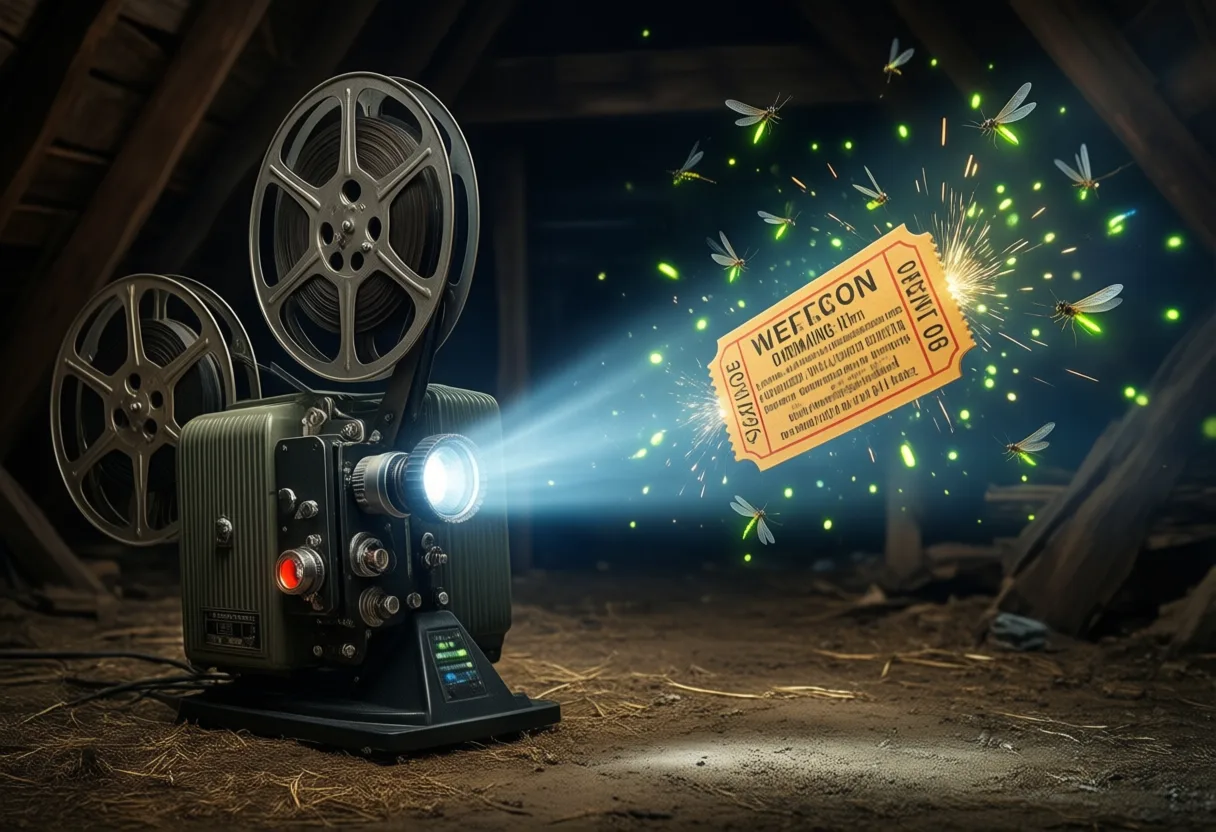
Across the country, theaters are trading algorithm-driven marathons for something quieter, rarer: one-night-only screenings. These aren’t your standard Friday Night releases. They’re handpicked, often unexpected, and always fleeting. Think midnight showings of forgotten gems, surprise 35mm reels pulled from archives, or fan-fueled revivals of films that never got their due.
It’s Cinema As event, not content. And audiences are responding like it’s opening night all over again. Whether it's a cult classic with a devoted following or a restored print of a decades-old favorite, these nights feel less like rentals and more like rituals.
Why Are Audiences Flocking to One-Night Film Events?
Let’s be honest-most of us can stream almost anything, anytime. So why brave traffic, pay for parking, and sit elbow-to-elbow with strangers when we’ve got 4K at home? Because Shared experience is its own kind of magic. There’s a reason laughter sounds louder and gasps hit harder in a packed house.
These limited screenings offer something algorithms can’t: curation with soul. Someone-a programmer, a local cinephile, a theater with history-chose this film, for this night, for You. It’s not just a recommendation. It’s an invitation. And in a world where everything feels disposable, getting invited matters.
- You don’t just watch the movie-you become part of it.
- You hear the audience react in real time, not through canned laughter.
- You leave with stories, not screenshots.
It’s not about convenience. It’s about meaning. And right now, meaning is in short supply.
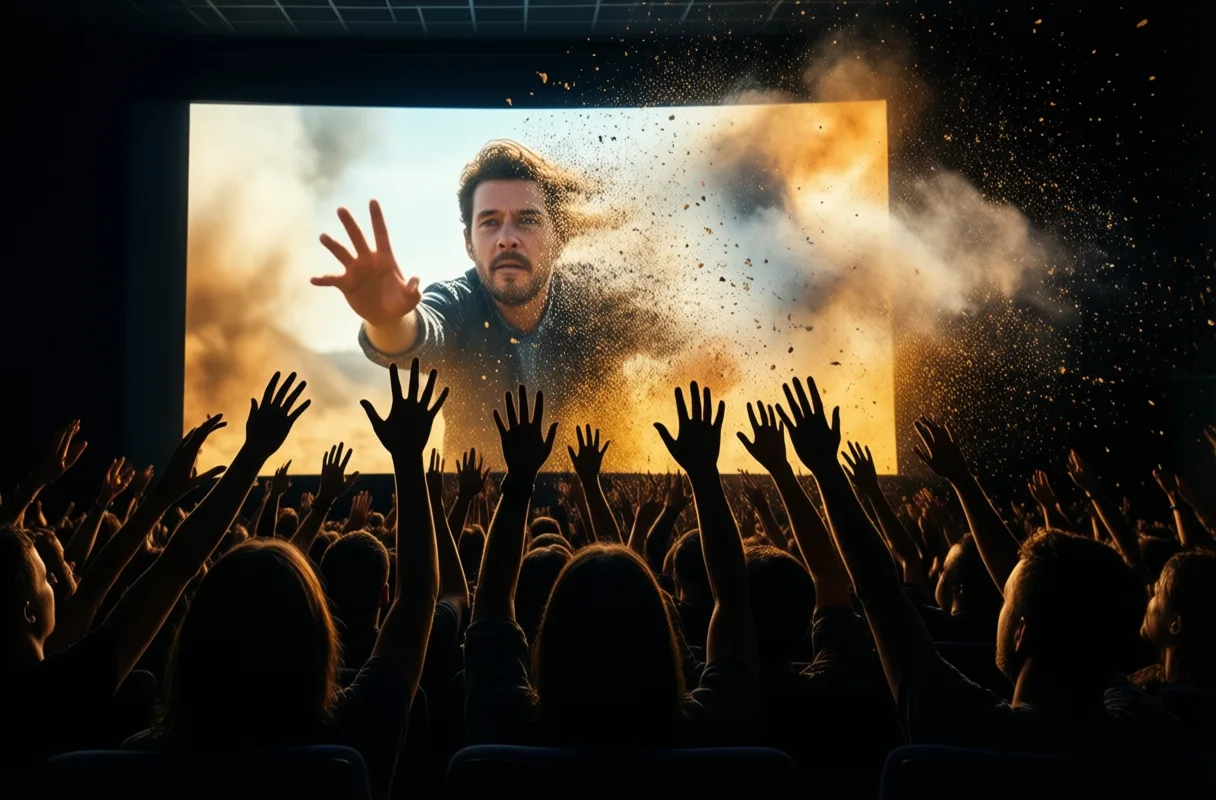
The Magic of Shared Experience in a Digital Age
We’ve mastered watching alone. We’ve optimized volume, lighting, even snack delivery-all tailored to our personal specs. But somewhere along the way, we traded spontaneity for control. And now, we’re starting to miss the messiness of being together.
When the lights go down in a theater hosting a one-night screening, something shifts. Strangers lean forward in unison. Someone laughs a beat too early, and the whole room chuckles at Them. That ripple-unplanned, unscripted-is the heartbeat of Live cinema.
There’s comfort in knowing you’re not the only one who remembers that line, that scene, that actor’s weird hat. It’s like finding your tribe in the dark. And afterward? The conversations start-outside the theater, in cars, over text threads blowing up with reactions.
This isn’t nostalgia dressed up as innovation. It’s a quiet rebellion against the isolation of digital saturation. We don’t just want to see a film. We want to Witness It-with others, in real time, exactly once.
How Curated Screenings Are Reimagining Movie Nights
Gone are the days when “movie night” meant picking from whatever’s trending. Today’s best one-off events feel more like dinner at a chef’s table-intimate, intentional, and full of surprises. The menu isn’t infinite. It’s Curated.
Theater programmers are stepping into the role of cultural DJs, spinning deep cuts alongside crowd-pleasers. One Week Might be a silent film with live piano. The next, a horror-comedy double feature hosted by a local podcast. The goal? To spark joy, debate, or even bewilderment-not just fill seats.
These aren’t box office plays. They’re community moments. And they work because they refuse to blend in. You won’t find them advertised in thirty-second spots during the game. You hear about them from a friend, spot a handmade poster, or catch a cryptic tweet from the theater itself.
- Each event tells a story beyond the screen.
- Themes tie films to seasons, anniversaries, or local lore.
- Intermissions become meetups. Lines become conversations.
It’s moviegoing with personality. And after years of sterile multiplexes, that feels revolutionary.
From Classics to Cult Favorites: What Gets Chosen and Why
So what makes the cut? Not every film earns a return engagement on the big screen. The selections often walk a tightrope between affection and accessibility. Too obscure, and turnout fizzles. Too mainstream, and it feels redundant.
Cult classics thrive in these settings-films that built followings outside the spotlight. Movies that were misunderstood, underseen, or simply too weird for wide release. These screenings give them a second chance to connect, this time with an audience ready to embrace their quirks.
Then there are the classics-the ones with legacy. Not necessarily Oscar winners, but films that shaped how we see cinema. Maybe it’s a director’s cut, a rare format, or a tribute to a recently departed star. These choices honor history while inviting new fans to discover it.
And sometimes, it’s pure whimsy. A beloved animated film. A rom-com revival. A musical no one admits they love-until they’re singing along in a theater full of strangers doing the same.
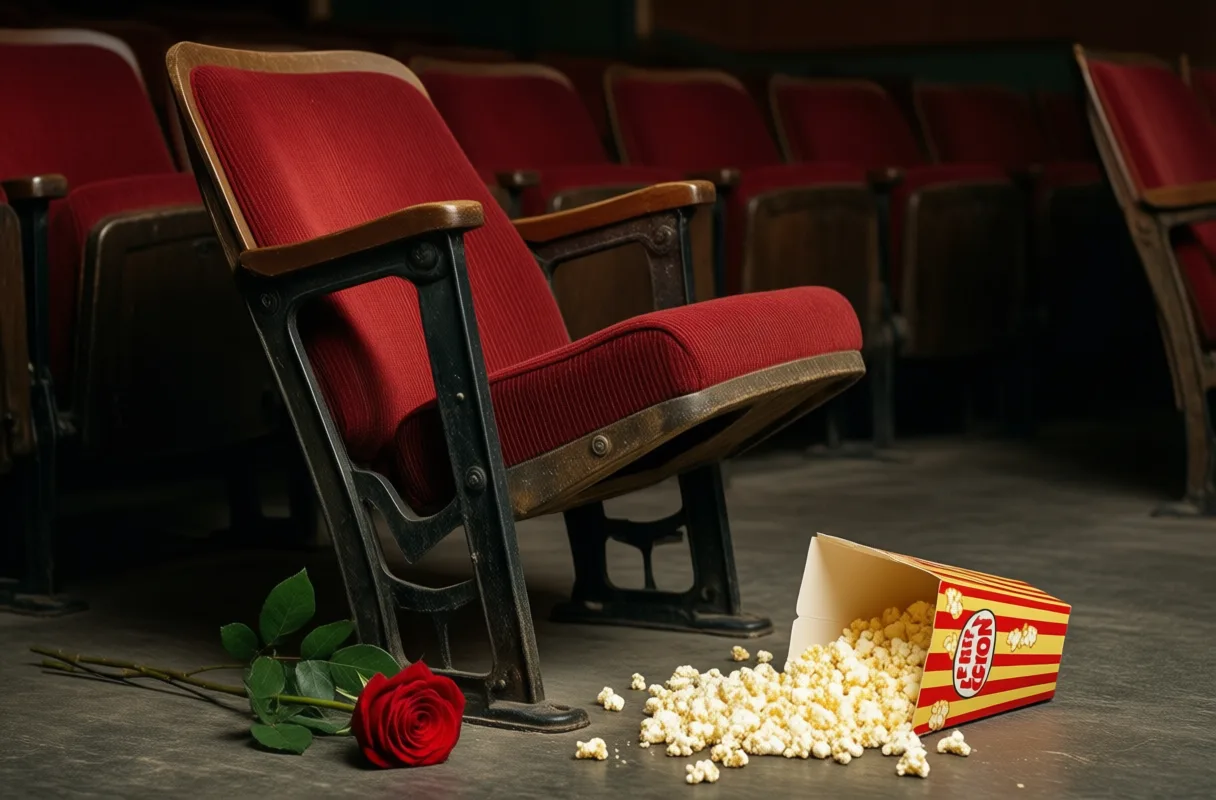
The Role of Nostalgia in Driving Ticket Sales
Let’s not pretend nostalgia isn’t a powerful engine. Many of these one-night events tap into collective memory-those films we watched on VHS, caught at summer camp, or saw with someone we’ve since lost touch with. Revisiting them isn’t just entertainment. It’s emotional archaeology.
But nostalgia alone won’t sell out a theater. Timing matters. Tone matters. And authenticity matters most. Audiences can smell a cash grab from the lobby. They’ll show up for a genuine celebration, not a recycled IP milking its last drops.
That’s why the best events pair sentiment with surprise. Yes, it’s that movie from your childhood-but presented in 35mm. Or introduced by a crew member no one expected to see. Or paired with a short film that recontextualizes everything.
Nostalgia opens the door. But The experience keeps people inside. It’s not just about remembering the past. It’s about making new memories within its glow.
Behind the Scenes: How Theaters Plan a Single-Night Hit
Ever wonder how a tiny indie theater pulls off a flawless screening of a 1980s sci-fi oddity? It’s equal parts detective work, diplomacy, and dumb luck. Rights must be cleared. Prints tracked down. Equipment tested-because nothing kills the mood like a frozen frame during the climax.
Programming teams often spend months securing licenses, especially for titles not in active distribution. Some rely on studio archives. Others partner with preservation groups or collectors willing to lend fragile reels. It’s like planning a heist, but with more paperwork and fewer ski masks.
Then comes the promotion. No billion-dollar ad campaigns here. Instead, word-of-mouth, social buzz, and grassroots outreach. Local podcasts. Community boards. Eye-catching posters designed to stop scrollers mid-feed.
Every detail is deliberate. The start time. The intermission length. Even the pre-show music. Because when you’ve only got one night, everything has to matter.
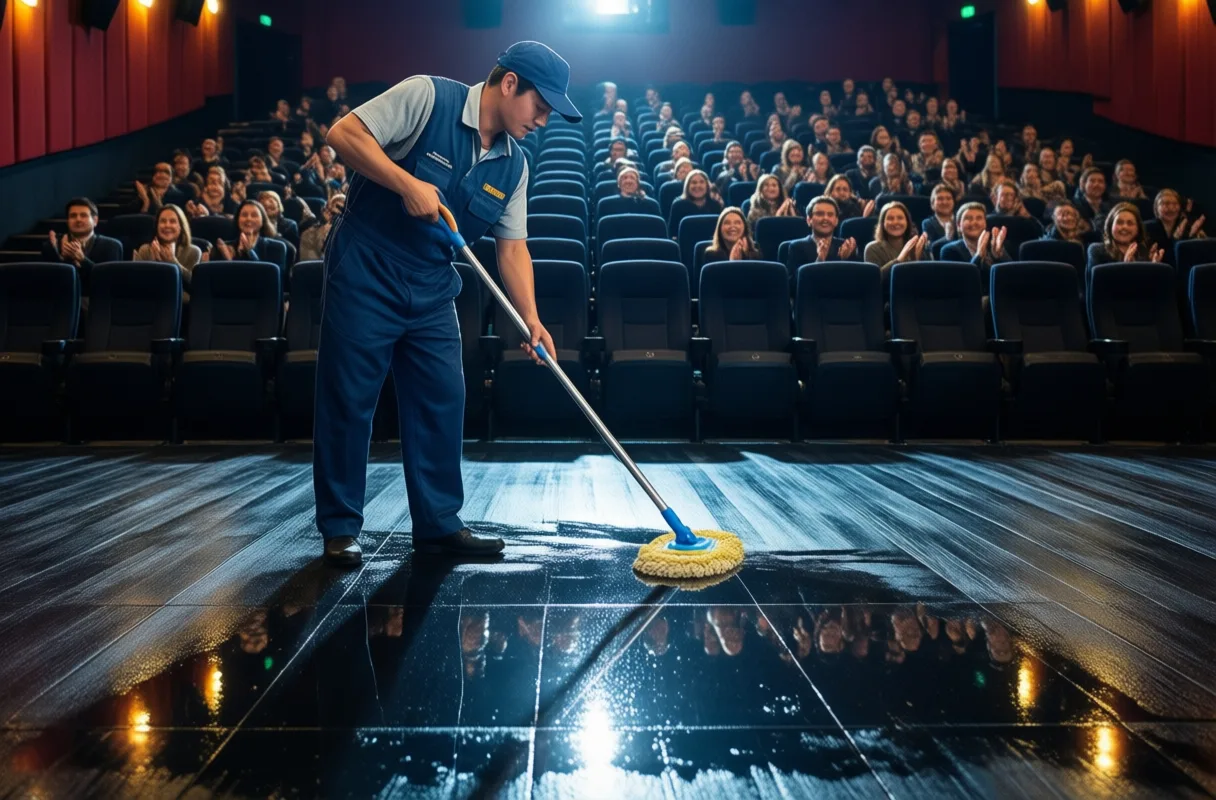
What Makes These Screenings Feel Exclusive?
Scarcity creates value. That’s basic economics. But in the context of film, scarcity also creates Meaning. Knowing you have one shot to see a film on the big screen changes how you watch it. You lean in. You stay off your phone. You listen.
It’s not just the single showing. It’s the extras-the Q&A, the themed drink, the handmade merch. These touches signal: This is different. You’re not just attending a screening. You’re participating in something temporary, maybe even irreplaceable.
And let’s be real: FOMO is real. When your feed fills with photos from last night’s sold-out event, it stings. But that sting fuels demand for the next one. It turns casual interest into commitment.
- Limited tickets = heightened anticipation.
- Unique presentation = photo-worthy moments.
- One-time-only = urgency to act.
In a world of endless access, The power of “only once” is making a comeback.
Lessons for the Future of Moviegoing
The rise of one-night-only events isn’t just a trend. It’s a blueprint. Studios and theaters alike are learning that people don’t just want new content-they want Meaningful Experiences. And those don’t come from scale. They come from care.
Multiplexes could learn a thing or two. Imagine if every location had a monthly “hidden gem” night. Or partnered with local artists to host film-and-discussion series. The goal isn’t to replace blockbusters. It’s to expand what moviegoing can be.
Streaming platforms are taking note, too. Some now promote “watch parties” or drop films in theaters first to build buzz. They’re mimicking the energy of exclusivity-even if the film goes wide a week later.
The lesson is clear: People will show up-if you give them a reason to. Not just a movie, but a moment.
The Last Reel: Why One Night Can Last a Lifetime
At the end of the day, film is memory. Not just the story on screen, but the story of how we saw it. That midnight premiere. The matinee with your grandparent. The random Tuesday when you stayed out late and discovered something beautiful.
One-night-only screenings understand this. They don’t just show films. They help us remember how to be present. To share space. To laugh, cry, or scream in sync with others.
You might forget the plot details in a few years. But you’ll remember where you sat. Who you were with. How the room felt when the credits rolled.
And isn’t that what cinema was always supposed to do? Not just move us-but Hold Us, just for a night.
Catching Cinema’s Fleeting Magic
The Rise of the One-Night Screening
One-night-only movie events have become a cultural phenomenon, turning ordinary screenings into shared experiences that feel more like concerts or live theater. These special showings often include bonus content like behind-the-scenes footage, cast Q&As, or themed giveaways, making each event a unique celebration of the film. Unlike traditional releases, these screenings thrive on scarcity-audiences know they’ve got one shot to see it on the big screen, which often drives strong turnout and energetic crowds.
Why Fans Flock to Limited Screenings
Studios and theaters have leaned into nostalgia and fan passion, using one-night events to revive cult classics or celebrate milestone anniversaries. A horror film from the '80s might return on Halloween, or a beloved animated feature could screen during its original release month with special merchandise. These events often sell out fast, proving that moviegoers aren’t just watching a film-they’re joining a moment. For many, it’s not just about the movie itself, but the collective gasps, laughs, and applause that only a packed theater can deliver.
A Win for Theaters and Reviewers Alike
Critics have also embraced these limited engagements, sometimes publishing time-sensitive reviews right after the screening, capturing raw first impressions while the experience is still fresh. Some publications even host their own one-night events, pairing a screening with a live review discussion or panel. It’s a throwback to a time when film criticism was more communal, and audiences trusted a reviewer’s take before heading to the theater. Now, that energy is alive again-one night, one film, one shared experience at a time.
Frequently Asked Questions
What are one-night-only movie screenings?
One-night-only screenings are special, limited-edition showings of films that are handpicked and shown once or twice before disappearing. They often feature cult classics, restored prints, or unexpected picks presented as unique events rather than regular releases.
Why are audiences drawn to these limited screenings?
Audiences value the shared experience, curation with soul, and sense of community these events create. Knowing it’s a one-time showing makes the moment feel rare and meaningful, turning moviegoing into a live, collective ritual.
How do theaters plan a one-night screening?
Theaters spend months securing rights, tracking down prints, and testing equipment. They promote through word-of-mouth, social buzz, posters, and local partnerships, treating each detail as deliberate to ensure the single night matters.
What types of films are chosen for these events?
Selected films include cult classics with devoted followings, forgotten gems, director’s cuts, rare formats, or movies tied to anniversaries or seasons. They balance affection and accessibility, often reviving misunderstood or underseen works.
This article was produced with AI assistance. How Motion Picture Magazine uses AI.
Rowan explores how streaming platforms shape viewing habits and global storytelling, blending data with cultural insight. They focus on the rise of niche genres, international hits, and the evolving relationship between audiences and algorithms.