There’s something timeless about slipping into a Classic film-the crackle of film grain, the boldness of old Hollywood lighting, the way dialogue lands like poetry. It’s not just nostalgia; it’s discovery. Every frame feels like a conversation across decades, where storytelling rules were still being written.
We’ve all scrolled past Gone with the Wind Or paused on Casablanca While doom-scrolling through streaming menus. But what happens when we stop skimming and start savoring? That’s where the real journey begins-not just through plots and punchlines, but through culture, craft, and quiet moments that shaped how we watch movies today.
This isn’t about ranking the “best” films or pretending black-and-white equals better. It’s about curiosity. About asking why certain stories stick, why some performances echo for generations, and how a 1950s western can still feel radical in 2024.
Why Classic Films Still Command the Spotlight
It’s easy to assume older movies are relics-stiff, slow, or out of touch. But peel back the surface, and you’ll find Bold experimentation hiding in plain sight. Directors like Alfred Hitchcock And Billy Wilder didn’t just follow formulas-they bent them until they snapped.
Think of Psycho’s shower scene. No CGI, no digital editing-just timing, music, and nerve. The horror wasn’t in what you saw, but in how your mind filled the gaps. That kind of restraint is rare today, when effects often do the heavy lifting.
And let’s talk about pacing. Modern audiences sometimes balk at the slower build of classics, but that rhythm was intentional. These films trusted viewers to pay attention, to lean in instead of zoning out. They weren’t made for multitasking.
- Dialogue carried weight, often laced with wit or subtext
- Performances relied on nuance, not volume
- Visual storytelling did more than exposition-it set mood, hinted at secrets
Today’s binge culture thrives on momentum. But classics remind us that tension can simmer. A glance, a pause, a door left ajar-sometimes the most powerful moments are the ones that don’t explode.
The Quiet Revolution of Golden Age Storytelling
Hollywood’s so-called Golden Age Wasn’t golden for everyone. Studios controlled stars, scripts were censored, and diversity behind the camera was nearly nonexistent. Yet within those constraints, storytellers found ways to push boundaries-quietly, cleverly, persistently.
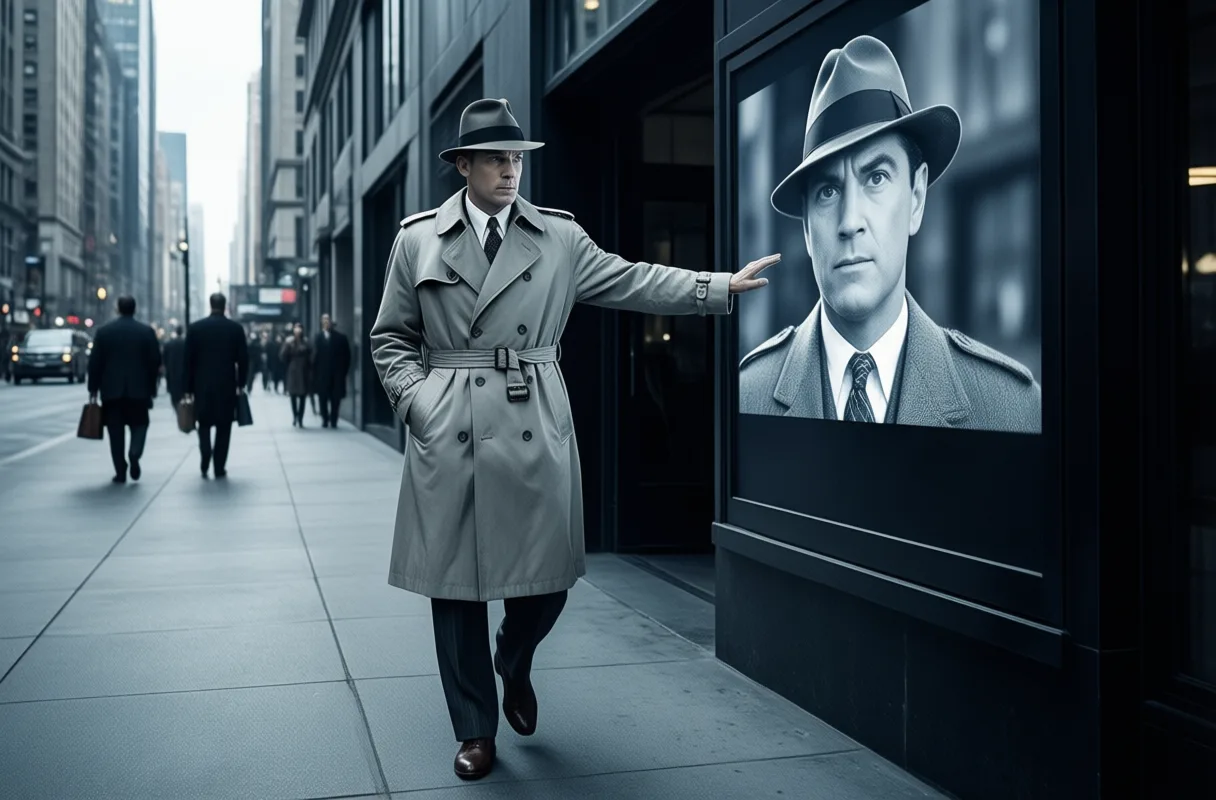
Take film noir. On the surface, it was crime dramas with trench coats and voiceover. Dig deeper, and you’ll find critiques of capitalism, masculinity, and postwar anxiety. These weren’t escapist flicks-they were dark mirrors held up to society.
Even musicals, often dismissed as fluff, had layers. They offered joy, yes, but also coded commentary on class, race, and gender roles. The dance numbers dazzled, but the scripts often walked a tightrope between rebellion and conformity.
The studio system may have been rigid, but creativity found cracks to grow through. Writers slipped in double meanings. Actors added subtlety the censors missed. And audiences? They got smarter with every screening.
You don’t need a film degree to appreciate this. Just willingness to watch differently-to notice how a character enters a room, how light falls on a face, how silence speaks louder than words.
How to Start Your Own Cinematic Journey
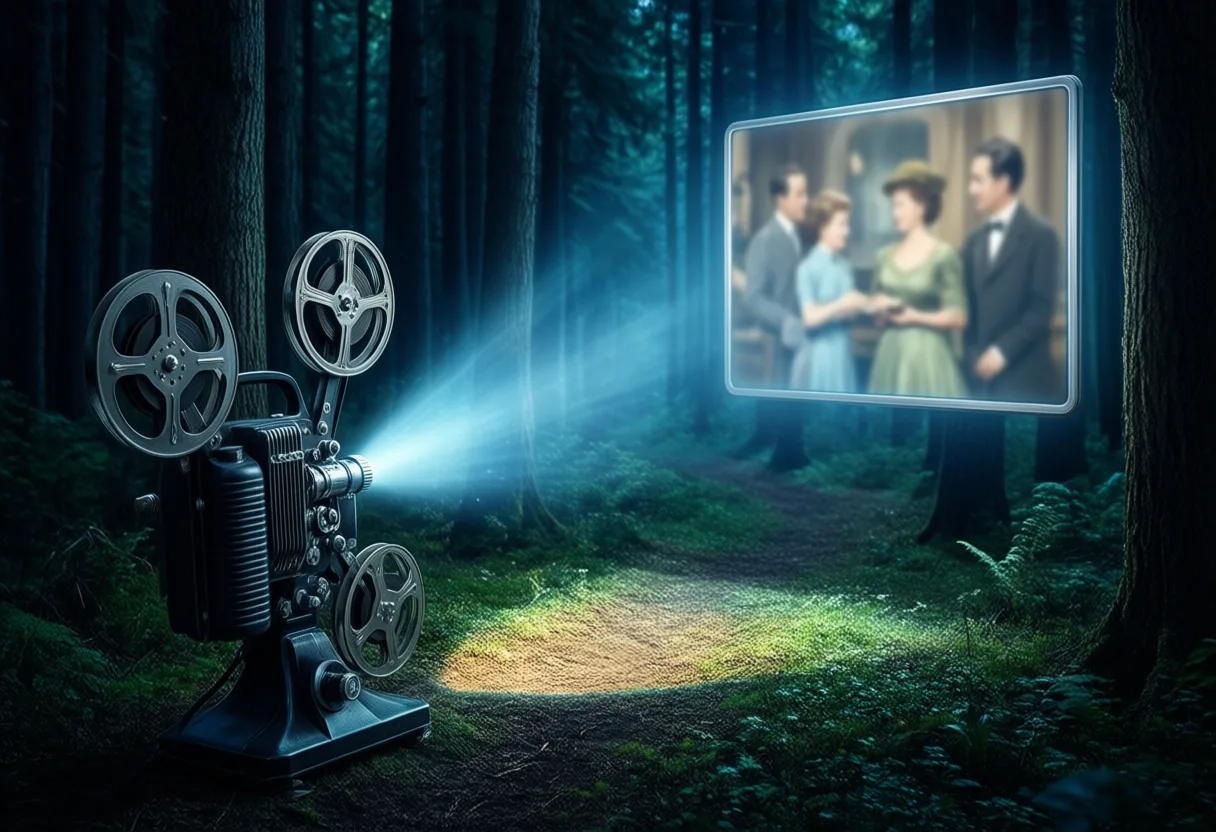
You don’t need a PhD in film studies or a vintage projector to begin. All you need is one movie that intrigues you-and the patience to let it unfold on its own terms.
Start small. Pick a genre you love and trace it backward. Love heist films? Go from Ocean’s Eleven To Rififi. Obsessed with rom-coms? Follow the thread from Nora Ephron back to screwball pioneers like Bringing Up Baby. You’ll spot echoes, evolutions, and surprises.
Here’s a simple roadmap to get started:
- Choose one classic per month-no pressure, no guilt if you skip
- Watch it uninterrupted, ideally on the biggest screen you’ve got
- Afterward, jot down one thing that surprised you-a line, a shot, a feeling
Don’t worry about “getting” everything. Some films reveal themselves slowly. Others hit you in the gut the First time. Both reactions are valid.
And if you hate it? That’s okay too. Not every classic earns its reputation. Part of the fun is forming your own opinions-not just repeating what critics say.
Finding Meaning in the Moments Between
What makes a film last isn’t awards or box office-it’s resonance. It’s the way On the Waterfront Makes you ache for dignity, or how Sunset Boulevard Chills you with its portrait of faded fame.
These movies endure because they’re about people-flawed, yearning, trying to make sense of their world. Sound familiar? That’s because they’re not really about the past. They’re about us.
So next time you’re tempted to scroll past the “old stuff,” remember: every classic was once brand new. It shocked someone. Moved someone. Changed someone’s mind.
Your turn. Press play. Let the journey begin-not because it’s educational, but because it’s alive.
Charting the Course of Cinematic Discovery
Behind the Reel Curtain
Movie reviews have long been more than just thumbs up or down-they’re time capsules of cultural taste. In the early days of cinema, reviews often appeared in newspapers just hours after a film’s debut, shaped by critics who sometimes hadn’t even seen the full movie. These snap judgments could make or break a film’s run in a single paragraph. Silent film stars like Charlie Chaplin and Mary Pickford were acutely aware of press reactions, with some studios even planting favorable reviews to shape public opinion.
The format of movie critiques evolved alongside film technology. When talkies arrived in the late 1920s, reviewers had new elements to assess-voice, pacing, dialogue delivery-shifting focus from visual storytelling alone. By mid-century, legendary critics like Pauline Kael and Roger Ebert turned film reviewing into an art form, building loyal followings through sharp wit and deep analysis. Ebert’s television presence especially brought movie criticism into living rooms, making it accessible and engaging for everyday audiences.
Fun fact: the phrase “box office bomb” didn’t originate with financial records-it was first used in reviews to describe films that opened with fanfare but quickly disappeared due to poor word-of-mouth. Even today, a well-timed review can revive interest in an overlooked classic, proving that critical voices still shape how we experience cinema history.
Frequently Asked Questions
Why are classic films still relevant today?
Classic films offer bold experimentation, intentional pacing, and visual storytelling that trusted audiences to pay attention. They explore universal themes through nuance, dialogue, and silence, making them resonate across generations.
How did directors like Alfred Hitchcock influence modern cinema?
Directors like Hitchcock bent storytelling formulas with restraint and timing, using techniques such as in Psycho’s shower scene to let the audience’s mind fill in gaps-creating tension without relying on effects.
What role did film noir play in reflecting society?
Film noir offered critiques of capitalism, masculinity, and postwar anxiety beneath its crime drama surface. These films acted as dark mirrors to societal issues rather than simple escapist entertainment.
How has movie reviewing evolved over time?
Movie reviews began as quick newspaper judgments, often written before seeing the full film. With talkies, critics assessed voice and dialogue; later, figures like Kael and Ebert elevated reviewing into an art form accessible to wide audiences.
This article was produced with AI assistance. How Motion Picture Magazine uses AI.
Rowan explores how streaming platforms shape viewing habits and global storytelling, blending data with cultural insight. They focus on the rise of niche genres, international hits, and the evolving relationship between audiences and algorithms.