What Makes a Scene Feel Real? The Hidden Power of Sound Balance
You’re watching a Quiet moment In a drama. A character sits alone, staring out a rain-streaked window. There’s no music. No dramatic line. Just the soft hum of a refrigerator and distant traffic. Yet, you feel something deep in your chest—loneliness, maybe. That’s not luck. That’s sound mixing at work, shaping how movie sound mixing shapes a scene by making silence speak.
Great sound balance doesn’t shout. It whispers, nudges, and breathes alongside the visuals. It ensures that every rustle of clothing, every footstep on gravel, lands with intention. When done well, you don’t notice it—because it feels like reality. But remove that balance, and the illusion collapses. A scream might drown out a crucial line. Rain could overpower dialogue. The world becomes disjointed.
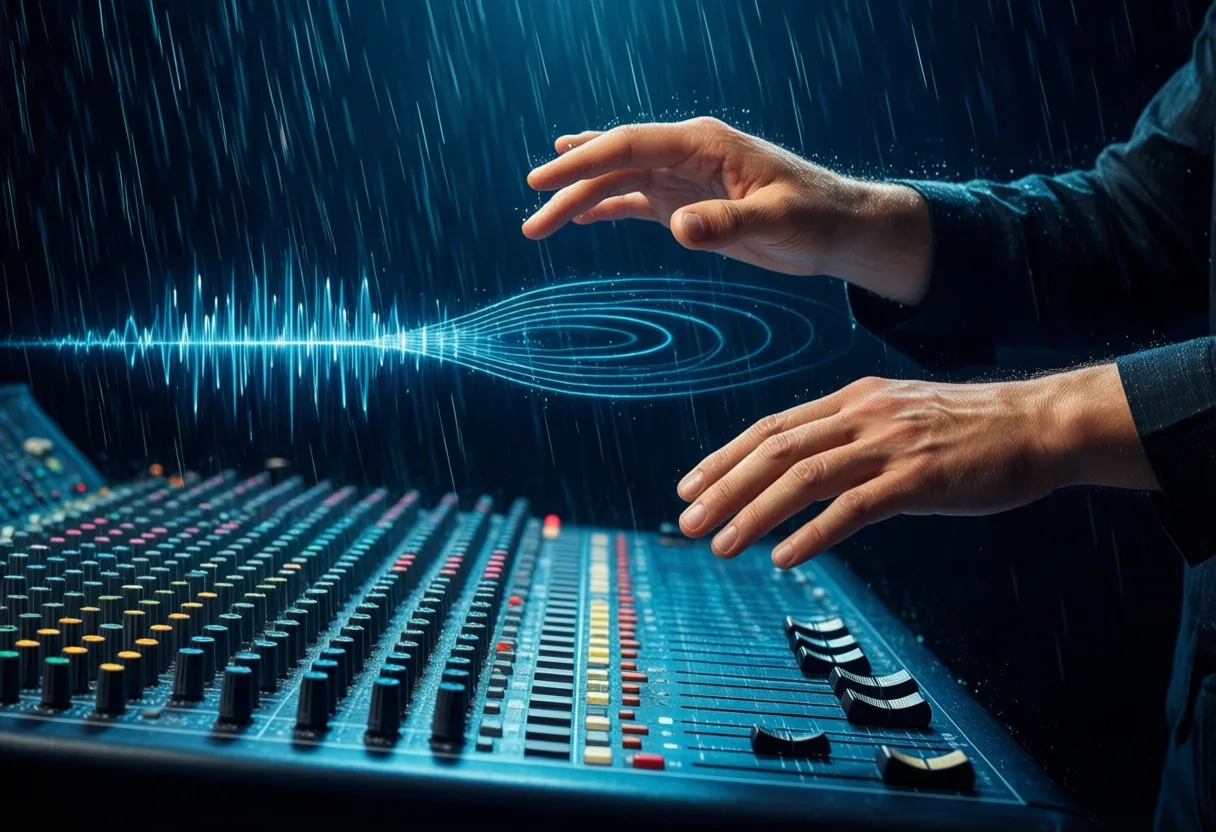
Mixing is the process of matching audio levels of every single sound in order to make the film sound seamless, realistic, and sharp. This means adjusting dialogue, music, and effects so they coexist without fighting for attention. It’s not about making everything loud—it’s about Making everything matter. A well-balanced mix guides your ears just like the camera guides your eyes.
The Myth That Undermines Great Sound Design
The biggest myth about composing and sound designing is that they are about creating great sounds. Not true, or at least not true enough. Many assume that impressive sound design means flashy explosions or hyper-realistic animal roars. But in truth, the most powerful moments often come from restraint—not volume.
Think of it this way: would you rather hear a perfectly recorded lion roar… or feel the tension of a character holding their breath in a dark room? The answer reveals what really matters—Emotional impact over sonic spectacle. Great sound design serves the story, not the other way around. It knows when to step back so the audience can lean in.
Too often, filmmakers chase “big” sounds, thinking louder equals better. But cluttered audio confuses viewers. It drains energy instead of building it. The real art lies in choosing which sounds to highlight—and which to let fade. That decision, more than any plugin or recording gear, defines a world-class mix.
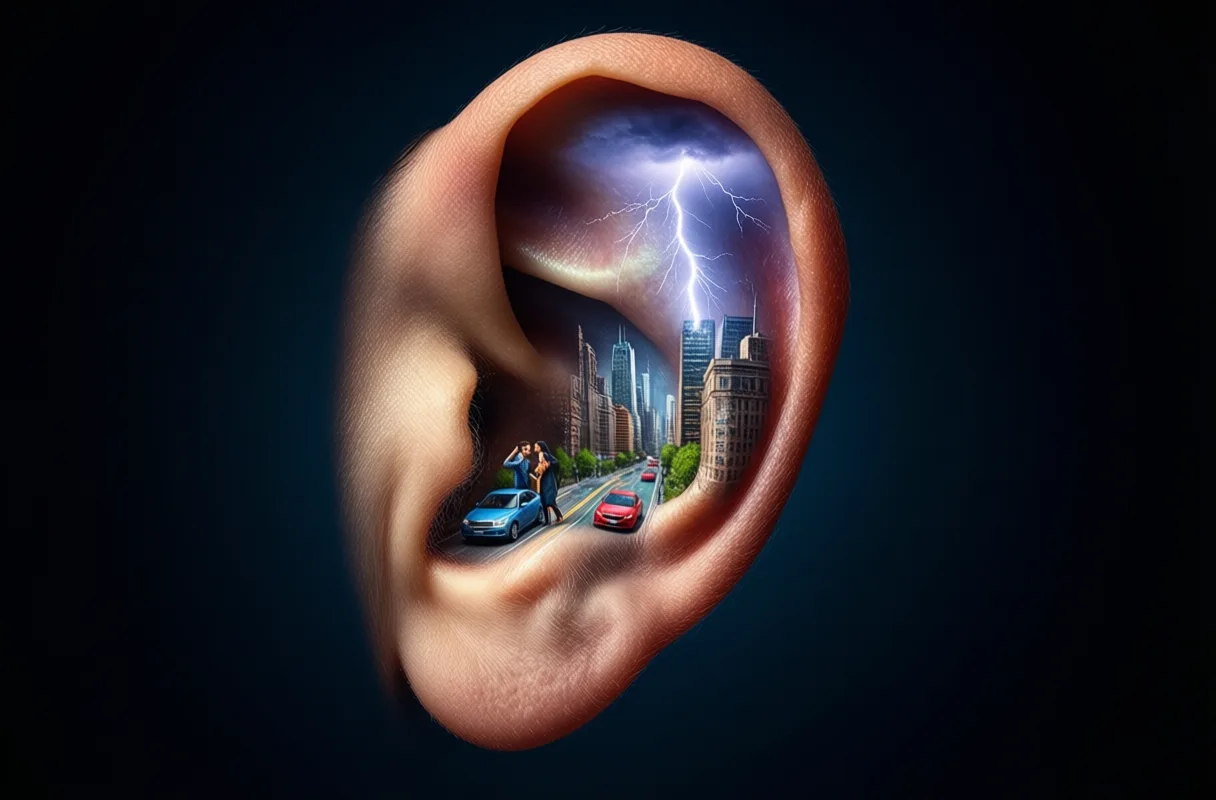
How Silence Speaks Volumes in Tense Moments
Silence isn’t empty. In film, it’s one of the most loaded tools in the sound designer’s kit. Take a suspense scene where a character creeps down a hallway. The music stops. The ambient hum drops out. All you hear is a faint creak underfoot. Your heart rate climbs. Why? Because Silence amplifies anticipation.
When sound mixers strip away layers, they force the audience to focus. Every tiny noise becomes significant. A flickering light buzz. A breath held too long. These details gain weight when surrounded by quiet. Silence doesn’t mean no sound—it means Selective Sound. It’s a spotlight on the small things that scare us, move us, or surprise us.
Consider scenes where a character receives devastating news. Often, the world seems to mute around them. Dialogue fades. Music vanishes. All that remains is a low drone or nothing at all. This reflects internal shock. It pulls viewers into the character’s headspace. And it proves that sometimes, What you don’t hear matters more than what you do.
Why Dialogue Clarity Doesn’t Mean Loudness
Clean dialogue is essential—but clarity isn’t achieved by turning it up. Too many home videos and indie films fall into the trap of cranking dialogue to 100%, only to have it clash with music or effects. The result? A flat, exhausting experience where nothing feels natural.
True clarity comes from Context and contrast. A whisper can be clearer than a shout if the surrounding sounds support it. That means cleaning up background noise, removing mic bumps, and smoothing plosives during post production. But it also means sculpting the environment around the voice so it sits comfortably in the mix.
For example, during an emotional confession in a busy train station, the mixer might reduce crowd chatter just enough to let the words through—without erasing the sense of place. The goal isn’t isolation; it’s integration. As one guide notes, getting clean dialogue tracks is just the first step. The real challenge is letting them breathe within a living soundscape.
Building Worlds with Layered Ambient Textures
A forest isn’t just birdsong. A city street isn’t just traffic. Real places are made of dozens of overlapping sounds—some obvious, some barely noticeable. That’s why thick atmospheres are vital to immersive storytelling. They create depth, mood, and authenticity.
World-class sound mixes layer ambient textures like a painter builds color. Near-field sounds (like footsteps or rustling leaves) sit upfront. Mid-range elements (distant conversations, machinery) fill the middle. Far-off drones (wind, city hum, ocean waves) form the background canvas. Together, they build A three-dimensional space You can almost touch.
These layers aren’t added randomly. Each one supports the tone. A tense scene in a hospital might emphasize fluorescent light buzz and muffled intercoms. A nostalgic flashback could warm the ambience with vinyl crackle and distant laughter. The best mixes make you Feel The environment before you even register what you’re hearing.
When Music Fades to Serve the Moment
Music has power—but so does its absence. One of the boldest moves in sound mixing is pulling the score out entirely. Suddenly, the scene feels raw, exposed, real. Without musical cues telling you how to feel, you rely on instinct—and that makes the emotion hit harder.
Imagine a breakup scene where the music cuts right after the final word. All that’s left is shaky breathing and the click of a door closing. The silence stings. Or a war film where gunfire continues after the theme drops out—suddenly, the chaos feels less heroic, more horrifying. These choices show that Music serves the story, not the other way around.
Even when music stays in the mix, it rarely dominates. Skilled mixers duck the volume during key lines or effects. They let melodies swell only when dialogue and action allow. The orchestration supports, never overwhelms. Because in the end, the most memorable moments aren’t scored—they’re lived.

The Role of Off-Screen Sound in Expanding Space
What you don’t see can terrify you. A door slamming upstairs. Keys jingling in another room. An engine revving beyond the frame. Off-screen sound makes a world feel bigger than the screen allows. It turns a house into a maze, a street into a threat zone.
This technique exploits how we listen in real life. We constantly track sounds outside our vision—cars approaching, voices behind us, glass breaking nearby. Films that use off-screen audio well tap into that primal awareness. A footstep from the left speaker makes you turn your head—even in a theater seat.
Sound mixers use panning, reverb, and volume to place these sounds precisely. A distant siren starts faint and muffled, then grows sharper as it nears. A dog barks from across a courtyard, its echo revealing the size of the space. These details Build immersion without showing a single extra frame.
How Volume Relationships Guide Emotional Focus
Volume isn’t just about loud or soft—it’s about relationship. The relative levels between dialogue, effects, and music tell you where to direct your emotional attention. Turn up a heartbeat while lowering dialogue? You’re inside a character’s panic. Boost wind noise during a pause? You feel isolation.
This balancing act happens constantly, often unnoticed. In a car chase, the engine might dominate early, then pull back when a passenger shouts a warning. In a romantic moment, background noise softens as their voices rise—not in volume, but in importance. The mix Prioritizes feeling over fidelity.
Even subtle shifts matter. A slight dip in room tone before a jump scare primes your nerves. A gradual swell in ambient dread signals danger before it appears. These micro-adjustments are invisible in the moment but unforgettable in memory. They’re the quiet craft behind cinematic goosebumps.
Balancing Chaos: Action Sequences Without Noise Pollution
Action scenes are minefields for sound mixers. Explosions, gunfire, screams, engines, music—all competing for space. The temptation is to max everything out. But when everything is loud, nothing stands out. The result? Sensory overload and emotional numbness.
The solution isn’t more power—it’s precision. World-class action mixes alternate intensity with clarity. They punctuate chaos with brief silences or isolated sounds: a bullet casing hitting the ground, a gasp for air, a radio crackle. These moments give the audience breathing room—and make the next explosion land harder.
It’s like choreography. Sounds enter and exit the mix in rhythm. One effect peaks while another dips. Dialogue cuts through at critical points, even in mid-battle. The goal isn’t realism—it’s Clarity within madness. Because if you can’t follow who’s in danger or what’s at stake, the stakes vanish.

Precision Over Power: Editing for Sonic Impact
Great sound mixing starts with smart editing. Before levels are adjusted, sounds must be chosen, trimmed, and timed with care. A footstep that lands a frame late breaks realism. A door creak that starts too soon ruins suspense. Timing is everything.
Editing for impact means knowing when to hold a sound—and when to cut it short. The screech of tires might stop abruptly to highlight a crash. A character’s cry could be shortened to avoid melodrama. These decisions shape tone, pace, and believability.
And it’s not just about removing noise. It’s about Placing silence exactly where it hurts. A well-timed gap after a gunshot. A missing beat before a revelation. These edits weaponize stillness. They prove that the most powerful sound is often the one that never plays.
Crafting Immersion Through Subtle Detail Work
Immersion isn’t built in grand gestures. It’s earned in the margins—in the hum of a vending machine, the flutter of pages turned, the faint click of a watch. These tiny details anchor a scene in reality. They’re the glue between story and sensation.
Professionals call these “lifestyle sounds”—the everyday noises characters make without thinking. Jacket zippers. Spoon clinks in a mug. Keys jingling in a pocket. When layered subtly, they make performances feel lived-in. They signal that this world exists beyond the script.
And the best part? Most viewers never notice them individually. But remove them, and the scene feels hollow. That’s the mark of masterful detail work: You don’t hear it, but you’d miss it instantly. It’s the difference between watching a movie and stepping into one.
Beyond the Mix: What Viewers Rarely Notice But Always Feel
At the end of the day, the best sound mixing disappears. It doesn’t draw applause. It doesn’t win casual praise. But it changes everything. It shapes the audience's emotional response and deepens their immersion in the world the creators have built.
You won’t always know why a scene gives you chills. Was it the lighting? The acting? The score? Maybe. But chances are, Sound balance played a role. The way the rain softened as the character cried. The way the crowd vanished when she stepped forward. The way the music waited—just a second too long—before returning.
These choices are invisible by design. But they’re felt deeply. And that’s the quiet magic of the craft: it works best when no one realizes it’s there.
The Hidden Power of Sound Mixing
More Than Just Turning It Up
Think sound mixing is just about balancing volume? Think again. It’s the invisible hand that guides your attention, tells you where to look, and even shapes how you feel—without you ever noticing. A great mix doesn’t shout; it whispers, pulls focus, and builds worlds. Instead of crafting flashy effects, top sound designers often focus on creating intention, not just noise. The real goal? Making sure every sound serves the story, whether it’s a whisper in a quiet room or the roar of a spaceship tearing through space.
The Quiet That Speaks Volumes
One of the most powerful tools in a mixer’s kit isn’t a booming explosion—it’s silence. Strategic pauses or subtle background tones can build tension better than any score. Clean dialogue is non-negotiable, but so is layering thick atmospheres: the distant hum of a city, the creak of floorboards, or wind brushing through trees. These layers don’t just fill space—they ground the scene in reality. When done right, you don’t notice the mix at all. You just feel like you’re There.
Why Balance Feels Like Magic
Ever noticed how, in intense moments, the music dips so you catch a crucial line of dialogue? That’s no accident. Mixing is all about contrast and clarity—making sure no element drowns out another. It’s why a car chase can feel chaotic yet clear, with each tire screech, engine growl, and shouted line landing exactly where it should. The best mixes make the impossible feel natural, turning separate audio tracks into a single, seamless experience that pulls you deeper into the scene.
Frequently Asked Questions
What is the role of sound mixing in making a scene feel real?
Sound mixing shapes how a scene feels by balancing dialogue, music, and effects so they coexist without fighting for attention. It uses silence, ambient layers, and volume relationships to create a seamless, immersive experience that feels like reality.
Why is silence important in film sound design?
Silence amplifies anticipation and forces the audience to focus on small, significant sounds. It reflects internal emotions like shock and makes moments more powerful by highlighting what is not heard.
How does sound mixing handle dialogue clarity without making it too loud?
True clarity comes from context and contrast, not volume. Mixers adjust surrounding sounds to let dialogue sit comfortably in the mix, such as reducing crowd noise slightly to allow emotional lines to come through naturally.
How do off-screen sounds contribute to immersion in films?
Off-screen sounds make the world feel larger than the frame by using panning, reverb, and volume to place unseen noises like footsteps or distant sirens. They tap into real-life listening habits and build spatial awareness without showing extra visuals.
This article was produced with AI assistance. How Motion Picture Magazine uses AI.
Motion Picture Magazine writes for Motion Picture Magazine — movies, celebrity gossip, entertainment news, style and best shows.