Comets don’t care about your weekend plans. One minute, life hums along-school drop-offs, grocery lists, the quiet rhythm of ordinary days. The next, the sky splits open and Survival Becomes the only plotline that matters. In Greenland 2, that shift isn’t just spectacle-it’s visceral, personal, and heart-poundingly real.
A Sequel Forged in Fire and Fear
Sequels often play it safe, retreading ground the first film already scorched. But Greenland 2 Doesn’t just follow the disaster-it runs ahead of it, torch in hand, refusing to look back. The original set a high bar for grounded apocalypse storytelling, and this follow-up doesn’t just clear it-it vaults over with muscle and momentum.
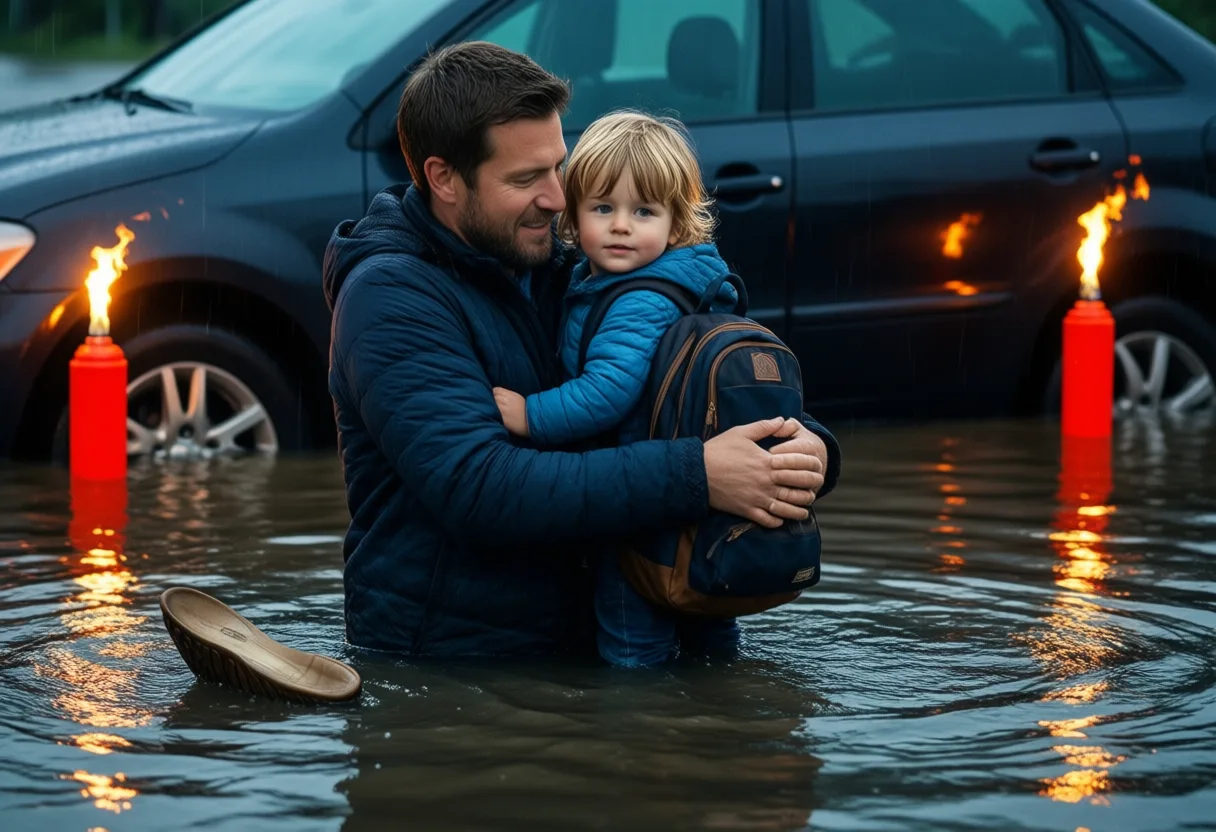
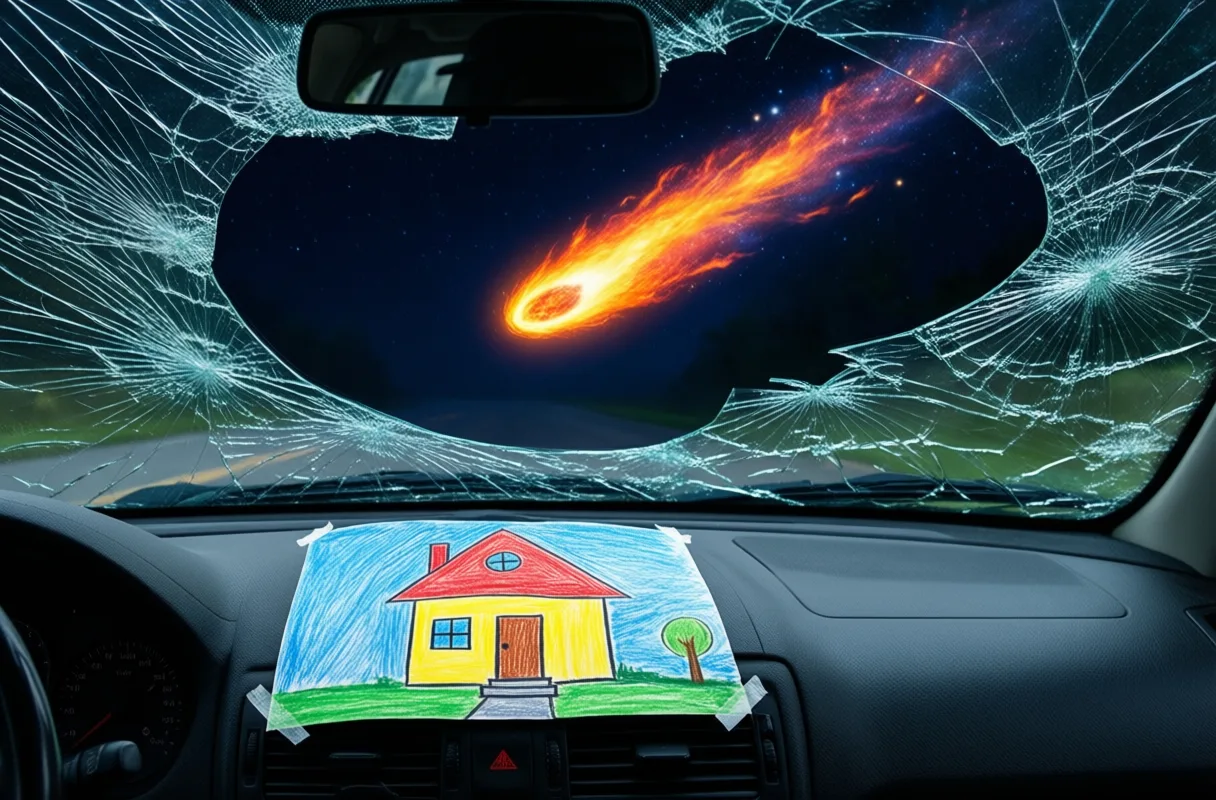
This isn’t a movie about global destruction from a satellite’s view. It’s about one family, their cracked Windshield, and the weight of a single backpack stuffed with medicine, photos, and hope. The fear isn’t abstract; it’s in the way a father’s hands shake as he tries to start a flooded engine, or how a child whispers, “Are we safe now?” Knowing the answer before it’s spoken.
The filmmakers understand that real tension doesn’t come from CGI scale alone. It’s in the silence between radio transmissions, the flicker of a dying phone battery, the moment you realize no one is coming to save you. Greenland 2 Turns survival into a language-one spoken in glances, split-second decisions, and the unbearable lightness of a suitcase left behind.
How One Family’s Journey Elevates Disaster Storytelling
At its core, Greenland 2 Isn’t about the end of the world. It’s about what happens when the world ends For you. The Garrity family-once just another name on a school roster-becomes a lens through which we see the collapse of everything familiar. Their journey isn’t heroic because they save millions. It’s heroic because they keep choosing each other.
- They don’t have a military escort or a secret bunker pass.
- They don’t stumble upon a miracle cure or a hidden army.
- They have grit, love, and the stubborn belief that tomorrow might still exist.
That’s what makes this story cut deeper than most disaster flicks. While other films give us scientists shouting coordinates or generals barking orders, Greenland 2 Gives us a mother rationing water, a son learning to tie a tourniquet, and a father who lies about being unafraid. These aren’t archetypes. They’re people we recognize-maybe even ourselves.
And that’s where the film finds its power. It asks: What would you carry? Who would you call first? Would you run toward safety or stay with someone who can’t move? There are no easy answers, only choices made in the dark, with the wind howling like a warning.
Why This Survival Drama Feels More Real Than Ever
Disaster films often feel like theme Park rides-thrilling, but safely contained. Greenland 2 Throws out the safety bar. It drops you into the middle of chaos with no map, no tutorial, no promise of a reset. The camera doesn’t linger on sweeping destruction montages. It stays close-on sweat-streaked faces, on blistered feet, on the way dust coats a child’s eyelashes.
The sound design alone is a masterclass in unease. No swelling orchestral score tells you when to feel dread. Instead, you hear the crunch of broken glass under boots, the distant echo of a collapsing building, the way a car door slams too loud in an empty street. It’s not just Seeing The end of the world-it’s Hearing It breathe.
Even the lighting feels honest. No Dramatic Red skies or neon-lit ruins. Just the flat, gray light of a sun struggling to pierce the ash. It’s the kind of day that makes you wonder if the power will ever come back on-and if it does, whether there’ll be anything left to power.
This authenticity isn’t accidental. It’s the result of a film that treats survival not as a genre trope, but as a human condition. It’s not about winning. It’s about enduring. And sometimes, just making it to the next hour is the only victory available.
The Weight of Time: Minutes That Stretch Into Eternity
In Greenland 2, time doesn’t move in hours. It moves in breaths. In the pause between a cough and a reply. In the three seconds it takes to decide whether to turn back for your brother or keep running. The film masterfully stretches these moments until they ache, making us feel every second of uncertainty.
A traffic jam isn’t just an inconvenience-it’s a prison. A locked gate isn’t just an obstacle-it’s a verdict. And when the countdown to impact ticks down, it doesn’t feel like a plot device. It feels like a heartbeat out of sync with the world.
The pacing refuses to give us relief. Just when you think the worst is over, the film whispers: Not yet. There’s another storm. Another injury. Another betrayal. It’s not cruel-it’s honest. Survival isn’t a straight line. It’s a spiral, and every turn brings a new test.
We’ve all had moments that felt endless-waiting for test results, staring at a phone that won’t ring, sitting in a silent room after bad news. Greenland 2 Taps into that universal dread, magnifying it until the personal and planetary collide.
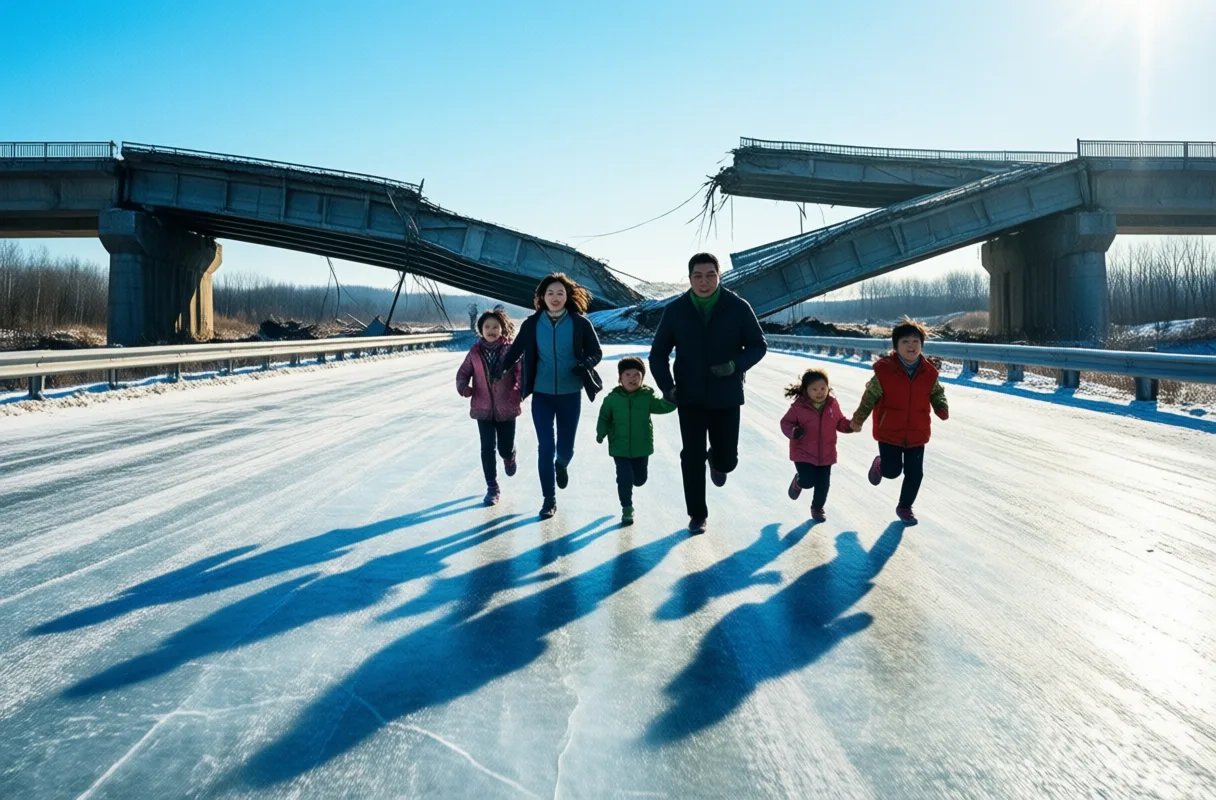
When Shelter Is No Longer Safe
The cruelest twist in any disaster is realizing that safety was an illusion. In Greenland 2, bunkers flood, shelters turn hostile, and the people meant to protect you become the threat. Trust erodes faster than concrete in acid rain.
One scene lingers: a family huddled in a basement, listening to boots above, wondering if the strangers overhead are rescuers or raiders. The tension isn’t in what happens next-it’s in the not knowing. In the way a mother covers her child’s mouth not to hide a cry, but to hide a breath.
The film doesn’t villainize desperation. It understands it. When food runs low and hope thinner, good people do hard things. A man steals medicine. A woman lies about her destination. A soldier looks away. These aren’t plot holes-they’re human cracks.
And that’s what makes the danger feel so immediate. It’s not just the comet. It’s the slow unraveling of society, thread by thread, until the fabric of decency begins to fray. In that space, the real question isn’t Will we survive? It’s Who will we become?
Choices Made in the Shadow of Extinction
Every decision in Greenland 2 Carries the weight of extinction. Take the wrong turn? You’re exposed. Share your supplies? You might starve. Help a stranger? You risk your family. The film doesn’t offer moral shortcuts. There are no points for virtue-only consequences.
One moment stands out: a father forced to choose between his injured son and a group of survivors blocking the road. He doesn’t shout. He doesn’t cry. He just makes the call-and lives with it. That’s the film’s quiet brilliance. It doesn’t dramatize the choice. It Respects It.
These aren’t superhero dilemmas with clean resolutions. They’re messy, gut-wrenching, and forever. And the film trusts us to sit in that discomfort without offering redemption or revenge.
Because in the end, survival isn’t about being the strongest or the smartest. It’s about being willing to carry the cost. To hold the guilt. To keep walking even when every step feels like a betrayal of who you used to be.
The Quiet Moments That Speak the Loudest
Amid the chaos, Greenland 2 Finds stillness. A shared chocolate bar. A lullaby hummed in a dark tunnel. A hand squeeze in a collapsing tunnel. These moments don’t break the tension-they deepen it. Because we know how fragile they are.
It’s in these pauses that the film becomes more than survival. It becomes about memory. About what we carry forward, not in bags, but in bones. A father teaching his son to tie a knot. A mother whispering a family recipe like a prayer. These are the things that outlive cities.
And the camera lingers-just long enough to let it matter. Not long enough to feel staged, but enough to imprint. Because in the end, when the dust settles, it won’t be the explosions we remember. It’ll be the way someone looked at someone else, like they were the last light in the dark.
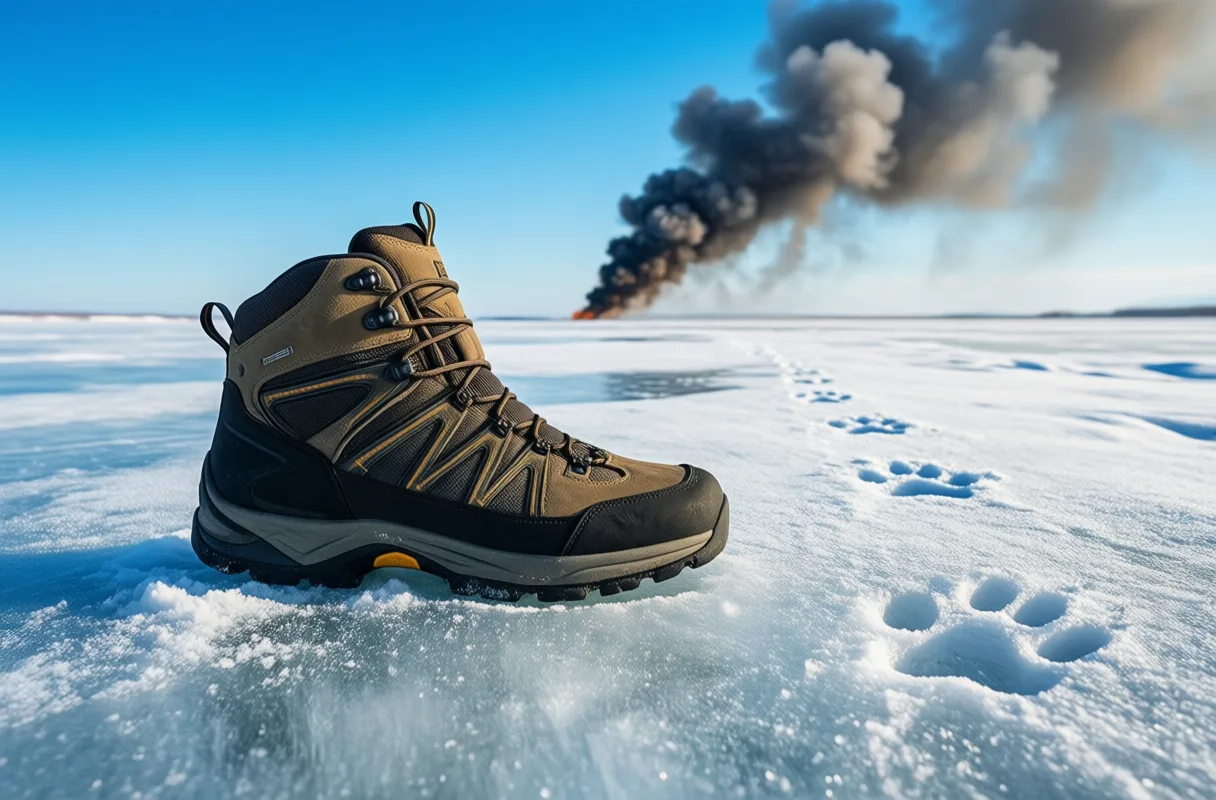
Survival Is Only the Beginning
Getting through the impact is just the first act. Greenland 2 Knows that surviving the disaster is easier than surviving the aftermath. When the sky clears, the real work begins: rebuilding trust, facing loss, learning to breathe without fear.
The film doesn’t end with a parade or a handshake. It ends with footsteps on broken pavement. With a family looking at a horizon they’re not sure they deserve. And with the quiet understanding that safety isn’t a place-it’s a practice.
Hope here isn’t a feeling. It’s a choice. A daily decision to plant a seed in poisoned soil, to teach a child a word, to believe that connection matters even when the world has forgotten how to connect.
And maybe that’s the most radical idea of all-not that we can survive the end, but that we might still choose kindness after it.
What Remains After the World Ends
When the credits roll on Greenland 2, you don’t walk away thinking about special effects or star power. You think about your own hands. What they’ve held. What they might need to hold someday.
The film doesn’t offer easy answers or false comfort. But it does something rarer: it makes you feel Seen. Seen in your fears, your love, your quiet courage. It reminds us that even in extinction-level events, humanity isn’t measured in years-but in moments.
And in those moments, we are not alone. We are part of a species that builds, protects, and endures-even when the sky falls. For a deeper look at the original film’s impact, check out Greenland.
What You Didn’t Know About Greenland 2
A Sequel Born from Global Lockdown
Believe it or not, the idea for Greenland 2 Took shape while much of the world was stuck at home. With theaters closed and productions on hold during the pandemic, audiences flocked to the original Greenland, turning it into a surprise hit despite its quiet release. Its success wasn’t measured in opening weekend box office numbers, but in streaming views and word-of-mouth buzz-proving that a gripping disaster story could find its audience even without a traditional rollout. That groundswell of interest is what helped fast-track the sequel, showing studios that sometimes, staying power matters more than splash.
Real Science Meets High-Stakes Drama
The filmmakers behind Greenland 2 Leaned heavily into realistic astrophysics to make the looming threat feel all too possible. While the movie’s comet impact is fictional, the chain of events-like shockwaves, firestorms, and atmospheric disturbances-follows actual scientific models of extinction-level events. The production team consulted experts to get the details right, from how debris would scatter globally to the timeline of climate collapse. It’s not just about explosions and escapes; the tension comes from knowing how close the science is to reality.
Gerard Butler’s Next Mission
Gerard Butler returns as John Garrity, but this time, the stakes are even more personal. While the first film focused on reaching safety, Greenland 2 Pushes the family further into uncharted territory, testing their limits in a world already reeling. Butler spent time training for new survival scenarios, including cold-weather endurance and emergency navigation, to keep the action grounded. Fans of the original will recognize his signature grit, but there’s a deeper emotional weight this time around-less about outrunning doom, and more about rebuilding what’s been lost.
Frequently Asked Questions
What is the main theme of Greenland 2?
The film centers on one family’s personal journey through survival, focusing on love, endurance, and the choices people make when the world collapses around them.
How does Greenland 2 differ from typical disaster movies?
It avoids grand spectacle in favor of intimate, realistic moments-showing survival through human details like rationed water, blistered feet, and silence instead of orchestral scores.
Is the science behind the comet impact in Greenland 2 realistic?
Yes, the filmmakers consulted experts and based the disaster sequence on real scientific models of extinction-level events, including shockwaves, firestorms, and climate collapse.
Why was Greenland 2 made as a sequel?
The original film gained massive streaming popularity during the pandemic lockdowns, creating strong audience demand that led studios to fast-track the sequel.
This article was produced with AI assistance. How Motion Picture Magazine uses AI.
Rowan explores how streaming platforms shape viewing habits and global storytelling, blending data with cultural insight. They focus on the rise of niche genres, international hits, and the evolving relationship between audiences and algorithms.