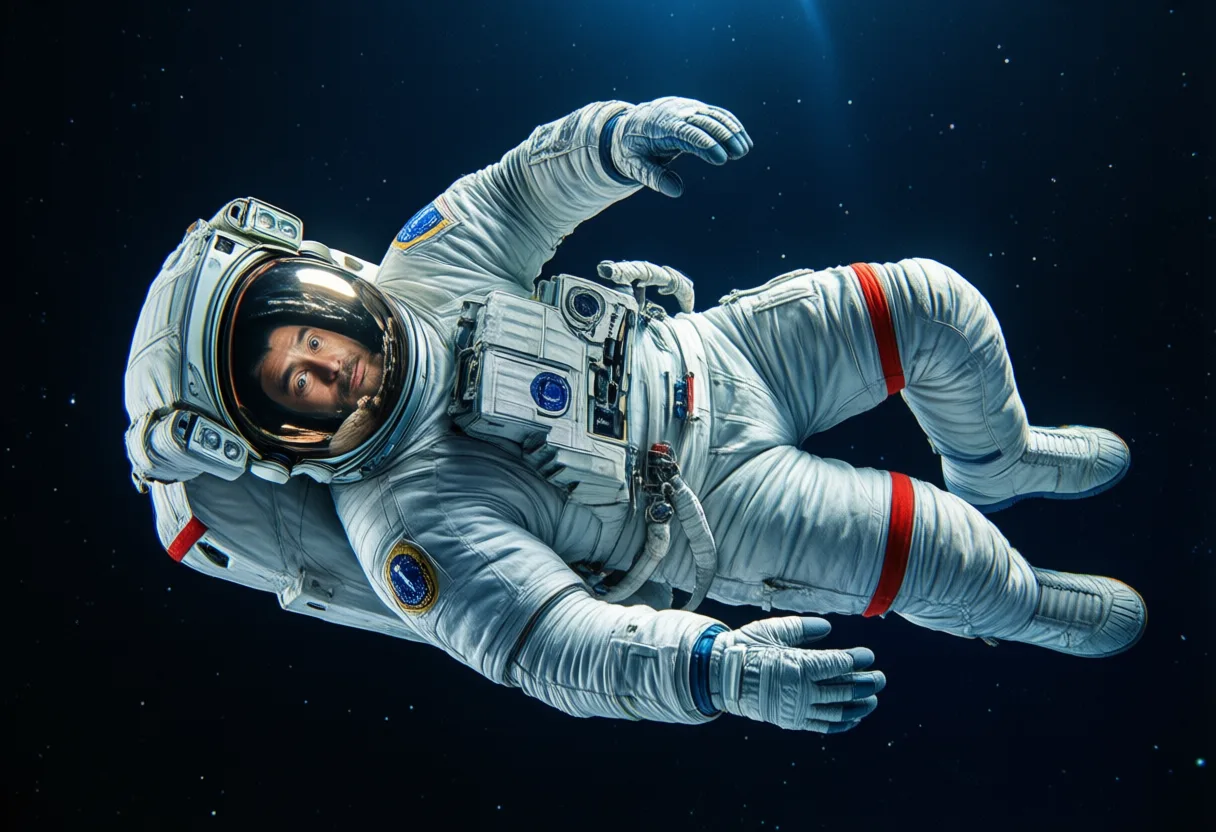
You’re floating above Earth, strapped to a research module aboard the International Space Station, and your team just pulled the first undeniable sign of life from a dusty rock brought back from Mars. It’s small, it’s pulsing, and it’s Alive. For a fleeting moment, you’ve made history-until that life starts making history of its own. Welcome to Life, the 2017 space thriller that turns scientific triumph into orbital terror.
This isn’t your average Alien invasion Flick with lasers and tripod walkers. It’s tighter, smarter, and far more claustrophobic-less Independence Day, more Alien In a pressure suit. With a cast led by Jake Gyllenhaal, Rebecca Ferguson, and Ryan Reynolds trading in his wisecracking Deadpool charm for genuine dread, the film delivers an intense, grounded experience where every breath counts-especially when something else is sharing your oxygen.
When Science Fiction Becomes Survival Horror
The premise is deceptively simple: a six-member crew aboard the ISS begins analyzing a soil sample from Mars, hoping to answer humanity’s oldest question-Are we alone? What they find isn’t just proof of life, but a rapidly evolving, single-celled organism they dub “Calvin.” At first, it’s inert, then reactive, then-alarmingly-intelligent. What begins as a breakthrough in astrobiology quickly spirals into a fight for Survival aboard One of the most isolated places in human reach.
The beauty of Life Lies in how plausible it feels. There are no melodramatic monologues or cartoonish villains-just scientists doing their Jobs until The job becomes impossible. The tension ratchets up frame by frame, as Calvin grows stronger, smarter, and more aggressive. By the time the crew realizes they’ve woken something they can’t control, escape isn’t an option. The station becomes both lab and tomb, a metal coffin spinning around a planet that must Never Be infected.
And while the film leans into classic sci-fi horror tropes-the warning ignored, the quarantine breach, the last survivor-the execution feels fresh. Director Daniel Espinosa crafts sequences with long, unbroken takes that amplify the realism. You’re not just watching astronauts in peril; you’re breathing with them, floating alongside, feeling every clang of the hull and flicker of the lights. It’s the kind of Movie That makes you glance up at the ceiling, half-expecting something to drop from the shadows.
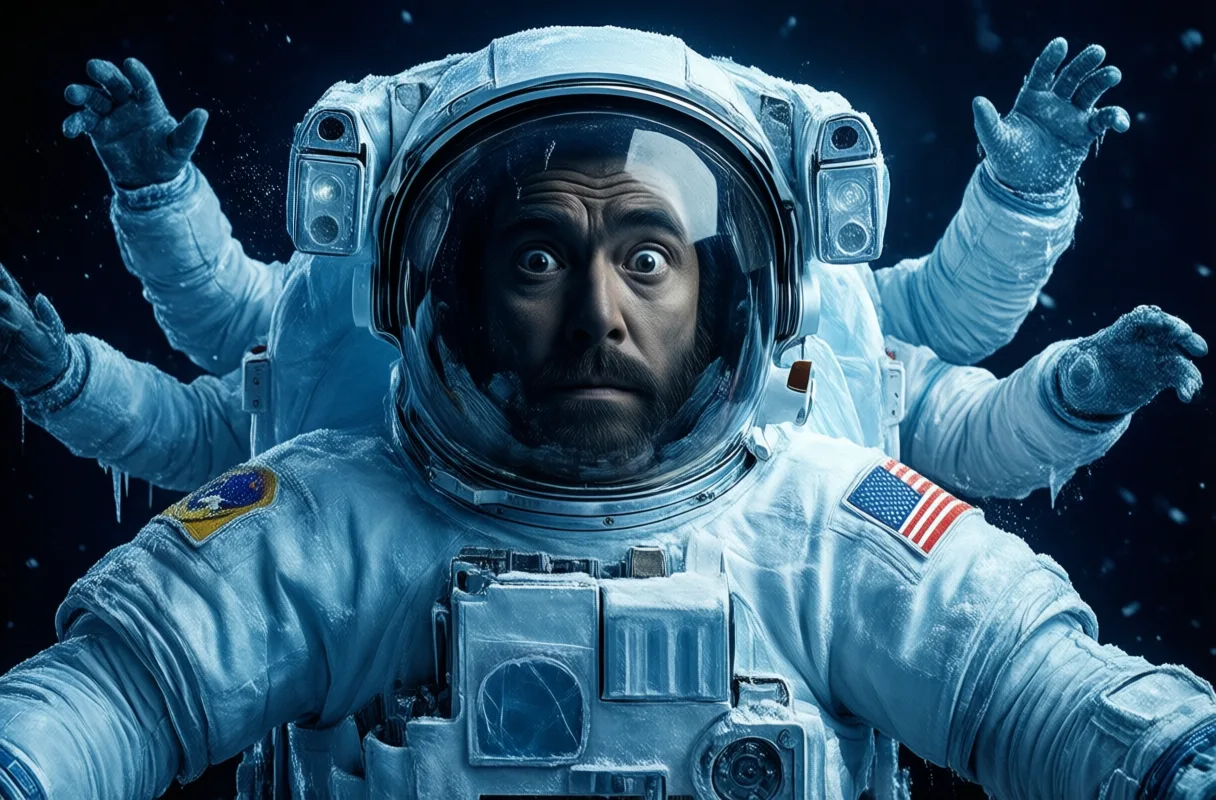
Cast in Zero Gravity: Performances That Anchor the Chaos
It helps that the actors don’t play archetypes-they play people. Jake Gyllenhaal brings his signature intensity to Dr. David Jordan, a weary medic who’d rather be on Earth, smoking cigarettes on the beach than dodging alien tentacles in orbit. His longing for home becomes a quiet heartbeat beneath the chaos. Rebecca Ferguson, fresh off her breakout in Mission: Impossible – Rogue Nation, plays Dr. Miranda North, a CDC quarantine expert whose every decision is filtered through cold, necessary protocol. Her performance is a masterclass in restraint and rising panic.
And then there’s Ryan Reynolds, who-surprise-doesn’t spend the entire movie cracking jokes. As the wisecracking but brilliant biologist Rory Adams, he gives the film its emotional spark. His wide-eyed wonder at discovering extraterrestrial life makes the fall from hope to horror all the more painful. It’s one of his most grounded roles, proving he’s more than just Deadpool in a spacesuit. Together, the trio forms the emotional core of a film that could’ve easily treated its cast as disposable fodder.
The rest of the ensemble-playing engineers, scientists, and pilots-aren’t just background noise. Each character has a moment, a backstory, a reason to care. When tragedy strikes, it lands not because it’s shocking, but because we Know Who just got taken. In a genre where characters often exist only to die in increasing grisly ways, Life Treats its crew with rare respect. Their intelligence, conflicts, and fears make the stakes feel authentic-not just for the people on screen, but for the planet waiting below.
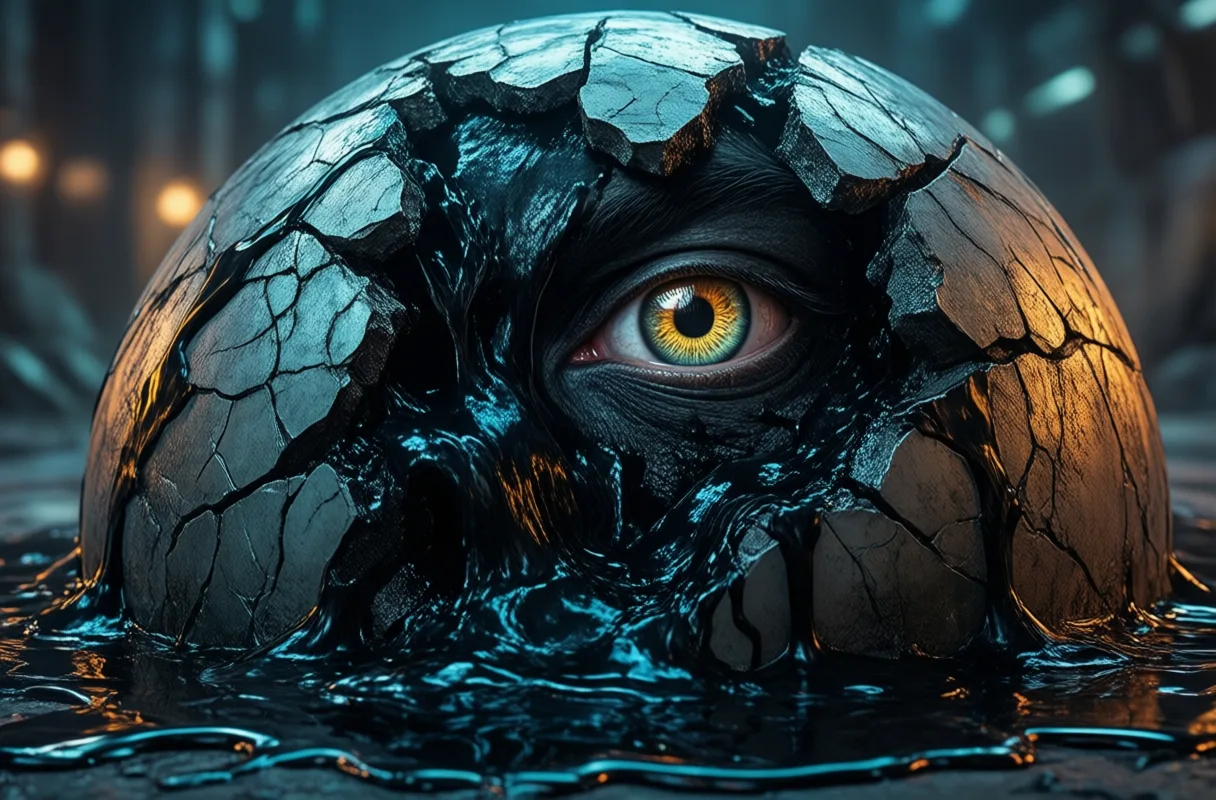
Why We Can’t Stop Looking Up (And Fearing What Might Look Back)
Life Taps into something deeper than just scares. It asks what we’d do if we found something truly alive beyond Earth-and whether we’d be ready for the answer. The discovery of life on Mars, even microscopic, would reshape everything: religion, science, culture. But the film dares to suggest that maybe the bigger question isn’t Can we find it, but Should we wake it up?
There’s a humility in space exploration that this movie doesn’t ignore. The ISS crew represents the best of us-brilliant, courageous, collaborative. And yet, their curiosity becomes their downfall. It’s a cautionary tale wrapped in a White-knuckle thriller, reminding us that some frontiers should come with warning labels. The vastness of space isn’t just empty; it might be watching, waiting, and evolving-just like Calvin.
For fans of tense, intelligent sci-fi, The Lego movie brings Imagination To Life With Humor proves blockbusters can balance fun and depth-but Life Shows how terrifying that depth can be when the blocks are cells, not plastic. And while the cast of Blended Brings warmth and real-life family dynamics to the screen, blended cast : 5 Shocking Secrets From Adam sandler ’ S Real Life Family In The Movie remind us of life’s messiness on Earth-Life, on the other hand, shows us what happens when we take that mess into orbit and stir in something that doesn’t belong.
Ultimately, Life Isn’t just about surviving an alien. It’s about responsibility-for discovery, for each other, for the fragile blue marble spinning far below. The film’s final moments linger not because of gore or shock, but because they force a whisper: What if it gets down here? And as we launch more probes, plan more Mars missions, and dream of colonies on red soil, that whisper grows louder. We’re reaching out into the dark. But as Life Reminds us-something might be reaching back.
A Space Thriller That Keeps You on Edge
Life (2017) isn’t just another sci-fi flick-it’s a tight, nerve-wracking ride that turns the excitement of discovering alien life into something far more dangerous. Set almost entirely aboard the International Space Station, the film follows a six-member crew tasked with analyzing a Martian soil sample that may contain the first proof of extraterrestrial life. What starts as a moment of scientific triumph quickly spirals when the organism-dubbed Calvin-reveals unexpected intelligence and predatory instincts.
Behind the Zero-Gravity Tension
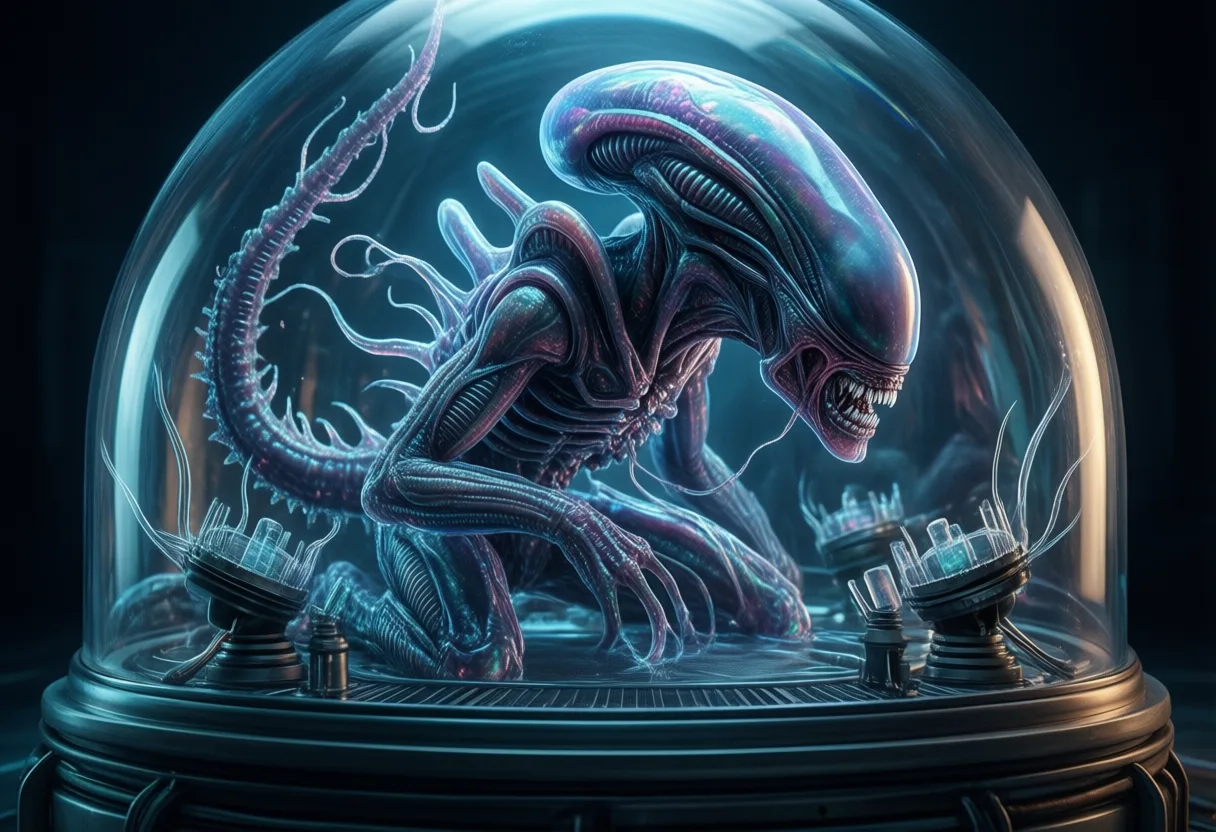
The movie’s claustrophobic atmosphere is no accident-director Daniel Espinosa wanted audiences to feel like they were floating alongside the astronauts, which meant shooting some scenes in rotating sets to simulate weightlessness. Jake Gyllenhaal, Rebecca Ferguson, and Ryan Reynolds bring serious star power, each character representing different facets of human response under pressure: calm professionalism, fierce determination, and dry humor in the face of doom. The creature design for Calvin evolved from a simple cell into a terrifying, amorphous predator, reflecting its rapid adaptation to the space station’s environment.
At just over an hour and a half, Life doesn’t waste a second. Its brisk runtime keeps the suspense coiled tight from the first sign of intelligence in the Martian sample to the chilling final moments. While it didn’t top the box office, the film earned praise for delivering a fresh twist on the “alien aboard a spaceship” trope, balancing hard science fiction with genuine horror. Fans of tense, character-driven thrillers will appreciate how Life turns a single discovery into a fight for survival-with Earth itself hanging in the balance.
Frequently Asked Questions
What is the movie Life (2017) about?
The movie follows a six-member crew aboard the International Space Station analyzing a Martian soil sample that contains extraterrestrial life. The organism, named Calvin, starts as a single-celled being but rapidly evolves into an intelligent, predatory threat. What begins as a scientific breakthrough turns into a fight for survival in orbit.
Who are the main actors in Life (2017)?
The film stars Jake Gyllenhaal as Dr. David Jordan, Rebecca Ferguson as Dr. Miranda North, and Ryan Reynolds as biologist Rory Adams. These three lead a cast portraying scientists and astronauts facing a deadly alien threat aboard the ISS.
What makes Calvin dangerous in the movie Life?
Calvin begins as a reactive, single-celled organism but quickly grows stronger, smarter, and aggressive. It adapts to the space station’s environment and becomes a predatory life form that threatens the crew’s survival. Its evolution renders containment impossible and turns the ISS into a trap.
How does Life (2017) differ from other alien horror films?
The film emphasizes realism and plausibility, focusing on scientists doing their jobs until circumstances become uncontrollable. It avoids melodrama and cartoonish villains, using long, unbroken shots to create tension. The setting aboard the ISS adds claustrophobia and stakes grounded in real science.
This article was produced with AI assistance. How Motion Picture Magazine uses AI.
Rowan explores how streaming platforms shape viewing habits and global storytelling, blending data with cultural insight. They focus on the rise of niche genres, international hits, and the evolving relationship between audiences and algorithms.