
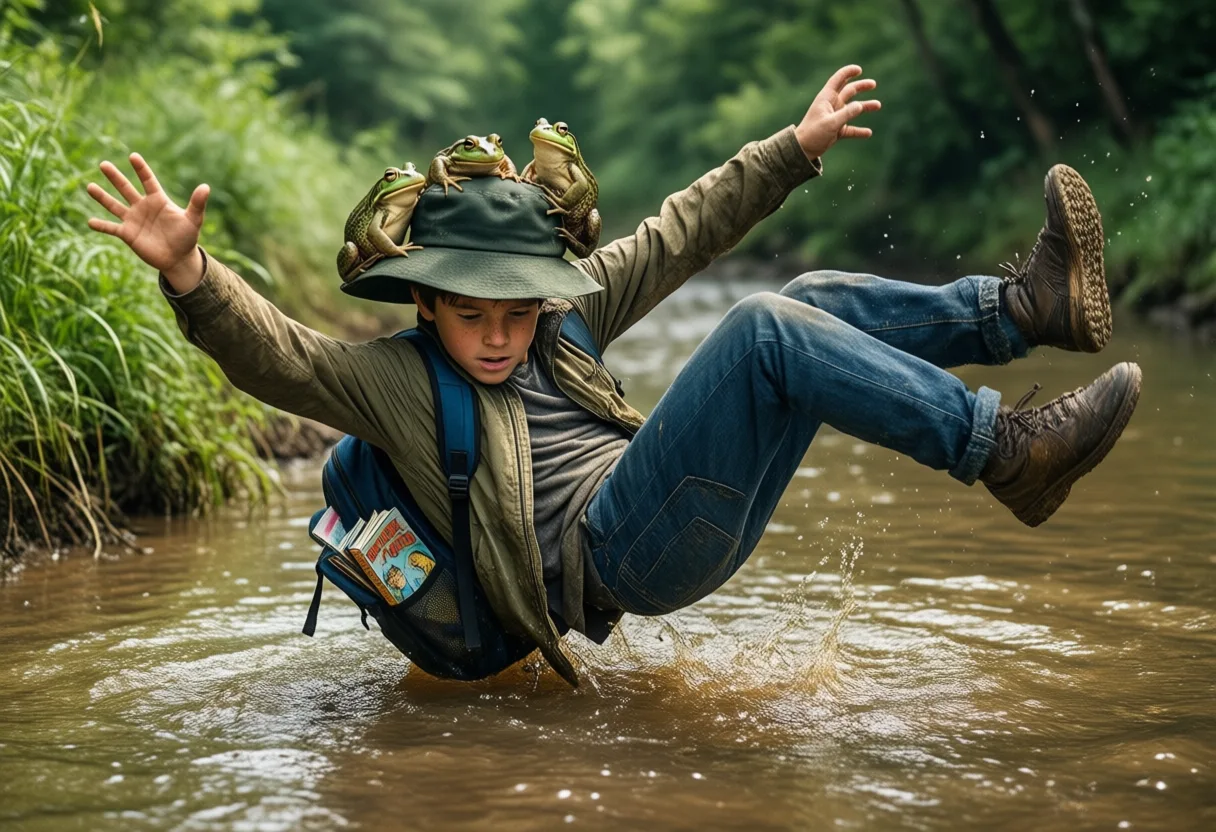
What if the most transformative summer experience for a Teenager Wasn’t the one with the best facilities, the most Instagrammable moments, or the highest success rate? What if growth didn’t come from winning the final round, but from failing the first five?
Turns out, some of the most Impactful programs Aren’t selling confidence. They’re building it-brick by brick, through scraped knees, awkward group decisions, and nights when the tent leaks.
What If Camp Wasn’t About Winning?
Most summer programs are built on achievement. Medals, rankings, leaderboards-teenagers are funneled into Environments Where standing out is the goal. But what if the real lesson wasn’t how to shine, but how to keep going when no one’s watching?
At certain outdoor programs, the objective isn’t to finish first. It’s to finish at all. There’s no trophy for participation, because participation itself is the baseline. The real reward? Making it back to base with muddy boots and a story that doesn’t start with “I won,” but with “I did.”
These aren’t boot camps disguised as therapy. They’re not punitive. But they also don’t hand out participation ribbons when someone gives up Halfway through A navigation exercise. The structure is simple: you’re given a task, limited resources, and a group of peers who are just as unprepared as you are.
- Challenges are designed to be difficult, not impossible.
- Success is measured in effort and adaptation, not scores.
- There’s no app to track your progress-just a notebook and your own memory.
The Unseen Value of Struggle in Teen Development
We’ve spent two decades optimizing adolescence to be as smooth as possible. Parents hover. Schools accommodate. Apps track moods. The message is clear: discomfort is a design flaw. But what if it’s actually the point?
Teenagers aren’t fragile. They’re resilient-when given the chance to prove it. And yet, many programs treat emotional safety like a zero-tolerance policy, removing every obstacle before it can be faced. The irony? The very things we eliminate to protect kids are the ones that would help them grow.
When teens are allowed to struggle-genuinely, without a safety net swooping in-they start to notice something: they’re capable. Not because they were told they were, but because they saw it with their own eyes.
- A 14-year-old who couldn’t light a fire on day one finally gets a spark on day six.
- A group argument over route planning ends not with a counselor stepping in, but with a compromise no adult would have suggested-because it works.
- Someone who’s used to being the smartest in the class realizes they don’t have all the answers-and that’s okay.
Why Discomfort Might Be the Best Teacher
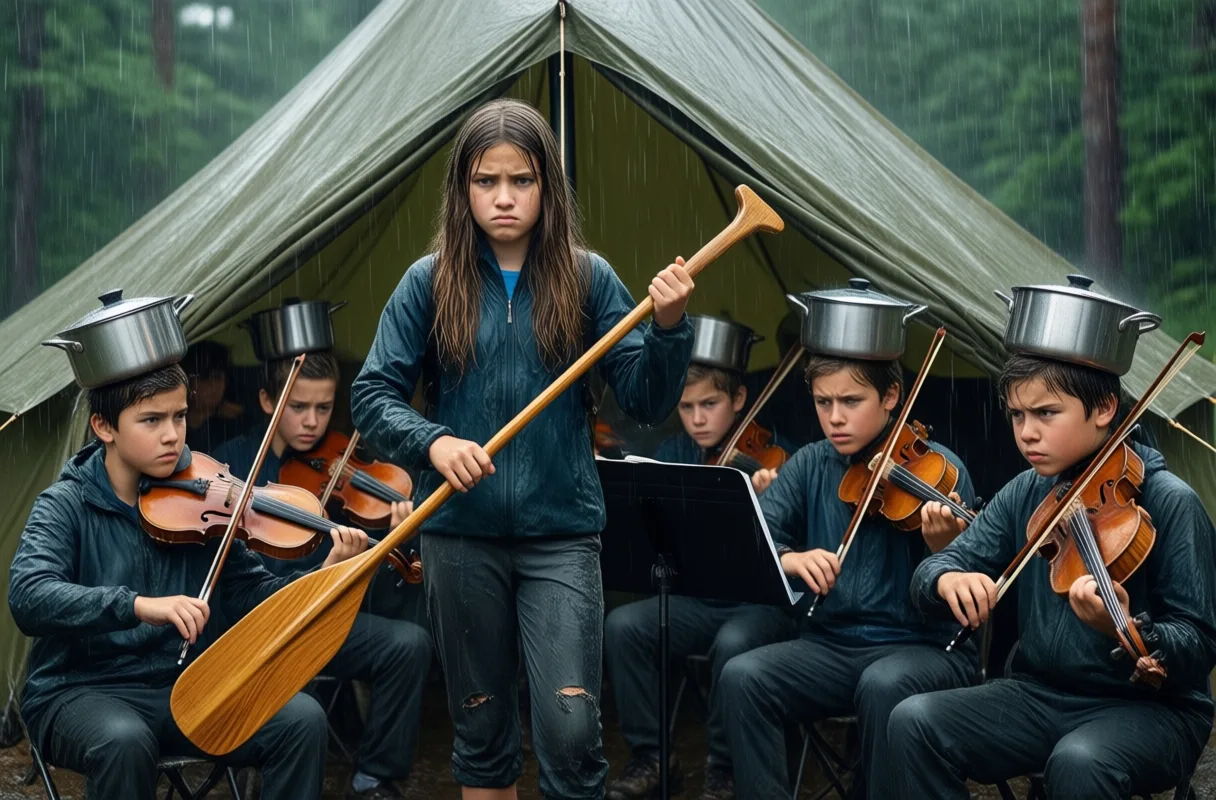
Let’s be honest: most of us don’t learn much when everything goes according to plan. We learn when the map is wrong. When the rain starts and the poncho rips. When the person you’re supposed to trust lets you down.
Discomfort doesn’t damage teens-it directs them. It forces decisions. It strips away the noise of social media, curated personas, and academic pressure. Out in the woods, the only thing that matters is whether the knot holds.
And here’s the quiet truth no brochure will admit: The most profound moments often come after a mistake. Not a catastrophic one, but the kind that stings-a forgotten water filter, a poorly pitched tent, a misread compass.
- You remember how to purify water when you’ve been thirsty.
- You learn to trust your instincts when GPS fails.
- You listen differently when silence is the only thing keeping you from getting lost.
How Failure Builds Resilience
Failure has been rebranded so aggressively that it’s almost unrecognizable. We talk about “failing forward” like it’s a marketing slogan. But real failure-messy, humbling, and public-doesn’t come with a silver lining. Not at first.
In environments where setbacks aren’t sanitized or reframed, teens get something rare: A chance to recover without applause. No one claps when you finally get the fire going after three failed attempts. But you Feel It. That quiet pride isn’t handed out. It’s earned in the dark, with cold fingers and damp matches.
Resilience isn’t built in victory laps. It’s built in the walk back after a plan falls apart-and the decision to try again the next day.
- A dropped pack means a heavier load, not a rescue.
- A wrong turn leads to a longer hike, not a lecture.
- No one cancels the activity because someone feels “overwhelmed.”
The Myth of Constant Safety
We’ve come to believe that if a child isn’t comfortable, they must be unsafe. But comfort and safety aren’t the same thing. One is a feeling. The other is a condition.
Real safety isn’t the absence of risk. It’s the presence of preparation, awareness, and trust in your own ability to respond. And that only comes from practice-often in situations that feel anything but safe.
The programs that produce the most capable young adults aren’t the ones with the most rules. They’re the ones that teach teens how to think when the rules don’t apply.
- You don’t learn to assess river depth by watching a video.
- You don’t build situational awareness by staying on marked trails.
- You don’t develop judgment by always being told what to do.
Skills Learned Only Through Setbacks
Some Skills Can’t be taught in a classroom. They emerge only when things go wrong. How to stay calm when the group is arguing. How to lead when no one wants to follow. How to apologize when your mistake affects others.
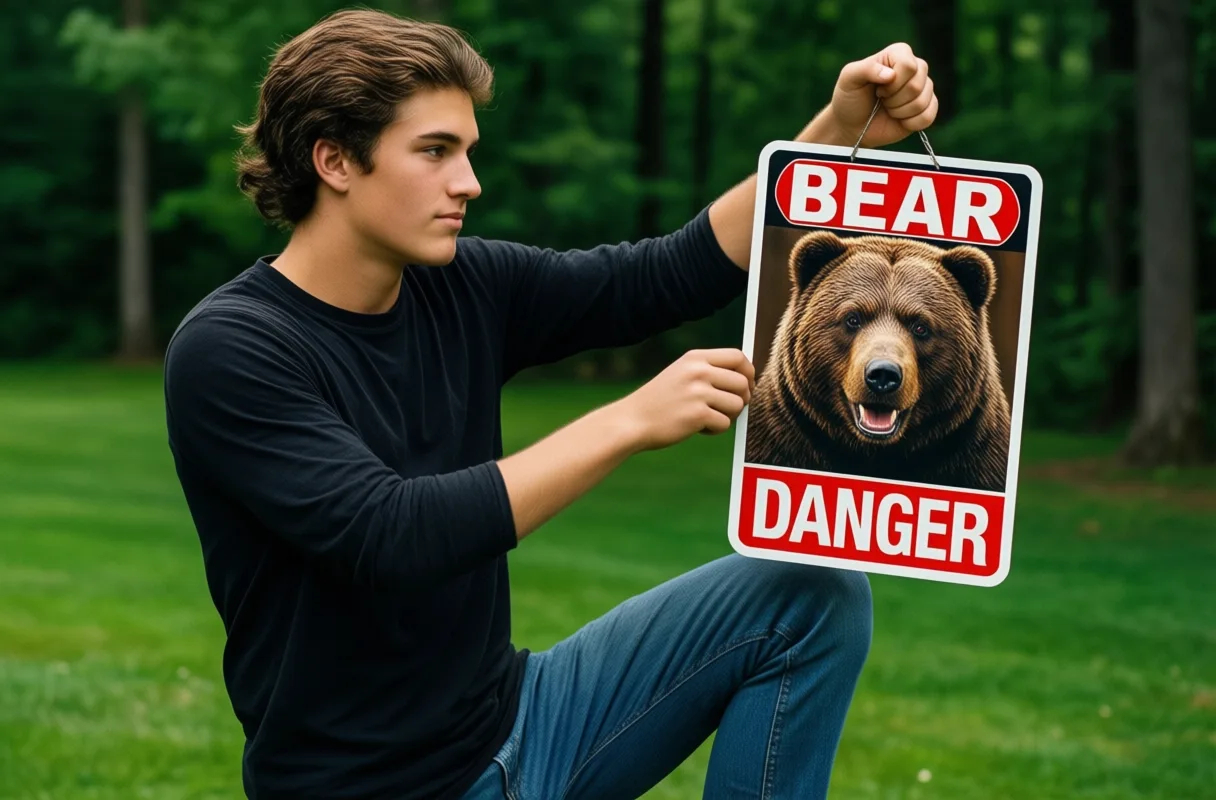
These aren’t “soft skills.” They’re survival skills-just not the kind you need to outrun a bear. They’re for navigating life when the path isn’t clear, the team is fractured, and the outcome is uncertain.
And they don’t come from praise. They come from reflection. From asking, “What did I do wrong?” Instead of “Who’s to blame?”
- Conflict resolution isn’t learned through role-play. It’s learned when two people need the same dry sleeping bag.
- Leadership isn’t about charisma. It’s about stepping up when no one else will.
- Responsibility isn’t a word on a certificate. It’s carrying your share-literally-when everyone’s exhausted.
Finding Confidence in Competence, Not Praise
The confidence we hand out freely-“You’re amazing!” “You can do anything!”-often rings hollow. Because deep down, teenagers know when they haven’t earned it. And that disconnect can be more damaging than doubt.
But when a teen successfully navigates a river crossing, sets up camp in the rain, or leads a group through fog without incident, the confidence that follows isn’t performative. It’s rooted in Proven ability.
No one has to tell them they’re capable. They already know.
- It’s not “I’m great because you said so.” It’s “I’m great because I did it.”
- The praise comes later-quietly, from themselves.
- The next challenge isn’t feared. It’s considered.
Letting Go of the Perfect Experience
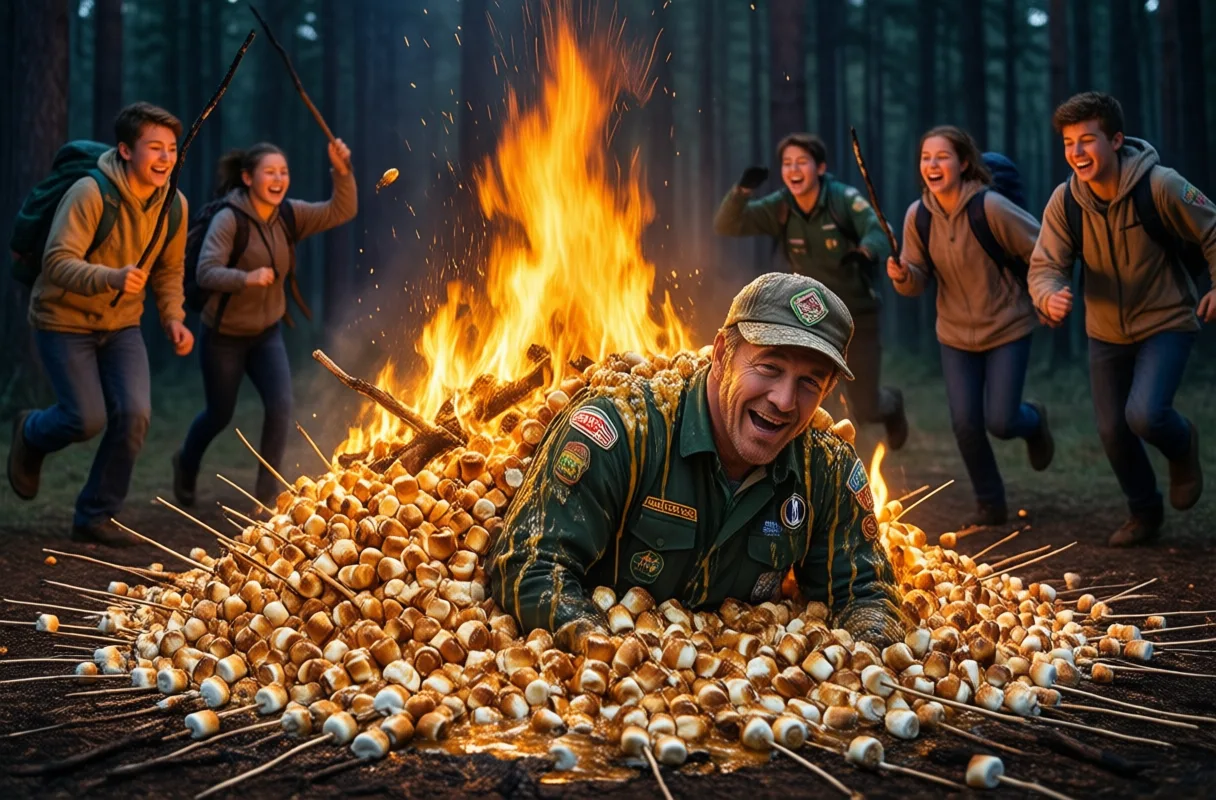
We’ve been sold a version of youth where every moment should be meaningful, documented, and shareable. But real growth rarely looks good on camera. It’s awkward. It’s messy. It’s quiet.
The most transformative moments often happen off-frame: a quiet decision to keep going, a private realization under the stars, a conversation that doesn’t get posted.
Letting go of the perfect experience means accepting that growth isn’t linear. That some days are about survival, not self-actualization.
- Not every campfire ends in deep conversation.
- Not every summit brings tears of joy.
- Sometimes, the best thing that happens is that you didn’t quit.
Where Growth Happens Off the Grid
You won’t find these stories on glossy brochures. No influencer is posting from a rain-soaked tent with a broken stove. But that’s exactly where some of the most important shifts occur.
Disconnected from likes and algorithms, teens start to notice other metrics: Did we make it? Did we help each other? Did we learn?
The world off the grid doesn’t care about your GPA or your follower count. It only asks one question: Can you handle what’s in front of you?
And the answer, more often than not, is yes.
A Different Kind of Transformation Awaits
We keep trying to engineer the perfect environment for growth. But maybe growth doesn’t want to be engineered. Maybe it thrives in the unplanned, the unpolished, the uncelebrated.
The teenagers who return from these experiences don’t always have the best photos. But they often have something rarer: A quiet certainty in their own hands, their own judgment, their own resilience.
They’ve been tested. Not graded. Tested. And they passed-without fanfare, without a certificate, without needing to prove it to anyone.
That’s the kind of transformation no app can track. But everyone who knows them can feel.
What Even Is Disadventure Camp?
More Than Just No Wi-Fi
Disadventure camps skip the usual creature comforts on purpose. Think sleeping in simple shelters or tents, cooking meals over a fire with basic ingredients, and trading smartphones for maps and compasses. The idea isn’t to suffer, but to strip things back so teens actually notice what they’re capable of. Without constant notifications, many campers say they sleep better and start paying attention to small things-like bird calls at dawn or how to read the weather in the clouds.
Skills That Stick
These programs focus on real-world abilities you won’t learn in a classroom. Campers might spend a day building a shelter that can handle wind and rain, or learn how to safely purify water from a stream. Some groups practice low-impact travel, packing only what they can carry and leaving no trace behind. It’s not about being rough-it’s about being resourceful. One unexpected perk? Many teens come back way more confident about handling everyday problems, like dealing with a flat tire or navigating a new city.
The Unexpected Upside of Unplugging
Without screens, conversations change. Instead of scrolling, campers end up talking-really talking-around the fire or while hiking. Games become face-to-face, stories get longer, and inside jokes pile up fast. Some camps even ditch schedules entirely, letting the group decide when to eat, rest, or explore. That kind of freedom, paired with responsibility, helps teens figure out how they work in a team and what kind of leader they want to be. It’s messy, unpredictable, and often hilarious-which is kind of the point. Explore more stories, videos, and creators on Loaded.
Frequently Asked Questions
What is the main goal of Disadventure Camp?
The main goal is to build resilience and confidence through real challenges, effort, and adaptation rather than achievement or winning. Success is measured by finishing tasks and personal growth.
How do teens benefit from struggling at Disadventure Camp?
Struggle helps teens discover their own capabilities through firsthand experience. They learn problem-solving, teamwork, and self-reliance when facing difficulties without immediate adult intervention.
What kind of skills do campers gain at Disadventure Camp?
Campers gain practical outdoor skills like fire-building, water purification, navigation, and shelter construction. They also develop judgment, conflict resolution, leadership, and responsibility through real setbacks.
Why is discomfort considered valuable at Disadventure Camp?
Discomfort strips away distractions like social media and academic pressure, forcing teens to focus on what matters in the moment. It teaches them to adapt, make decisions, and grow through genuine experience.
This article was produced with AI assistance. How Motion Picture Magazine uses AI.
Isolde dissects award campaigns, voting patterns, and industry politics with precision. She tracks how prestige television and arthouse films navigate recognition, emphasizing diversity shifts and behind-the-scenes power dynamics shaping nominations.