When the open road calls, and your playlist kicks in with a gritty guitar riff or a raw, unfiltered voice spitting truth into the void, you’re not just hearing music-you’re feeling history. That deep, dusty blend of Country, punk, and Rock music Isn’t just noise; it’s the backbone of something bigger: the ever-evolving Americana sound. It’s the soundtrack of truck stops, dive bars, protest signs, and porch swings-equal parts rebellion and roots.
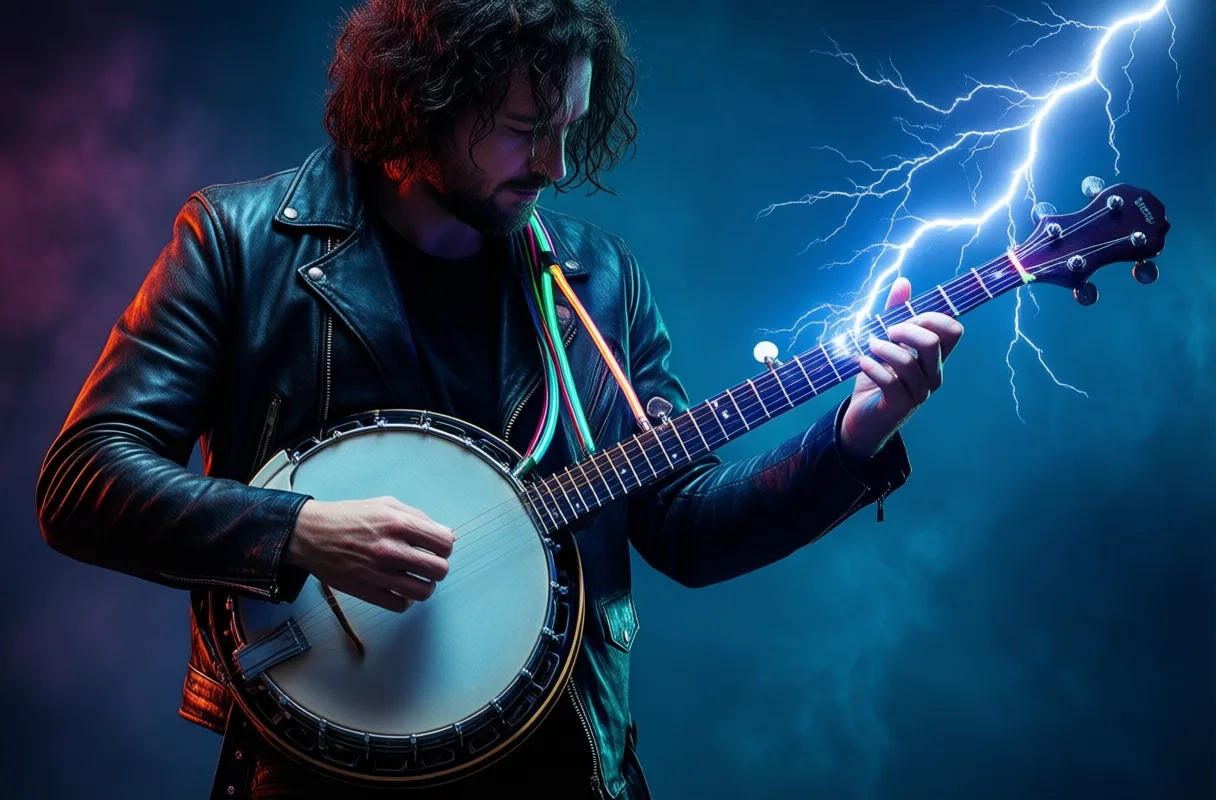
The Roots Beneath the Road: Where Americana Begins
Americana doesn’t live in a lab or a boardroom. It grows wild, like kudzu on an old fence line, fed by generations of storytellers who sang about love, loss, and the long haul. At its core, it borrows from traditions that didn’t start in stadiums but in backyards, churches, juke joints, and union halls. Country laid the first rail-simple chords, honest lyrics, Voices worn Like well-used boots.
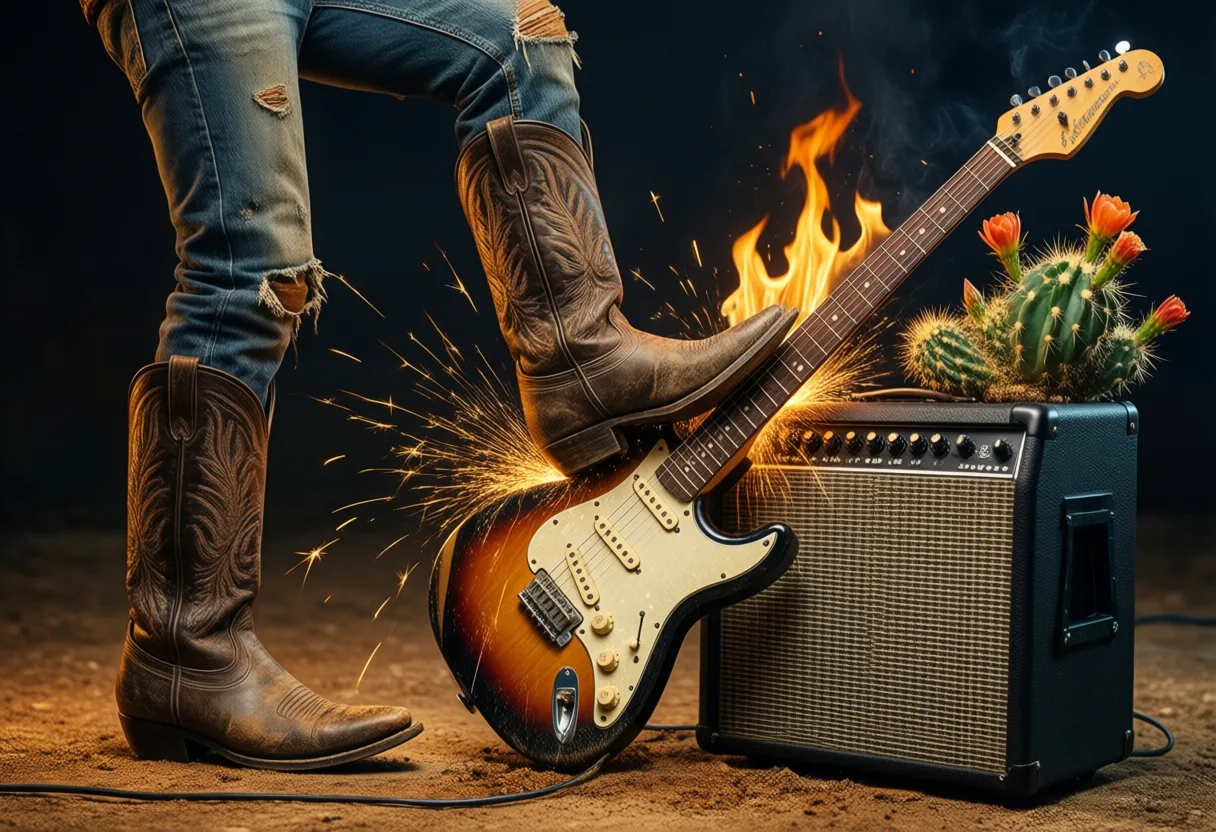
Then Came rock, turning up the volume and the attitude. It took the structure of country and blues and electrified it, doused it in gasoline, and set it loose. Think of that moment when a Fender Stratocaster screams to life-not to impress, but to Say something. That energy never died. It just kept mutating, showing up in new forms, new voices, new rhythms.
And then, punk arrived like a flatbed truck crashing through the gate. Fast, furious, and fed up, it stripped everything down to the bone. No frills. No apologies. But beneath the sneer was something familiar: a DIY spirit that echoed the earliest folk singers who passed songs hand to hand. Over time, these three threads-country’s soul, rock’s fire, punk’s grit-started braiding together. The result? A Sound That feels both ancient and urgent.
- Country brought narrative depth and acoustic honesty
- Rock added amplification, rhythm, and theatrical flair
- Punk injected speed, skepticism, and social awareness
This isn’t just genre blending-it’s cultural archaeology. Every creak in a pedal steel, every distorted power chord, every shouted chorus carries DNA from decades of American unrest and resilience. You can hear it in artists who don’t fit neatly into one box, who pull from all three worlds without asking permission.
Rock The Extraordinary Influence Of Music dives Into how sonic rebellion has always mirrored societal shifts-and how what we call “music” is really just emotion turned up to eleven.
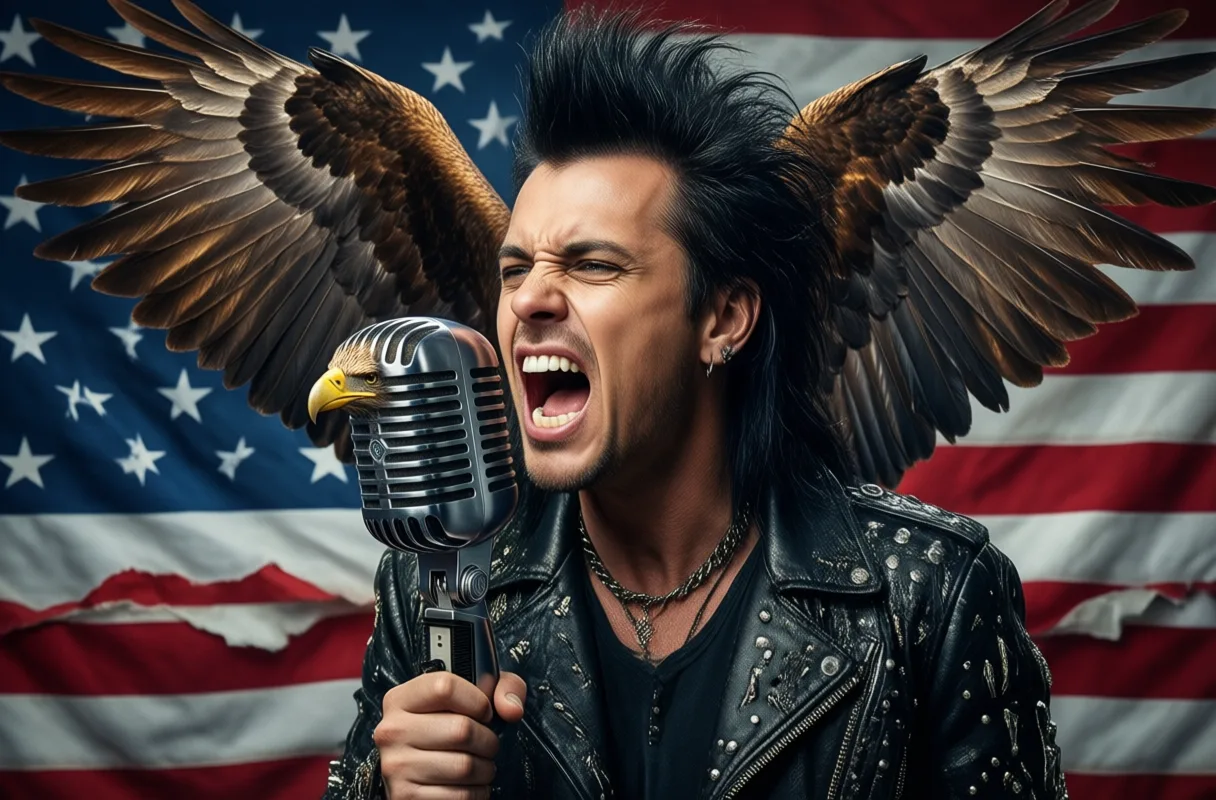
From Garage Bands to Great Stories: The Spirit of Rebellion
There’s a moment in nearly every great Americana song where the singer sounds like they’ve got nothing left to lose-and everything to say. That vulnerability isn’t accidental. It’s inherited. Punk taught Us that perfection is overrated, but authenticity? That cuts through. You don’t need a perfect voice if you’ve got a true story.
Rock bands in the '70s and '80s started borrowing country twang not as a gimmick, but as grounding. When the amps got louder, the lyrics sometimes got emptier-so some musicians reached back for the kind of storytelling that made people lean in, not just headbang. They realized a ballad could be as powerful as a breakdown.
Meanwhile, country artists began pushing back against slick production, chasing a rougher, realer sound. Some called it alt-country. Others just called it honesty. These weren’t cowboys singing about beer and trucks-they were poets documenting broken towns and second chances. And often, their records sounded more like garage rock than Nashville radio.
Patti Smith The Iconic Punk Poet Who Changed Music reminds us that poetry and protest have always been punk’s beating heart-and that voice, not volume, defines revolution. Her work echoes in today’s Americana artists who write like journalists and sing like preachers.
What ties it all together isn’t instrumentation-it’s intention. Whether it’s a banjo or a bass drum, the goal is the same: to bear witness. To name the unnamed. To make the invisible feel undeniable. And sometimes, to just scream until someone listens.
The Soundtrack of Now: Why This Moment Belongs to Americana
Streaming didn’t kill the album-but it did change how we find meaning in music. Algorithms serve us comfort food: the familiar, the viral, the safe. But lately, more listeners are digging deeper, searching for songs that feel lived-in. That hunger explains the quiet rise of Americana-not as a trend, but as a refuge.
It’s not dominating charts like pop or hip-hop, but it’s everywhere once you know where to look: film soundtracks, indie radio, festival undercards. It scores documentaries about forgotten towns and dramas about family secrets. Because when filmmakers want truth, not gloss, they reach for this sound.
And let’s be honest-after years of polished personas and auto-tuned perfection, many of us crave imperfection. We want voices that crack. Guitars that buzz. Lyrics that don’t rhyme perfectly but Feel Right. Americana delivers that. It’s the anti-filter. The musical equivalent of leaving the lights on while you clean the kitchen at 2 a.m., thinking about everything you’ve lost and gained.
Justin Hayward A Legendary Voice Of Rock Music captures how enduring artistry transcends genre-how a single voice, sustained over decades, becomes a compass for generations. While not strictly Americana, his journey reflects the same commitment to emotional truth that defines the movement.
This isn’t nostalgia. It’s renewal. Artists today aren’t copying the past-they’re conversing with it. Sampling a fiddle line here, a snare hit there, stitching together a sound that honors where we’ve been while refusing to pretend we know where we’re going.
In the end, the fusion of country, punk, and rock isn’t about labels. It’s about lineage. It’s the sound of America arguing with itself-and still, somehow, singing.
| Genre | Contribution | Example Artists | Key Traits |
|---|---|---|---|
| Country | Narrative depth, acoustic honesty | Johnny Cash, Gram Parsons | Storytelling, twang, emotional truth |
| Rock | Amplification, rhythm, flair | The Rolling Stones, The Byrds | Electric guitars, anthemic sound |
| Punk | Speed, skepticism, social awareness | The Clash, X, Patti Smith | DIY spirit, raw energy, rebellion |
| Americana | Fusion of all three genres | Margo Price, Tyler Childers | Authenticity, imperfection, emotional power |
The Roots and Riffs That Built a Sound
When Twang Met Attitude
The Americana sound didn’t spring from one source-it’s more like a backyard jam where country’s storytelling, punk’s raw energy, and rock’s electric punch all showed up uninvited and refused to leave. Back in the 1970s, bands like The Clash weren’t just shouting about rebellion-they were sliding pedal steel guitar into songs like “Lover’s Rock,” blending country textures with punk fire. Around the same time, Gram Parsons pushed country into grittier territory with The Byrds and later Emmylou Harris, proving twang could wear leather jackets and still feel authentic.
Rebels With a Cause (and a Chorus)
Punk’s DIY spirit cracked open doors for artists who didn’t fit neatly into genre boxes. Bands like X from Los Angeles mixed streetwise lyrics with harmonies that wouldn’t sound out of place at a honky-tonk, creating a hybrid that felt both urgent and familiar. Then there’s Johnny Cash-long before “Hurt” went viral-standing defiant at Folsom Prison, his deep voice carrying tales of loss and defiance that echoed through generations of punks and rockers alike. His music wasn’t just country; it was raw truth, something punk fans instantly recognized and respected.
Cross-Pollination on Vinyl
Rock acts have long borrowed from country’s emotional honesty. The Rolling Stones slid fiddles and rural themes into albums like Exile on Main St., turning French basement tapes into Southern-tinged anthems. Meanwhile, modern artists like Margo Price or Tyler Childers carry that legacy forward, playing sold-out shows where fans sing along to ballads about broken trucks and broken hearts-just like their punk counterparts might scream about broken systems. It’s not about labels; it’s about feeling. And when a Telecaster’s twang hits just right, whether in a dive bar or a dusty field, it all starts to sound the same. Explore more stories, videos, and creators on Loaded.
Frequently Asked Questions
What genres form the foundation of the Americana sound?
Country, punk, and rock music form the foundation of the Americana sound. Country contributes narrative depth and acoustic honesty, rock adds amplification and theatrical flair, and punk brings speed, skepticism, and social awareness.
How did punk influence the development of Americana music?
Punk injected raw energy, DIY spirit, and social awareness into Americana. Its authenticity and rebellion resonated with folk traditions, influencing artists to prioritize truth over perfection and embrace imperfection in sound and voice.
Which artists are associated with blending country, punk, and rock in Americana music?
Artists like The Clash, Gram Parsons, Emmylou Harris, X, Johnny Cash, Margo Price, and Tyler Childers are associated with blending these genres. They combined country storytelling with punk energy and rock intensity to shape the Americana sound.
Why is Americana music resonating with listeners today?
Americana resonates because it offers emotional truth, lived-in lyrics, and imperfect sounds in contrast to polished, auto-tuned music. Listeners seeking authenticity find refuge in its raw, honest expression.
This article was produced with AI assistance. How Motion Picture Magazine uses AI.
Rowan explores how streaming platforms shape viewing habits and global storytelling, blending data with cultural insight. They focus on the rise of niche genres, international hits, and the evolving relationship between audiences and algorithms.