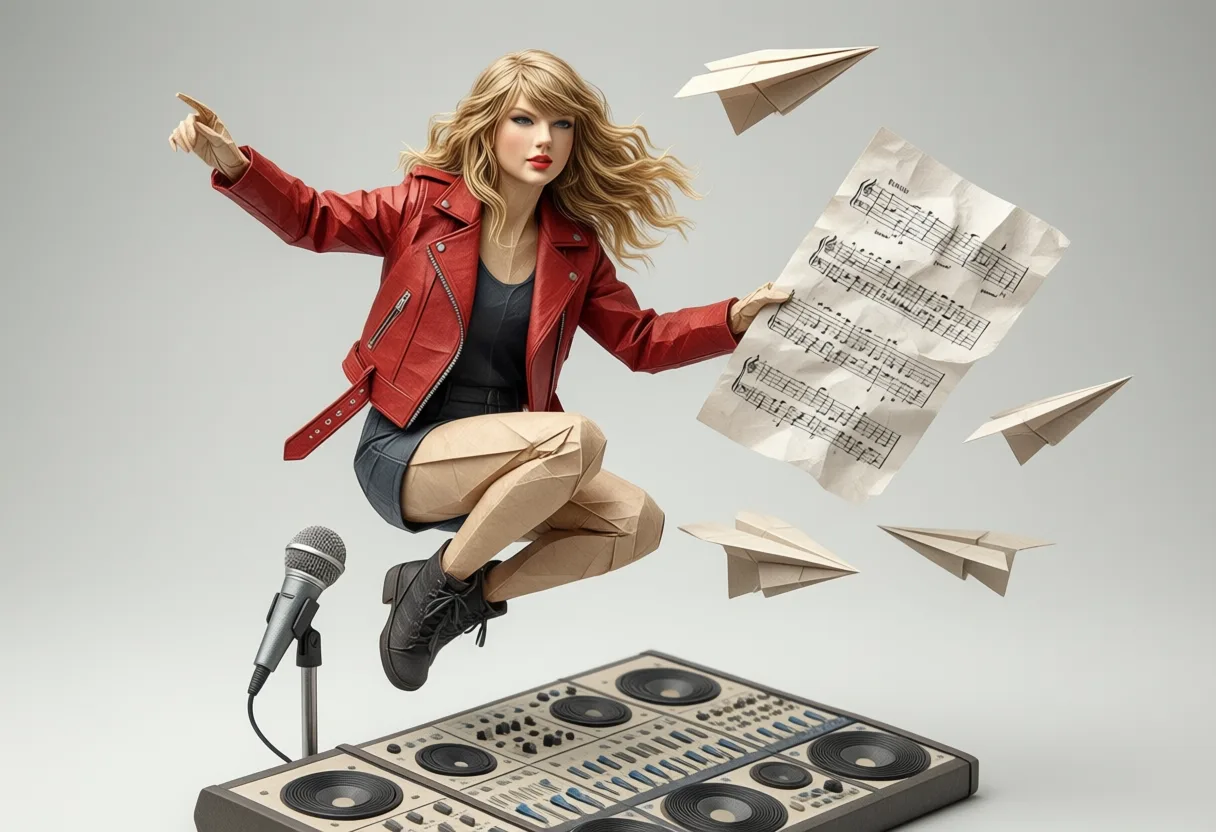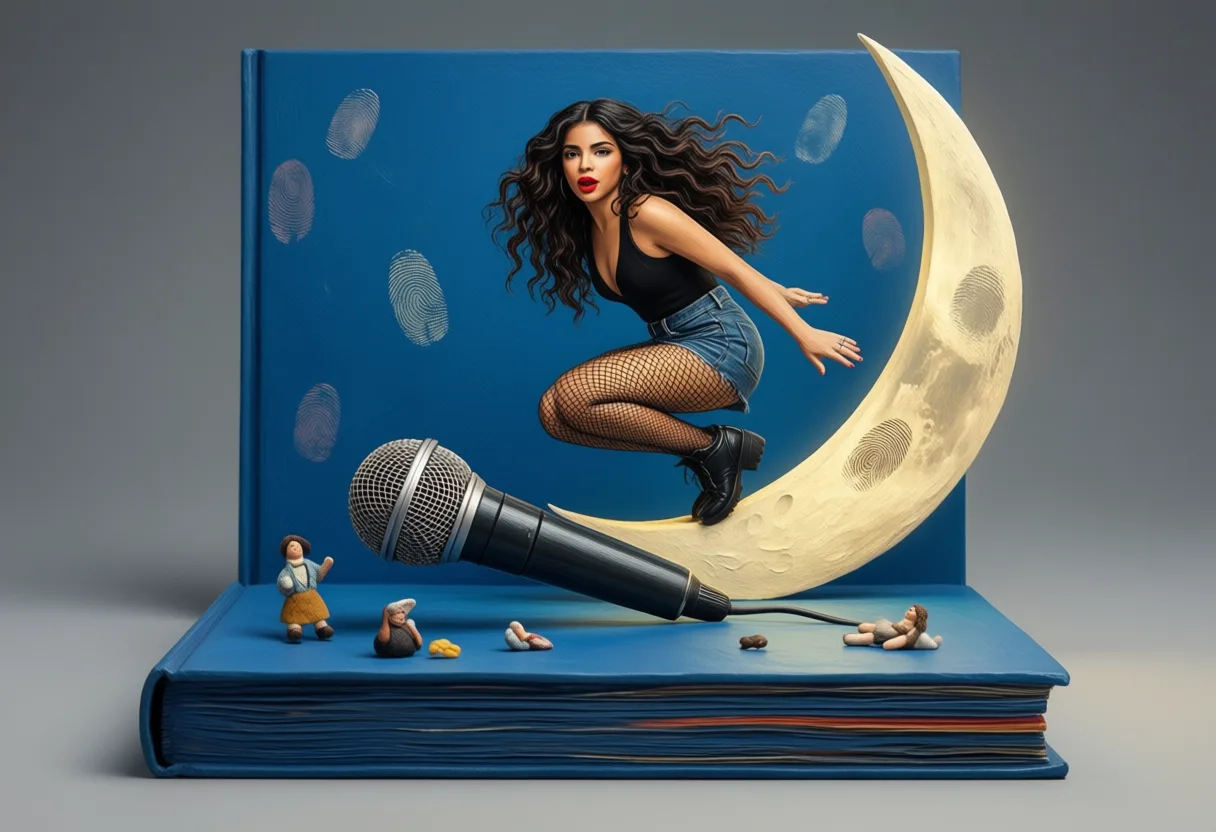
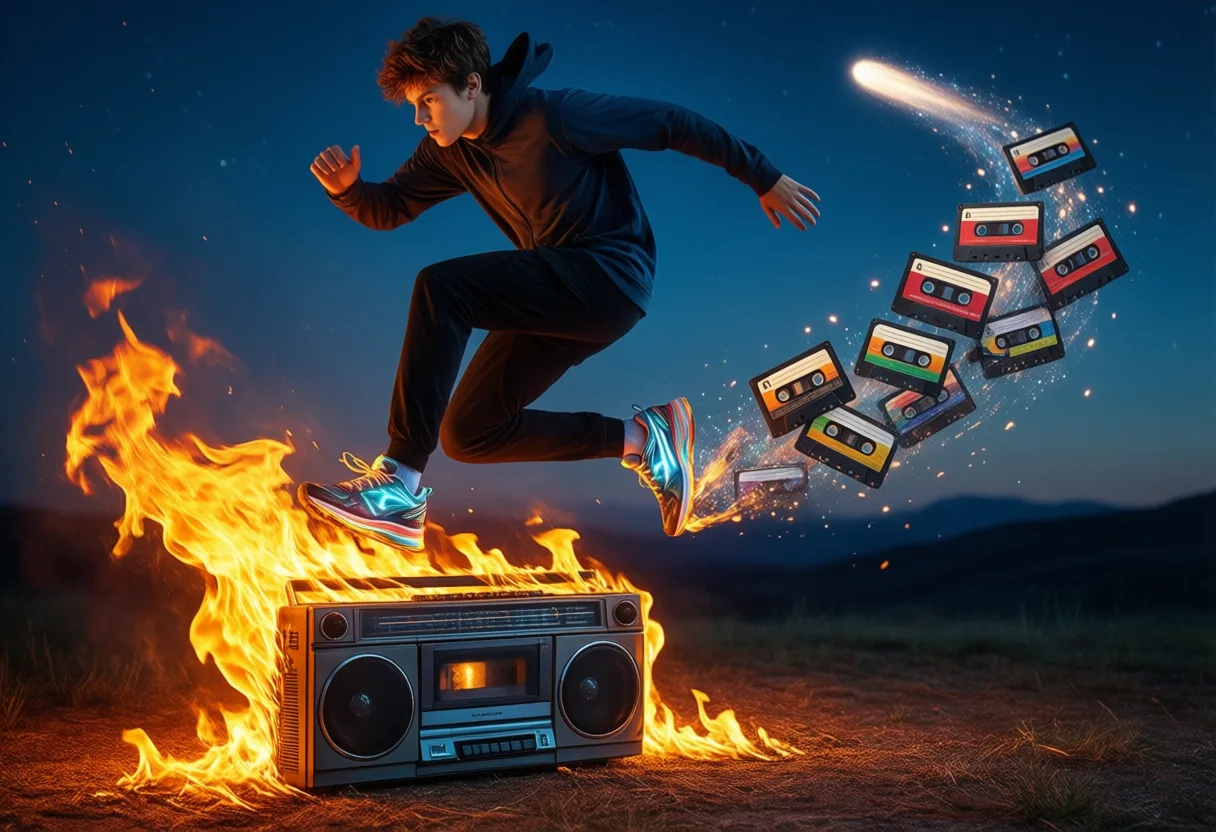
You know that feeling when a song hits you like a burst of neon at 2 a.m.-not just loud, but Alive? “Blinded By the Light” crackles with that energy, a runaway train of words and wonder that’s been misunderstood, misheard, and massively loved since the '70s.
It’s not just a catchy chorus or a drum fill that lingers-it’s the pulse beneath the noise. This Song, more than most, carries the electric ache of growing up, the kind that makes you want to scream into the night and believe, just for a second, that you’re invincible.
What Sparks the Fire in “Blinded by the Light”?
At first listen, “Blinded by the Light” feels like a whirlwind-Lyrics Tumbling over each other like a kid racing down a hill on a bike with no brakes. But that chaos? It’s intentional. The song was written by Bruce Springsteen and first appeared on his 1973 debut album Greetings from Asbury Park, N.J. It wasn’t an instant hit, but when Manfred Mann’s Earth Band covered it in 1976, the world finally leaned in to listen.
What they heard was more than a rock anthem. It was a portrait of Youth In motion-messy, hopeful, and hungry for something just out of reach. The lyrics are packed with the invincibility of youth, the kind of belief that anything is possible if you just keep moving.
And move it does. The song’s rapid tempo, driving beat, and poetic rush aren’t just stylistic choices-they’re emotional signals. This isn’t a song about standing still. It’s about running, stumbling, laughing, and getting back up again, all under the flicker of streetlights and cheap neon.
The Myth of the Misheard Lyric
Let’s get one thing straight: no, it’s not “wrapped up like a douche.” Yes, the internet had a field day with that one. But the actual line-“revved up like a deuce”-refers to a souped-up 1932 Ford coupe, a symbol of Freedom And rebellion on the open road. That mishearing, though, says something deeper about how we connect to music.
We project our own stories onto songs. Some hear partying and pills-pupils dilated, nights stretched too long. Others hear a spiritual awakening, a moment of clarity. But the truth, as messy as a basement show, is that it’s probably all of it at once.
Bruce Springsteen, even early on, had a gift for layering meaning. His lyrics weren’t just narratives-they were collages of feeling, memory, and myth. The “runner” in the song might be chasing a high, or chasing a dream, or just chasing the next town over. The beauty is in the blur.
A Closer Look at Youthful Abandon in the Verses
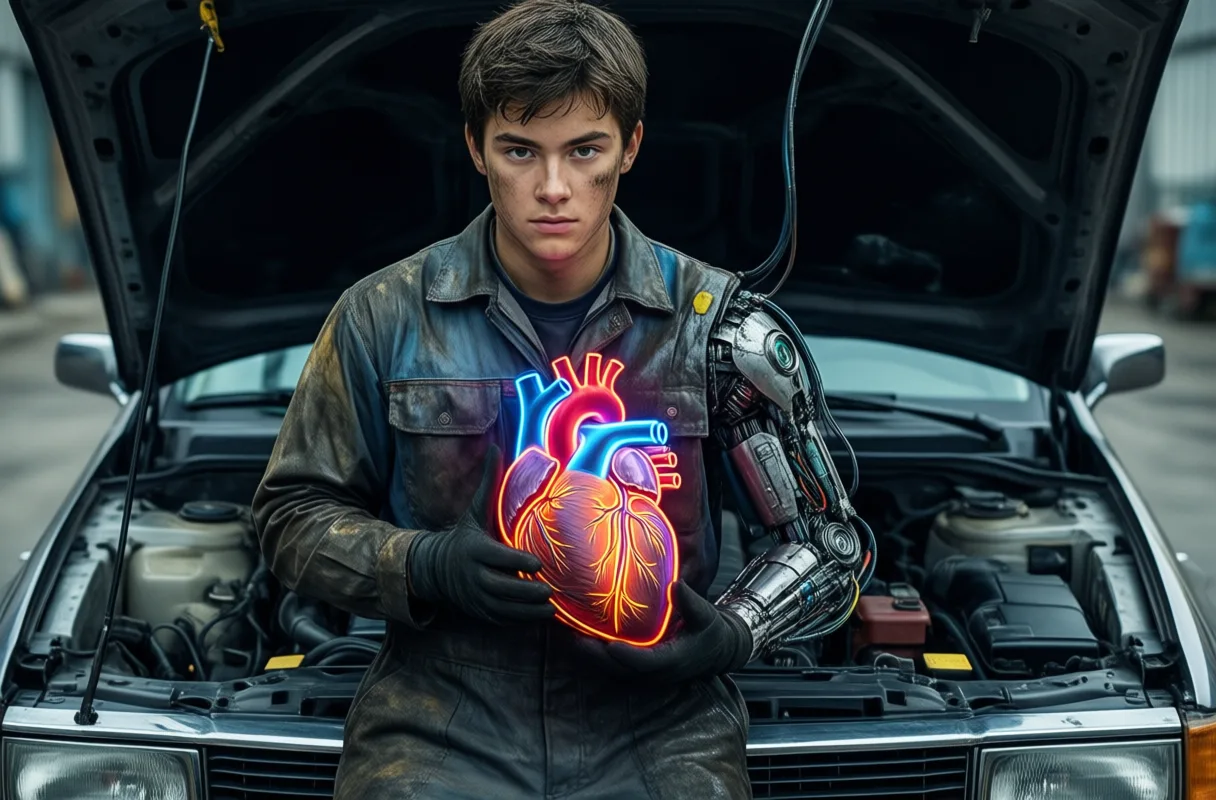
Listen closely, and you’ll hear a young man testing his voice against the world. The verses sprint forward with a beat-poet rhythm, words piling up like graffiti on a midnight wall. This isn’t polished storytelling-it’s raw, urgent, and alive with possibility.
There’s a boy here who believes he can outrun his doubts, his town, even time itself. He’s “cut loose like a deuce,” not just driving fast but Feeling Fast-heart pounding, mind racing, chasing a light he can’t quite name. That light? It could be love, escape, fame, or just the next song on the radio.
Youth isn’t just a phase in this song-it’s a force. It’s the belief that tonight might change everything. That one conversation, one kiss, one highway could rewrite your life. And even when the engine sputters, the feeling lingers.
How Bruce Springsteen Captured a Generation’s Pulse
Springsteen wasn’t just writing for himself-he was writing for the kid working the night shift, the girl saving tips for a bus ticket, the guy who keeps his guitar in the backseat like a loaded gun. His debut album, Greetings from Asbury Park, was a love letter to those on the edge of breaking through-or breaking down.
In “Blinded by the Light,” he channels the restless energy of youth with a poet’s eye and a drummer’s heartbeat. The rapid-fire, beat-poet-style lyrics are a tribute to Springsteen’s own youth, a time when every night felt like a last chance and every streetlight looked like a spotlight.
He didn’t smooth the edges. He let the words trip, stumble, and soar-because that’s how growing up feels. Not neat. Not tidy. But Real. And in that honesty, he gave a generation permission to feel everything at once.

The Hidden Pulse of Hope Beneath the Chaos
Sure, there’s chaos in the lyrics-images of fire, speed, and near-misses. But beneath it all, there’s a quiet, steady glow: hope. Not the saccharine kind, but the gritty, stubborn kind that says, I’m still here. I’m still trying.
The song doesn’t promise salvation. It doesn’t say the runner wins. But it does say the run matters. That belief-however foolish-can be its own reward. That getting “blinded by the light” isn’t a warning, but an invitation.
Maybe that’s why the song endures. It doesn’t preach. It doesn’t coddle. It just Moves, dragging you along like a friend yelling, “Come on-let’s see what’s out there!”
Why the Song Resonates Beyond Its Era
Decades pass. Trends fade. But “Blinded by the Light” keeps finding new ears. Why? Because it’s not really about the '70s, or cars, or even rock and roll. It’s about that moment when you realize you’re no longer a kid-but not yet an adult-and the world feels both too big and too small.
Every generation has its version of that runner. The lyrics, dense and dreamlike, leave room for your own story. Are you chasing love? Freedom? Yourself? The song doesn’t judge. It just keeps playing.
And in a world of algorithms and filters, there’s something radical about a song that refuses to be simple. That demands you lean in. That rewards repeat listens. That feels, somehow, like it was written just for you.
Decoding the Beat-Poet Rhythm and Its Emotional Drive
The rhythm of “Blinded by the Light” isn’t just fast-it’s Frenetic, like a typewriter on speed. Springsteen’s early style borrowed from beat poetry, where words weren’t just sung but Spat, Shouted, Whispered Into the void. Each line builds on the last, creating a momentum that’s hard to resist.
This isn’t passive listening. It’s participation. You have to keep up. You have to Feel The syllables pile up like laundry on a Monday morning-messy, overwhelming, but somehow necessary.
The emotional drive comes from that urgency. It’s not just about what’s being said-it’s about How fast It’s being said. As if the singer knows the moment won’t last, and he has to squeeze every drop of meaning into three minutes and forty seconds.
More Than a Party Anthem: The Search for Meaning
Don’t let the energy fool you. This isn’t just a song for blasting with the windows down. Beneath the surface, there’s a search-a quiet, desperate search for something real.
Some hear a cautionary tale about partying too hard, about the cost of chasing highs. Others hear a spiritual awakening, a moment of clarity in the chaos. The truth is, the song holds both. It’s a mirror. You see what you bring to it.
But What remains constant Is the yearning. The desire to be seen, to be known, to be More Than you were yesterday. That’s not a party-it’s a pilgrimage.
The Enduring Glow of a Song About Growing Up
“Blinded by the Light” doesn’t end with answers. It ends with motion. With light. With the sense that maybe, just maybe, the next turn holds everything you’ve been looking for.
It’s a song about growing up-not the clean version, but the real one. The kind with skinned knees, bad decisions, and moments of pure, unfiltered joy. It’s about believing in something, even when you can’t explain it.
And that’s why it still glows. Not because it’s perfect. But because it’s alive. Because it remembers what it’s like to be young, scared, and absolutely certain that tonight, Tonight, everything changes.
A Song Born in Jersey, Reborn in Britain
Bruce Springsteen wrote “Blinded by the Light” as a snapshot of his younger years, packing the lyrics with the raw energy and wide-eyed optimism of youth. The rapid-fire verses, almost like beat poetry, reflect his early style-jamming vivid images and streetwise observations into a whirlwind of words. When Manfred Mann’s Earth Band covered it in 1976, they transformed the song with a synth-driven sound that helped it climb to number one on the Billboard Hot 100, making it the only Springsteen-penned track to top that chart.
Misheard Lyrics That Became Legendary
One of the most famous quirks of the song is how often its lyrics get misheard-especially the line “revved up like a deuce,” which many swear is “wrapped up like a douche.” This particular mishearing became so widespread it turned into a Pop culture Punchline, even catching Springsteen’s attention. He’s reportedly joked about it over the years, acknowledging how the garbled delivery in Manfred Mann’s version turned a reference to a souped-up car into something else entirely in listeners’ ears.
More Than Just a Party Anthem
While some interpret the lyrics as being about wild nights and drug use-pointing to “blinded by the light” as describing dilated pupils and “runner” as someone up all night-Springsteen’s original intent leans more toward youthful rebellion and chasing dreams. The song paints a picture of someone on the move, trying to outrun boredom and find meaning. It’s less about the specifics of partying and more about that electric feeling when you believe the future is wide open, no matter the obstacles. Explore more stories, videos, and creators on Loaded.
Frequently Asked Questions
Who wrote 'Blinded by the Light'?
Bruce Springsteen wrote 'Blinded by the Light.' It appeared on his 1973 debut album Greetings from Asbury Park, N.J.
What does 'revved up like a deuce' mean in the song?
'Revved up like a deuce' refers to a souped-up 1932 Ford coupe, symbolizing freedom and rebellion on the open road.
Why is 'Blinded by the Light' often misheard?
The rapid tempo and garbled delivery in Manfred Mann’s version led to widespread mishearing, especially 'revved up like a deuce' as 'wrapped up like a douche.'
What is the main theme of 'Blinded by the Light'?
The song explores youthful energy, hope, and the restless search for meaning, capturing the messy, urgent feeling of growing up.
This article was produced with AI assistance. How Motion Picture Magazine uses AI.
Rowan explores how streaming platforms shape viewing habits and global storytelling, blending data with cultural insight. They focus on the rise of niche genres, international hits, and the evolving relationship between audiences and algorithms.