
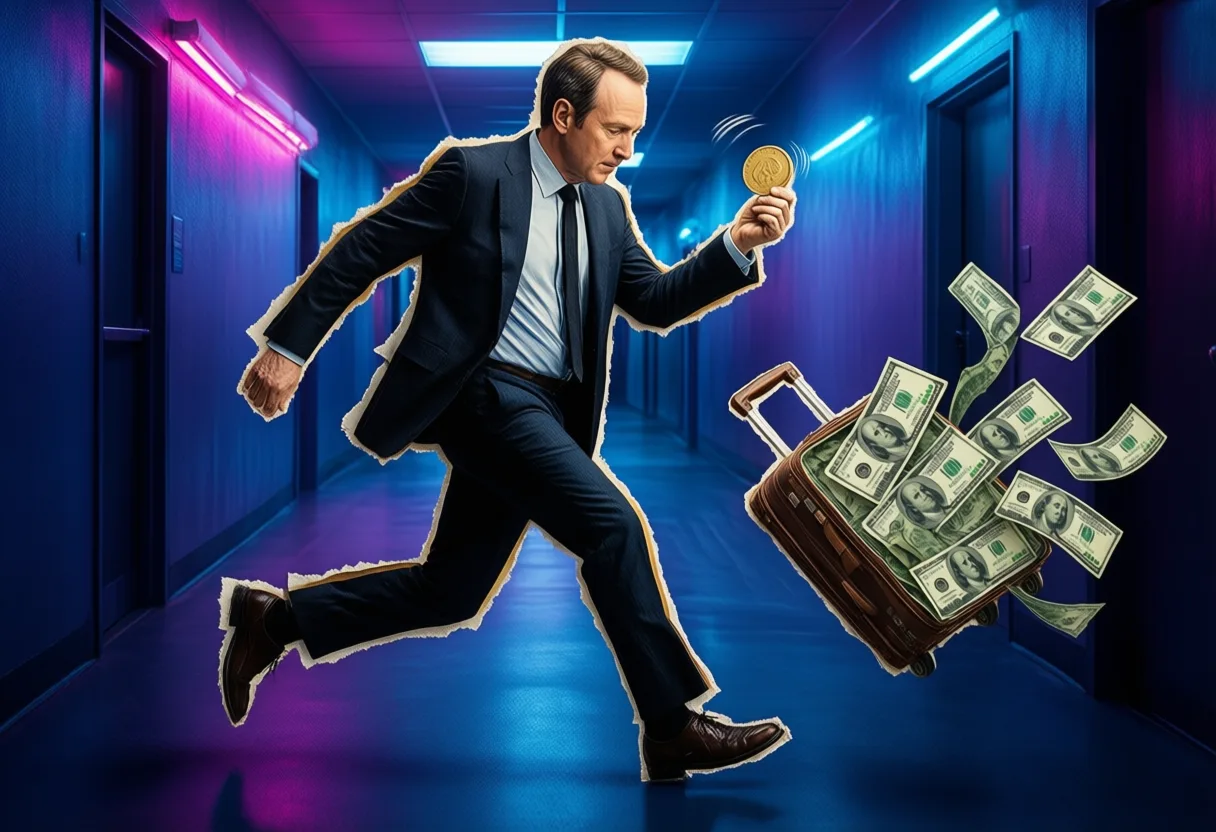
You know that moment when a character feels so real, you half-expect to run into them at a gas station in Albuquerque? Better Call Saul Didn’t just cast actors-it assembled a constellation of talent whose performances blurred the line between fiction and fate. What started as a prequel curiosity became a slow-burn masterpiece, built not on flash, but on the quiet power of perfectly chosen faces, voices, and silences.
From Bob Odenkirk’s transformation from bumbling underdog to slick-talking shyster, to Rhea Seehorn’s quietly devastating portrayal of Kim Wexler, every role was a puzzle piece clicked into place with near-surgical precision. And if you’ve ever wondered how such nuanced performances came together, you’re not alone-fans still uncover Their most Memorable Moments Years after the finale.

The Heart and Hustle: Breaking Down the Core Ensemble
At the center of it all stands Bob Odenkirk as Jimmy McGill-later known as Saul Goodman, and eventually Gene Takavic. He’s not your typical antihero draped in moral ambiguity; he’s a man shaped by rejection, longing, and the siren song of being seen. Odenkirk brings a rare duality: equal parts charm and desperation, like a magician who knows the trick but still believes in the magic. His journey from sidewalk lawyer to courtroom con artist isn’t just plotted-it’s etched into every furrow of his brow and shift in his posture.
Rhea Seehorn’s Kim Wexler is the show’s Quiet earthquake. On paper, she’s Jimmy’s partner and love interest. In reality, she’s the moral compass that slowly spins off its axis. Seehorn plays Kim with such grounded intelligence that her descent feels less like a fall and more like a slow drift into fog-inevitable, heartbreaking, and utterly real. Her presence elevates every scene, even when she’s saying nothing at all.
Then there’s Jonathan Banks, reprising his Breaking Bad Role as Mike Ehrmantraut. If Jimmy is the heart and Kim the soul, Mike is the spine-stoic, calculating, burdened by choices he can’t outrun. His silence speaks volumes, and his loyalty comes with a cost written in blood. You don’t watch Mike; you Respect Him, even when you know he’s walking a dark path.
The Supporting Players Who Stole the Spotlight
It’s rare for a supporting cast to feel essential, but Better Call Saul Treats every role like a lead. Patrick Fabian’s Howard Hamlin could’ve been a caricature-the polished, privileged rival-but instead becomes a tragic figure caught between integrity and image. His downfall isn’t sudden; it’s a slow unraveling that makes you ache for the man he tried to be.
Michael Mando Brings raw volatility to Nacho Varga, a character caught between two worlds: family loyalty and survival in a cartel-driven underworld. His performance is electric, layered with fear, pride, and a hunger for freedom that makes his fate all the more devastating. You root for him not because he’s good, but because he’s Trying To be.
And then there’s Tony Dalton as Lalo Salamanca-a late arrival who instantly became a fan favorite. Charming, soft-spoken, and utterly terrifying, Lalo moves through scenes like a velvet-covered blade. His presence shifts the entire temperature of the show, proving that sometimes, the most dangerous people wear the calmest smiles.

Behind the Scenes: How the Casting Came Together
Casting Better Call Saul Wasn’t about finding lookalikes or replicating past success-it was about finding actors who could live in the silence between words. Bob Odenkirk, best known for comedy, was a bold choice, but his dramatic range silenced any doubts. His chemistry with Rhea Seehorn wasn’t manufactured; it felt lived-in, like they’d known each other for years.
Jonathan Banks was already a known entity from Breaking Bad, but the prequel allowed him to explore Mike’s grief, regrets, and quiet dignity in ways the original series only hinted at. His casting was less a decision and more a homecoming.
Newcomers like Michael McKean as Chuck McGill brought gravitas and tension, anchoring Jimmy’s backstory with a performance that was both cold and deeply human. Ed Begley Jr. As Cliff Main and Tina Parker as Francesca Liddy added texture to the world, reminding us that even the smallest roles contribute to the larger tapestry.
In the end, the casting wasn’t just about who played whom-it was about who could carry the weight of a story that unfolded like a slow leak, not a sudden burst. These actors didn’t just fill roles-they became them, one quiet moment at a time.
The Faces Behind the Franchise
A Lawyer’s Many Names, One Perfect Fit
Bob Odenkirk wasn’t just cast as Jimmy McGill-he essentially grew into the role over years of subtle development. Though best known for comedy before Better Call Saul, Odenkirk proved he could carry a dramatic antihero with layers of charm, insecurity, and ambition. His portrayal spans three identities-Jimmy McGill, Saul Goodman, and Gene Takavic-making him the only actor to fully embody all stages of the character across both Breaking Bad And its prequel. It’s rare for a lead to maintain such consistent presence, but Odenkirk appeared in all 63 episodes, anchoring the entire series.
From Fan Favorite to Central Player
Rhea Seehorn’s Kim Wexler started with limited screen time expected, but her performance quickly reshaped the show’s direction. Originally not intended to be as central, the writers expanded her arc due to how powerfully Seehorn balanced intelligence, empathy, and quiet moral unraveling. Jonathan Banks, reprising Mike Ehrmantraut from Breaking Bad, was another key link to the earlier series, bringing his trademark stoicism and depth. Interestingly, Michael Mando’s intense take on Nacho Varga also exceeded early expectations-what began as a supporting role evolved into one of the show’s most compelling tragic figures.
Hidden Threads and Familiar Faces
Some casting choices created unexpected echoes across the Breaking Bad Universe. Giancarlo Esposito Returned as Gus Fring, calm and chilling as ever, while Mark Margolis reappeared as Hector Salamanca, communicating mostly through glares and a ringing bell. Tony Dalton joined later as Lalo Salamanca, instantly becoming a fan favorite with his unpredictable charm and menace. Meanwhile, veteran actors like Michael McKean (Chuck McGill) and Patrick Fabian (Howard Hamlin) delivered performances that turned legal rivals into emotionally rich characters. Even smaller roles, like Ed Begley Jr. As HHM’s straight-laced Clifford Main, added texture through perfectly timed deliveries and corporate dryness.
Frequently Asked Questions
Who plays Jimmy McGill, Saul Goodman, and Gene Takavic in Better Call Saul?
Bob Odenkirk portrays Jimmy McGill, who later becomes Saul Goodman and eventually Gene Takavic. He is the only actor to embody all three identities of the character across both Better Call Saul and Breaking Bad.
How did Rhea Seehorn's role as Kim Wexler evolve during the series?
Kim Wexler was initially intended to have limited screen time, but Rhea Seehorn’s powerful performance led writers to expand her arc. She became a central figure whose moral unraveling shaped the show’s direction.
Which actors reprise their roles from Breaking Bad in Better Call Saul?
Jonathan Banks returns as Mike Ehrmantraut, Giancarlo Esposito as Gus Fring, and Mark Margolis as Hector Salamanca. Their performances bridge the two series and deepen the characters’ backstories.
Why is Michael Mando’s portrayal of Nacho Varga significant?
Michael Mando’s intense performance turned Nacho Varga into one of the show’s most compelling tragic figures. His struggle between family loyalty and survival in the cartel world resonated deeply with audiences.

This article was produced with AI assistance. How Motion Picture Magazine uses AI.
Rowan explores how streaming platforms shape viewing habits and global storytelling, blending data with cultural insight. They focus on the rise of niche genres, international hits, and the evolving relationship between audiences and algorithms.