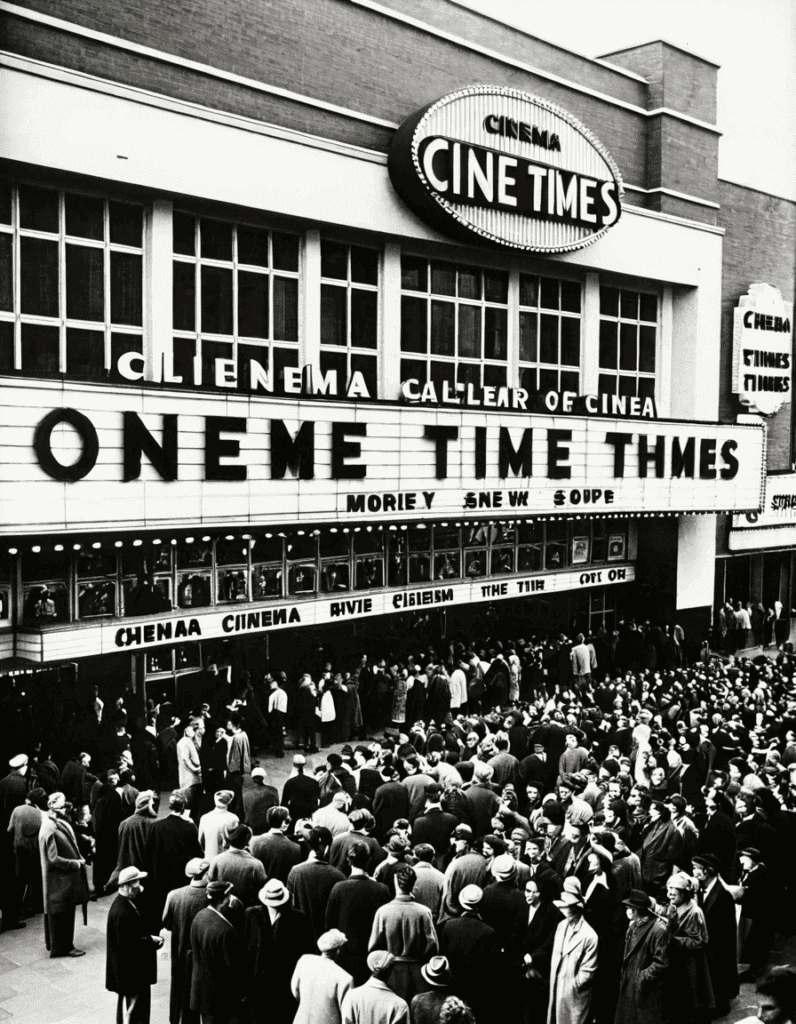

Queen Victoria didn’t just rule an empire-she became a symbol. Her name echoes not because she lived long, but because she lived large, in a world shifting beneath her feet like tectonic plates under silk skirts. Now, streaming shows about Queen Victoria let us peek behind the crown, blending candlelit corridors with the click of Modern storytelling.
We’re not just watching History-we’re feeling it. The gaslight flicker, the weight of a coronet, the whisper of a decision that could ripple across continents. These series don’t just dress up the past; they breathe into it, letting us walk beside a woman who shaped an age while being shaped by it.
Welcome to the reign reborn-less textbook, more heartbeat.
A Regal Reimagining: How Period Dramas Capture Victoria’s Reign
Period dramas Have always been time machines in disguise. With every creak of a carriage wheel and rustle of a crinoline, they pull us backward-not just to see how people lived, but how they Felt. Queen Victoria’s era, long and layered, offers fertile ground: industrial upheaval, imperial ambition, and one woman’s navigation of power in a man’s world.
These shows don’t aim for museum-piece perfection. Instead, they use emotional truth as their compass. Was every conversation between Victoria and Albert captured in a diary? No. But the push and pull of love, duty, and exhaustion? That feels real. The best reimaginings balance historical texture with human intimacy.
They remind us that history isn’t carved in stone-it’s written in ink, memory, and sometimes, creative license. The goal isn’t to replicate a textbook, but to make the past Matter-to make us care about a woman who once decided the fate of nations from a writing desk in Windsor.
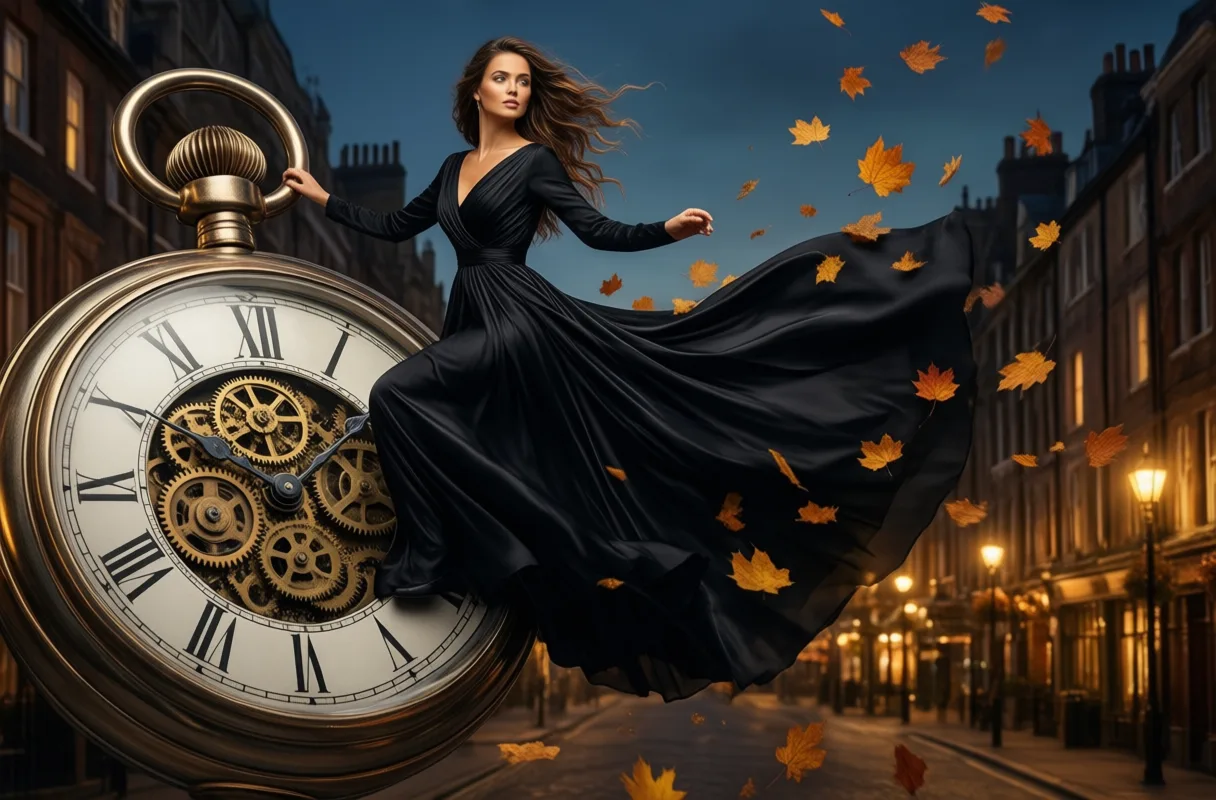
Seven Series That Illuminate the Victorian Age
These streaming stories do more than entertain-they illuminate. Each one shines a different light on the 19th century, from palace chambers to factory floors. Together, they form a mosaic of an era defined by contradiction: progress and poverty, empire and empathy, control and vulnerability.
You don’t need a history degree to get pulled in. You just need curiosity-and maybe a soft spot for corsets and court intrigue. These shows deliver drama with depth, letting us see Victoria not as a statue, but as a woman learning to lead.
Let’s step into the drawing rooms, the war rooms, and the bedrooms where history quietly unfolded.
1. A Sovereign’s Early Years: Court Intrigue and Coming-of-Age
Victoria’s youth was anything but carefree. Thrust onto the throne at 18, she faced a court full of advisors who saw her as a pawn, not a queen. The best shows capture this tension-the moment she realizes her smile can disarm, her silence can threaten.
Her early reign was a chess game played in ballrooms and breakfast parlors. The influence of her mother, the scheming around her regency, the constant pressure to marry-these weren’t just personal struggles. They were political minefields.
You can feel her growing into her power, episode by episode. One moment she’s being lectured by a lord; the next, she’s issuing a command that silences the room. It’s a masterclass in quiet authority-and a reminder that leadership often begins with simply refusing to be ignored.
2. Love and Duty: The Royal Marriage That Changed the Monarchy
Few royal romances have been portrayed with as much warmth-or weight-as Victoria and Albert’s. Their marriage wasn’t just a love story; it was a partnership that reshaped the monarchy’s role in public life. On screen, their bond feels lived-in, tender, and occasionally tense.
They argue over politics, over parenting, over protocol. Yet through it all, there’s a sense of mutual respect that feels rare-even today. Albert wasn’t just a consort; he was a collaborator, an innovator, and, in many ways, Victoria’s anchor.
Their relationship humanizes the crown. When they dance, it’s not for show-it’s because they Want To. And when Albert falls ill, the emotional toll on Victoria isn’t just personal; it’s a seismic shift in the rhythm of the realm.
3. Grief and Isolation: Portrayals of Loss in Leadership
Grief doesn’t clock out. For Victoria, the death of Albert wasn’t just a heartbreak-it was a rupture. The shows that handle this period with care don’t rush her mourning. Instead, they sit with her in the silence, in the empty side of the bed, in the untouched study.
Her withdrawal from public life wasn’t weakness. It was the collision of private sorrow and public expectation. The tension between her need to grieve and the nation’s need for presence makes for some of the most powerful television moments.
Leaders aren’t immune to loss-they’re often buried under it. But watching Victoria slowly re-engage, not because she’s “over it,” but because duty calls, is a lesson in resilience. Some wounds don’t heal; they just learn to walk beside you.
4. Empire on Screen: Industrial Progress and Global Reach
The Victorian era wasn’t just about tea and top hats. It was the age of steam, steel, and staggering expansion. The best series don’t shy away from this-instead, they show how progress hummed through the veins of the empire, for better and worse.
Factories rise. Railways snake across the countryside. Telegraph wires carry news at lightning speed. These aren’t just background details-they’re characters in their own right, reshaping how people live, work, and connect.
But with progress came consequence. The shows that dig deeper don’t glorify empire; they question it. They show the cost of cotton, the weight of conquest, and the voices often left out of the official story. Empire wasn’t just a map painted red-it was a web of power, profit, and pain.
5. Class Divides: Life Beyond the Palace Walls
No story of Victoria’s reign is complete without the people who built it. The servants, the factory workers, the farmers, the colonized. The best series widen the lens, stepping out of Buckingham Palace and into the slums of London or the fields of India.
You see the stark contrast: lace gloves versus blistered hands, crystal chandeliers versus candle stubs in jam jars. These aren’t just set pieces-they’re reminders that history isn’t lived the same by everyone.
Some shows follow parallel stories: the queen signing a bill while a mother fights to feed her children. It’s not about guilt-it’s about truth. The Victorian age wasn’t one story. It was many, overlapping, clashing, and sometimes colliding.
6. Fashion as Narrative: Costumes That Speak Volumes
In these series, what the characters wear isn’t decoration-it’s dialogue. The evolution of Victoria’s wardrobe tells a story all its own: from bright young queen to widow in perpetual black, her clothes become a language of power and privacy.
Corsets, crinolines, bustles-each silhouette carries meaning. A tighter fit might signal control; a softer line, vulnerability. Even the fabrics speak: velvet for ceremony, wool for winter, mourning crepe that whispers loss.
Costumes ground us in time, yes-but they also reveal inner life. When Victoria sheds a formal gown for something simpler, it’s not just a costume change. It’s a quiet rebellion, a moment of self amid the spectacle.
7. The Woman Behind the Crown: Balancing Power and Privacy
At the heart of every great show about Victoria is this question: Who was she when the doors closed? The woman who ruled a quarter of the world also wrote letters, raised nine children, and kept journals for decades.
These series don’t just show her giving speeches-they show her losing her temper, laughing too loud, feeling lonely. She’s not a monument. She’s a mother, a wife, a leader, and sometimes, just a person trying to make sense of it all.
That balance-between the public figure and the private self-is something we still wrestle with today. In an age of social media and constant visibility, Victoria’s struggle feels weirdly modern. How much of yourself do you owe the world?
Beyond the Throne Room: Separating Drama from History
Let’s be clear: these shows aren’t documentaries. They take liberties-compressed timelines, invented conversations, heightened conflicts. That’s not betrayal; it’s storytelling. Drama needs tension, and history often unfolds in committee meetings and quiet decisions.
But it’s worth remembering the difference between Inspired by And Factual. The emotional arcs may feel true, but the exact words, the precise moments-they’re crafted, not captured. Victoria didn’t leave behind a Netflix-ready script.
That doesn’t make the stories less valuable. If anything, it makes them more powerful. They invite us to care, to question, to dig deeper. And if a dramatized argument with a prime minister sends you to a biography, the show has done its job.
The past is complex. Television simplifies. The magic happens when that simplification becomes a doorway, not a final answer.
Bringing the Past Into Focus: Why These Stories Resonate Today
We return to Victoria’s era not because it was simpler, but because it feels strangely familiar. A world in flux. Technology changing daily. A woman in power navigating criticism, expectation, and legacy. Sound like anything we know?
These streaming shows aren’t just about corsets and carriages. They’re about identity, resilience, and the cost of leadership. They ask: How do you lead when you’re still learning? How do you grieve in public? How do you change the system from within?
Victoria’s reign lasted 63 years. But her story endures because it’s not really about empire or etiquette. It’s about a person trying to do right by her people, her family, and herself-often all at once.
And maybe that’s why we keep coming back. Not for the history lesson, but for the reminder: even queens are human. And sometimes, that’s the most powerful thing of all.
| Aspect | Depiction in Streaming Shows |
|---|---|
| Accession to the Throne | Shown as a young, sheltered 18-year-old navigating power and court intrigue |
| Marriage to Prince Albert | Portrayed as a loving, collaborative partnership central to her reign |
| Grief after Albert’s Death | Faithfully shown through her withdrawal and lifelong mourning in black |
| Fashion Influence | Highlights her popularization of the white wedding dress and symbolic wardrobe |
| Reign Duration and Legacy | Emphasizes her 63-year rule, the longest of any British monarch at the time |
| Personal Traits | Reveals her love for dancing and conversation, contrasting her widow image |
| Empire and Innovation | Weaves in industrial progress, global reach, and events like the 1851 Great Exhibition |
A Glimpse Behind the Crown
More Than Just a Monarch on Screen
Streaming shows about Queen Victoria don’t just dramatize royal life-they often highlight how young she was when she took the throne. She became queen at just 18, and many series emphasize her journey from a sheltered teenager to a powerful ruler, showing her early struggles with advisors and the weight of empire. Viewers might be surprised to learn Victoria kept a detailed diary for most of her life, writing in German shorthand, and that some of her entries influenced how modern portrayals depict her personal voice and emotions.
Fashion, Family, and Hidden Habits
Victoria popularized the white wedding dress when she married Prince Albert in 1840, a trend that streaming dramas often recreate with stunning accuracy in their costume design. Her deep love for Albert is a central theme in many series, reflecting their real-life devotion-he played a major role in shaping her reign until his death in 1861. After that, Victoria wore black for the rest of her life, a detail faithfully shown in shows that span her later years. Less known is her fondness for dancing and lively conversation, traits sometimes overshadowed by her later image as a grieving widow.
Empire in Every Episode
Many streaming series subtly weave in the vast reach of the British Empire during Victoria’s 63-year reign, the longest of any British monarch at the time. While focusing on palace life, they also nod to key historical moments like the Great Exhibition of 1851, which Albert helped organize and which showcased global innovation. These shows bring the era to life not just through grand events, but in small details-like the introduction of the postage stamp or early telegraph use-reminding viewers how much changed during her lifetime.
Frequently Asked Questions
How old was Queen Victoria when she became queen?
Queen Victoria became queen at 18. Many streaming shows highlight her journey from a sheltered teenager to a powerful ruler.
Did Queen Victoria really wear black for the rest of her life after Prince Albert died?
Yes, after Prince Albert's death in 1861, Queen Victoria wore black for the rest of her life. This detail is faithfully shown in series covering her later years.
What role did Prince Albert play in Queen Victoria’s reign?
Prince Albert was a collaborator and innovator who helped shape Victoria’s reign. His role is portrayed as central, especially until his death in 1861.
How do streaming shows portray life beyond the royal palace during Victoria’s reign?
The best series widen the lens to show servants, factory workers, and people in colonized regions. They highlight stark class divides and multiple perspectives on the era.
This article was produced with AI assistance. How Motion Picture Magazine uses AI.
Rowan explores how streaming platforms shape viewing habits and global storytelling, blending data with cultural insight. They focus on the rise of niche genres, international hits, and the evolving relationship between audiences and algorithms.