The 2016 film Don’t Breathe, directed by Fede Álvarez, managed to grab the attention of horror fans and casual viewers alike. With its gripping storyline and surprising twists, it carved out a unique niche in the crowded horror genre. While we all love a good jump scare, Don’t Breathe Redefines what fear can be. It takes us deep into the human psyche, showcasing desperation, moral ambiguity, and, let’s face it, even the dark humor that can sometimes come with chaos. So, grab your popcorn as we dive into the thrilling secrets behind Don’t Breathe.
## Don’t Breathe: Thrilling Secrets Behind the Chilling Film
One of the first things you’ll notice in Don’t Breathe is its clever use of sound. The film essentially plays with silence, creating an intense atmosphere that can make your heart race. By dialing back the sound, Álvarez pulls you right into the protagonist’s world, making every whisper, every creak of the floorboards, pulse with life. It’s like a suspenseful game of charades where a sneeze could give you away.
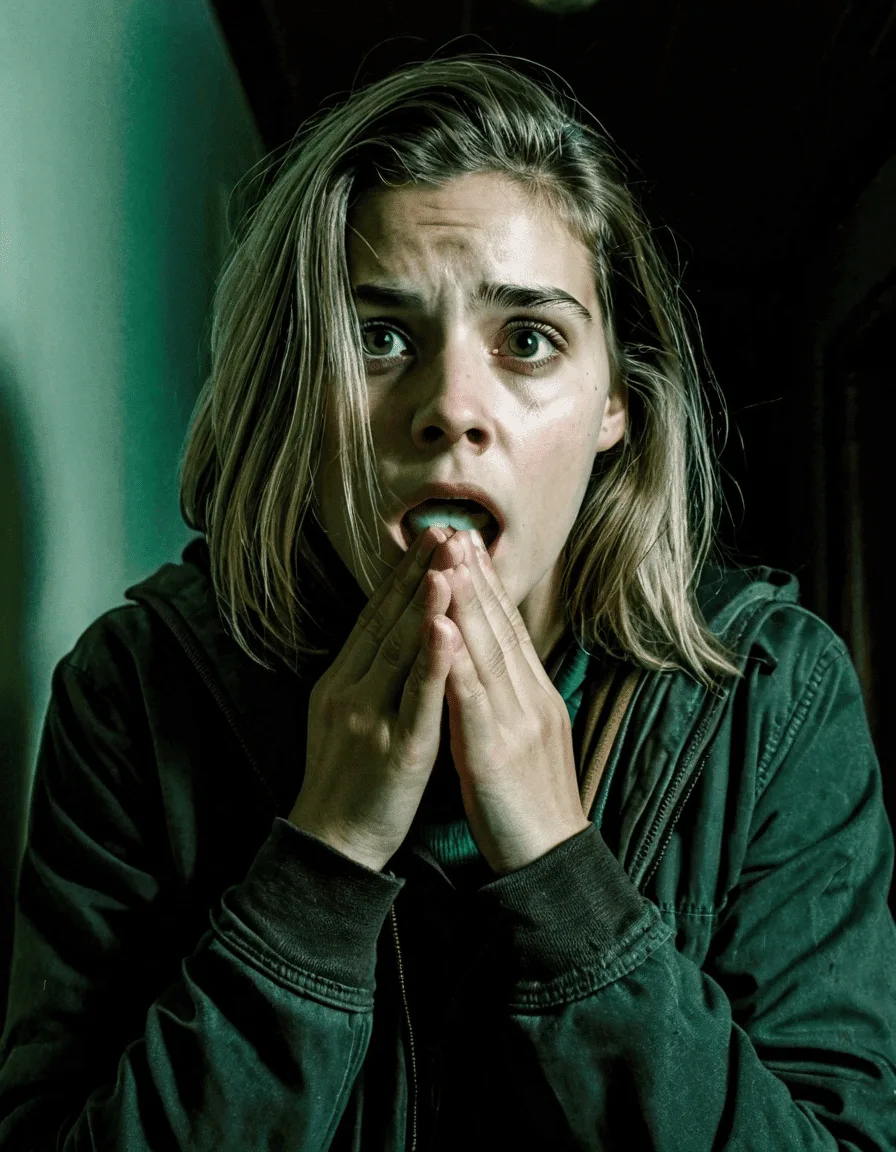
Forget those cookie-cutter characters you might expect in a horror flick; Don’t Breathe brings them to life in surprising ways. Rocky, played brilliantly by Jane Levy, goes from petty thief to someone you genuinely root for. And then there’s Norman Nordstrom, played by Stephen Lang, who defies the typical villain mold. His backstory pulls at your heartstrings—it’s hard not to feel conflicted about him, which really blurs the lines of morality.
At its core, Don’t Breathe isn’t just a rollercoaster of scares; it also reflects on real-world struggles. Rocky and her crew are caught up in economic despair, desperately trying to escape their situations. While robbing a blind man may seem villainous, the film asks you to consider what drives people to such lengths. It’s a mirror held up to society’s issues, making it as much about survival as it is about horror. If you’ve ever daydreamed about dangling your toes in the waters of Mississippi Beaches to escape reality, you might relate to their desperation.
Don’t Breathe takes your favorite horror tropes and spins them on their heads. Who would’ve thought that standing still—a classic piece of advice in horror—could lead to disaster? The film keeps you guessing, making conventional wisdom seem like a trap rather than a safeguard. If you’ve ever watched a horror movie and yelled, “Don’t move!” At the screen, you’ll appreciate how this film flips that on its head.
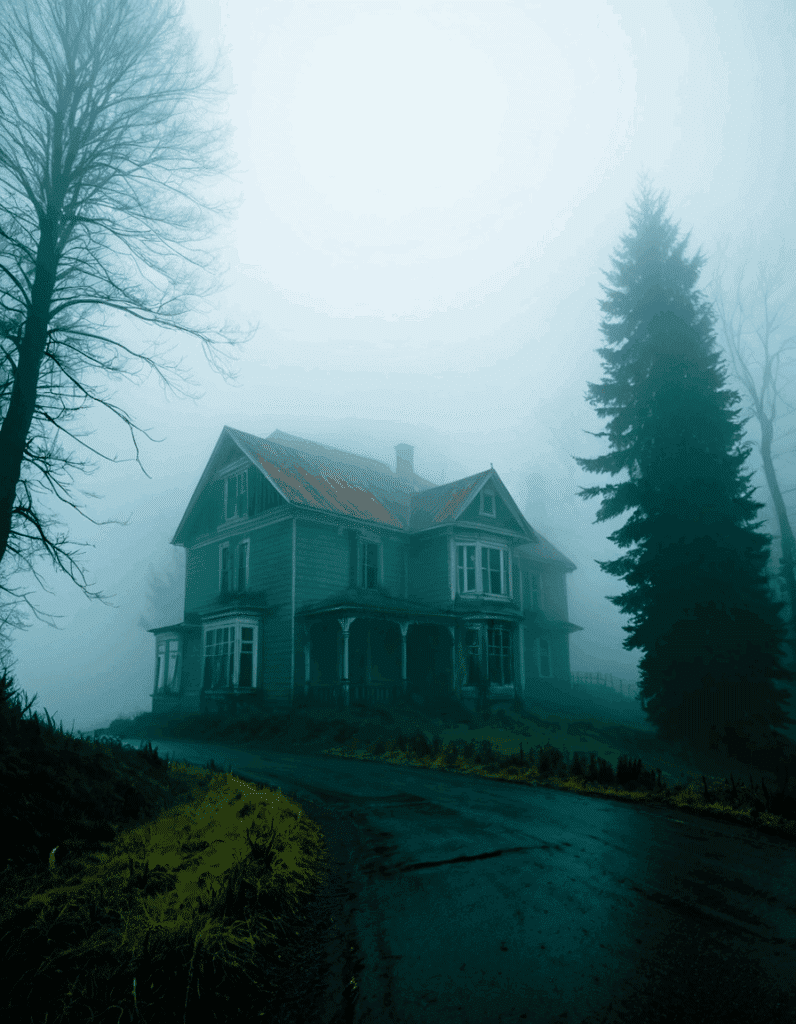
The house where this terrifying game unfolds acts like another character in the film. With its dark shadows and tight corners, it’s not just a setting; it enhances the emotional turmoil of the characters. The visuals aren’t just pretty pictures—they’re laden with meaning. The darkness represents isolation, fear, and the characters’ personal battles. It’s like a stage where each creak of the floor echoes their struggles.
The way Don’t Breathe was marketed changed the game for horror flicks. Utilizing immersive experiences, the promotion had audiences intrigued long before they set foot in the theater. The use of cutting-edge virtual reality trailers made it feel like you were stepping into the eerie world of the film. This sort of forward-thinking marketing gets you invested even before the first frame rolls, setting a high bar for upcoming films.
The story draws upon very real fears—home invasions and break-ins make for relatable horror. It taps into primal fears we can all identify with, heightening the tension on screen. The authenticity behind the plot makes the horror all the more palpable, as it forces you to think about your own safety. It’s a chilling reminder of how real-life scenarios can sometimes be scarier than the monsters we imagine.
How Don’t Breathe Intersects with Other Films: A Comparative Analysis
While Don’t Breathe Holds its own, placing it against other notable films brings its brilliance into sharper focus. Take Don’t Worry Darling, for example. Both films tackle confinement and delve into the psyche of their characters, albeit through different lenses. Each one uses horror as a backdrop to explore deeper issues, whether that’s emotional turmoil or societal constraints. They both remind us that sometimes, the biggest battles occur inside our heads.
Films like I’m Still Here Evoke the same swirling themes of identity and survival. Though the plots differ significantly, the way both pieces tackle personal struggles gives them a kindred spirit. If you’ve ever found yourself rooting for a character battling their inner demons, you’ll understand the resonance of these narratives.
Now, compare Don’t Breathe To the energetic buzz of Don’t Move. While both films ride the line of suspense and action, they differ in execution. In one, staying still is a deadly mistake; in the other, it’s a means of survival. Each interpretation teaches us that actions have consequences, adding layers to the thrilling experience.
Embracing the Paranoia: The Legacy of Don’t Breathe
As we wade further into an increasingly paranoid landscape, the legacy of Don’t Breathe Will likely linger on. The film showcases both psychological depth and innovative cinematography, reshaping how we think about horror. It invites us to ponder what terrifies us while reflecting on the moral dilemmas that arise in desperate times.
Simply put, this film proves that horror can serve as a vessel for deeper conversation. It goes beyond mere frights. So, the next time you find yourself peering into the dark corners of your room—perhaps wondering if you closed the door—think of Don’t Breathe. This film reminds us that, sometimes, the scariest demons lurk within ourselves.
In conclusion, Don’t Breathe Stands as a testament to the enduring power of horror as a narrative art form. Its chilling secrets and thematic depth resonate far beyond the screen. So, whether you’re reminiscing about Don’t Breathe Or gearing up for films like The Handmaid’s Tale Season 6, keep in mind that sometimes what remains unspoken is far more sinister than what we see. Now, don’t be a menace—go ahead and stream it if you haven’t already!
Don’t Breathe: Thrilling Secrets Behind the Chilling Film
Behind the Scenes Insights
When diving into the chilling murk of Don’t Breathe, it’s hard to ignore how its setting adds to the suspense. Shot in a dusty, eerie Detroit neighborhood, the film showcases the gritty reality woven into its storyline. The backdrop serves as a haunting reminder of urban decay, which is pivotal for creating the film’s intense atmosphere. Interestingly, the production team also used practical effects extensively, allowing the actors to immerse fully in their roles without overwhelming CGI. This approach echoes the unconventional yet captivating storytelling style seen in other successful franchises, like Bosch, where realism plays a huge part.
Box Office Success and Cultural Impact
Notably, Don’t Breathe Performed remarkably well at the box office, with totals often listed on platforms like Boxofficemojo, cementing its status as a modern horror classic. Audiences were captivated not just by the suspenseful plot but by the unique perspective of being in the mind of the antagonist. This fresh viewpoint reminds us why horror films often push boundaries, and how stories can engage spectators on multiple levels. It’s fascinating how the film navigates fear and vulnerability, tapping into primal instincts, a blend of fear that can also be felt in gripping stories like The Handmaid’s Tale Season 6.
Fun Trivia to Dive Into
On a lighter note, did you know that director Fede Álvarez drew inspiration from various sources, including the eerie yet tranquil Mississippi Beaches? These locations often serve as a setting for reflective thoughts before diving into darker themes. Additionally, there’s something quite intriguing about the film’s clever use of sound; the characters’ mute experience heightens auditory perception for the audience, making every creak and whisper feel amplified, much like how pet owners might notice unusual sounds their cats make, especially when they’re keen on Fish For Cats!
There’s a surprising amount of creativity and teamwork typically involved in making such a film come alive, much like the Human Resources That work behind the scenes on every project. So, if you’re ever in Yuma and find yourself at Harkins, or if you just finished watching, you may want to uncover more about the cleverly crafted twists and turns that elevate this thriller. Ultimately, Don’t Breathe Pulls you into its depths, leaving you gasping for more—just like the unforgettable moments in Guilty Gear Characters Intricate narratives.
This article was produced with AI assistance. How Motion Picture Magazine uses AI.
Motion Picture Magazine writes for Motion Picture Magazine — movies, celebrity gossip, entertainment news, style and best shows.