Ask any fan of gritty American television drama who plays a morally slippery Southern man better than anyone else working today, and the answer comes quick: Walton Goggins. Not because he shouts it from billboards-because he doesn’t-but because once you’ve seen him snarl through a lie or whisper a truth laced with menace, you don’t forget it. He’s the kind of actor who makes character names-Shane Vendrell, Boyd Crowder-sound like curses and poetry in the same breath.
Hollywood rarely hands stardom to those who prefer shadows over spotlights, But Goggins Has never seemed particularly interested in chasing fame. Instead, he builds performances like trap doors: inviting you in, then dropping you into something darker, stranger, and unforgettable. And while his career spans over two decades, two roles remain defining: one that launched him into the spotlight, the other that reminded us he’d never really left.
From Cop to Outlaw: The Duality of Goggins on Screen
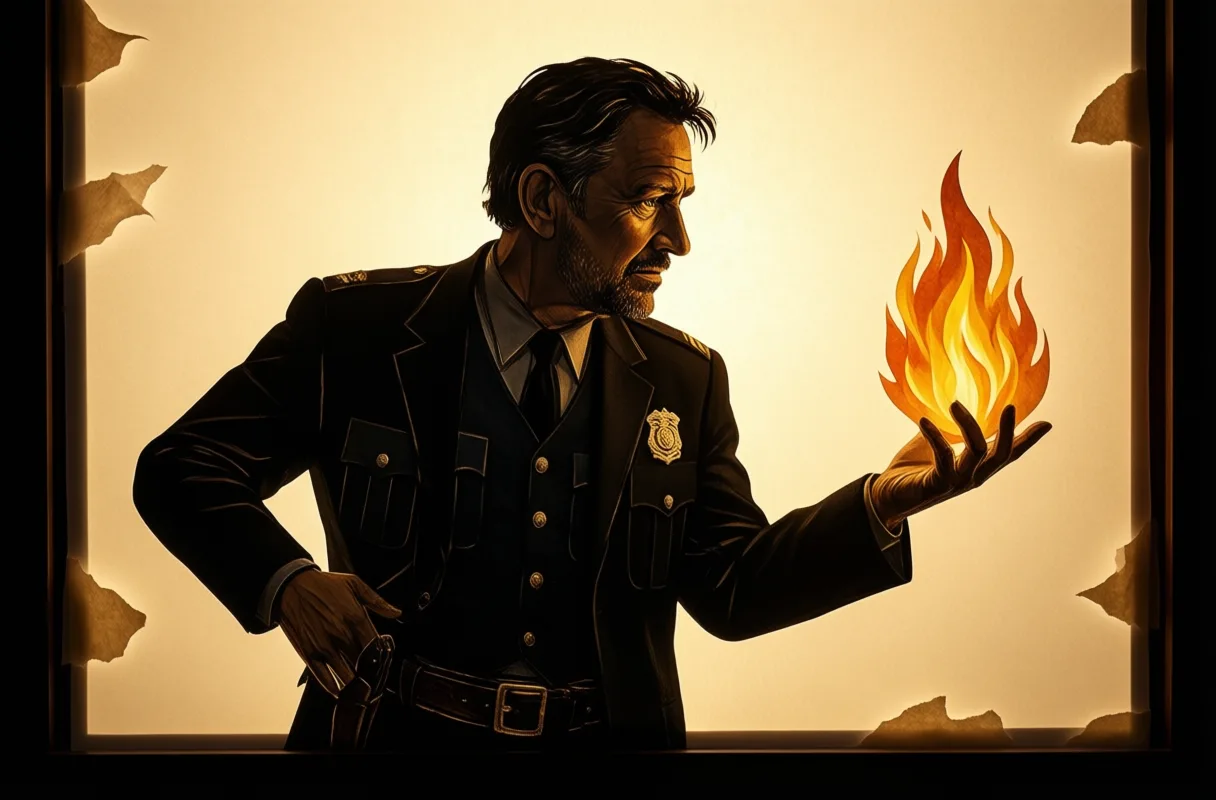
Few actors Can straddle the line between lawman and outlaw with the ease Walton Goggins does. As Detective Shane Vendrell in The Shield (2002–2008), he wasn’t just corrupt-he was tragically, heartbreakingly loyal to a fault. The FX series redefined television crime drama, and his performance remains one of the most layered portrayals of a man losing his soul piece by piece. He wasn't the lead, but he often stole the show, turning Vendrell into a rogue study in guilt, pride, and brotherhood gone toxic.
What made Vendrell so compelling wasn’t just the brutality, but the vulnerability. Goggins played him with a kind of desperate recklessness, as if he knew the end was coming but couldn’t stop the car from swerving. His loyalty to Vic Mackey wasn’t blind-it was the loyalty of someone who’d already surrendered his conscience and was just waiting for the world to catch on. It was a role that demanded nuance, restraint, and explosive emotional range-all of which Goggins delivered.
His follow-up role, Boyd Crowder in Justified (2010), felt like kismet. Again playing a man of questionable morals in the American South, but this time on the other side of the law, Goggins turned a Minor character In Elmore Leonard’s original novel into a TV icon. Where Vendrell was coiled tension, Boyd was flamboyant danger-equal parts preacher, poet, and predator. The role earned him critical acclaim and cemented his status as a go-to performer for complex, charismatic villains.
And if you haven’t seen walton Goggins tv Shows Will blow Your Mind With 7 Shocking Roles, you're missing the full scope of his range-from cult-favorite comedy to apocalyptic satire.
Beyond the Badge: Goggins’ Evolution Across Genres
After Justified, Goggins didn’t retreat-he exploded outward. He’s never been one to repeat himself. Look at Vice Principals, where he played Neal Gamby, a man so consumed by petty ambition and rage you sometimes wanted to laugh, sometimes look away. The show leaned into comedy, but Goggins played it straight, making Gamby both hilarious and horrifying. It was a masterclass in balancing absurdity with emotional truth.
Then came The Righteous Gemstones, another HBO series that blends satire and family drama. Here, he’s Baby Billy, a washed-up televangelist with a grudge, a toupee, and a surprisingly moving backstory. Goggins brings a kind of wounded clown energy-funny, yes, but also quietly tragic, a man who spent his life being laughed at and now laughs loudest to cover the pain. It’s a performance only he could pull off with such precision.
More recently, he’s leapt into genre work with Fallout And Invincible, proving his voice is as versatile as his physical presence. In these shows, he isn’t just filling space-he’s defining it. Whether delivering a cult leader’s monologue or voicing a brutal cartoon superhero, he injects each role with the same ferocity that defined his earlier work. The man doesn’t coast. He commits.
Why Goggins Endures: The Anti-Showman Who Can’t Be Ignored
Walton Goggins doesn’t do red carpet banter. He doesn’t sell sneakers or appear in game shows. And yet, decade after decade, he remains one of the most consistently compelling figures on screen. Maybe it’s because he treats every role like it’s the last one he’ll ever play. Or maybe it’s because he refuses to sanitize His characters-they’re allowed to be ugly, funny, pathetic, dangerous, or all at once.
He’s also one of the few actors who can make a Southern accent sound like philosophy. There’s rhythm to his delivery, a musicality, whether he’s quoting scripture or issuing a death threat. It’s not just the lines-he gives them weight, like each syllable has blood on it. Critics have noticed. Awards shows, less so. Despite his impact, major trophies have eluded him, though nominations have come, including from the Television Academy.
But here’s the irony: the lack of hardware hasn’t diminished his influence. If anything, it’s enhanced it. In an industry obsessed with branding and buzz, Goggins stays quiet, lets his work speak-and somehow, it screams. He’s proof that you don’t need to be everywhere to be unforgettable.
So if you’re just discovering him, start with The Shield. Then Justified. Then follow wherever he goes next-because wherever it is, it’s bound to be interesting, intense, and unmistakably his.
From Gritty Cops to Southern Charm: The Many Lives of Walton Goggins
A Name You Know, Even If You Don’t Know It
Before he became a household name, Walton Goggins spent years playing memorable supporting roles-often as good-natured or quietly intense Southerners-earning him a solid reputation long before the spotlight hit. Born in Birmingham, Alabama, on November 10, 1971, Goggins built his career the hard way: through persistence and raw talent, not overnight fame. His breakout role came playing the morally tangled Detective Shane Vendrell on FX’s The Shield, a performance so powerful it helped define the show’s gritty tone and cemented his status as a fearless character actor.
The Bad Guy You Can’t Help But Love
Goggins has a knack for playing complex, unpredictable characters who straddle the line between villain and antihero. As Boyd Crowder in Justified, he turned a character originally meant for just a few episodes into one of television’s most captivating figures-a charismatic, Bible-quoting outlaw with surprising depth. Fans loved him so much, the show’s writers expanded his role, and Goggins made Boyd unforgettable. That same magnetic energy carried into later roles, from the twisted Head of School Russell in Vice Principals To the unhinged Ghislaine in The White Lotus-proof that no matter the genre, Goggins brings something electric to the screen.
More Than Just TV Gold
While television made him a star, Goggins has also left his mark on the big screen. He’s appeared in major films like Predators And Quentin Tarantino’s The Hateful Eight, where his performances added layers of tension and dark humor. Off-screen, he’s been married to writer and activist Nadia Conners since July 28, 2011, often keeping his personal life low-key while staying deeply involved in creative projects behind the camera as a producer. With roles in genre hits like Invincible And Fallout, Goggins continues to surprise audiences-proving he’s not just versatile, but essential.
Frequently Asked Questions
Who is Walton Goggins and why is he notable?
Walton Goggins is an American actor known for playing morally complex Southern characters. He gained recognition for his roles as Detective Shane Vendrell in The Shield and Boyd Crowder in Justified.
What are Walton Goggins' most famous TV roles?
His most famous roles are Detective Shane Vendrell in The Shield (2002–2008) and Boyd Crowder in Justified (2010). Both characters showcase his ability to portray layered, morally ambiguous men.
How does Walton Goggins approach his characters?
He plays characters with depth, allowing them to be ugly, funny, pathetic, or dangerous. He gives emotional weight to his lines and avoids sanitizing his roles.
Has Walton Goggins won major awards for his work?
Despite critical acclaim and nominations, including from the Television Academy, he has not won major awards. His influence remains strong despite the lack of trophies.
This article was produced with AI assistance. How Motion Picture Magazine uses AI.
Isolde dissects award campaigns, voting patterns, and industry politics with precision. She tracks how prestige television and arthouse films navigate recognition, emphasizing diversity shifts and behind-the-scenes power dynamics shaping nominations.